03 Aug 2026
Obesity and Joint Replacement: Weight and BMI Guidelines in Amritsar

Dr. (Prof.) Rakesh Sudan
21 Apr 2026
Call +91 80788 80788 to request an appointment.
If you or a loved one has been advised to get an echocardiogram, this comprehensive guide explains everything about the 2D echo and Doppler test cost in Amritsar, what the tests show, how they are performed, preparation, alternatives, and how Livasa Hospitals (Livasa Amritsar) can help you get timely and affordable cardiac imaging. For appointments call +91 80788 80788 or book online at Livasa Hospitals appointment.
The heart is a dynamic organ whose structure and function can change with disease, age, and lifestyle. Among noninvasive tools to evaluate the heart, the 2D echocardiogram (echo) and Doppler ultrasound are cornerstone tests—widely used, safe, and informative. A 2D echo produces moving, cross-sectional images of cardiac structures using ultrasound; Doppler adds information about blood flow direction and velocity. Combined, they give clinicians a detailed view of chamber sizes, wall motion, valve function, and blood flow characteristics. This combination is often referred to as an “echo Doppler” or “color Doppler echo” when color flow mapping is used. Patients in Amritsar and the broader region of Punjab commonly search online for terms such as 2D echo cost Amritsar, echocardiography test price, and heart ultrasound near me. This guide aims to answer those queries clearly, helping you understand the test itself, the typical price ranges in Amritsar, options for low-cost testing, and when to choose an urgent appointment.
Across India and globally, echocardiography remains the most frequently performed cardiac imaging test because it is noninvasive, portable, and provides both anatomical and functional information. In Amritsar, hospitals and diagnostic centers offer variable pricing depending on the type of echo (basic 2D, 2D with color Doppler, transesophageal echo, pediatric echo), the experience of the sonographer and cardiologist, and whether the facility is a private hospital versus a standalone diagnostic center. Livasa Amritsar is positioned to provide reliable, transparent pricing and specialized cardiology support for patients requiring echocardiography and Doppler services.
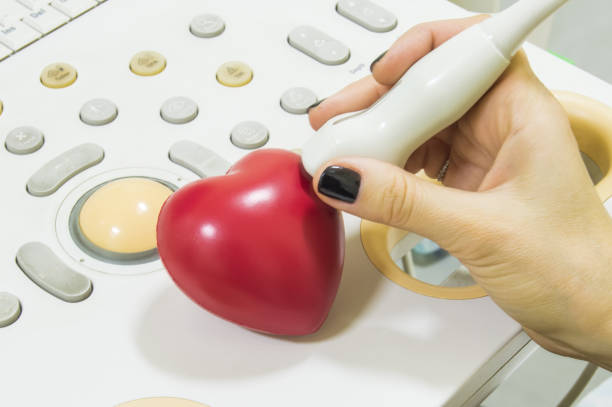
The 2D echocardiogram uses high-frequency sound waves (ultrasound) to generate real-time, two-dimensional images of the heart’s structures. A small probe (transducer) placed over the chest sends sound waves into the body and records echoes reflected by the heart tissues. The machine converts those echoes into moving images that show chamber sizes, wall thickness, valve motion, and the overall pumping function (ejection fraction).
Doppler ultrasound evaluates blood flow using the Doppler effect: it measures frequency shifts in the reflected ultrasound waves produced by moving blood cells. With Doppler, clinicians detect flow direction, speed, and turbulence. When color Doppler is added (often called color flow mapping), flow toward the probe is displayed in one color and flow away in another—this makes valve leaks (regurgitation), stenosis (narrowing), shunts, and abnormal flow patterns visually obvious.
There are several types of echo-related studies commonly performed:
Combined, the 2D echo and Doppler provide data used to diagnose heart failure, valve disease, congenital heart defects, cardiomyopathies, pericardial disease, and to monitor response to treatment. They are portable—many centers in Amritsar offer bedside echocardiography which can be critical in emergencies.
Physicians recommend a 2D echo with Doppler for many reasons. It is not just a diagnostic test but also a monitoring tool. Common indications include suspected or known heart disease, new or worsening breathlessness, chest pain when ischemia is suspected, abnormal heart sounds (murmurs), syncope (fainting), palpitations, and monitoring of patients with systemic conditions that affect the heart (e.g., hypertension, diabetes, rheumatic fever). Pregnant women with cardiac symptoms and patients with prosthetic valves or prior cardiac surgery often need serial echocardiography.
Specific scenarios where an echo Doppler is invaluable:
In Amritsar and Punjab, hypertensive patients, diabetics, and those with family history of cardiac disease commonly undergo echocardiographic screening. Globally, echocardiography is recommended as first-line imaging for most structural heart concerns because it is accessible and provides immediate actionable information. If you are unsure whether you need an echo Doppler, a cardiology consultation at Livasa Amritsar can help determine the appropriate timing and type of echo for your condition. Book via online appointment or call +91 80788 80788.
Understanding the procedural steps reduces anxiety and prepares you for what to expect. A typical transthoracic 2D echo with Doppler at Livasa Amritsar or other Amritsar centers follows these steps:
The test is painless, noninvasive, and does not involve radiation. Patients can usually resume normal activities immediately after a TTE. If a TEE or a stress test is performed, post-procedure recovery time may be longer depending on sedation and physical exertion.
Preparation for a transthoracic echo is minimal. Patients should wear comfortable clothing that allows chest access. Avoid applying lotions or oils on the chest before an appointment as they can interfere with probe contact. For a transesophageal echo (TEE), fasting for 6–8 hours is usually required and arrangements for transport are advised because sedation is commonly used.
Safety: Echocardiography uses sound waves and has an excellent safety profile. There is no ionizing radiation and no known long-term adverse effects from diagnostic ultrasound when used appropriately. Allergic reactions are rare and usually associated only with gel or contact materials.
Limitations: While highly useful, echo Doppler is not perfect. Image quality can be limited by patient body habitus (obesity, chest deformity), lung disease (emphysema), or recent chest surgery. Certain structures, like the posterior left atrium or prosthetic valves, may be difficult to visualize on TTE and may require TEE for detailed evaluation. Doppler assessments rely on proper alignment of the ultrasound beam with blood flow; inaccurate alignment can underestimate velocities. Additionally, echo interpretation can be operator-dependent—experience of the sonographer and interpreting cardiologist matters for diagnostic accuracy.
For patients in Amritsar, seeking a well-equipped centre like Livasa Amritsar ensures access to trained sonographers and cardiologists who can minimize these limitations. If your echo is technically difficult, the team will advise alternatives such as TEE, stress echo, or cardiac CT/MRI as appropriate.
Cost is a common concern. In Amritsar, prices vary between diagnostic centres, private hospitals, and specialized cardiac clinics. Key factors that influence echocardiography cost include:
To give a practical picture (approximate ranges as of current local market trends and subject to change):
Keywords patients often search for include 2D echo cost Punjab, echocardiography cost Punjab, and Doppler ultrasound cost Punjab. At Livasa Amritsar we offer transparent pricing and dedicated echo packages—check for current 2D echo package price Amritsar Livasa options when you call +91 80788 80788 or visit book appointment.
For patients searching for affordable 2D echo Amritsar or cheapest 2D echo Amritsar, compare what is included: some low-cost offers may not include cardiologist interpretation or bedside service—so ensure you know exactly what the fee covers.
While 2D echo with Doppler is frequently the first-line test, other cardiac imaging modalities exist. The table below compares common cardiac imaging options—this can help you understand when an echo is sufficient and when additional imaging may be needed.
| Procedure | Benefits | When used |
|---|---|---|
| 2D echo with Doppler (TTE) | Portable, no radiation, evaluates valves and function | First-line for most structural/functional assessments |
| Transesophageal echo (TEE) | Higher resolution for posterior structures, prosthetic valves | When TTE is inconclusive or for endocarditis, thrombus detection |
| Stress echocardiography | Detects inducible ischemia; functional capacity assessment | Suspected coronary artery disease with normal resting echo |
| Cardiac CT | Excellent for coronary anatomy and calcification; quick | Coronary assessment, pre-op planning, when echo is limited |
| Cardiac MRI | Superior tissue characterization; volumes and scar assessment | Complex cardiomyopathies, viability assessment, congenital heart disease |
Choice of modality depends on the clinical question, availability, patient factors, and cost. In many cases, an echo Doppler is the most cost-effective first step in Amritsar. When more detailed structural or coronary evaluation is required, your cardiologist at Livasa Amritsar will recommend the appropriate next test.
Understanding echo results can feel technical, but key findings are commonly presented in a structured report with clear clinical interpretation. Typical components of an echo report include chamber sizes (left/right atrium and ventricles), wall thickness, left ventricular ejection fraction (LVEF), valve structure and function (stenosis/regurgitation severity), pulmonary artery pressure estimates, pericardial effusion, and Doppler-derived flow velocities.
Common terms and their clinical relevance:
After the echo, the cardiologist will usually discuss results in person or by phone. Next steps depend on findings and may include:
At Livasa Amritsar, echo reports are provided with clear clinical recommendations. If you have questions about echocardiogram price Punjab versus the value of a comprehensive cardiology report, our team will explain the benefits of cardiologist-led interpretation and follow-up planning as part of the service.
Practical tips to make the echo appointment smooth:
Insurance and government schemes: Many private insurers cover echocardiography when it is medically indicated; check preauthorization requirements. Some state and national health programs may subsidize diagnostic tests. Diagnostic centres and hospitals in Amritsar, including Livasa Amritsar, can provide invoices and detailed reports needed for insurance claims. If cost is an issue, ask for package rates and whether a cardiology consultation is included. Searching for keywords like 2D echo cost per test Amritsar, echocardiography test fee Amritsar, or echo Doppler cost package Amritsar will show a range, but confirm what is included in the package.
Urgent and same-day appointments: For urgent cardiac concerns, many hospitals in Amritsar offer priority echo slots. These may cost more, but they are essential when clinical instability is present. If you need a same-day echo at Livasa Amritsar, call +91 80788 80788 and mention urgent echo appointment cost Amritsar so staff can advise on availability and pricing.
Q: How much does a 2D echo with color Doppler cost in Amritsar? A: Typical ranges are INR 1,200–4,000 depending on the facility and inclusions. Livasa Amritsar provides clear pricing—call +91 80788 80788 or visit book appointment to get package details.
Q: Is the echo painful? A: No. A transthoracic echo is painless and noninvasive. TEE may involve mild discomfort due to probe insertion and usually requires sedation.
Q: How long until I get results? A: Preliminary findings may be discussed immediately; a formal report is typically available within a few hours to 24 hours depending on the centre. In emergencies, expedited reporting is performed.
Q: Can echo detect coronary artery disease? A: Resting echo detects wall-motion abnormalities suggestive of prior or ongoing ischemia but is less sensitive for early coronary artery disease. For suspected ischemia, a stress echo or coronary imaging (CT angiography) may be recommended.
Q: Are there low-cost echocardiography options in Amritsar? A: Yes, diagnostic centers offer competitive pricing. However, compare what is included (cardiologist interpretation, follow-up consultation). Livasa Amritsar offers packages that balance affordability and clinical rigor.
If you are searching for "heart ultrasound near me", "echo test price near me", or "2D echo and Doppler cost Amritsar" trust a centre that pairs compassionate care with technical excellence. For appointment booking at Livasa Amritsar call +91 80788 80788 or book online. Our cardiology and diagnostic teams will guide you on the appropriate test, explain costs transparently, and ensure rapid reporting and follow-up.
Nearby locations: Livasa Amritsar serves patients throughout Amritsar and surrounding localities in Punjab, making it convenient for residents to access high-quality echocardiography services.
Echocardiography with Doppler is an essential, safe, and informative cardiac test that addresses a wide range of clinical questions. When evaluating costs such as 2D echo price in Amritsar Punjab or echocardiogram cost Amritsar Punjab, consider the type of study, reporting, urgency, and whether pediatric or specialized services are required. For clear guidance, prompt appointments, and transparent echo Doppler pricing in Amritsar, contact Livasa Hospitals—Livasa Amritsar—at +91 80788 80788 or book online. Early and accurate cardiac diagnosis saves lives; an appropriate and timely echo is often the first vital step.
Disclaimer: Prices quoted are approximate ranges and may change. For exact pricing, package details, and insurance coverage information please contact Livasa Amritsar directly at +91 80788 80788 or visit livasahospitals.com/appointment.
Obesity and Joint Replacement: Weight and BMI Guidelines in Amritsar
Diabetes, Heart Disease and Joint Replacement: Multispeciality Care in Amritsar
Home Modifications After Joint Replacement: Safety Tips for Amritsar Patients
Livasa Healthcare Group Corporate Office,Phase-8, Industrial Area, Sector 73, Sahibzada Ajit Singh Nagar, Punjab 160071
| Mohali | +91-99888 23456 |
| Amritsar | +91-99887 49494 |
| Hoshiarpur | +91-99883 35353 |
| Nawanshahr | +91-75081 82337 |
| Khanna | +91-98888 05394 |
