Gastroenterology

Located within the renowned Livasa Hospital, the Gastroenterology department is a center of excellence in digestive health care. Staffed by a multidisciplinary team of board-certified gastroenterologists, surgeons, nurses, and support staff, this department is committed to delivering cutting-edge medical care with compassion and precision. Equipped with state-of-the-art technology, including advanced endoscopic and imaging facilities, the Gastroenterology department at Livasa Hospital offers a comprehensive range of services to diagnose, treat, and manage various gastrointestinal disorders. From routine screenings for colorectal cancer to complex procedures like endoscopic retrograde cholangiopancreatography (ERCP) and endoscopic ultrasound (EUS), patients receive personalized care tailored to their unique needs.
Beyond clinical care, the Gastroenterology department at Livasa Hospital prioritizes patient education and support, empowering individuals to actively participate in their health management. Through comprehensive educational programs and resources, patients gain a deeper understanding of their conditions and treatment options, fostering a collaborative approach to care.
In essence, the Gastroenterology department at Livasa Hospital exemplifies excellence in digestive health care, combining expertise, innovation, and compassion to improve the lives of patients suffering from gastrointestinal disorders.

Please Fill Below Details To Request An Appointment

Or Call +91 80788 80788 to know more about Gastroenterology.

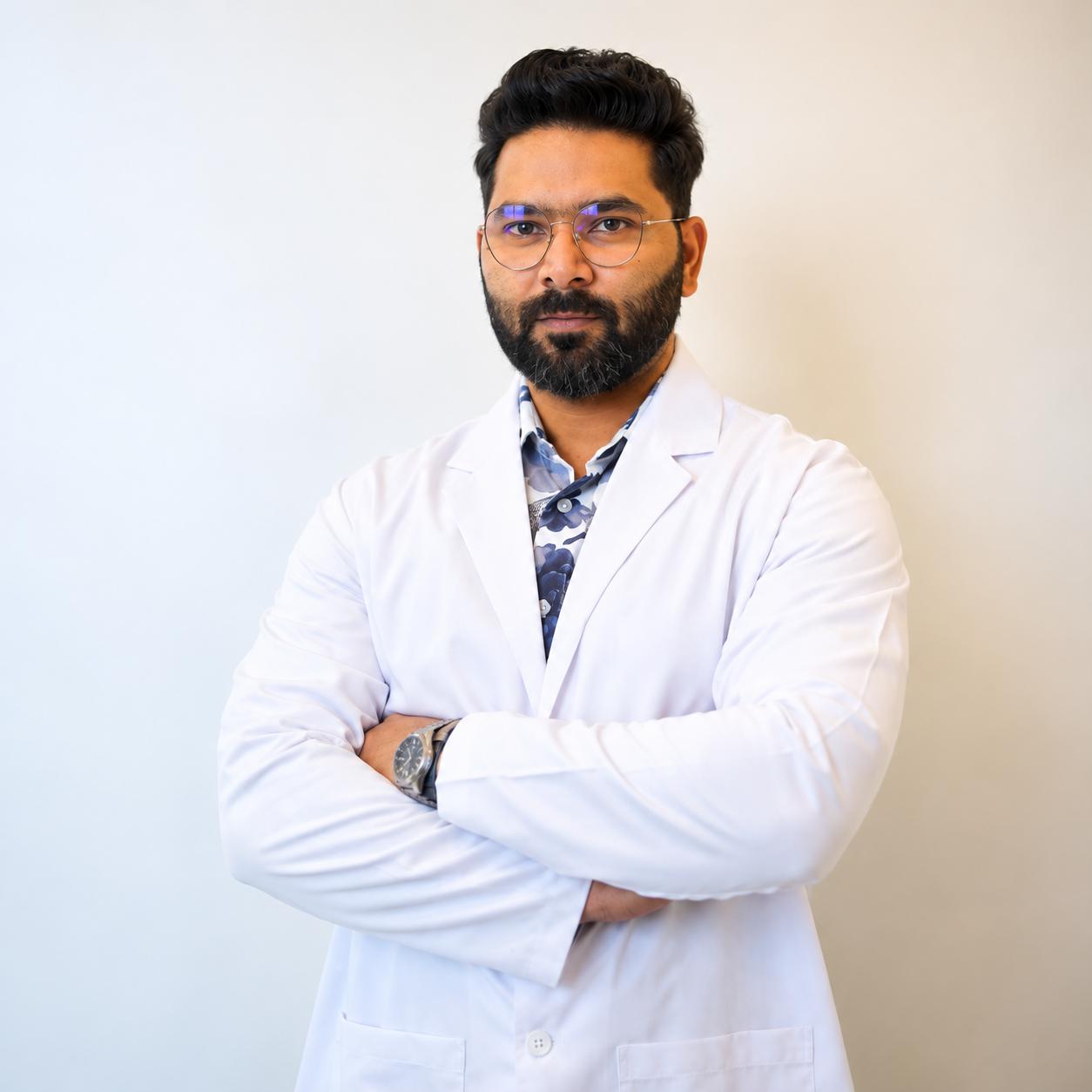
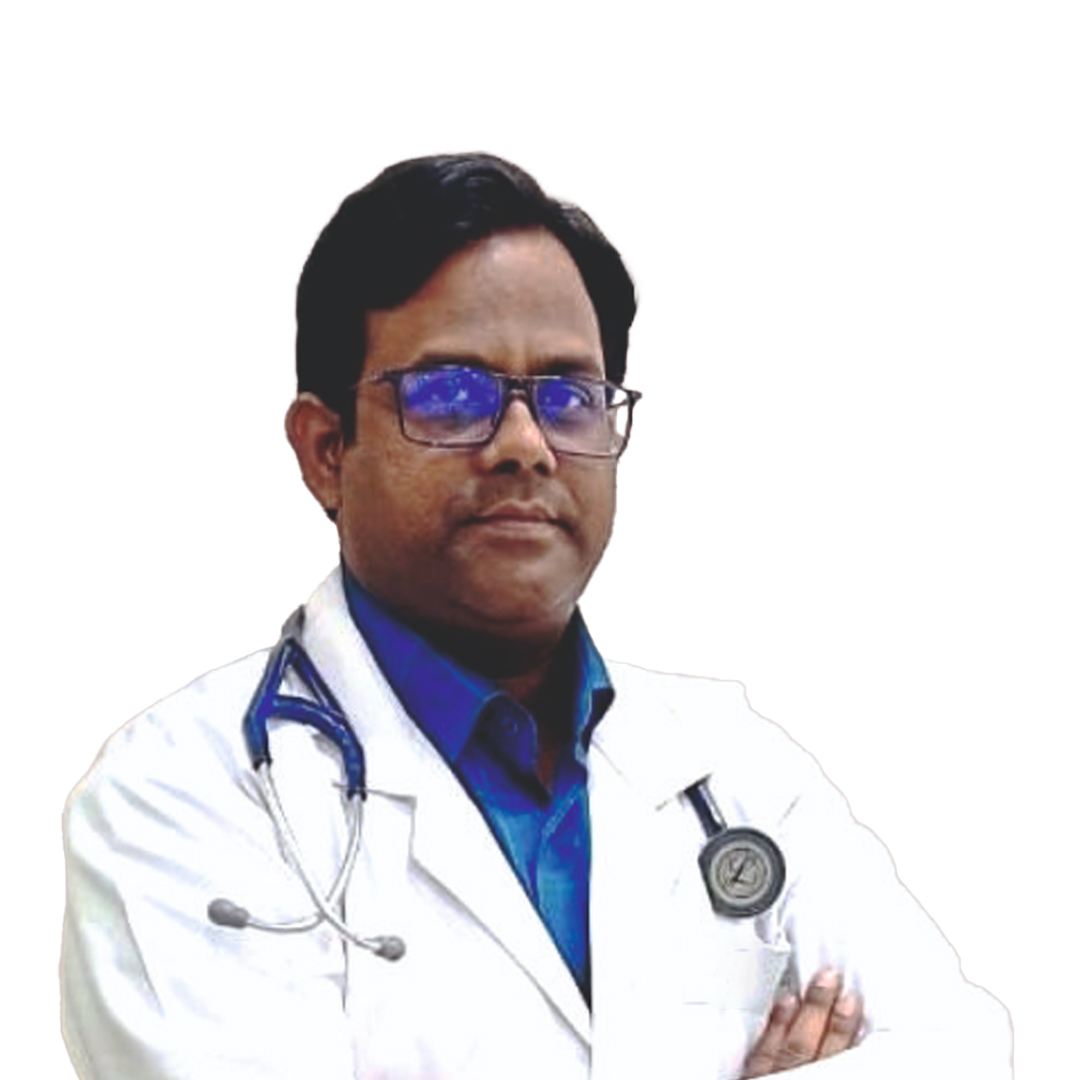
Our Experts

Patients Testimonials

Now Book Doctor Appointment in 3 Easy Steps

Calender Icon

I know my symptoms but I don't know whom to consult

Frequently Asked Questions

Gastroenterology is a medical specialty that focuses on the diagnosis, treatment, and management of diseases and disorders of the gastrointestinal (GI) tract, including the esophagus, stomach, small intestine, colon, rectum, pancreas, liver, gallbladder, and bile ducts.

Gastroenterologists diagnose and manage a wide range of GI conditions, including acid reflux (GERD), inflammatory bowel disease (IBD), irritable bowel syndrome (IBS), peptic ulcers, gastrointestinal bleeding, liver disease (such as hepatitis and cirrhosis), pancreatitis, gallstones, and colorectal cancer, among others.

Symptoms that may warrant a visit to a gastroenterologist include abdominal pain, heartburn, indigestion, bloating, changes in bowel habits (diarrhea, constipation), rectal bleeding, unexplained weight loss, difficulty swallowing, persistent nausea or vomiting, and jaundice (yellowing of the skin or eyes).

Common diagnostic tests include endoscopy (upper endoscopy and colonoscopy), imaging studies (such as CT scans, MRIs, and ultrasound), blood tests (for liver function and other markers), stool tests (for occult blood and pathogens), and breath tests (for conditions like Helicobacter pylori infection).

Endoscopy allows gastroenterologists to visualize the inside of the GI tract using a flexible tube with a camera (endoscope). Upper endoscopy examines the esophagus, stomach, and upper small intestine, while colonoscopy examines the colon and rectum. Endoscopy is used for diagnosis, biopsy, treatment (such as polyp removal), and surveillance of GI conditions.

Treatment options depend on the specific condition but may include lifestyle modifications (such as dietary changes and exercise), medications (such as proton pump inhibitors for GERD, immunosuppressants for IBD), endoscopic procedures (such as dilation of strictures or polyp removal), and surgery for more complex conditions.

You get acidity and a burning feeling in your chest after eating because stomach acid flows back into the food pipe. This is called acid reflux. It can also leave a sour taste in the mouth.
Eating smaller meals and avoiding foods that trigger symptoms can help. If acidity keeps returning, see a doctor.

Your stomach feels bloated after meals because gas builds up in the stomach or intestines. Eating too quickly, swallowing air, certain foods and constipation can make the stomach feel full or tight. Try eating slowly and noticing which foods make symptoms worse.

No, an upper GI endoscopy is not painful, although some people feel discomfort in the throat or stomach. You receive medicine to relax you and a spray to numb your throat.
The doctor passes a thin, flexible tube with a camera through the mouth to examine the food pipe, stomach and upper intestine.

A colonoscopy is recommended when someone has blood in their stool, ongoing changes in bowel habits or unexplained stomach problems. Doctors also use it to check for growths called polyps and to screen for bowel cancer.
During the test, a thin tube with a camera is passed through the anus to look inside the large intestine.

Yes, fatty liver caused by excess fat buildup can improve with changes in diet, regular exercise and gradual weight loss if you are overweight. These steps can reduce the amount of fat stored in the liver.
However, some people already have liver swelling or scarring and need closer medical care. A doctor can recommend blood tests or scans to check liver health.

Featured Hospitals

Select From a Network Of 6 Multi-speciality NABH-accredited Hospitals Across Punjab and Haryana: Mohali, Hoshiarpur, Khanna, Amritsar, Nawanshahr and Karnal.

Need Help?

Address

Livasa Hospitals - Corporate Office Mohali Add: 5th Floor, T7 Tech Park, C-119, Phase 7, Industrial Area, Sector 73, Sahibzada Ajit Singh Nagar, Punjab 160055