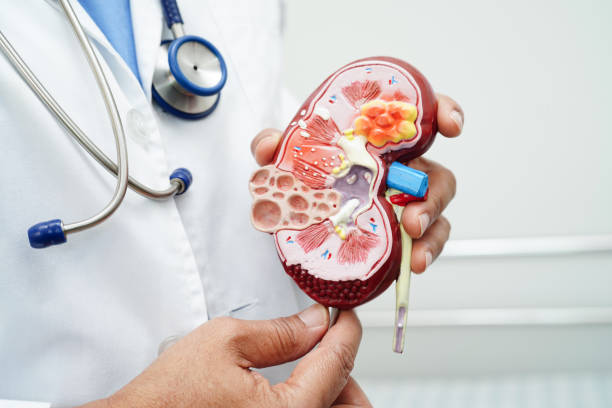
Complete Guide to Urinary Health: When to Consult a Urology Specialist in Punjab

Complete Guide to Urinary Health: When to Consult a Urology Specialist in Punjab

Dr. Avinash Srivastava

29 Oct 2025

Call +91 80788 80788 to request an appointment.

Complete guide to urinary health: when to consult a urology specialist in Punjab

Welcome to a patient-friendly, authoritative guide to urinary health in Punjab. This article explains common urinary conditions, key signs that indicate you should consult a urology specialist in Punjab, how urologists diagnose problems, available treatment options, cost considerations, prevention tips, and how Livasa Hospitals supports patients across Mohali, Amritsar, Hoshiarpur, and Khanna. Whether you are searching for "when to consult a urology specialist Punjab" or "best urology hospital Punjab," this guide will help you make an informed decision.


Introduction

Urinary health affects everyone—men, women, children, and seniors. The urinary system (kidneys, ureters, bladder, and urethra) removes waste, controls fluid balance, and helps regulate blood pressure and electrolytes. Problems in the urinary tract range from easily treated infections to complex conditions like kidney stones, prostate disease, bladder dysfunction, and cancers that require specialized urology care.

Across India and in Punjab specifically, urinary tract infections (UTIs), kidney stones and prostate problems are among the most frequent reasons people seek medical help. Globally, UTIs account for an estimated 150 million cases annually. In India, climate, dietary factors and occupational dehydration contribute to a relatively high incidence of kidney stones — many parts of North India report a higher burden due to working conditions and heat exposure. In addition, an aging population in Punjab means prostate-related problems (benign prostatic hyperplasia and prostate cancer screening) are increasingly relevant.

If you live in Mohali, Amritsar, Hoshiarpur, Khanna or nearby cities and wonder whether to see a urology specialist, this article will outline clear indicators, explain diagnostic tests available through urology services in Punjab, and describe modern treatments (including laparoscopy urology Punjab and laser prostate surgery Punjab) that can restore function and quality of life.


Common urinary health problems in Punjab

Urinary health problems in Punjab reflect national and regional patterns but also include local influences such as water mineral content, climate, and occupational exposure. Here are the most common conditions patients seek help for at urology hospitals in Punjab:

  • Urinary tract infections (UTIs): UTIs affect people of all ages. Women are more prone due to anatomy. Classic symptoms include burning during urination, frequency, urgency, and lower abdominal discomfort. Recurrent UTIs sometimes require evaluation by a urinary tract infection specialist Punjab.
  • Kidney stones (nephrolithiasis): A leading cause of severe, acute pain. Stones are more common in regions with hot climates and dehydration. Punjab reports significant presentations of renal colic and obstructive uropathy; many require minimally invasive kidney stone treatment Punjab or kidney stone surgery Punjab.
  • Prostate problems: Men often present with urinary frequency, weak stream or difficulty starting urine. Benign prostatic hyperplasia is common in older men; prostate cancer screening Punjab is an important preventive step for those at risk.
  • Urinary incontinence: Both men and women may experience leakage. Female urinary incontinence treatment Punjab includes pelvic floor therapy, conservative measures, and surgical options when needed.
  • Hematuria (blood in urine): Visible or microscopic blood in urine requires urgent assessment because it can indicate infection, stones, trauma, or malignancy. See a blood in urine specialist Punjab promptly.
  • Pediatric urology conditions: Issues such as vesicoureteral reflux, congenital anomalies, and bedwetting are commonly evaluated by pediatric urology Punjab specialists.

Statistics and regional data indicate that 20–30% of adult women may experience some form of urinary incontinence during their lifetime, and kidney stone prevalence in parts of North India has been reported in single-digit to low double-digit percentages depending on the study. Livasa Hospitals across Punjab have established urology services to address these patterns with modern diagnostics and tailored treatments.


Signs you need to see a urology specialist in Punjab

Not every urinary symptom requires immediate specialist care, but certain signs should prompt you to schedule a urology consultation Punjab. Knowing when to escalate care helps prevent complications such as kidney damage, sepsis from untreated infection, or delayed cancer diagnosis.

Consider seeing a urology specialist if you have any of the following signs or symptom clusters:

  • Severe flank or abdominal pain suggestive of kidney stones with nausea or vomiting — especially if pain is sudden and intense.
  • Fever with urinary symptoms such as burning or high frequency — this can indicate pyelonephritis (kidney infection) that may require IV antibiotics or hospitalization.
  • Visible blood in urine (gross hematuria) or persistent microscopic hematuria — this warrants urgent investigation to rule out stones, infection, trauma or tumors.
  • Difficulty passing urine or urinary retention — inability to empty the bladder is a urological emergency in many cases and requires immediate assessment.
  • Recurrent UTIs — more than two episodes in six months or three in a year should prompt referral to a urinary tract infection specialist Punjab to evaluate for anatomical or functional causes.
  • Declining urine output or new swelling in legs and face — may indicate impaired kidney function and needs prompt evaluation (urology diagnosis Punjab with nephrology collaboration as required).
  • Changes in urinary stream or persistent lower urinary tract symptoms in men, such as weak stream, dribbling, or nocturia — could signal enlarged prostate or other problems; consult a prostate specialist Punjab for assessment and, if indicated, prostate cancer screening Punjab.
  • Unexplained pelvic pain or incontinence in women — if conservative measures fail, consult female urinary incontinence treatment Punjab experts who provide pelvic floor therapy and surgical options.
  • Congenital or persistent urinary symptoms in children — bedwetting after appropriate age, recurrent infections, or urinary abnormalities need pediatric urology Punjab evaluation.

If any of these conditions sound familiar, schedule a urology consultation Punjab. For patients in Mohali, Amritsar, Hoshiarpur or Khanna, Livasa Hospitals offers expert urology consultation Mohali and at other centres: urology doctor Amritsar, urology care Hoshiarpur and more. You can call +91 80788 80788 or book online at Livasa Hospitals appointment.


How urologists diagnose urinary problems

Accurate diagnosis is the foundation of effective treatment. Urology diagnosis Punjab commonly uses a combination of clinical evaluation, laboratory tests, imaging and endoscopic techniques. Here is a detailed overview of typical diagnostic steps and what they reveal:

  • Detailed history and physical examination: Your urologist will ask about symptoms, onset, frequency, prior infections, medications, past surgeries, family history and any risk factors (e.g., occupational heat exposure that predisposes to stones).
  • Urine studies: Routine urine analysis (urine routine and microscopy), urine culture and sensitivity identify infection and the responsible organism, helping guide targeted antibiotics. Microscopic hematuria is detected on routine tests and may prompt further imaging.
  • Blood tests: Kidney function tests (serum creatinine and estimated glomerular filtration rate), electrolytes, and PSA (prostate-specific antigen) in men when prostate disease or cancer screening is indicated.
  • Ultrasound of kidneys and bladder: A non-invasive first-line imaging to detect stones, hydronephrosis (kidney swelling), bladder residues, and masses. Commonly used in urology services Punjab due to accessibility and safety.
  • CT scan (non-contrast CT KUB): The gold standard for diagnosing kidney stones and evaluating obstructive uropathy. CT provides precise stone size, location and density.
  • Cystoscopy: A flexible or rigid endoscope allows direct visualization of the urethra and bladder. It is essential when there is persistent hematuria, suspicious lesions, or for evaluating lower urinary tract symptoms.
  • Urodynamic studies: For complex urinary incontinence or voiding dysfunction, these tests measure bladder pressure and flow to identify functional problems requiring targeted intervention.
  • Nuclear medicine scans: When differential renal function must be assessed (e.g., in obstruction or congenital anomalies), a DMSA or MAG3 scan evaluates renal perfusion and function.

Early diagnosis helps prevent long-term complications. In many cases, timely urology diagnosis Punjab can save kidney function and avoid emergency surgery. Livasa Hospitals urology Punjab team uses evidence-based protocols and modern diagnostic equipment across centers in Mohali, Amritsar, Hoshiarpur and Khanna to deliver accurate, timely results.


Urology treatment options and how they compare

Urology treatment options range from conservative medical management to advanced minimally invasive procedures and open surgery. Treatment choice depends on diagnosis, severity, patient health and preference. Below is a breakdown of common treatment categories with comparisons to help patients understand trade-offs and outcomes.

Procedure type Benefits Recovery time
Minimally invasive (ureteroscopy, percutaneous nephrolithotomy, laparoscopy) Less postoperative pain, smaller incisions, shorter hospital stay, quicker return to daily activities 2–7 days to resume activities, full recovery in 2–4 weeks depending on procedure
Endoscopic/laser (cystoscopy, HoLEP for prostate, laser lithotripsy) Precise tissue removal, less bleeding, usually day-care or short stay, excellent outcomes for benign prostatic hyperplasia and stones Often same-day or 24–48 hours; full recovery in 1–3 weeks
Open surgery Direct access for complex anatomy or large tumors; sometimes necessary for complicated cases 1–2 weeks inpatient stay sometimes; recovery 4–8 weeks

Common examples of tailored treatments in Punjab urology services:

  • Urinary tract infection treatment Punjab: Targeted antibiotics based on culture results; recurrent or complicated infections may require imaging and specialist input.
  • Kidney stone treatment: Conservative management (hydration, medical expulsive therapy) for small stones; extracorporeal shock wave lithotripsy (ESWL), ureteroscopy with laser lithotripsy, and percutaneous nephrolithotomy (PCNL) for larger or obstructing stones. For many patients, minimally invasive kidney stone surgery Punjab is the standard of care.
  • Prostate procedures: Medical therapy for early BPH, transurethral resection of the prostate (TURP), Holmium laser enucleation of the prostate (HoLEP) or minimally invasive laser prostate surgery Punjab for larger glands.
  • Bladder and urethral surgeries: Cystoscopic removal of tumors, reconstructive procedures, and continence surgeries using both open and minimally invasive techniques.

Choosing the right procedure is a shared decision between you and your urology specialist Punjab, balancing effectiveness, recovery time and cost. Livasa Hospitals offers expertise in laparoscopy urology Punjab, laser prostate surgery Punjab and comprehensive postoperative support.


Specialized urology services at Livasa Hospitals in Punjab

Livasa Hospitals provides comprehensive urology services across multiple centres in Punjab, including Livasa Mohali, Livasa Amritsar, Livasa Hoshiarpur and Livasa Khanna. Our multi-disciplinary urology team includes experienced urologists, anesthesiologists, radiologists, pediatric urology specialists and trained nursing staff who deliver patient-centered care.

Key urology services offered by Livasa Hospitals urology Punjab:

  • Outpatient urology consultation: Rapid evaluation for urinary symptoms, risk assessment and diagnostic planning. Book urology consultation Mohali or Amritsar easily via phone or online.
  • Advanced diagnostics: Onsite ultrasound, CT scan, cystoscopy, urodynamics and laboratory testing for accurate urology diagnosis Punjab.
  • Minimally invasive stone management: ESWL, ureteroscopy and PCNL performed by experienced teams with modern equipment for high stone clearance rates.
  • Laser prostate surgery: HoLEP and other laser techniques for enlarged prostate offering minimal bleeding and quick recovery—search for "laser prostate surgery Punjab" to learn more about our programs.
  • Pediatric urology: Specialized care for congenial anomalies, reflux, and voiding dysfunction in children.
  • Oncology services linkages: For suspicion or confirmed urological cancers, Livasa Hospitals coordinates multidisciplinary care including surgical oncology, medical oncology, radiotherapy and pathology.
  • Postoperative rehabilitation and continence care: We emphasize pelvic floor rehabilitation, counseling and long-term follow-up to preserve quality of life.

Each Livasa centre offers appointment booking and pre-admission counseling. For convenient access, patients in Mohali may ask for urology specialist Mohali or the "best urologist Mohali"—Livasa Hospitals Mohali urology team receives referrals from neighboring districts. Livasa Amritsar and Livasa Hoshiarpur similarly provide full-service urology care; you can call +91 80788 80788 or book online at Livasa Hospitals appointment.


Cost considerations: consultation, diagnostics and procedures in Punjab

Understanding costs helps patients plan care. The exact price of urology consultation and treatments varies by city, complexity, tests required, hospital stay and whether insurance is used. Below is an indicative comparison of typical costs in Punjab to help you prepare; local prices at Livasa Hospitals may vary and can be confirmed by contacting patient services.

Service Estimated cost range (INR) Notes
Urology consultation 500–2,000 Depends on centre and specialist seniority; some hospitals offer subsidized or insurance-covered options.
Urine routine and culture 200–1,000 Culture more costly than routine microscopy.
Ultrasound kidney/bladder 700–2,000 Often first-line imaging.
CT KUB (non-contrast) 3,000–8,000 Gold standard for stone detection.
Cystoscopy 5,000–20,000 Varies by flexible vs rigid, anesthesia required and additional therapeutic procedures.
Lithotripsy / ureteroscopy 25,000–1,50,000+ Cost varies by complexity, single or multiple sessions, and hospital stay.
HoLEP / laser prostate surgery 40,000–2,00,000+ Depends on gland size, hospital stay and perioperative care.

Cost comparisons across Punjab cities (Mohali, Amritsar, Ludhiana, Jalandhar) often reflect differences in hospital category and available technology. At Livasa Hospitals urology Punjab, transparent billing and pre-procedure counseling are provided so you understand expected costs and insurance coverage options. For accurate pricing, call +91 80788 80788 or use online booking.


Preventive measures and urinary health tips for people in Punjab

Prevention reduces the burden of urinary problems. Many measures are simple, cost-effective and suitable for daily life in Punjab. These tips are valuable whether you are at risk of stones, recurrent infections, or prostate-related symptoms.

  • Stay well hydrated: Aim for adequate water intake through the day. In hot months or when working outdoors, increase water consumption to reduce stone formation and concentrate urine that can promote infection. Carry a water bottle at work.
  • Dietary considerations: Limit excess salt, reduce intake of foods high in oxalates (e.g., certain leafy greens, nuts, and tea) if you have a history of calcium oxalate stones. Balanced protein intake and adequate dietary calcium (not excessive supplements) can reduce stone risk.
  • Timely bathroom habits: Avoid holding urine for long periods. Emptying the bladder regularly reduces bacterial growth and avoids overdistension that may worsen incontinence.
  • Personal hygiene: For women, simple measures like wiping front to back and avoiding irritant hygiene products can lower UTI risk. For sexually active individuals, urinating after intercourse may reduce infections.
  • Maintain healthy weight and activity: Regular physical activity and weight management reduce risk factors associated with incontinence, metabolic abnormalities and prostate symptoms.
  • Regular check-ups: Men over 50 or those with family history should discuss prostate screening with their urologist—search "prostate cancer screening Punjab" and consult an experienced prostate specialist Amritsar or Mohali as needed.
  • Medication adherence and follow-up: If prescribed antibiotics or medications for BPH or overactive bladder, follow the regimen and attend scheduled follow-up to prevent complications.

Preventive strategies plus early urology consultation for new or worsening symptoms make a major difference in outcomes. Livasa Hospitals emphasizes patient education and offers urinary health checkup Punjab packages to evaluate risk and provide personalized preventive plans.


When to seek emergency urology care and next steps

Certain urinary problems are emergencies and require immediate attention—delaying care can lead to kidney damage or life-threatening infection. Seek emergency urology care if you experience:

  • Inability to pass urine: Complete urinary retention with severe discomfort or pain.
  • High fever with flank pain and urinary symptoms: Suggests an ascending kidney infection (pyelonephritis) that may need IV antibiotics and hospitalization.
  • Severe uncontrolled bleeding in urine: Especially with clot retention or rapid blood loss.
  • Sudden severe flank pain with associated vomiting and collapse: May indicate obstructing stone and complications.
  • Trauma to the abdomen or pelvic area with urinary symptoms: Possible bladder or urethral injury that requires urgent imaging and specialist care.

Next steps when you decide to seek care:

  1. Call ahead if possible—Livasa Hospitals triage teams can advise and prepare for urgent evaluation. Call +91 80788 80788.
  2. If transfer is required from a smaller facility, ensure you bring prior test reports and a list of medications.
  3. At the hospital, expect rapid urine and blood testing, imaging (ultrasound or CT), and initiation of stabilizing measures such as intravenous fluids or antibiotics when indicated.
  4. After stabilization, your urology specialist will recommend an individualized plan: emergency drainage (nephrostomy or stent) for obstructed infected kidneys, stone removal, or other procedures as appropriate.

Livasa Hospitals urology Punjab maintains emergency urology coverage at its key centres to provide timely care and coordinated follow-up across Mohali, Amritsar, Hoshiarpur and Khanna.


Take the next step for your urinary health

If you have warning signs or chronic urinary symptoms, don't wait. Book a urology consultation in Punjab at Livasa Hospitals. Our multidisciplinary teams in Livasa Mohali, Livasa Amritsar, Livasa Hoshiarpur and Livasa Khanna provide evidence-based diagnosis and modern treatment options—from outpatient care to advanced laparoscopic and laser procedures. Call +91 80788 80788 or book an appointment online.

We are committed to compassionate care, clear communication and restoring your quality of life. Early evaluation can prevent complications—reach out today.

Request an Appointment

Need Help?

Call US

+91 80788 80788

Address

Livasa Healthcare Group Corporate Office,Phase-8, Industrial Area, Sector 73, Sahibzada Ajit Singh Nagar, Punjab 160071

Email

livasacare@livasahospitals.in