03 Aug 2026
Obesity and Joint Replacement: Weight and BMI Guidelines in Amritsar

Dr. Puneet Kumar
30 Oct 2025
Call +91 80788 80788 to request an appointment.
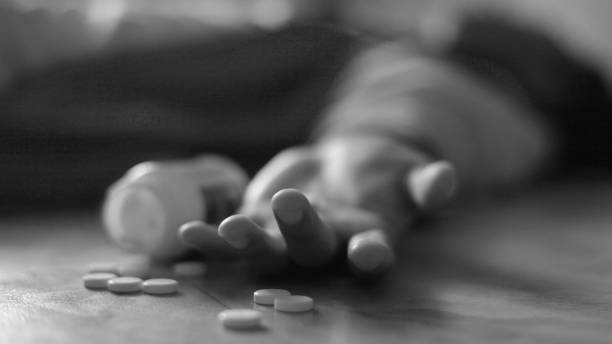
This guide explains what to do during a drug overdose, how Livasa Hospitals provides emergency addiction medicine and overdose care in Punjab, and how families can access immediate help. It is written for patients, caregivers and community members seeking clear, evidence-based steps, local resources and reassurance. If you are in immediate danger, call emergency services or the Livasa Hospitals helpline at +91 80788 80788 or book urgent care at Livasa Hospitals appointment.
A drug overdose occurs when someone takes a toxic amount of one or more substances—prescription medications, illicit drugs, or alcohol—resulting in life‑threatening physiological effects. Overdose may be accidental (for example, taking too much prescription opioid or mixing alcohol with sedatives), intentional (self-harm), or due to unknown potency (such as counterfeit pills or fentanyl-laced supplies). Overdose falls under the broader category of drug poisoning and is a medical emergency that requires rapid recognition and response.
Globally, drug-related deaths remain a major public health problem. International and regional reports have shown increasing fatalities from opioid misuse and synthetic narcotics over the past decade. In India and Punjab, health systems have seen rising numbers of severe substance poisoning and overdose emergencies presenting to hospitals, often involving opioids and poly‑substance use. At Livasa Hospitals (Livasa Mohali, Livasa Amritsar, Livasa Hoshiarpur and Livasa Khanna), our emergency addiction medicine teams are experienced in diagnosing, stabilizing and treating a wide range of narcotic overdose presentations and in coordinating ongoing addiction care.
Understanding what constitutes an overdose—its causes, typical signs and the immediate steps to take—can save a life. This guide will walk you through recognition, first-aid, hospital management, naloxone use, post-overdose care and prevention, with specific information for patients and families in Punjab seeking overdose treatment or emergency drug overdose treatment in cities such as Mohali, Amritsar, Ludhiana and Jalandhar.
Overdose can arise from a broad range of substances. Common causes include:
In Punjab and other parts of North India, opioid misuse and poly‑substance exposures have increased emergency presentations. The potency of illicit substances is unpredictable; even previously tolerated doses can become lethal when supplies are contaminated with fentanyl or other synthetic narcotics. Livasa Hospitals’ emergency teams have specific protocols to rapidly identify the likely agent, initiate life-saving treatment, and arrange toxicology testing when available.
Recognizing the substance involved helps direct treatment (for example, naloxone for opioid overdose). However, first-responder actions—airway, breathing and circulation support—are critical regardless of the agent. If possible, keep any packaging or samples and report quantity, timing and co-ingestants to clinicians when you reach emergency care or call our overdose helpline. This information can help Livasa Hospitals deliver appropriate emergency drug overdose treatment in Punjab and coordinate care across Livasa Mohali, Amritsar, Hoshiarpur and Khanna.
Symptoms vary by substance, dose and individual health, but there are recognizable red flags. Early recognition enables faster intervention and improved outcomes. Below, signs are categorized broadly; many overdoses involve mixed presentations.
If you observe any of the above—especially respiratory depression or unresponsiveness—act immediately. In Punjab cities like Mohali, Amritsar, Ludhiana and Jalandhar, families often call local hospitals or ambulance services. Livasa Hospitals provides 24/7 overdose care Punjab patients can rely on; our emergency medicine and critical care teams are trained to treat narcotic overdose Punjab cases, including opioid overdose Punjab, with rapid airway management, naloxone administration and advanced life support.
When possible, note the name/amount of substances, time of ingestion/injection, and any pre-existing conditions (for example, respiratory disease, liver disease or pregnancy). This information is important for clinicians to tailor therapy and anticipate complications.
A calm, methodical response can save a life. If you suspect an overdose, follow these steps while contacting emergency services or the Livasa Hospitals helpline (+91 80788 80788) or arranging transport to the nearest Livasa emergency department (Livasa Mohali, Livasa Amritsar, Livasa Hoshiarpur, Livasa Khanna).
If you cannot obtain naloxone, focus on airway and breathing support (rescue breaths, positioning) until emergency services arrive. In many cases, immediate supportive care and timely naloxone administration are the difference between full recovery and a fatal outcome.
When a patient arrives at Livasa Hospitals with suspected drug poisoning or overdose, our emergency addiction medicine protocol follows systematic, evidence-based steps to stabilize the patient and start definitive therapy. Our centers in Mohali, Amritsar, Hoshiarpur and Khanna maintain rapid response pathways to reduce delays in care.
Key ED interventions include:
Livasa Hospitals has access to multidisciplinary care: emergency physicians, toxicologists, intensivists, addiction medicine specialists and psychiatrists collaborate to deliver individualized overdose treatment in Punjab. Our teams also liaise with local poison control and community resources to ensure continuity of care. For families worried about the cost of overdose treatment Punjab, our patient coordinators will discuss likely care pathways and approximate charges to help plan financial arrangements and expedite treatment.
Naloxone is a competitive opioid receptor antagonist that rapidly reverses opioid-induced respiratory depression. It is the most important life-saving medication for opioid overdose and is recommended by WHO and national guidelines for community and emergency use. Naloxone comes as intranasal spray or injectable formulations; intranasal naloxone is easy for use by family members and first responders.
Typical points about naloxone:
Knowing how to access naloxone—“Naloxone near me Punjab”—and practicing administration can be lifesaving. For patients at high risk of opioid overdose, Livasa Hospitals offers preventive counseling, naloxone training and prescriptions when appropriate as part of emergency addiction services Punjab. If you need immediate naloxone advice, call +91 80788 80788.
Different overdoses require different treatments. The table below compares common emergency interventions used to treat overdoses so families understand benefits, indications and typical recovery times. These are generalizations—individual treatment plans at Livasa Hospitals are tailored to the patient's condition, substance involved and comorbidities.
| Treatment type | Benefits | Typical indications | Recovery time |
|---|---|---|---|
| Naloxone (intranasal/IV) | Rapid reversal of opioid respiratory depression | Opioid overdose with depressed breathing or unconsciousness | Minutes to hours (monitoring required) |
| Airway and ventilatory support | Restores oxygenation and prevents aspiration | Severe respiratory depression, coma, or aspiration risk | Hours to days (ICU may be required) |
| Activated charcoal | Limits GI absorption of recently ingested toxins | Oral overdose within a short time window | Usually monitored for 6–24 hours |
| Hemodialysis/extracorporeal removal | Removes toxins not cleared by other means | Severe poisoning with dialyzable substances | Days (depends on toxin and response) |
| Psychiatric and addiction interventions | Reduces repeat overdoses; supports recovery | Intentional overdose, repeated non-fatal overdose, substance use disorder | Weeks to months (ongoing therapy) |
The table highlights why timely transfer to an equipped emergency department is essential. At Livasa Hospitals, emergency teams rapidly determine the correct combination of antidote, supportive therapy and monitoring to optimize outcomes and reduce complications for overdose patients across Punjab.
Cost is an important practical concern for families seeking emergency overdose treatment. Actual charges vary by severity, required interventions (ICU, ventilation, dialysis), duration of hospitalization and investigations. Livasa Hospitals strives to make emergency care transparent and will provide approximate cost estimates on admission; our patient coordinators can explain financial options and facilitate insurance claims.
The table below gives comparative examples of typical care pathways and broad cost ranges one might encounter in Punjab settings. These ranges are indicative and will vary per individual case, hospital, and specific therapies required. Always consult Livasa Hospitals’ billing team for an accurate estimate tailored to your case.
| Care pathway | Common services included | Indicative cost range (INR) |
|---|---|---|
| Emergency stabilization only | ED care, naloxone if indicated, short observation (6–24 hrs) | 5,000–25,000 |
| ICU care with ventilation | Intubation, mechanical ventilation, critical care monitoring | 50,000–300,000+ (depends on duration) |
| Hemodialysis or extracorporeal therapy | Dialysis sessions, specialized monitoring | 10,000–50,000 per session |
| Inpatient detox and addiction care | Detox monitoring, counseling, medication-assisted therapy | 20,000–150,000+ depending on stay length |
Livasa Hospitals also assists with ambulance services for overdose transfer and can coordinate rapid admission to our emergency departments in Mohali, Amritsar, Hoshiarpur and Khanna. For urgent transport, call our helpline +91 80788 80788 so we can dispatch assistance and prepare the ED team.
Surviving an overdose is a critical opportunity to connect patients with addiction treatment and reduce future risk. Post-overdose care includes medical follow-up, psychiatric assessment, addiction counselling and, when appropriate, medication-assisted treatment (MAT). Livasa Hospitals’ multidisciplinary addiction emergency Punjab services emphasize stabilizing physical health, addressing mental health needs and creating individualized recovery plans.
Elements of effective post-overdose care:
Livasa Hospitals offers structured overdose recovery programs including inpatient stabilization, outpatient follow‑up, counselling, family therapy and community referrals. We aim to reduce the chance of repeat overdose by making evidence-based addiction treatment accessible across our network in Punjab. For immediate post-overdose counselling or to learn about Livasa Hospitals overdose recovery program and addiction emergency Punjab services, contact +91 80788 80788.
Preventing overdose involves education, harm reduction and timely access to treatment. Families and communities in Punjab can take practical steps to reduce risk and be prepared to respond when needed. Livasa Hospitals partners with local organizations to promote prevention strategies and community-level access to naloxone and addiction services.
Practical prevention strategies:
If you are worried about a loved one or need immediate guidance about overdose care near me Punjab, call Livasa Hospitals at +91 80788 80788 or book an appointment at https://www.livasahospitals.com/appointment. Our team can advise on local poison control resources, outpatient addiction programs, and inpatient options across Livasa Mohali, Livasa Amritsar, Livasa Hoshiarpur and Livasa Khanna.
Families often have urgent questions when facing an overdose situation. Below are concise answers to the most common concerns, followed by actionable next steps.
Key takeaways: rapid recognition, immediate airway support and naloxone for opioid overdose are lifesaving. After stabilization, connect with addiction services to reduce the risk of recurrence.
Livasa Hospitals offers 24/7 overdose care in Punjab with emergency addiction medicine teams across Livasa Mohali, Livasa Amritsar, Livasa Hoshiarpur and Livasa Khanna. If you need urgent assistance for a suspected drug overdose, call +91 80788 80788 now or book emergency care online.
We provide naloxone administration, critical care, psychiatric evaluation and long-term addiction recovery planning. Families and community groups can request naloxone training and overdose prevention workshops through our patient education team.
Disclaimer: This guide provides general information and is not a substitute for emergency medical care. If you suspect an overdose, seek immediate medical attention. Statistics and examples in this article reflect general trends; local public health data and clinical practice may evolve. For location-specific advice, contact Livasa Hospitals at +91 80788 80788 or visit https://www.livasahospitals.com/appointment.
Obesity and Joint Replacement: Weight and BMI Guidelines in Amritsar
Diabetes, Heart Disease and Joint Replacement: Multispeciality Care in Amritsar
Home Modifications After Joint Replacement: Safety Tips for Amritsar Patients
Livasa Healthcare Group Corporate Office,Phase-8, Industrial Area, Sector 73, Sahibzada Ajit Singh Nagar, Punjab 160071
| Mohali | +91-99888 23456 |
| Amritsar | +91-99887 49494 |
| Hoshiarpur | +91-99883 35353 |
| Nawanshahr | +91-75081 82337 |
| Khanna | +91-98888 05394 |
