03 Aug 2026
Obesity and Joint Replacement: Weight and BMI Guidelines in Amritsar

Dr. Harinder K Bali
30 Oct 2025
Call +91 80788 80788 to request an appointment.
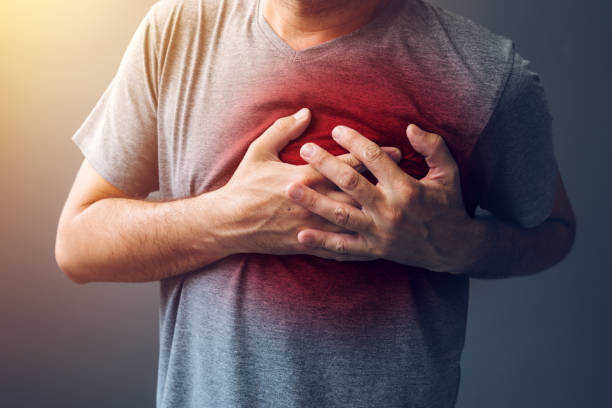
This comprehensive guide helps patients, families and caregivers in Punjab understand what to do during a cardiac emergency. It explains heart attack basics, how to recognise symptoms, step-by-step first-aid actions, emergency medical response pathways at Livasa Hospitals and best practices for recovery and prevention. If you are in Punjab and suspect a heart attack, every minute matters — use the phone number +91 80788 80788 or book an appointment for non-emergent cardiology concerns, but for an active emergency call emergency services immediately.
A heart attack, medically known as myocardial infarction, happens when blood flow to part of the heart muscle is suddenly blocked. This is most often due to a blood clot forming on an atherosclerotic plaque within a coronary artery. When a section of the heart muscle is deprived of oxygen-rich blood, the muscle can become irreversibly damaged unless blood flow is restored promptly. A heart attack is a type of cardiac emergency, distinct from cardiac arrest, although the two may occur together.
There are common clinical subtypes:
Causes and triggers include long-term atherosclerotic disease, sudden plaque rupture, severe coronary artery spasm, or an embolus. Acute stress, uncontrolled hypertension, heavy physical exertion in sedentary people, cocaine use and severe anemia or infection may precipitate an acute event. In Punjab and across India, traditional risk factors such as smoking, diabetes, high blood pressure, obesity and sedentary lifestyle contribute substantially to the burden of heart attack emergencies.
Recognising heart attack symptoms quickly is the first step to saving heart muscle and lives. Classic symptoms include persistent chest discomfort, pressure, heaviness, squeezing or burning that may last for minutes and may radiate to the left arm, neck, jaw or back. However, symptoms vary widely by age, sex and medical history — and some people have minimal or atypical symptoms.
Typical symptoms:
Atypical presentations are important to know, particularly in Punjab where diabetes and older age are common:
If you notice any of these symptoms, especially sudden chest pain or severe shortness of breath, treat it as a cardiac emergency. In Punjab, many patients delay hospital arrival; timely recognition and prompt action — calling local emergency services or heading to a nearby emergency heart care centre such as Livasa Mohali, Livasa Amritsar, Livasa Hoshiarpur or Livasa Khanna — can preserve heart function and reduce mortality.
Acting promptly during the first minutes after symptom onset is crucial. The following step-by-step actions are intended for laypersons and caregivers. When in doubt, assume cardiac origin and seek emergency help.
Some specific tips for those in Punjab: know your nearest Livasa centre for emergency cardiology — reach out to Livasa Mohali or Livasa Amritsar in advance to understand ambulance network and referral routes. Communities with faster ambulance arrival and bystander action see better outcomes.
When a heart attack progresses to cardiac arrest, immediate resuscitation can save life. Cardiac arrest occurs when the heart suddenly stops pumping effectively, often due to ventricular fibrillation or pulseless ventricular tachycardia. Bystander CPR and early defibrillation are the two most important determinants of survival until advanced care arrives.
Basic steps for bystander CPR (adult):
Studies consistently show that bystander CPR can double or triple a person's chance of survival from out‑of‑hospital cardiac arrest. In regions where public awareness and AED availability are limited, survival is lower — which is why Livasa Hospitals promotes community training and rapid response pathways across Mohali, Amritsar, Hoshiarpur and Khanna.
| Intervention | Primary benefit | When used |
|---|---|---|
| Hands‑only CPR | Easy to perform; immediately restores some blood flow | Untrained bystanders in out‑of‑hospital arrest |
| CPR with rescue breaths | Provides oxygen and circulation | Trained responders; children or drowning cases |
| AED | Delivers defibrillating shock to restore rhythm | Shockable rhythms — early in arrest |
Once the patient reaches the emergency department, the aim is rapid diagnosis and initiation of reperfusion therapy for patients with occlusive coronary disease. The standard sequence includes rapid triage, immediate 12‑lead ECG, blood tests (cardiac troponins), oxygen and pain control as needed and activation of the cath lab for suspected STEMI.
Time metrics are critical:
Two main reperfusion strategies:
| Procedure type | Benefits | Recovery time |
|---|---|---|
| Primary percutaneous coronary intervention (PCI) | Best vessel patency, lower re‑occlusion and complication rates | 24–72 hours hospital stay typical; recovery weeks to months |
| Thrombolysis (clot‑busting drugs) | Rapid, widely available; useful where PCI delay is expected | Hospital stay 3–5 days typical; recovery varies |
| Coronary artery bypass grafting (CABG) | Used for multivessel disease or complex anatomy | Longer recovery 4–12 weeks |
In Punjab, timely transfer to a PCI-capable hospital like Livasa Mohali or Livasa Amritsar significantly improves outcomes for STEMI patients. If primary PCI cannot be performed within guideline-recommended times, thrombolysis should be given without delay and followed by transfer for evaluation (pharmaco-invasive strategy).
People sometimes confuse heart attack and cardiac arrest. A heart attack is a circulation problem: blockage in a coronary artery causing heart muscle damage. Cardiac arrest is an electrical problem: the heart suddenly stops pumping due to arrhythmia. A heart attack can cause a cardiac arrest if the electrical stability of the heart is lost.
Treatments differ:
Survival after out-of-hospital cardiac arrest is generally low globally, often in the single digits as a percentage. However, coordinated community response with early bystander CPR and rapid defibrillation can raise survival substantially. Livasa Hospitals’ emergency cardiology teams train with local EMS to improve chain-of-survival performance across Punjab.
Surviving an acute heart attack is the start of a recovery journey. Post‑MI care aims to stabilise the patient, prevent complications and reduce risk of recurrence. This includes medications, lifestyle changes and a structured cardiac rehabilitation programme.
Typical medical therapies started after heart attack include:
Cardiac rehabilitation is a multi-disciplinary programme covering exercise prescription, nutrition, risk-factor control, psychosocial support and education. Evidence shows that participation in cardiac rehabilitation reduces mortality, improves functional capacity and enhances quality of life. Livasa Hospitals provide tailored cardiac rehab services at centres in Punjab to guide safe, graded return to activity and long-term risk reduction.
Preventive cardiology is critical. Many heart attacks are preventable by addressing modifiable risks. In Punjab, high prevalence of tobacco use, diabetes and hypertension means targeted community prevention is vital. Prevention strategies are both individual and population-based.
Key prevention measures:
Community efforts in Punjab — tobacco control, diabetes camps, blood pressure screening and public education on chest pain — reduce the incidence of myocardial infarction emergencies. Livasa Hospitals participate in awareness drives and community screening in Mohali, Amritsar, Hoshiarpur and Khanna to lower the regional burden of cardiac events.
When a heart attack occurs, choosing a capable emergency cardiology centre is essential. Livasa Hospitals operate dedicated emergency cardiology services in Punjab with a clear focus on rapid triage, advanced interventions and coordinated post‑discharge care. Our network includes Livasa Mohali, Livasa Amritsar, Livasa Hoshiarpur and Livasa Khanna, and we offer 24/7 heart attack emergency response.
Key components of Livasa’s heart attack response:
For immediate assistance or to discuss emergency cardiology arrangements in your area, contact Livasa Hospitals at +91 80788 80788 or book an appointment. If you or someone near you is experiencing chest pain or symptoms of a heart attack in Punjab, do not delay — call emergency services and head to the nearest Livasa emergency cardiology facility.
If you suspect a heart attack: Call emergency services immediately, chew an aspirin if appropriate, keep the person calm and comfortable, and activate your nearest Livasa Hospitals emergency pathway by calling +91 80788 80788. For non‑emergent cardiology follow‑up or queries about cardiac rehab, book online.
Livasa Hospitals locations serving Punjab: Livasa Mohali, Livasa Amritsar, Livasa Hoshiarpur, Livasa Khanna.
Cardiovascular disease remains the leading cause of death globally and is a major health burden in India and Punjab. Global estimates from the World Health Organization place cardiovascular deaths at nearly 18 million annually. In India, ischemic heart disease is consistently a top cause of mortality and disability — accounting for a substantial proportion of premature deaths. In Punjab, high prevalence of risk factors such as hypertension, diabetes and tobacco use contributes to elevated rates of heart disease and myocardial infarction emergencies.
Why timeliness matters:
Livasa Hospitals’ emphasis on rapid response, public education and comprehensive post‑MI care is designed to reduce the local burden of myocardial infarction emergency and improve survival and quality of life across Punjab.
Below are concise answers to common concerns related to heart attack emergency and care.
Heart attack emergencies require swift recognition and decisive action. Knowing the symptoms, performing immediate first aid (including aspirin and CPR when needed), and rapidly accessing specialised care are proven ways to reduce deaths and disability. Livasa Hospitals in Punjab are committed to delivering rapid, evidence‑based emergency cardiology — from the moment you call +91 80788 80788 to advanced interventions and comprehensive rehabilitation. Save this guide, share it with loved ones, and help build a safer community by learning CPR and the signs of heart attack.
For immediate emergency assistance or questions about emergency cardiology services at Livasa Hospitals, call +91 80788 80788 or book an appointment for non-emergency consultations. Your quick action can make the difference between life and death.
Disclaimer: This educational content is provided for general information only and does not replace professional medical advice. If you suspect a heart attack, call emergency services immediately.
Obesity and Joint Replacement: Weight and BMI Guidelines in Amritsar
Diabetes, Heart Disease and Joint Replacement: Multispeciality Care in Amritsar
Home Modifications After Joint Replacement: Safety Tips for Amritsar Patients
Livasa Healthcare Group Corporate Office,Phase-8, Industrial Area, Sector 73, Sahibzada Ajit Singh Nagar, Punjab 160071
| Mohali | +91-99888 23456 |
| Amritsar | +91-99887 49494 |
| Hoshiarpur | +91-99883 35353 |
| Nawanshahr | +91-75081 82337 |
| Khanna | +91-98888 05394 |
