03 Aug 2026
Obesity and Joint Replacement: Weight and BMI Guidelines in Amritsar

Dr. Puneet Kumar
30 Oct 2025
Call +91 80788 80788 to request an appointment.
Speciality: Emergency care / Emergency psychiatry. Centers: Livasa Mohali, Livasa Amritsar, Livasa Hoshiarpur, Livasa Khanna. For immediate assistance call +91 80788 80788 or book an appointment at Livasa Hospitals appointment.
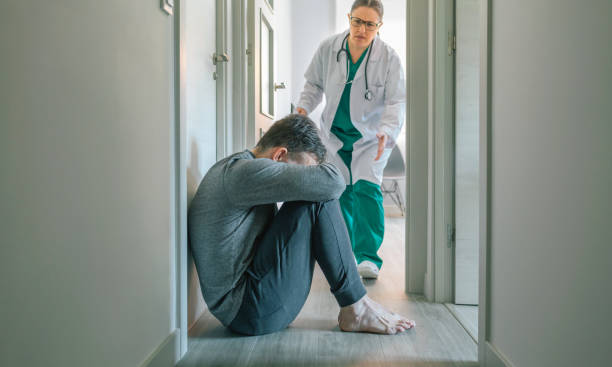
Mental health emergencies are time-sensitive events that require rapid, skilled response to protect the safety and wellbeing of the person in crisis and those around them. This guide is designed to help patients, families and first responders in Punjab recognize, respond to and navigate psychiatric emergencies at Livasa Hospitals. Across India and in Punjab specifically, demand for emergency mental health services has been increasing, driven by stressors such as economic pressure, pandemic-related trauma, substance misuse and social isolation. Timely and structured emergency care can prevent harm, reduce the need for prolonged inpatient stays, and ensure a swift step-down to appropriate outpatient support.
At Livasa Hospitals in Punjab we offer dedicated emergency psychiatry services designed to manage a wide range of psychiatric crises: suicidal behaviour, severe depression with psychomotor retardation or agitation, acute psychosis, severe anxiety and panic attacks, substance-induced emergencies, and severe behavioural disturbances. This guide explains what constitutes a mental health emergency, practical steps to take before arrival at a hospital, the kinds of assessment and treatment you can expect at Livasa Hospitals, and community resources in Punjab for prevention and ongoing care.
Throughout this article you will find clear, actionable advice for families and caretakers, comparisons of treatment options, and local information tailored to Livasa Hospitals in Mohali, Amritsar, Hoshiarpur and Khanna. We emphasize patient safety, compassion and evidence-based practices. If you suspect an immediate danger to life or well-being, call emergency services and contact Livasa Hospitals at +91 80788 80788 or visit your nearest Livasa emergency department for psychiatric emergency evaluation in Punjab.
A mental health emergency is any psychiatric or behavioral situation where a person is at immediate risk of harming themselves or others, or is unable to care for basic needs because of severe impairment in thinking, mood, perception or behavior. These crises range in severity and cause, and can be new-onset psychiatric symptoms or an acute exacerbation of a chronic mental illness. Common categories include:
Causes vary widely. Biological contributors include major mood disorders (major depressive disorder, bipolar disorder), psychotic disorders (schizophrenia spectrum), neurological conditions, metabolic disturbances and intoxication or withdrawal from substances. Psychosocial precipitants often play a role: acute bereavement, interpersonal conflict, financial crises, workplace stress, trauma, or social isolation. Importantly, emergencies can occur in people with no previous psychiatric history.
In Punjab, psychiatric emergency presentations have been seen increasingly in urban centers such as Mohali and Amritsar as well as rural districts. Many patients or families are uncertain when to seek immediate help. This section clarifies why immediate professional evaluation is necessary: psychiatric crises may quickly escalate, and early interventions at an emergency psychiatry facility reduce morbidity and improve outcomes.
Recognizing early warning signs of a psychiatric crisis empowers families to act before a situation becomes life-threatening. Signs may be behavioral, cognitive or physical. Behavioral indicators include sudden withdrawal from social roles, reckless or impulsive acts (driving dangerously, giving away possessions), escalating aggression or threats, and self-harm gestures. Cognitive signs include confusion, hallucinations, persecutory or grandiose delusions, disorganized speech, inability to make simple decisions and marked decline in attention or awareness.
Physical and emotional symptoms often accompany psychiatric emergencies: intense agitation, tremors, profuse sweating, chest pain-like sensations during panic attacks, severe insomnia, complete refusal to eat or drink, and marked psychomotor changes (either extreme slowing or hyperactivity). For substance-related crises, look for altered consciousness, abnormal vital signs, seizure activity or withdrawal signs such as tremors, delirium tremens or confusion.
Certain statements or behaviours require immediate action. These include:
For parents and caregivers in Punjab, signs in children and adolescents can differ: sudden change in school performance, reckless behaviour, unexplained somatic complaints, social withdrawal, or extreme irritability. In older adults, confusion, new-onset agitation, fall risk, and refusal of medications may be prominent signs of a psychiatric or medical emergency requiring urgent evaluation.
If you observe any of these signs, don’t wait. Contact emergency services, bring the person to the nearest Livasa Hospitals emergency department (Livasa Mohali, Amritsar, Hoshiarpur or Khanna), or call +91 80788 80788 for guidance on immediate psychiatric emergency care in Punjab.
Immediate actions taken by family members, friends or first responders can be life-saving. The priority is to ensure safety, reduce stimulus and get professional help. The following step-by-step guidance is intended for use in Punjab communities while arranging transport to Livasa Hospitals or calling local emergency services:
If immediate risk is low but concerning symptoms persist (worsening mood, escalating panic, repeated suicidal ideation without plan), families can seek urgent psychiatric consultation at Livasa Hospitals as a walk-in or by booking via our appointment portal. Livasa Hospitals provide 24/7 psychiatric emergency services in Punjab and collaborate with crisis intervention teams to provide transport, rapid assessment and safe admission when needed.
Livasa Hospitals has structured emergency psychiatry pathways across its Punjab centres—Livasa Mohali, Livasa Amritsar, Livasa Hoshiarpur and Livasa Khanna. These services are designed for rapid triage, comprehensive psychiatric emergency evaluation, short-term stabilization and safe transition to outpatient or inpatient care. Key features include:
When a patient arrives at Livasa Hospitals for psychiatric emergency care in Punjab, the process typically involves a combined medical and psychiatric evaluation to exclude treatable medical causes (metabolic disturbances, infections, intoxication). The emergency team stabilizes the patient medically, begins psychiatric risk mitigation (safe environment, medications if indicated), and discusses options such as outpatient follow-up, short observational stays in a crisis stabilization unit, or formal inpatient psychiatric admission.
Livasa Hospitals emphasises family involvement in planning, clear communication about treatment options and transparent information about costs and admission procedures—important for families in Punjab navigating emergency psychiatric admission. For immediate directions to the nearest Livasa emergency psychiatry service, call +91 80788 80788.
Emergency psychiatric care follows a structured assessment and evidence-based treatments tailored to the presenting crisis. The assessment includes: medical stabilization, psychiatric history, mental state examination, suicide and violence risk assessment, substance use evaluation, and collateral history from family or caregivers. After this, the team decides on immediate and short-term treatment options.
Treatments commonly used in emergency psychiatry include pharmacological approaches (rapid tranquilization, antipsychotics, benzodiazepines for severe anxiety or alcohol withdrawal), brief psychotherapeutic interventions (crisis counselling, safety planning), electroconvulsive therapy (ECT) for life-threatening depression or catatonia, and admission to a crisis stabilization unit for observation. When substance misuse is the cause, medical detoxification and addiction medicine input are essential. Safety planning and arranging urgent outpatient follow-up are critical components of discharge.
Below is a comparison table to help families understand how treatment options differ in benefits and expected recovery time:
| Treatment type | When used | Benefits | Expected stabilization/recovery |
|---|---|---|---|
| Rapid pharmacological stabilization (antipsychotics, benzodiazepines) | Severe agitation, psychosis, acute anxiety, withdrawal | Fast symptom control, reduces immediate risk | Hours to days |
| Crisis counselling and safety planning | Suicidal ideation without ongoing medical risk | Improves coping, reduces immediate suicidal intent | Immediate and ongoing outpatient support |
| ECT (electroconvulsive therapy) | Severe, treatment-resistant depression, catatonia | Rapid antidepressant effect, life-saving in severe cases | Days to weeks (depending on course) |
| Inpatient admission | High suicide risk, inability to care for self, severe psychosis | 24/7 monitoring, structured therapy, medication management | Days to weeks |
An important part of emergency management is the suicide risk assessment. This is a structured interview that evaluates intent, plan, available means, previous attempts, protective factors, and the immediacy of risk. Livasa Hospitals follow national and international best-practice protocols for suicide prevention and psychiatric crisis intervention. For conditions like severe alcohol withdrawal, physical stabilization and medical detoxification are priorities before psychiatric care can proceed safely.
Families should be informed about medication benefits and side effects, and the expected route of care: outpatient follow-up, day programs, or inpatient admission. Livasa Hospitals provide clear discharge instructions, emergency contact numbers and rapid access to follow-up psychiatric appointments across Punjab.
Early intervention reduces harm. Where available, psychiatric crisis intervention teams (PCIT) are multidisciplinary groups—psychiatrists, psychiatric nurses, social workers and trained crisis counsellors—who provide outreach, triage and follow-up. Livasa Hospitals works collaboratively with local community resources and emergency medical services to coordinate timely transfers and safe discharges.
Key community resources and supports include:
For residents of Punjab searching for “psychiatric emergency near me Punjab” or “immediate psychiatric help near me Punjab,” Livasa Hospitals provides clear pathways including emergency psychiatric evaluation Livasa Hospitals Punjab and coordination with local crisis teams. Families frequently ask about how to contact a psychiatric crisis team in Punjab—start by calling Livasa’s emergency line at +91 80788 80788 for fast triage and advice.
Legal and social considerations may arise during emergencies: involuntary admission laws, capacity assessments, and police involvement. Livasa Hospitals’ teams are experienced in handling these sensitive situations while protecting patient rights, ensuring appropriate documentation, and liaising with legal authorities when necessary.
Psychiatric emergencies present differently across the lifespan and require age-appropriate strategies. Children and adolescents may display irritability, sudden school refusal, self-harm behaviours, or intense mood swings. In adolescents, risk-taking and impulsive suicidal acts may escalate quickly. At Livasa Hospitals in Punjab, pediatric psychiatric emergency evaluations include close family interviews, developmental history and liaison with paediatric services for medical comorbidities.
Geriatric emergencies often include delirium, new-onset psychosis secondary to medical illness, medication interactions, or severe depression with risk of self-neglect. Older adults may underreport symptoms; sudden functional decline or falls can be a sign of an underlying psychiatric or medical emergency. Livasa’s geriatric mental health pathways ensure medical workup alongside psychiatric assessment.
Substance-induced psychiatric emergencies are common—intoxication or withdrawal can cause hallucinations, severe agitation, seizures or delirium. Management requires integration of emergency medicine, psychiatry and addiction specialists to detoxify safely and address psychiatric symptoms. Below is a comparison highlighting differences in approach for these populations:
| Population | Typical presentation | Key emergency considerations |
|---|---|---|
| Children and adolescents | Self-harm, severe behavioural changes, acute anxiety | Family involvement, safeguarding, paediatric medical workup, age-appropriate psychotherapy |
| Geriatric patients | Delirium, falls, new cognitive decline, depression | Search for medical causes, careful medication review, fall risk management, social support planning |
| Substance-related | Intoxication, withdrawal, overdose, agitation | Medical stabilization, detoxification, addiction specialist involvement, safety monitoring |
Livasa Hospitals provide targeted pathways for these groups in Punjab. For example, a child or adolescent presenting to Livasa Mohali with self-harm will receive a paediatric medical exam, psychiatric risk assessment and a family-centred safety plan. Elderly patients at Livasa Amritsar receive combined geriatric medicine and psychiatry assessment to identify reversible causes such as infection or medication toxicity.
Preventing recurrent psychiatric emergencies requires structured follow-up, accessible outpatient care and social supports. After stabilization and discharge from an emergency visit or inpatient admission at Livasa Hospitals, the team prepares a clear discharge plan that commonly includes: scheduled follow-up with a psychiatrist, initiation or adjustment of medications, referral to psychotherapy, social work support for housing or financial challenges, and community resources for substance misuse if relevant.
Evidence-based prevention strategies include early outpatient engagement, family psychoeducation, medication adherence support, and safety planning. Telepsychiatry and phone check-ins are increasingly used to bridge gaps in service—Livasa Hospitals offer urgent telepsychiatry consultations for patients across Punjab who cannot travel immediately to a centre.
Cost and access questions are important. Emergency psychiatric evaluation costs vary depending on the extent of medical testing, observation or inpatient admission. Livasa Hospitals strive for transparent communication about fees, and our staff can guide you on insurance coverage, government schemes and payment options. For questions about the cost of emergency psychiatry consultation in Punjab or the cost of inpatient psychiatric emergency care, contact Livasa Hospitals at +91 80788 80788 or visit our booking page.
Long-term strategies to reduce future crises include:
Understanding the scope of psychiatric emergencies helps communities plan services. Globally, the World Health Organization estimates several hundred thousand deaths by suicide annually; suicide remains a leading cause of death among young people worldwide. Within India, national data show a substantial burden of suicide and mental health conditions requiring emergency care. Many studies estimate psychiatric presentations make up a meaningful portion of emergency department visits; while the exact percentage varies by centre, psychiatric and behavioural emergencies are a consistent and growing part of acute care workload.
In Punjab, socio-economic stresses, agricultural distress in some areas, and shifting family structures have contributed to mental health morbidity. Local demand for urgent psychiatric consultation and crisis stabilization has increased in urban centres such as Mohali and Amritsar and in district hospitals across Hoshiarpur and Khanna. Livasa Hospitals’ expansion of emergency psychiatry services across Punjab reflects this need: we provide walk-in psychiatric emergency Punjab care, 24/7 psychiatric emergency Punjab access, and coordinated community outreach.
While national and global statistics highlight trends, individual action matters most. Timely recognition and access to emergency psychiatric evaluation—whether keyword searches like “psychiatric emergency near me Punjab” or calling local hospitals—are critical first steps toward preventing tragedy. If you are in Punjab and concerned about imminent risk, call Livasa Hospitals at +91 80788 80788 or visit a Livasa emergency department immediately.
Families often have practical concerns when faced with a psychiatric emergency. Below are commonly asked questions and clear answers to help guide decisions in Punjab:
For additional FAQs or to arrange urgent mental health urgent care Livasa Hospitals Punjab, use the appointment link or call our emergency number. Our staff will guide you on transport, triage and expected next steps for psychiatric crisis intervention.
Mental health emergencies are serious but treatable conditions. Rapid recognition, calm initial response, and immediate access to emergency psychiatric services improve outcomes and save lives. Livasa Hospitals is committed to delivering compassionate, evidence-based emergency psychiatry care across Punjab through our centres at Livasa Mohali, Livasa Amritsar, Livasa Hoshiarpur and Livasa Khanna. Whether you are searching for “mental health emergency Livasa Hospitals Punjab”, “psychiatric emergency Livasa Hospitals Punjab” or “immediate psychiatric help near me Punjab,” call +91 80788 80788 for rapid triage and direction to the appropriate Livasa facility.
Remember these core actions: ensure immediate safety, avoid confrontation, call for professional help, and bring essential medical and psychiatric information to the hospital. After stabilization, engage with outpatient services, follow discharge instructions, and maintain open communication with providers to reduce recurrence of crises.
Emergency contact (24/7): +91 80788 80788
Book urgent consultation: https://www.livasahospitals.com/appointment
Livasa locations in Punjab: Livasa Mohali, Livasa Amritsar, Livasa Hoshiarpur, Livasa Khanna.
If you or a loved one are experiencing a mental health emergency in Punjab—do not hesitate. Contact Livasa Hospitals at +91 80788 80788 or visit your nearest Livasa emergency department for immediate psychiatric emergency evaluation, crisis stabilization and compassionate, expert care.
Note: This guide provides general information and is not a substitute for professional medical advice. In emergencies, seek immediate medical attention.
Obesity and Joint Replacement: Weight and BMI Guidelines in Amritsar
Diabetes, Heart Disease and Joint Replacement: Multispeciality Care in Amritsar
Home Modifications After Joint Replacement: Safety Tips for Amritsar Patients
Livasa Healthcare Group Corporate Office,Phase-8, Industrial Area, Sector 73, Sahibzada Ajit Singh Nagar, Punjab 160071
| Mohali | +91-99888 23456 |
| Amritsar | +91-99887 49494 |
| Hoshiarpur | +91-99883 35353 |
| Nawanshahr | +91-75081 82337 |
| Khanna | +91-98888 05394 |
