03 Aug 2026
Obesity and Joint Replacement: Weight and BMI Guidelines in Amritsar

Dr. Puneet Kumar
29 Oct 2025
Call +91 80788 80788 to request an appointment.
This comprehensive guide explains what skin cancer is, how to prevent it, how to perform skin self-examination step by step, and when to seek professional dermatology screening. It also highlights the services available at Livasa Hospitals—Livasa Mohali, Livasa Amritsar, Livasa Hoshiarpur, and Livasa Khanna—and how to book skin cancer screening Livasa Hospitals or call +91 80788 80788. This article is written for readers across Punjab (including Ludhiana, Jalandhar, Patiala, Bathinda, and Mohali) and is intended to help families and individuals take practical steps for melanoma prevention and non-melanoma skin cancer prevention.
Skin cancer is the uncontrolled growth of abnormal skin cells. Most cases originate in skin exposed to ultraviolet (UV) radiation from the sun or tanning devices. The two broad categories are non-melanoma skin cancers—primarily basal cell carcinoma (BCC) and squamous cell carcinoma (SCC)—and melanoma, which is less common but more likely to spread and become life-threatening if not detected early. BCC and SCC arise from different layers of the epidermis and are often highly treatable when detected early; melanoma arises from pigment-producing cells (melanocytes) and requires urgent attention.
Common causes include long-term sun exposure, occasional intense sunburns (especially in childhood), use of indoor tanning devices, a history of severe sunburns, immunosuppression, and certain genetic predispositions. Skin cancers can also form in areas not regularly exposed to sunlight, particularly in individuals with a genetic risk or light skin. Early detection through skin examination and dermatology screening is critical for successful outcomes and is part of effective skin cancer prevention strategies.
Key takeaway: Not all lumps or pigmented spots are cancer, but understanding the types and causes helps patients and families in Punjab decide when to seek mole screening Livasa Hospitals or other dermatology screening Livasa Hospitals services.
Skin cancer results from DNA damage in skin cells. The most important and modifiable cause is ultraviolet radiation from the sun and artificial sources. Repeated UV exposure causes cumulative damage; intermittent intense exposures causing sunburns—particularly in childhood—increase melanoma risk. Other important risk factors include:
In Punjab, outdoor workers (farmers, construction workers, traffic police) often experience prolonged UV exposure, which makes sun protection tips Punjab highly relevant. The UV index in Punjab can reach very high levels in summer (commonly 8–12), magnifying risk for those living in or visiting Mohali, Amritsar, Hoshiarpur, Khanna, Ludhiana, and nearby cities. Regular dermatology screening Livasa Hospitals and workplace sun protection measures are key public health steps to reduce incidence.
Identifying early signs of melanoma and non-melanoma skin cancer improves outcomes. Watch for new or changing skin lesions and follow the 'ABCDE' guide for melanoma warning signs:
Non-melanoma skin cancers often present differently:
Other symptoms include sudden pigmentation in existing moles, nodules under the skin, or lesions which do not heal in several weeks. Families in Punjab should be especially vigilant during summer months when UV exposure increases. If you notice any suspicious spot, book a skin cancer screening Livasa Hospitals or call +91 80788 80788 for guidance. Early dermatology screening, mole screening, or biopsy at Livasa can determine whether a lesion is benign, pre-cancerous, or malignant and guide timely treatment.
Regular skin self-examination empowers early detection. Dermatologists recommend monthly self-checks and annual professional skin examination, or sooner if you have risk factors. Follow these step-by-step instructions for a thorough skin self-examination:
For those in Punjab seeking professional confirmation, Livasa Hospitals offers comprehensive services: mole screening Livasa Hospitals, full body skin examination cost Punjab estimates, and dermatology mole screening near me options for Ludhiana, Amritsar, Jalandhar, and Mohali residents. A structured approach to self-examination combined with regular dermatology screening reduces the risk of late diagnosis and improves melanoma prevention across the region.
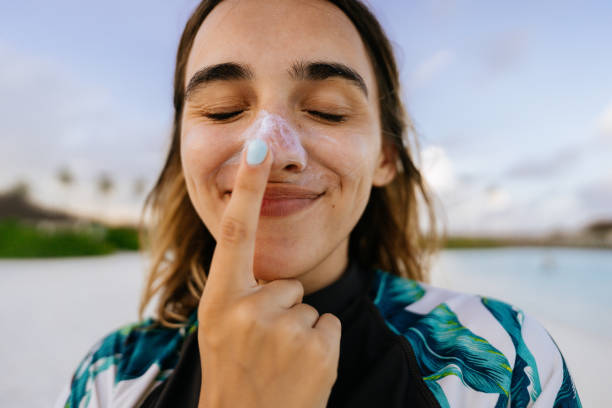
Effective sun protection is the cornerstone of skin cancer prevention. In Punjab, where summers are intense and the UV index is often high, practical UV protection advice Punjab includes year-round measures. Here are evidence-based sun protection strategies:
Best sunscreen for Indian skin often depends on skin type. For oily or acne-prone skin, oil-free non-comedogenic formulas and chemical filters (avobenzone, mexoryl) or micronized zinc for physical protection are good options. For dry or sensitive skin, creams with added moisturizers and mineral filters (zinc oxide, titanium dioxide) are preferred. Livasa Hospitals dermatology clinics in Mohali and Amritsar can advise on appropriate sunscreens and personalized sun safety plans for patients of all ages.
Early detection through regular dermatology screening Livasa Hospitals is vital. Livasa offers mole screening and full-body skin examination services at Livasa Mohali, Livasa Amritsar, Livasa Hoshiarpur, and Livasa Khanna. Services include clinical skin examination, dermoscopy (non-invasive magnified skin imaging), photographic mole mapping for longitudinal monitoring, biopsy and histopathology when needed, and multidisciplinary review with oncologists and plastic surgeons.
When to book a screening:
Livasa Mohali and Livasa Amritsar also provide patient education on skin health, UV protection, and long-term mole monitoring plans. For convenience, patients can book skin cancer screening appointment Livasa Hospitals online or call +91 80788 80788. Residents searching “skin cancer screening near me Punjab” or “dermatology mole screening near me” will find Livasa centres offering accessible, evidence-based care.
Treatment depends on the type, size, location, and stage of skin cancer. Non-melanoma lesions are often managed with local procedures, while melanoma requires staged management and sometimes systemic therapy. Below is a clear comparison of common procedures and their typical benefits and recovery times to help patients understand choices. If you're in Punjab and need accurate recommendations, consult the dermatology team at Livasa Hospitals for personalized care.
| Procedure type | Benefits | Recovery time |
|---|---|---|
| Cryotherapy | Quick office procedure for superficial lesions; minimal equipment. | Days to weeks (site heals over 1–3 weeks). |
| Surgical excision | Complete removal with histological margin assessment; standard for many cancers. | 1–2 weeks for initial healing; stitches removed in 7–14 days. |
| Mohs micrographic surgery | Tissue-sparing, highest cure rate for facial or recurrent tumors. | Same day procedure but site may require reconstructive healing 1–3 weeks. |
| Topical therapies (imiquimod, 5-FU) | Non-invasive for superficial lesions; suitable for small areas. | Weeks to months (treatment course varies). |
| Systemic therapy (immunotherapy, targeted therapy) | Used for advanced or metastatic melanoma; can prolong survival. | Varies—ongoing treatment with monitoring for side effects. |
| Laser and cosmetic procedures | Useful for precancerous lesions, cosmetic refinement after excision. | Days to weeks depending on depth. |
The Livasa multidisciplinary team will discuss pros and cons of each option—balancing cure rates, cosmetic outcome, and recovery time. For lesions in cosmetically sensitive areas (face, hands), tissue-preserving methods like Mohs may be recommended. For superficial lesions, topical therapy or cryotherapy may be appropriate. Always ask about expected follow-up, histopathology reports, and sun protection advice after treatment.
Cost is often a concern. Fees vary by procedure, complexity, and location. Below is a general cost comparison for common services in Punjab; these are approximate ranges to guide planning. For precise quotes, contact Livasa Hospitals—costs depend on pathology, need for reconstruction, and hospital stay if required. You can book mole screening Livasa Hospitals online or call +91 80788 80788 for an accurate estimate.
| Service | Typical cost range (Punjab, INR) | Notes |
|---|---|---|
| Dermatology consultation / dermoscopy | ₹500–₹2,000 | Depends on clinic and tests ordered. |
| Full body skin examination (screening) | ₹1,000–₹4,000 | Includes photographic documentation in some centres. |
| Simple mole excision (outpatient) | ₹3,000–₹15,000 | Depends on size, local anaesthesia, and suturing. |
| Complex excision + reconstruction | ₹10,000–₹50,000+ | Facial lesions requiring flaps/grafts cost more. |
| Mohs surgery | Variable; specialised centres only | Costs depend on stages and reconstruction. |
| Biopsy & histopathology | ₹1,000–₹6,000 | Essential for definitive diagnosis. |
Livasa Hospitals provides transparent consultations that explain cost drivers and treatment options. Many patients in Mohali, Amritsar, Hoshiarpur and Khanna find it helpful to discuss the likely path (biopsy → histopathology → definitive treatment) at the first visit so that financial and medical expectations are aligned. Insurance coverage varies; keep records of pathology and operative notes to assist claims.
After any mole removal or skin cancer treatment, proper aftercare reduces complications and supports healing. Simple tips include:
For melanoma patients, follow-up often includes periodic skin exams, lymph node checks, and imaging depending on stage. Livasa Hospitals provides coordinated aftercare with wound care nurses, dermatologists, oncologists, and physiotherapy if needed. Clear communication about scar expectations, recurrence risk, and sun protection helps patients return to normal life with confidence. If you live in Punjab and have had a mole removed, ask about "aftercare mole removal Livasa Hospitals" to receive region-specific guidance and support.
Worldwide, skin cancer is among the most commonly diagnosed cancers. According to GLOBOCAN 2020 estimates, there were approximately 324,000 new melanoma cases and around 57,000 melanoma deaths globally. Non-melanoma skin cancers (basal cell and squamous cell carcinoma) are far more common but are often undercounted in global registries because they are usually less deadly and frequently treated in outpatient settings. In India, recorded skin cancer rates are lower than in many Western countries, but this can mask regional increases and the impact of occupational sun exposure. In Punjab, high UV exposure in summer months and widespread outdoor work highlight the importance of targeted public health interventions and local dermatology screening programs.
Actionable next steps for patients and families in Punjab:
Skin cancer prevention and early detection save lives. Simple, practical steps—sun protection, monthly self-examination, and prompt dermatology screening—are powerful tools to reduce risk. Livasa Hospitals provides compassionate, evidence-based dermatology screening, mole screening, diagnostic services, and multidisciplinary treatment pathways across Livasa Mohali, Livasa Amritsar, Livasa Hoshiarpur, and Livasa Khanna. Whether you are looking for the best dermatologist for skin cancer in Punjab, need mole monitoring and removal in Ludhiana, or want advice on sunscreen SPF recommendation for Indian skin, Livasa’s team is here to help.
Protect your skin and your family’s health. Book a skin cancer checkup Livasa Hospitals at Livasa Mohali, Livasa Amritsar, Livasa Hoshiarpur, or Livasa Khanna by visiting livasahospitals.com/appointment or calling +91 80788 80788. Our specialists will provide a clear plan for screening, monitoring, or treatment and help you stay informed with personalized sun protection and follow-up advice.
If you have urgent concerns—new rapidly changing lesions, bleeding lesions, or suspicious moles—do not delay. Early action improves outcomes and peace of mind. Livasa Hospitals is proud to offer patient-focused care across Punjab with modern dermatology services, experienced dermatologists, and coordinated oncology support when needed.
Useful links and contact
Obesity and Joint Replacement: Weight and BMI Guidelines in Amritsar
Diabetes, Heart Disease and Joint Replacement: Multispeciality Care in Amritsar
Home Modifications After Joint Replacement: Safety Tips for Amritsar Patients
Livasa Healthcare Group Corporate Office,Phase-8, Industrial Area, Sector 73, Sahibzada Ajit Singh Nagar, Punjab 160071
| Mohali | +91-99888 23456 |
| Amritsar | +91-99887 49494 |
| Hoshiarpur | +91-99883 35353 |
| Nawanshahr | +91-75081 82337 |
| Khanna | +91-98888 05394 |
