03 Aug 2026
Obesity and Joint Replacement: Weight and BMI Guidelines in Amritsar

30 Oct 2025
Call +91 80788 80788 to request an appointment.
At Livasa Hospitals — including our centres in Livasa Mohali, Livasa Amritsar, Livasa Hoshiarpur, and Livasa Khanna — we are witnessing a profound transformation in surgical care. Minimally invasive surgery is reshaping outcomes across specialties from general surgery to cardiac and spine care. This article explores the technologies, advantages, risks, local context in Punjab, and why patients are increasingly choosing minimally invasive surgery at Livasa Hospitals Punjab for safer, faster recovery and better long-term results. For appointments call +91 80788 80788 or book a consultation online.
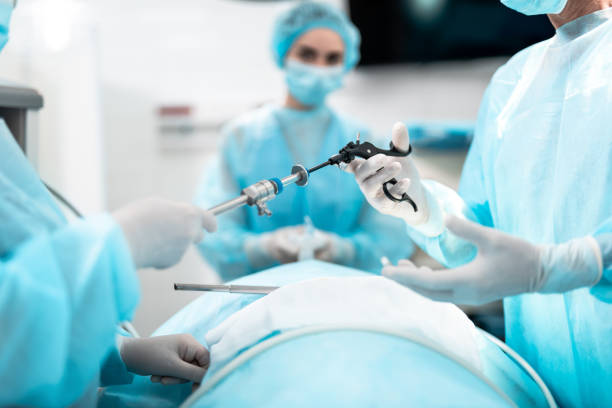
Minimally invasive surgery (MIS) refers to a family of surgical techniques that reduce the size of incisions and the disruption of normal tissues compared with traditional open surgery. Instead of a large incision, MIS uses small keyhole entries (typically 5–12 mm) through which specialized instruments, cameras, microscopes and energy devices are introduced. Common modalities include laparoscopic surgery (abdominal procedures), endoscopic procedures (natural orifice access or through small ports), robotic-assisted surgery, microsurgery under magnification, and laser-based techniques. Each method focuses on precision, tissue preservation and minimizing collateral damage.
At Livasa Hospitals in Punjab we integrate these approaches with careful patient selection. For example, laparoscopic gallbladder surgery is now the standard for symptomatic gallstones at most tertiary centres; robotic platforms are used for complex pelvic and urologic procedures that benefit from 3D vision and precise instrument articulation; endoscopic sinus surgery offers direct treatment of chronic sinus disease while sparing healthy mucosa. Keyhole surgery in Punjab is increasingly accessible and being adopted for general surgery, gynecology, orthopedics and ENT at Livasa locations.
Why does this matter? Because smaller incisions correlate with lower pain, reduced infection risk, less blood loss, shorter hospital stays and a quicker return to normal activities. These advantages are central to Livasa’s commitment to precision surgery in Punjab and are supported by enhanced recovery after surgery (ERAS) pathways we follow across specialties.
Minimally invasive approaches are not limited to one organ system. At Livasa Hospitals Punjab we apply these techniques across multiple specialties to deliver better outcomes and faster recovery. Key areas include:
Each Livasa centre tailors its MIS program to local needs: Livasa Mohali and Livasa Amritsar focus on high-volume general surgery and robotic programs; Livasa Hoshiarpur provides accessible laparoscopic and endoscopic services for the surrounding districts; Livasa Khanna extends specialist outreach and postoperative rehabilitation. Together, these centres help patients across Punjab access the latest advanced surgical techniques in Punjab.
There is robust clinical evidence showing that MIS leads to measurable improvements in patient recovery and outcomes for many procedures. While not every operation is suitable for a minimally invasive approach, when indicated the benefits include:
Global trends show that in developed healthcare systems, over half of common general surgical procedures such as cholecystectomy and appendectomy are performed laparoscopically. In India, adoption has accelerated: large academic and private centres report that laparoscopic approaches are standard for gallbladder and many hernia surgeries, and robotic programs are expanding in metropolitan hubs including Punjab.
At Livasa Hospitals Punjab we monitor outcomes closely. While national registries are growing, real-world analyses suggest MIS reduces average hospital stay by 20–60% depending on the procedure and improves early functional recovery rates. For cardiac and oncologic procedures, minimally invasive options can reduce morbidity while maintaining oncologic and technical efficacy when performed by experienced teams.
Patients frequently ask how minimally invasive surgery compares with traditional open surgery. The following table summarizes typical differences in benefits and recovery. These are general estimates — individual outcomes depend on patient health, surgeon experience and the specific condition.
| Procedure type | Benefits | Recovery time (typical) |
|---|---|---|
| Minimally invasive (laparoscopic/robotic/endoscopic) | Less pain, smaller scars, lower infection risk, shorter hospital stay, faster return to activity | 24 hours to 2 weeks (procedure dependent) |
| Traditional open surgery | Direct access for complex anatomy, sometimes shorter operative time in difficult cases | 1–6 weeks (procedure dependent) |
For many procedures, MIS offers superior short-term outcomes while providing comparable long-term effectiveness. However, the choice should be individualized — certain complex tumors, severe adhesions from prior surgery, or unstable patients may require conversion to open surgery for safety. At Livasa Hospitals Punjab our multidisciplinary teams make evidence-based decisions to choose the safest and most effective approach.
Livasa Hospitals invests in a spectrum of technologies that enable high-precision minimally invasive procedures across our centers in Punjab. These technologies include:
These technologies are complemented by experienced surgical teams practicing at Livasa Mohali, Livasa Amritsar, Livasa Hoshiarpur and Livasa Khanna, and supported by specialty anesthesiology, intensive care and rehabilitation pathways to ensure safe adoption of novel techniques. Our surgeons participate in continuous training and proctorship programs to keep pace with global best practices in surgical innovation in Punjab.
Patients often want to know which minimally invasive option is right for them and how costs compare. Below is a comparative table for common procedures, typical benefits and approximate cost ranges in Punjab. Cost estimates are indicative and vary by complexity, comorbidities and length of stay — speak to our patient coordinators for an exact quote.
| Procedure | Benefits | Approx. cost in Punjab (indicative) |
|---|---|---|
| Laparoscopic gallbladder surgery (cholecystectomy) | Short stay, quick recovery, low pain | Approx. ₹30,000–₹80,000 |
| Laparoscopic hernia repair | Less recurrence in some types, earlier return to activity | Approx. ₹25,000–₹70,000 |
| Robotic prostatectomy | Enhanced precision, nerve-sparing for continence and potency | Approx. ₹2,00,000–₹5,00,000 |
| Endoscopic sinus surgery | Improved symptom control, less mucosal trauma | Approx. ₹30,000–₹1,00,000 |
| Minimally invasive spine surgery | Smaller incisions, less muscle disruption, faster mobilization | Approx. ₹60,000–₹3,00,000+ |
Note: These cost ranges are illustrative. Final estimates account for implant use (e.g., hernia mesh, spinal hardware), ICU needs, and comorbidities. Livasa’s patient support team can provide personalized cost breakdowns and help with insurance and financing options. Search keywords like cost of minimally invasive surgery in Punjab or laparoscopic hernia repair cost in Punjab will lead you to helpful resources, but always confirm an individualized estimate with our staff.
Preparation and postoperative care are as important as the operation itself. Livasa Hospitals follow standardized preoperative assessment and Enhanced Recovery After Surgery (ERAS) protocols to minimize complications and accelerate recovery. Key elements include:
Typical recovery times vary by procedure. For example, many laparoscopic gallbladder or diagnostic laparoscopic procedures allow return home within 24–48 hours and return to desk work in 1–2 weeks, while more complex robotic prostate or spine procedures may require longer inpatient monitoring and staged rehabilitation. At Livasa we emphasize realistic timelines and provide individualized guidance: search terms like minimally invasive surgery recovery time Livasa Hospitals Punjab reflect our focus on patient-centered recovery planning.
While MIS has many advantages, it is not risk-free and not appropriate for everyone. Common risks include bleeding, infection, need for conversion to open surgery, organ injury and anesthetic complications. Specific procedures carry unique risks — for instance, nerve injury in pelvic surgery or recurrence in hernia repair. At Livasa Hospitals our process ensures safe patient selection and risk mitigation through:
When comparing options — for example, minimally invasive cardiac surgery in Punjab versus traditional sternotomy — the team considers cardiac function, anatomy, prior surgeries and patient preference. Similarly, younger patients or those with significant adhesions may be better served by alternative approaches. Livasa prioritizes patient safety while offering access to the latest robotic surgery in Punjab and laparoscopic expertise.
Choosing the right surgeon and hospital matters. Patients should look for:
Livasa Hospitals highlights patient stories that illustrate the value of MIS. For instance, working adults from Chandigarh and nearby districts who underwent laparoscopic gallbladder removal at Livasa Mohali frequently report same- or next-day discharge and early return to work. Older patients with early-stage prostate cancer treated with robotic prostatectomy at Livasa Amritsar have experienced shorter catheter times and good functional recovery under expert follow-up care. These narratives are balanced with educational counselling about risks and long-term surveillance where appropriate.
If you are considering surgery, request surgeon profiles and ask about case volumes and outcomes. Use keywords such as best hospital for laparoscopic surgery in Punjab or top robotic surgery center in Punjab Livasa when researching, and always verify credentials during your consultation.
Ready to explore whether minimally invasive surgery is right for you? Livasa Hospitals makes the process straightforward and patient-centered. Steps to book and prepare include:
We encourage patients to search and ask about Livasa Hospitals minimally invasive surgery cost Punjab and to request itemized estimates that include surgeon fees, implants, investigations and room charges. Our patient relations team is trained to help with insurance preauthorization and financial counselling.
Minimally invasive surgery is no longer a niche area — it represents the future of patient-centered surgical care. Across Punjab, and at Livasa Hospitals in Mohali, Amritsar, Hoshiarpur and Khanna, these techniques are making procedures safer, recovery faster and outcomes better. Whether considering laparoscopic surgery in Punjab, robotic surgery at Livasa Hospitals Punjab, or endoscopic and microsurgical options, patients have access to a spectrum of technologies and experienced multidisciplinary teams.
Key takeaways:
If you or a family member are evaluating surgical options, book minimally invasive surgery consultation Livasa Hospitals Punjab by calling +91 80788 80788 or visiting livasahospitals.com/appointment. Our teams at Livasa Mohali, Livasa Amritsar, Livasa Hoshiarpur and Livasa Khanna are ready to guide you through modern, evidence-based surgical care that prioritizes safety, recovery and long-term health.
To learn whether minimally invasive surgery is right for you, call +91 80788 80788 or book an appointment online with Livasa Hospitals. Our patient coordinators will help you choose the most appropriate centre in Punjab and arrange a consultation with our specialists.
Obesity and Joint Replacement: Weight and BMI Guidelines in Amritsar
Diabetes, Heart Disease and Joint Replacement: Multispeciality Care in Amritsar
Home Modifications After Joint Replacement: Safety Tips for Amritsar Patients
Livasa Healthcare Group Corporate Office,Phase-8, Industrial Area, Sector 73, Sahibzada Ajit Singh Nagar, Punjab 160071
| Mohali | +91-99888 23456 |
| Amritsar | +91-99887 49494 |
| Hoshiarpur | +91-99883 35353 |
| Nawanshahr | +91-75081 82337 |
| Khanna | +91-98888 05394 |
