03 Aug 2026
Obesity and Joint Replacement: Weight and BMI Guidelines in Amritsar

Dr. Raka Kaushal
22 May 2025
Call +91 80788 80788 to request an appointment.
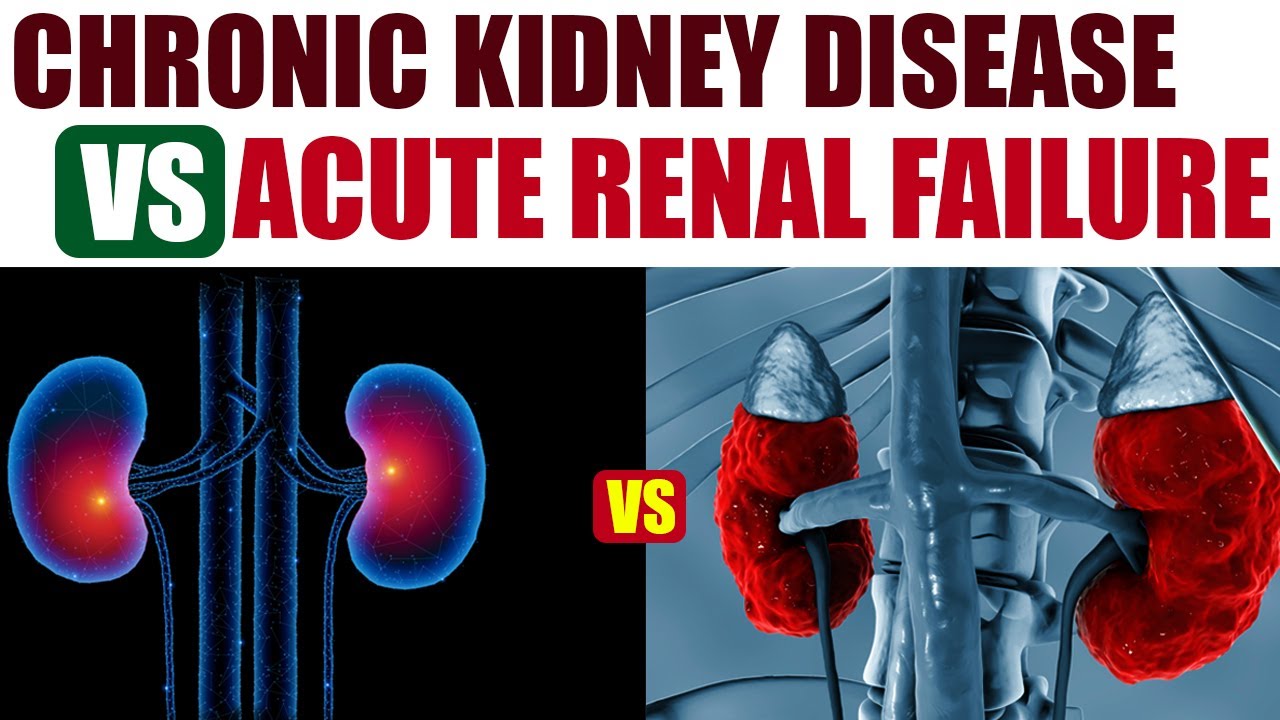
Renal failure, often referred to as kidney failure, is a critical health issue that affects millions globally. It occurs when the kidneys lose their ability to filter waste from the blood, leading to the accumulation of toxins and fluids in the body. There are two main types of renal failure: acute and chronic. This blog will delve into the difference between acute and chronic renal failure, exploring their causes, symptoms, treatment options, and management strategies.
Understanding these differences is crucial for timely diagnosis and appropriate treatment. At Livasa Hospitals in Punjab, our nephrology specialists are dedicated to providing advanced kidney care to ensure that patients receive the best possible treatment tailored to their specific needs.
Acute renal failure (ARF) is a sudden and often reversible decline in kidney function. It can develop within hours or days and is usually triggered by a specific event. Common causes of ARF include severe dehydration, surgery, infections, or exposure to certain medications that can be toxic to the kidneys. The phases of acute renal failure typically include:
Prompt diagnosis and treatment are critical during the acute phase, as timely intervention can reverse the condition and restore kidney function. In some cases, hospitalization may be necessary for close monitoring and management.
In contrast, chronic renal failure (CRF) is a long-term progressive loss of kidney function. It is often the result of a multitude of factors, including diabetes, hypertension, or glomerulonephritis, and typically develops over several years. Patients with chronic renal failure may remain asymptomatic for a long time, making regular screening and monitoring essential. The stages and treatment of chronic renal failure can be categorized as follows:
Effective management of chronic renal failure focuses on slowing the progression of the disease and maintaining the patient's quality of life through medications, dietary restrictions, and regular check-ups.
Acute renal failure can be classified into three categories: prerenal, intrinsic, and postrenal causes, each of which can lead to a sudden drop in kidney function. The leading causes include:
Understanding these causes can assist patients and healthcare providers in taking the necessary preventive actions and prompt diagnosis for acute renal failure.
Chronic renal failure results from progressive damage to the kidneys over time. The leading causes include:
Identifying and managing these underlying causes early can significantly reduce the incidence of chronic renal failure.
The symptoms of renal failure can vary significantly between acute and chronic forms. Common symptoms include:
| Symptoms | Acute Renal Failure | Chronic Renal Failure |
|---|---|---|
| Urine output | Decreased or absent | Variable; often normal until later stages |
| Fatigue | Sudden onset | Chronic, progressive |
| Swelling | Rapid, in arms and legs | Gradual; can lead to peripheral edema |
| Shortness of breath | Common | May occur in later stages |
Recognizing these symptoms early can lead to timely intervention, improving overall health outcomes.
Diagnosing renal failure involves a combination of medical history evaluation, physical examinations, and specific laboratory tests that assess kidney function. Common diagnostic tests include:
Treatment for renal failure depends on the underlying cause and whether the renal failure is acute or chronic. Options include:
| Treatment Options | Acute Renal Failure | Chronic Renal Failure |
|---|---|---|
| Medication | Diuretics, electrolyte management | Antihypertensives, insulin, phosphate binders |
| Dialysis | May be required temporarily | May be needed when kidney function declines significantly |
| Dietary Changes | Fluid and potassium restriction | Low protein, sodium, and potassium diet |
At Livasa Hospitals, our nephrology specialists in Punjab work closely with patients to develop individualized treatment plans, ensuring effective and comprehensive care.
Long-term management of chronic renal failure involves a multidisciplinary approach aimed at slowing the disease's progression and managing complications. Key aspects of management include:
It is critical for patients to remain proactive about their health. Knowledge and self-management can drastically improve outcomes and quality of life.
At Livasa Hospitals, we pride ourselves on being one of the best hospitals for renal failure treatment in Punjab. Our nephrology department is equipped with the latest technology and staffed by experienced nephrologists who provide high-quality care tailored to each patient's unique needs. We offer:
Our commitment to providing advanced kidney care in Punjab reflects our desire to make a real difference in patients' lives. If you or a loved one is facing renal failure, we invite you to contact us at +91 80788 80788 for personalized care and treatment options.
Recognizing the differences between acute and chronic renal failure is vital for effective treatment and management. While acute renal failure can be reversible with appropriate intervention, chronic renal failure requires ongoing management strategies to slow progression and maintain quality of life. By understanding the causes, symptoms, and treatment options available, patients and their families can better navigate the challenges posed by renal failure.
At Livasa Hospitals, we are dedicated to providing exceptional nephrology services in Punjab. If you suspect kidney issues or want to learn more about our chronic kidney disease treatment in Punjab, visit our website at book an appointment to meet with our nephrology specialists and embark on the path toward better kidney health.
Early detection and proper management are essential. Book your appointment at Livasa Hospitals today or talk to our nephrology specialists for expert guidance and innovative treatment options.
Obesity and Joint Replacement: Weight and BMI Guidelines in Amritsar
Diabetes, Heart Disease and Joint Replacement: Multispeciality Care in Amritsar
Home Modifications After Joint Replacement: Safety Tips for Amritsar Patients
Livasa Healthcare Group Corporate Office,Phase-8, Industrial Area, Sector 73, Sahibzada Ajit Singh Nagar, Punjab 160071
| Mohali | +91-99888 23456 |
| Amritsar | +91-99887 49494 |
| Hoshiarpur | +91-99883 35353 |
| Nawanshahr | +91-75081 82337 |
| Khanna | +91-98888 05394 |
