03 Aug 2026
Obesity and Joint Replacement: Weight and BMI Guidelines in Amritsar

Dr. Harinder K Bali
17 Nov 2025
Call +91 80788 80788 to request an appointment.
Comprehensive guide to ventricular tachycardia, ventricular fibrillation, ICD device therapy, catheter ablation and how Livasa Hospitals — Livasa Amritsar — can help prevent sudden cardiac death in Amritsar and across Punjab. For appointments call +91 80788 80788 or book online at Livasa Hospitals appointment.
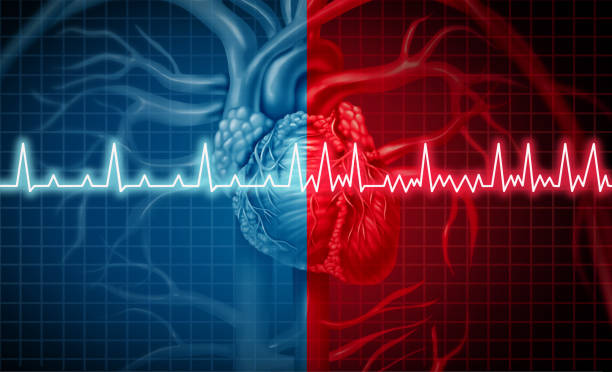
Ventricular arrhythmias — most notably ventricular tachycardia (VT) and ventricular fibrillation (VF) — are unpredictable heart rhythm abnormalities that can progress rapidly to sudden cardiac death (SCD) if not diagnosed and managed promptly. In Amritsar, as in other parts of Punjab and India, increasing prevalence of coronary artery disease, post‑myocardial infarction complications and inherited cardiomyopathies has made prevention of SCD a major public health priority. This article explains what ventricular arrhythmias are, how they present, how they are diagnosed and treated, and what local patients in Amritsar should know about modern prevention strategies — including implantable cardioverter defibrillators (ICD device Amritsar), catheter ablation for VT (VT ablation Amritsar), and cardiac electrophysiology services (electrophysiology Amritsar).
Globally, sudden cardiac death accounts for an estimated large share of cardiovascular mortality. According to international cardiology registries and WHO estimates, SCD is responsible for hundreds of thousands to millions of deaths annually worldwide; conservative estimates place the global burden at several million deaths per year. In India, community and hospital-based studies suggest an estimated incidence that varies by region, with many experts reporting rates from roughly 0.6 to 1.7 per 1,000 population per year depending on local risk factors and healthcare access. In this context, timely diagnosis and access to modern arrhythmia treatment in Amritsar and Punjab can save lives.
Ventricular arrhythmia is a broad term for abnormal electrical activity originating in the heart’s lower chambers — the ventricles. When electrical signals in the ventricles are rapid, disorganized or re‑entrant, the heart loses its coordinated pumping action. Two important types are:
The mechanism of SCD is usually abrupt electrical instability of the heart leading to VF or pulseless VT. Without immediate defibrillation or advanced cardiac care, the brain and organs suffer irreversible injury within minutes. That is why cardiac arrest emergency Amritsar response and access to defibrillation, emergency ventricular tachycardia treatment Amritsar and long‑term prevention measures such as ICD implantation Amritsar are critical.
Importantly, not every ventricular arrhythmia leads to death — many patients have isolated or treatable episodes. Modern cardiology focuses on risk stratification: identifying patients at highest risk of SCD (post‑MI LV dysfunction, inherited arrhythmia syndromes, advanced cardiomyopathy) and offering targeted therapies like ICDs or catheter ablation. Locally in Amritsar and across Punjab, specialized electrophysiology centers play a central role in both acute care and long‑term prevention.
Understanding the underlying causes helps clinicians design personalized prevention strategies. Common causes and risk factors include structural heart disease, genetic conditions and reversible triggers. In Amritsar and Punjab, where coronary artery disease remains common, post‑myocardial infarction scarring is a major contributor to ventricular arrhythmias.
Local epidemiology in Punjab reflects a combination of traditional risk factors — high prevalence of diabetes, hypertension and tobacco use — together with limited early access to revascularization in some areas. Consequently, post‑MI complications, including ventricular arrhythmias, remain an important reason patients seek arrhythmia treatment in Amritsar. Thorough evaluation at a cardiac electrophysiology centre in Amritsar is essential for both diagnosis and planning preventive care, including discussions about ICD device Punjab and ICD device Amritsar for eligible patients.
Symptoms of ventricular arrhythmias range from mild and non‑specific to sudden collapse. Early recognition — both by patients and bystanders — can be lifesaving. In Amritsar and surrounding areas where emergency response times may vary, public awareness and timely triage are critical.
If you or someone near you develops sudden collapse or loss of responsiveness in Amritsar, call emergency services immediately, start CPR if trained, and use an automated external defibrillator (AED) if available. Livasa Amritsar’s emergency teams are prepared to manage cardiac arrest emergencies and provide emergency ventricular tachycardia treatment Amritsar; families should know the hospital phone number +91 80788 80788 for urgent guidance.
Accurate diagnosis and risk stratification use a combination of noninvasive and invasive testing. Livasa Hospitals’ cardiac electrophysiology services in Amritsar offer the full spectrum of diagnostic tools to detect, map and treat ventricular arrhythmias.
Access to a dedicated cardiac electrophysiology centre in Amritsar means patients can receive integrated care — from diagnostic EPS to VT ablation Amritsar and ICD implantation Amritsar — with the same team coordinating follow‑up, device checks and rehabilitation. If you have recurrent palpitations, syncope or post‑MI arrhythmias, early referral to a specialist (best electrophysiologist in Amritsar) improves outcomes.
Treatment of ventricular arrhythmia and prevention of SCD is personalized based on cause, arrhythmia type, severity and patient preference. Options range from lifestyle modification and medical therapy to device implantation and catheter ablation.
Below is a comparative table summarizing the major procedural and device‑based options commonly offered at advanced centres in Amritsar and Punjab:
| Procedure / therapy | Primary benefit | Recovery time |
|---|---|---|
| Antiarrhythmic medications (amiodarone, beta‑blockers) | Non-invasive; reduces arrhythmia burden | Immediate to days (ongoing therapy) |
| Implantable cardioverter defibrillator (ICD) | Prevents sudden cardiac death by detecting & treating VT/VF | Procedure hours; 1–2 weeks for wound healing |
| Catheter ablation for VT (VT ablation) | Targets arrhythmia source to reduce recurrences; can be curative in some patients | Hospital stay 1–3 days; recovery days to weeks |
| Wearable defibrillator | Temporary protection when ICD is not yet indicated or when awaiting recovery | Immediate use; worn for weeks to months as needed |
Medication is frequently the first step, particularly when arrhythmias are infrequent or reversible. However, for patients with sustained VT, recurrent syncope, or reduced ejection fraction, an implantable cardioverter defibrillator (ICD) is the standard therapy for preventing SCD. Where arrhythmia circuits are mappable, catheter ablation can significantly reduce ICD therapies and improve quality of life; in some cases, ablation can obviate the need for repeated shocks.
A wearable defibrillator is especially useful in the weeks following a recent myocardial infarction or left ventricular dysfunction when the decision about permanent ICD implantation is deferred. In Amritsar, patients who require urgent protection but may not yet meet criteria for permanent ICD can be offered wearable defibrillator options while under specialist supervision.
An implantable cardioverter defibrillator (ICD) is a life‑saving device implanted under the skin near the collarbone. It continuously monitors heart rhythm and delivers pacing or shocks to terminate life‑threatening ventricular arrhythmias. ICD implantation Amritsar is offered at specialized cardiac electrophysiology centres and is indicated in two broad categories:
The implantation procedure is typically performed under local anesthesia with sedation. Leads are positioned in the heart via a vein and connected to the generator. Most patients stay in hospital 24–48 hours. Device programming is personalized and long‑term follow‑up includes periodic in‑clinic checks or remote monitoring.
Cost is a common concern for patients. The ICD implantation cost Amritsar depends on the type of device (single‑chamber, dual‑chamber, or CRT‑D for concomitant heart failure therapy), operating room charges, hospital stay, and follow‑up services. Approximate cost ranges can help patients plan, but exact figures should be confirmed with Livasa Amritsar’s billing team. The table below provides general indicative ranges (approximate) for comparison:
| Location | Approximate ICD implantation cost | Notes |
|---|---|---|
| Amritsar (Livasa Hospitals) | INR 3.5–7.5 lakhs (approx.) | Depends on device model and hospital package; financial counseling available |
| Punjab (other centres) | INR 3.0–8.0 lakhs (approx.) | Variation due to device choice and hospital facilities |
| India (major metros) | INR 2.5–9.0 lakhs (approx.) | Wide range; public insurance schemes may reduce out‑of‑pocket cost |
These ranges are indicative; Livasa Hospitals provides itemized estimates and may assist with insurance pre‑authorization and financing options. For patients needing ICD implantation Punjab or ICD implantation Amritsar, an individualized consultation with Livasa’s electrophysiology team helps determine the most appropriate device and cost estimate.
Catheter ablation aims to identify and destroy the tissue responsible for generating or sustaining ventricular tachycardia. Modern VT ablation uses advanced mapping systems to create detailed electrical and anatomical maps of scar and arrhythmia circuits. In many patients this reduces arrhythmia burden, decreases ICD shocks and improves quality of life.
The VT ablation procedure typically involves:
Success rates vary with underlying disease: higher when VT arises from a limited post‑MI scar and more challenging in diffuse cardiomyopathy. Complication rates are low when performed by experienced teams but can include vascular injury, cardiac perforation or need for repeat procedures. Livasa’s cardiac electrophysiology centre in Amritsar is equipped for complex VT ablation Amritsar and provides peri‑procedural support including device programming and heart failure management.
Preventing sudden cardiac death is not limited to devices and procedures — community awareness, risk factor control and post‑MI care are equally important. Livasa Amritsar participates in local initiatives aimed at improving early recognition and prevention of cardiac arrest and ventricular arrhythmias.
Cardiac rehabilitation after a cardiac event reduces rehospitalization and may reduce arrhythmia risk by improving functional capacity and controlling risk factors. Livasa Amritsar’s integrated cardiac rehab and electrophysiology teams coordinate medication optimization, lifestyle counseling and device follow‑up. For community engagement, Livasa supports educational outreach in nearby localities of Amritsar to improve bystander response to cardiac arrest and promote early hospital presentation when symptoms occur.
Choosing the right centre for arrhythmia care matters. At Livasa Hospitals — Livasa Amritsar, the ventricular arrhythmia clinic Amritsar and cardiac electrophysiology centre are staffed by cardiologists and electrophysiologists experienced in advanced mapping, VT ablation and ICD implantation. Key strengths include:
Whether you need an electrophysiology study Amritsar, VT ablation Amritsar, ICD device Punjab or long‑term arrhythmia follow‑up, Livasa Amritsar aims to be a trusted partner in care. Our team includes some of the region’s most experienced electrophysiologists — often described by patients as among the best electrophysiologist in Amritsar and Punjab — providing evidence‑based care and compassionate support.
To schedule an evaluation at Livasa Hospitals ventricular arrhythmia Amritsar or to discuss ICD implantation Amritsar and catheter ablation Punjab options, call us at +91 80788 80788 or book online at https://www.livasahospitals.com/appointment. We offer urgent arrhythmia consultations and coordinate with emergency services across Amritsar and nearby localities.
Patients often ask whether an ICD, catheter ablation, medication or a wearable defibrillator is the best option. The answer depends on underlying disease, frequency of arrhythmia, symptoms and long‑term prognosis. The following table highlights common decision points to help guide conversations with your arrhythmia specialist in Amritsar.
| Clinical scenario | Preferred therapy | Rationale |
|---|---|---|
| Survivor of cardiac arrest or sustained VT | ICD implantation ± ablation | ICD prevents recurrence; ablation reduces shocks and arrhythmia burden |
| Recent MI with low LVEF (<35%) | Evaluate for primary prevention ICD (after optimal medical therapy) | High risk of SCD; timing of ICD may depend on recovery |
| Recurrent monomorphic VT with clearly mappable substrate | Catheter ablation ± ICD | Ablation can reduce recurrence and need for shocks |
| Temporarily high risk period (post MI or awaiting implant) | Wearable defibrillator | Immediate protection while decision-making continues |
A shared decision-making approach with your electrophysiologist at Livasa Amritsar ensures that therapy aligns with your clinical needs, lifestyle and financial considerations. We emphasize informed consent, realistic expectations about device therapies, and plans for long‑term follow‑up and device checks.
Ventricular arrhythmias and sudden cardiac death are serious but often preventable conditions when diagnosed early and managed with modern therapies. If you live in Amritsar or elsewhere in Punjab and have symptoms such as palpitations, unexplained syncope, known heart disease, or have survived a prior cardiac arrest, prompt evaluation at a specialized arrhythmia clinic is essential. Livasa Hospitals ventricular arrhythmia clinic in Amritsar offers multidisciplinary expertise in electrophysiology Amritsar, ICD device Amritsar, catheter ablation Punjab and comprehensive cardiac rehabilitation.
Practical next steps:
At Livasa Amritsar, our goal is to combine technical excellence — from electrophysiology study Amritsar to VT ablation Amritsar and ICD implantation — with compassionate patient‑centered care. If you or a loved one needs ventricular arrhythmia prevention or emergency ventricular tachycardia treatment Amritsar, reach out to the Livasa team for a timely, evidence‑based plan tailored to your needs.
Livasa Hospitals — Livasa Amritsar: For consultation with the arrhythmia specialist Amritsar or to book a procedure such as ICD implantation Amritsar or catheter ablation for VT Amritsar, call +91 80788 80788 or book online at https://www.livasahospitals.com/appointment. Our team is available for urgent and elective referrals across Amritsar and nearby areas in Punjab.
Obesity and Joint Replacement: Weight and BMI Guidelines in Amritsar
Diabetes, Heart Disease and Joint Replacement: Multispeciality Care in Amritsar
Home Modifications After Joint Replacement: Safety Tips for Amritsar Patients
Livasa Healthcare Group Corporate Office,Phase-8, Industrial Area, Sector 73, Sahibzada Ajit Singh Nagar, Punjab 160071
| Mohali | +91-99888 23456 |
| Amritsar | +91-99887 49494 |
| Hoshiarpur | +91-99883 35353 |
| Nawanshahr | +91-75081 82337 |
| Khanna | +91-98888 05394 |
