03 Aug 2026
Obesity and Joint Replacement: Weight and BMI Guidelines in Amritsar

Dr. Baljot Singh
19 Dec 2025
Call +91 80788 80788 to request an appointment.
Speciality: Pulmonology | Location: Livasa Amritsar | Contact: +91 80788 80788 | Book: Livasa Hospitals appointment
Lung infections affect people of all ages, but the way they present, the risks they carry, and the approaches to treatment differ substantially with age. This article specifically focuses on age specific lung infection Amritsar — covering infants, children, adults and seniors living in Amritsar and nearby areas of Punjab. The goal is to provide local families and caregivers clear, practical and evidence-based information so they can recognize symptoms early, seek timely pulmonology treatment in Amritsar, and choose the right care path.
In Amritsar and Punjab, lung infections such as pneumonia, bronchitis, bronchiolitis and other lower respiratory tract infections are commonly seen in clinic settings, particularly during seasonal peaks (winter and post-monsoon). Many factors influence disease burden here — air quality, household biomass fuel exposure in some homes, tobacco use, crowded living conditions and seasonal viral circulation. Livasa Hospitals, and specifically our Livasa Amritsar pulmonology team, focuses on localised prevention, diagnosis and treatment pathways so patients receive the most appropriate care at the right time.
This long-form guide will explain causes, symptoms, diagnostic approaches, therapy options and age-specific management strategies. It will also provide local context on lung infection cost in Amritsar, when to seek urgent care, and how families can manage recovery at home safely. Whether you’re searching for “best doctor for lung infection in Amritsar” or practical “lung infection home treatment” advice, this piece is built to be a complete reference.
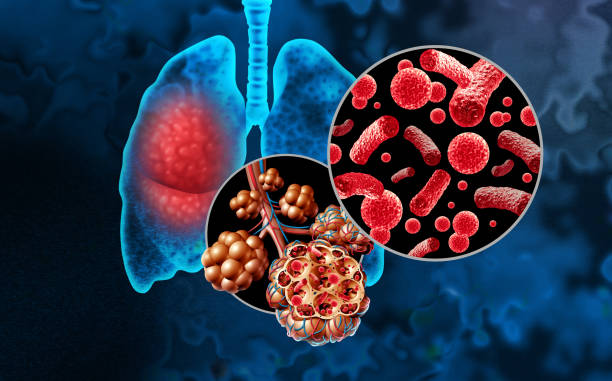
A lung infection refers to microbial invasion and inflammation of the lung parenchyma, airways or both. The most common clinical entities include:
Globally, lower respiratory infections remain a leading cause of morbidity and mortality. According to WHO, lower respiratory infections were among the top causes of mortality worldwide in recent years, particularly affecting children under five and older adults. In India and specifically in Punjab, hospital admissions for respiratory infections rise during winter months and following local air pollution episodes. In Amritsar, a combination of seasonal viral spread and urban air quality fluctuations means the pulmonology departments at hospitals like Livasa Hospitals Amritsar see a steady stream of cases across all age groups.
Pathogens vary by age and setting: respiratory syncytial virus (RSV) and influenza are common viral causes in children, while Streptococcus pneumoniae, Haemophilus influenzae and atypical organisms are frequent bacterial causes in adults. Occupational exposures, chronic lung disease and immune suppression change the pathogen list further.
Lung infection symptoms and risks change with age. Recognizing these differences is essential for early diagnosis and treatment. Livasa Amritsar's pulmonology specialists emphasize age-specific assessment pathways so that infants, school-age children, adults and seniors receive targeted care.
Newborns and infants (0–12 months): Infants may present with nonspecific signs — poor feeding, lethargy, fever or fast breathing. Bronchiolitis (often due to RSV) and neonatal pneumonia are the major concerns. Infants have smaller airways; obstruction from mucus or inflammation can quickly cause respiratory distress. In Amritsar, infants exposed to indoor cooking smoke or crowded living conditions may have higher incidence of infections. A neonate with poor feeding, cyanosis (bluish skin/ lips), or apnea requires immediate evaluation at a hospital like Livasa Amritsar.
Children (1–12 years): Children commonly present with cough, fever, wheeze and chest pain. Viral causes are more frequent in younger children, while older children can develop bacterial pneumonia. School attendance and community transmission in Amritsar contribute to seasonal spikes. Warning signs include high persistent fever, difficulty breathing, inability to drink/ feed and altered mental status.
Adolescents and adults (13–64 years): Symptoms often include productive cough, fever, pleuritic chest pain and shortness of breath. Adults with comorbidities such as diabetes, asthma, COPD, or smokers have increased risk of complications. Occupational exposures — agricultural dust, industrial aerosols or frequent exposure to traffic pollution in Amritsar — can increase susceptibility.
Seniors (65+ years): Elderly patients may present atypically: confusion, weakness or decreased appetite rather than high fevers. Age-related immune decline and chronic conditions (heart disease, diabetes, COPD) raise the risk of severe pneumonia, hospital admission and prolonged recovery. In Amritsar, elderly patients living in multi-generational households or exposed to seasonal air quality deterioration require vigilant monitoring.
Across ages, vaccination (influenza, pneumococcal) significantly changes risk profiles and clinical outcomes. At Livasa Amritsar we emphasize targeted vaccination campaigns for children, older adults and high-risk groups as a key prevention strategy.
Lung infections arise from a range of microbes and are modified by host and environmental factors. Understanding causes and risk factors helps families and clinicians in Amritsar take practical steps to reduce incidence and severity of disease.
Common causative agents:
Key risk factors that influence lung infection occurrence and outcomes in Amritsar and Punjab:
Local public health data from Punjab and district health reports show seasonal increases in pneumonia-related clinic visits during winter and immediately after rains. While precise Amritsar district-level statistics vary annually, national and state-level surveillance consistently identify lower respiratory infections as leading causes of pediatric hospitalization and significant contributors to morbidity in seniors.
Recognizing early symptoms and emergency signs can be lifesaving. Symptoms vary by age and severity but common features of lung infection include cough, fever, breathlessness and chest discomfort. Below is a practical breakdown of what to watch for at home and when to seek urgent care at Livasa Amritsar or your nearest emergency department.
Typical symptoms:
Emergency signs (seek immediate care):
If you see any emergency sign, call +91 80788 80788 or proceed directly to the emergency department at Livasa Hospitals Amritsar. Early oxygen support, intravenous antibiotics and specialist pulmonology assessment can significantly improve outcomes for severe cases.
Accurate diagnosis guides effective therapy. At Livasa Amritsar, the pulmonology team uses a combination of clinical evaluation, bedside testing and advanced diagnostics to identify the cause and severity of lung infections. Diagnostic approach is tailored by age, clinical severity and suspected pathogen.
Common diagnostic steps include:
In Amritsar, access to rapid PCR and radiology at centers like Livasa Hospitals ensures faster diagnosis and earlier initiation of the right therapy. The pulmonology team integrates local antimicrobial resistance patterns when choosing empiric antibiotics for adults and children to optimize outcomes.
Treatment depends on the cause (viral vs bacterial vs fungal), severity (outpatient vs inpatient), age and patient comorbidities. Livasa Amritsar offers comprehensive pulmonology treatment options ranging from outpatient oral antibiotics and inhaled therapy to inpatient IV antibiotics, oxygen therapy and advanced respiratory support when required.
Core treatment categories:
Below is a comparison table to illustrate common therapy options, benefits and typical recovery times. This helps families understand choices offered in Amritsar and at Livasa Hospitals.
| Treatment type | Benefits | Typical recovery time |
|---|---|---|
| Oral antibiotics (outpatient) | Convenient, low-cost, effective for uncomplicated bacterial infections | 1–3 weeks symptomatic improvement; full recovery may take up to 6 weeks |
| IV antibiotics (inpatient) | Faster control of severe infection; tailored therapy based on cultures | Hospital stay 3–10+ days depending on illness severity |
| Oxygen therapy / respiratory support | Immediate stabilization of hypoxia; life-saving in severe cases | Depends on recovery; hours to weeks |
| Antivirals (e.g., oseltamivir) | Shortens duration of influenza if given early | Improvement within days when initiated early |
| Bronchoscopy / drainage | Treats complications such as empyema or drained abscesses | Procedure recovery days; overall improvement over weeks |
Treatment selection at Livasa Amritsar factors in local antimicrobial resistance patterns, patient age and co-morbidities. For example, pediatric regimens avoid certain antibiotics used in adults, and neonates require specialized dosing and close monitoring. Pulmonology therapy includes inhalers, nebulized treatments, chest physiotherapy and supervised pulmonary rehabilitation where indicated, especially for long-term follow-up in older adults or patients with chronic lung disease.
Many mild lung infections can be managed at home with proper care, but prevention and safe home practices significantly reduce transmission and complications. This section provides evidence-backed guidance tailored for families in Amritsar and Punjab.
Prevention strategies (community and household)
Home treatment tips (when safe)
Do's and don'ts:
For personalised prevention advice for your household or care planning for elderly relatives in Amritsar, call +91 80788 80788 or book an appointment with a lung infection specialist Amritsar at Livasa Hospitals.
While many lung infections resolve completely, some patients—especially those with severe illness or underlying lung disease—require longer-term care and rehabilitation. Livasa Amritsar provides follow-up services and pulmonary rehabilitation programs tailored to age and functional needs.
Potential complications:
Long-term management includes:
Livasa Hospitals Amritsar's multidisciplinary teams — including pulmonologists, physiotherapists, nutritionists and social workers — work together to build personalised long-term care plans. For elderly patients or those with chronic lung disease, early rehabilitation shortens recovery time and reduces hospital readmissions.
Finding the right pulmonologist is essential for complex or recurrent lung infections. In Amritsar and the broader Punjab region, patients often search for terms like “best pulmonologist in Amritsar” or “lung infection specialist near me Amritsar”. When selecting a specialist, consider experience with age-specific care, access to diagnostic services and a collaborative approach to treatment and follow-up.
Key considerations when choosing a specialist:
At Livasa Amritsar, the pulmonology department offers experienced consultants who manage a full spectrum of lung infections—from newborn respiratory distress to complex adult and senior cases. Our on-site laboratory and radiology services accelerate lung infection diagnosis Punjab and ensure evidence-based choice of therapy.
Cost is an important factor for many families when deciding where to seek care. The total expense depends on severity, investigations, inpatient stay and need for advanced respiratory support. Below is a general cost comparison for typical services in Amritsar, intended as an approximate guide. Actual prices vary by hospital, length of stay and specific interventions.
| Service | Estimated cost range (INR) in Amritsar | Notes |
|---|---|---|
| Outpatient consultation with pulmonologist | ₹500–1,500 | Depends on clinic, follow-up charges additional |
| Chest X-ray | ₹400–1,200 | Single view to two views |
| Sputum culture / PCR tests | ₹800–5,000 | PCR for viruses at higher cost |
| Inpatient stay (per day) | ₹3,000–12,000 | Depends on room type and services |
| IV antibiotics and supportive meds | ₹1,000–8,000 (variable) | Depends on drugs chosen |
| ICU care with ventilation (per day) | ₹10,000–50,000+ | High variability; insurance advisable |
Insurance coverage and government schemes often reduce out-of-pocket costs. At Livasa Hospitals Amritsar our financial counselling team helps families understand cost estimates, insurance pre-authorizations and payment options. For a personalised estimate based on your condition, contact +91 80788 80788 or book an appointment.
Lung infections in Amritsar and across Punjab are common across all age groups but vary widely in presentation and risk. Early recognition, age-appropriate diagnosis and prompt specialist care improve outcomes significantly. Key takeaways:
If you are concerned about symptoms in a child, adult or elderly family member, or if you need help with long-term lung infection management, contact the pulmonary team at Livasa Hospitals Amritsar. Early consultation saves lives and reduces complications.
For appointments with our lung infection specialist Amritsar or pulmonology team, call +91 80788 80788 or book online. Our team offers same-day urgent reviews for worrying symptoms and scheduled clinics for follow-up and rehabilitation.
Address: Livasa Hospitals, Amritsar (appointment link above)
Disclaimer: This article provides general information. It is not a substitute for professional medical advice. If you are experiencing an emergency, call emergency services or go to the nearest hospital.
Obesity and Joint Replacement: Weight and BMI Guidelines in Amritsar
Diabetes, Heart Disease and Joint Replacement: Multispeciality Care in Amritsar
Home Modifications After Joint Replacement: Safety Tips for Amritsar Patients
Livasa Healthcare Group Corporate Office,Phase-8, Industrial Area, Sector 73, Sahibzada Ajit Singh Nagar, Punjab 160071
| Mohali | +91-99888 23456 |
| Amritsar | +91-99887 49494 |
| Hoshiarpur | +91-99883 35353 |
| Nawanshahr | +91-75081 82337 |
| Khanna | +91-98888 05394 |
