03 Aug 2026
Obesity and Joint Replacement: Weight and BMI Guidelines in Amritsar

27 Feb 2026
Call +91 80788 80788 to request an appointment.
Understanding the angiography cost in Mohali and what to expect at each stage—before, during and after—is important for patients and families planning heart care. This guide, written for residents of Mohali and surrounding areas of Punjab (including Chandigarh, Zirakpur, Panchkula and Kharar), explains the procedure, who needs it, differences between diagnostic and interventional angiography, likely costs in Punjab, how to prepare, and key recovery points. If you are searching for “angiography near me Mohali” or “coronary angiography cost in Mohali,” this article will give a clear, practical picture and help you make informed decisions.
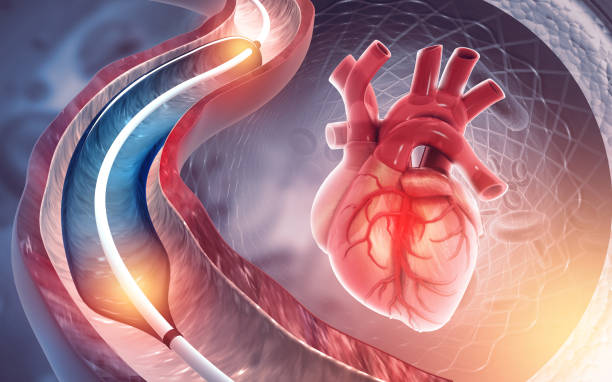
Angiography (also called coronary angiography when it involves the heart) is a specialized imaging test used to view the inside of blood vessels and the chambers of the heart. It uses a contrast dye injected through a catheter and X-ray imaging (fluoroscopy) to produce detailed pictures of the coronary arteries, peripheral arteries, or other vascular structures. The test can be purely diagnostic—mapping blockages or narrowing—or it can be the platform for an immediate treatment, such as angioplasty and stenting.
In medical terms, an angiography is performed in a cardiac catheterization laboratory (cath lab). A thin, flexible tube called a catheter is threaded through an artery—commonly the radial artery at the wrist or the femoral artery in the groin—and positioned at the coronary openings. A radio-opaque contrast dye reveals the lumen of the artery on X-ray, making blockages visible. This is the gold standard test for diagnosing coronary artery disease (CAD), helping cardiologists decide the need for medical therapy, further interventions, or surgery.
For patients in Mohali and the wider Punjab region, coronary angiography is a commonly performed procedure for chest pain, suspected heart attack, unexplained breathlessness, abnormal stress test results, or prior to high-risk surgical procedures. Because it can also be converted into an interventional procedure (percutaneous coronary intervention or PCI) in the same sitting, angiography is both diagnostic and potentially therapeutic.
Coronary angiography is ordered when non-invasive tests (ECG, stress test, echocardiography) suggest coronary artery disease or when acute cardiac symptoms require urgent clarification. Typical indications include:
Statistically, cardiovascular disease remains the leading cause of death globally. According to the World Health Organization, cardiovascular disease accounts for roughly 17.9 million deaths per year globally, representing a major health burden. In India and Punjab, coronary artery disease prevalence and risk factors (diabetes, hypertension, dyslipidemia, tobacco use) are significant—resulting in hundreds of thousands of coronary angiograms and PCIs annually nationwide. For residents of Mohali, early diagnosis via angiography can be life-saving and allows precise treatment tailored to the patient’s coronary anatomy.
Timely angiography is especially critical in acute settings. In an ST-elevation myocardial infarction (STEMI), urgent coronary angiography with possible primary PCI reduces mortality and preserves heart muscle. Outside emergencies, elective coronary angiography helps stratify risk and guide decisions on stenting or bypass surgery.
Angiography can be categorized by the vascular territory or by the intent (diagnostic vs interventional). Common types include:
Alternatives to invasive coronary angiography exist and may be appropriate depending on clinical presentation:
The table below summarizes differences between common procedure types and the typical recovery expectations to help patients compare options.
| Procedure type | Benefits | Recovery time |
|---|---|---|
| Diagnostic coronary angiography | Direct visualization of coronary anatomy; can plan treatment | 6–24 hours observation; return to light activity in 48 hours |
| Percutaneous coronary intervention (angioplasty + stent) | Immediate revascularization, symptom relief, reduced heart damage in MI | 24–72 hours observation; gradual return to normal activities over 1–2 weeks |
| CT coronary angiography (CTCA) | Non-invasive; good for ruling out disease in low-risk patients | Same-day discharge; minimal recovery time |
Preparing for angiography involves medical, logistical and emotional steps. Your cardiologist at Livasa Mohali or another trusted centre will review your history, current medications, allergies (especially to contrast dye), kidney function, and coagulation status. Typical pre-procedure elements include:
For patients in Mohali seeking clarifications about angiography consultation charges Mohali or the exact angiography package price Mohali, Livasa Mohali’s cardiology team offers pre-procedure counseling and transparent cost estimates. It’s helpful to obtain a written cost estimate and ensure your insurance pre-authorization (if applicable) is obtained. If you are searching “what is the cost of angiography in Mohali” or “how much does angiography cost in Mohali,” the final figure will depend on diagnostic vs interventional procedure, stent use, consumables, duration of hospital stay, and implantable device costs.
The day of the procedure can be less intimidating if you know the steps. Below is a general outline of what to expect during a coronary angiography or angioplasty in a cath lab such as those at Livasa Hospitals.
During the procedure you may feel pressure or warmth when the contrast is injected, and mild discomfort at the access site. Most procedures use light sedation; patients remain awake and can follow simple instructions. The procedure time varies—diagnostic angiography often takes 20–40 minutes; combined diagnostic + PCI may take 45–120 minutes depending on complexity.
For those concerned with radiation exposure, modern cath labs follow strict protocols to minimize dose while ensuring diagnostic quality images. If you are seeking the best cath lab in Mohali or weigh options like angiography near me Mohali, ask about the centre’s experience, annual procedural volume, and availability of advanced imaging tools and emergency support.
Post-procedure care focuses on ensuring the access site is secure, monitoring for complications, and starting appropriate medical therapy. Typical aftercare steps include:
While angiography and PCI are generally safe, potential complications—though uncommon—include allergic reactions to contrast, bleeding or hematoma at the access site, infection, arrhythmias, kidney injury from contrast (especially in patients with pre-existing kidney disease), and rarely heart attack or stroke. The overall risk of major complications is low when performed in experienced centres with proper patient selection and monitoring.
If you live in Mohali or nearby and are concerned about recovery logistics, Livasa Mohali provides detailed discharge instructions, cardiac rehabilitation support and a dedicated helpline for post-procedure queries. For urgent concerns after discharge, seek immediate medical attention or call your treating centre.
One of the most frequent questions is: what is the cost of angiography in Mohali? Costs vary by hospital type (government vs private), whether the procedure is diagnostic or interventional, the number and type of stents used, consumables (catheters, balloons, stents), length of stay, and additional investigations or ICU care required. To help you plan, below is a practical cost framework reflecting typical ranges in Mohali and Punjab. These are indicative and actual costs at Livasa Hospitals Mohali may vary based on your clinical needs.
Typical cost components include:
Below is an indicative cost table for Mohali/Punjab that covers common scenarios. Costs shown are approximate ranges in Indian Rupees (₹) and should be used for planning only.
| Procedure | Typical price range in Punjab (₹) | Notes |
|---|---|---|
| Diagnostic coronary angiography (day-care) | ₹10,000 – ₹35,000 | Varies by hospital, imaging needs and consumables |
| Angiography + angioplasty with 1 stent | ₹75,000 – ₹2,50,000 | Dependent on stent type (DES more costly than BMS) |
| Angiography + angioplasty with multiple stents | ₹1,20,000 – ₹4,00,000+ | Complex cases (bifurcation, CTO) are higher due to devices & time |
| Emergency primary PCI (STEMI) | ₹90,000 – ₹3,50,000+ | Includes urgent care, ICU stay if required |
| CT coronary angiography (non-invasive) | ₹4,000 – ₹12,000 | Less expensive and non-invasive but limited in some settings |
At Livasa Hospitals, Mohali, we strive for transparent billing and can provide an angiography package price Mohali based on your medical needs. Typical consultation charges and diagnostic angiography consultation charges in Mohali can vary; please call +91 80788 80788 or book online at Livasa Hospitals appointment to receive a personalized estimate.
Navigating costs for cardiac procedures can be stressful. The good news is that many health insurance policies in India cover coronary angiography and PCI; however, pre-authorization and documentation are often required. Important steps to manage finances:
If affordability is a concern and you are searching for “affordable angiography Mohali,” discuss alternatives like CT coronary angiography for selected low-risk patients, or staged treatment strategies. Livasa Mohali provides counseling on cost-effective, evidence-based care and assists with insurance processes to help minimize financial stress.
Selecting a centre for coronary angiography matters. Technical skill, cath lab accreditation, experienced interventional cardiologists, and emergency support determine outcomes. Points to consider when choosing a hospital or searching “angiography hospital cost in Mohali”:
Livasa Hospitals, Mohali, operates a fully equipped cath lab with experienced interventional cardiologists, round-the-clock emergency services and patient-centric support. If you’re evaluating options for “cardiac cath cost Mohali” or “cardiac catheterization cost Mohali,” ask the centre for procedure volumes, complication rates, and a clear cost estimate. You can call +91 80788 80788 for queries or online appointment booking at Livasa Hospitals appointment.
Below are common patient questions about coronary angiography cost in Mohali and the procedure itself:
Coronary angiography is a central diagnostic and therapeutic tool for coronary artery disease. For residents of Mohali and surrounding Punjab areas, knowing what to expect—medically and financially—helps reduce anxiety and supports better outcomes. Costs in Mohali can range widely depending on whether the test is diagnostic alone or includes angioplasty and stenting. For a transparent, patient-centered experience, consider centres with experienced cardiologists, modern cath lab facilities and a clear billing process.
If you are considering angiography in Mohali or want a cost estimate specific to your case—whether it’s diagnostic angiography cost Mohali, coronary angiography cost in Mohali, or angiography packages Livasa Mohali—reach out to Livasa Hospitals, Mohali. Our cardiology team provides detailed consultations, personalized care plans and helps with insurance and package options to make the process as smooth as possible.
For appointments, cost estimates and cardiology consultations call +91 80788 80788 or book online. Livasa Mohali provides comprehensive cardiac services including diagnostic angiography, interventional cardiology, cardiac rehabilitation and patient-centered financial counseling.
Disclaimer: Cost estimates in this article are indicative ranges for planning purposes. Actual charges may vary based on your clinical condition, devices used, hospital policies and prevailing rates. Always obtain a written estimate from the hospital and confirm insurance pre-authorization where applicable.
Obesity and Joint Replacement: Weight and BMI Guidelines in Amritsar
Diabetes, Heart Disease and Joint Replacement: Multispeciality Care in Amritsar
Home Modifications After Joint Replacement: Safety Tips for Amritsar Patients
Livasa Healthcare Group Corporate Office,Phase-8, Industrial Area, Sector 73, Sahibzada Ajit Singh Nagar, Punjab 160071
| Mohali | +91-99888 23456 |
| Amritsar | +91-99887 49494 |
| Hoshiarpur | +91-99883 35353 |
| Nawanshahr | +91-75081 82337 |
| Khanna | +91-98888 05394 |
