03 Aug 2026
Obesity and Joint Replacement: Weight and BMI Guidelines in Amritsar

21 Apr 2026
Call +91 80788 80788 to request an appointment.
This article explains how rapid, organized emergency care for heart attacks (especially ST-elevation myocardial infarction or STEMI) saves lives. It focuses on the emergency heart attack pathway developed and practised at Livasa Hospitals — Livasa Amritsar, and why reducing the door to balloon time is a central goal for acute cardiac care across Punjab and India. We cover causes, symptoms, treatment alternatives, logistics, local pathways, outcomes, costs and practical steps families can take in an emergency.
Heart attacks remain a leading cause of death and disability worldwide and in India. A heart attack occurs when blood flow to a part of the heart is suddenly blocked — most commonly by a blood clot forming on a ruptured coronary artery plaque. In severe cases called STEMI, an entire coronary artery is occluded and the portion of heart muscle it supplies is at immediate risk of irreversible damage. Timely restoration of blood flow is critical; for patients requiring primary angioplasty (emergency percutaneous coronary intervention or PCI), the key performance metric is the door to balloon time — the time from hospital arrival ("door") to inflation of the angioplasty balloon that re-opens the blocked artery ("balloon").
For patients in Amritsar and surrounding districts of Punjab, knowing where to go and what to expect during a heart attack can make the difference between full recovery and lasting heart damage or death. Livasa Amritsar operates a dedicated cardiac emergency pathway with a 24x7 cath lab and a rapid STEMI protocol designed to meet national and international door to balloon time targets. This blog explains that pathway, the rationale behind each step, comparisons of treatment options, outcomes and costs, and practical guidance for patients and families in Amritsar and the broader Punjab region.
ST-elevation myocardial infarction (STEMI) is the most time-sensitive form of heart attack. The primary cause is rupture of an atherosclerotic plaque in a coronary artery followed by rapid clot formation that completely blocks blood flow. Risk factors include hypertension, diabetes, smoking, high cholesterol, advanced age, family history of premature coronary disease, obesity, sedentary lifestyle and chronic stress. In Punjab, the prevalence of hypertension and diabetes is rising, which increases the local burden of acute coronary syndromes and makes robust emergency pathways critical.
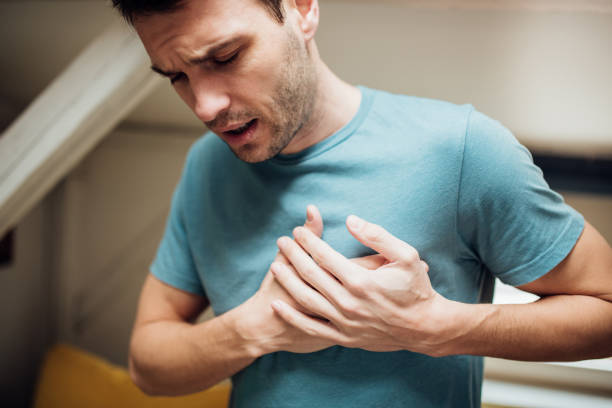
Symptoms typically include:
The urgency: Once a coronary artery is occluded, the heart muscle supplied by that artery begins to die. Every minute of untreated ischemia increases the amount of permanent damage. Rapid revascularization (restoration of blood flow) either by primary angioplasty (emergency PCI) or by thrombolysis can save myocardium and lives. Primary angioplasty performed by an experienced team in a dedicated cath lab is the preferred option for STEMI when it can be done quickly — which is why being treated at a primary angioplasty centre in Punjab with a short door to balloon time is vital.
Door to balloon time is the interval from a patient's arrival at the hospital to the first inflation of the angioplasty balloon that re-establishes blood flow in the blocked coronary artery. International guidelines and quality standards emphasize minimizing this time because shorter door to balloon times are associated with lower mortality and better functional recovery.
Targets and guidelines:
Why shorter is better: Observational and registry data show that every 30-minute delay in reperfusion increases mortality and heart failure risk. Therefore, hospitals measure door to balloon time and implement system changes to reduce it — from rapid triage and immediate ECG to pre-notification, cath lab activation, on-call team arrival, and streamlined consent and registration procedures.
Livasa Amritsar has established a structured emergency heart attack pathway to deliver rapid STEMI care. The pathway integrates pre-hospital coordination, emergency department processes, cardiology assessment, and immediate transfer to the 24x7 cath lab when indicated. Below is a step-by-step description of how the pathway operates from the moment a patient arrives at the hospital or is identified in the field.
1) Pre-hospital recognition and ambulance activation: When a patient or bystander calls emergency services or the hospital line (+91 80788 80788), trained dispatchers and paramedics prioritize suspected STEMI. If available, paramedics perform a 12-lead ECG in the ambulance and transmit it to Livasa Amritsar. Early ECG enables the cath lab team to prepare before arrival, which shortens the door to balloon time. This component supports regional goals for the STEMI protocol Punjab.
2) Immediate triage and fast-track ECG at arrival: On arrival at Livasa Amritsar, suspected heart attack patients are fast-tracked. A nurse and emergency physician perform an immediate focused assessment, vitals and ECG. If the ECG shows STEMI, the cardiology team is alerted and the cath lab is activated while the patient is still being stabilized in the emergency area.
3) Rapid decision and consent: The interventional cardiologist reviews the ECG and clinical status. When primary PCI is indicated, the team explains the procedure and risk-benefit to the patient or family and obtains informed consent as quickly as possible. Administrative formalities are minimized, and pre-procedure blood tests are done concurrently to avoid delay.
4) Direct transfer to cath lab and door to device: The patient is transported directly to the cath lab with cardiac monitoring and oxygen/analgesia as needed. The goal is to minimize non-essential delays such as repeated consultations or radiologic transfers. Once vascular access is obtained, the interventional cardiologist performs angiography and angioplasty with stent implantation if required. Door to balloon time is recorded in the patient’s record and continuous quality improvement processes review each case to identify delays.
5) Post-procedure care and rehabilitation planning: After primary PCI, the patient is monitored in the coronary care unit with guideline-directed medical therapy (antiplatelets, statins, beta-blockers, ACE inhibitors when indicated) and cardiac rehabilitation planning. Discharge education includes lifestyle modification, medication adherence, and follow-up appointments.
This clear, rehearsed pathway — supported by a 24x7 cath lab and multidisciplinary team — allows Livasa Hospitals Amritsar to function as a primary angioplasty centre in Amritsar and a referral hub for serious STEMI cases across Punjab.
Treatment choices for an acute STEMI typically include primary angioplasty (PCI), intravenous thrombolysis (clot-busting drugs), or in rare cases, urgent coronary artery bypass grafting (CABG). Deciding the best option depends on time since symptom onset, availability of a PCI-capable centre, patient comorbidities and stability. The table below summarizes the major procedural differences and expected recovery timelines.
| Procedure type | Benefits | Recovery time |
|---|---|---|
| Primary angioplasty (PCI) | Highest patency, lower risk of reinfarction and death when performed rapidly; allows stent placement | 24–72 hours hospital stay typical; faster functional recovery with cardiac rehab |
| Thrombolysis (fibrinolytic therapy) | Faster to deliver in non-PCI centres or if transport delays expected; useful within early symptom window | Hospital stay 3–5 days; risk of bleeding complications; may require later PCI |
| Coronary artery bypass grafting (CABG) | Better for complex multi-vessel disease or mechanical complications; durable long-term results | Longer hospitalization (7–14 days) and slower recovery (weeks) |
For most STEMI patients who can reach a PCI-capable hospital quickly, primary angioplasty is the preferred choice. In regions of Punjab where transport time to a PCI centre is prolonged, thrombolysis remains an important life-saving measure — but prompt transfer to a centre like Livasa Amritsar for early PCI (so-called pharmaco-invasive strategy) is often the best compromise.
Achieving consistently short door to balloon times requires a systems approach. At Livasa Amritsar the focus is on pre-hospital integration, streamlined hospital processes, trained personnel, and continual performance monitoring. These elements make the hospital one of the leading primary angioplasty centres in Punjab.
Key components:
These interventions are supported by training drills, simulation of emergency activation, and patient pathways that prioritize rapid revascularization. As a result, Livasa Amritsar is positioned as a leading centre for emergency PCI in Amritsar and contributes to regional initiatives to reduce door to balloon time in Punjab hospitals.
Good outcomes in STEMI care are closely linked to time to reperfusion. Globally, improvements in systems of care and wider access to primary PCI have led to significant reductions in mortality over the last two decades. Specific statistics help clarify the impact:
Cost considerations are important for families. The price of primary angioplasty varies by hospital, complexity and consumables used (number and type of stents). Below is a generalized cost comparison to help families understand typical ranges; actual costs at Livasa Amritsar may vary and patients should speak with the hospital billing team for a personalised estimate.
| Service | Typical cost range (Punjab/Amritsar) | Notes |
|---|---|---|
| Primary angioplasty (straightforward, single stent) | INR 1.5–3.0 lakhs | Costs reflect device, procedure, ICU/stay and medicines |
| Primary angioplasty (complex, multiple stents) | INR 2.5–5.0 lakhs | Higher for multiple/bioresorbable or drug-eluting stents |
| Thrombolysis | INR 10,000–30,000 | Less expensive but may require later PCI |
Financial counselling and insurance facilitation are part of Livasa Amritsar’s emergency program. For families asking "what is the cost of primary angioplasty in Amritsar" or "cost of angioplasty Amritsar," the hospital’s billing team can provide case-specific estimates and support with government schemes or private insurance claim processing. Remember that rapid primary PCI not only improves survival but can reduce long-term healthcare costs by preventing heart failure and readmissions.
Knowing what to do during a heart attack is just as important as knowing where to go. In Amritsar and nearby areas, quick recognition and early activation of emergency medical services can shorten pre-hospital delays and improve chances of receiving emergency PCI in Amritsar.
Practical steps for patients and families:
If a local non-PCI hospital is the nearest option and transport time to a PCI-capable centre will be long, paramedics or physicians may administer thrombolysis immediately and then transfer for a planned PCI (pharmaco-invasive strategy). Knowing local resources — for example, where to get angioplasty in Amritsar — helps families make informed choices at the time of crisis.
Families and patients often have questions when a heart attack occurs. Below are common FAQs and clear answers that reflect the procedures and capabilities of centres like Livasa Amritsar.
Q: How long is door to balloon time?
A: Door to balloon time varies by hospital and circumstances. High-performing centres target ≤90 minutes and many aim for ≤60 minutes for direct presentations. At Livasa Amritsar, the emphasis is on rapid activation to meet or surpass regional targets for door to balloon time Amritsar.
Q: What is the difference between thrombolysis and PCI?
A: Thrombolysis involves intravenous drugs that dissolve clots and can be given quickly, especially in facilities without a cath lab. PCI (primary angioplasty) mechanically opens the blocked artery and places a stent — it is generally superior when it can be done promptly. See the comparison table earlier for recovery times and benefits.
Q: Is emergency PCI available 24x7 in Amritsar?
A: Yes — several hospitals now maintain 24x7 cath lab services. Livasa Hospitals Amritsar maintains a Livasa cath lab Amritsar 24x7 service and a rapid STEMI pathway to provide emergency PCI around the clock.
Q: How much does angioplasty cost in Amritsar?
A: Costs vary by case complexity. Refer to the estimated cost ranges shown earlier. Livasa Amritsar provides financial counselling and assistance with insurance and scheme claims to help families manage costs.
Q: Can I be transferred from a smaller hospital to Livasa Amritsar for primary PCI?
A: Yes. Many patients are referred or transferred from district hospitals and clinics. If thrombolysis is given at the referring hospital due to delay, a timely transfer for early PCI (pharmaco-invasive care) often follows.
Rapid, organized care for heart attacks saves myocardium and lives. For residents of Amritsar and surrounding Punjab regions, the most important actions are early recognition, calling for emergency help, getting to a primary angioplasty centre in Amritsar when feasible, and insisting on rapid activation of the STEMI protocol Punjab if STEMI is suspected. Livasa Hospitals — Livasa Amritsar provides a dedicated emergency heart attack pathway with a 24x7 cath lab, trained interventional cardiology teams and streamlined protocols designed to reduce door to balloon time and improve outcomes.
If you or a loved one experiences symptoms suggestive of a heart attack in Amritsar, do not delay: call for emergency help or the hospital at +91 80788 80788. For non-emergent questions, appointments, or to learn more about Livasa Amritsar’s cardiology services, you can book online at https://www.livasahospitals.com/appointment.
Livasa Hospitals (Livasa Amritsar) operates a 24x7 cath lab and rapid STEMI pathway to provide emergency heart attack care in Amritsar and across Punjab. For emergency assistance call: +91 80788 80788. For appointments and non-emergent queries: Book online.
Note: This information provides an overview and does not replace medical advice. In an emergency, call local emergency services or the hospital immediately.
Obesity and Joint Replacement: Weight and BMI Guidelines in Amritsar
Diabetes, Heart Disease and Joint Replacement: Multispeciality Care in Amritsar
Home Modifications After Joint Replacement: Safety Tips for Amritsar Patients
Livasa Healthcare Group Corporate Office,Phase-8, Industrial Area, Sector 73, Sahibzada Ajit Singh Nagar, Punjab 160071
| Mohali | +91-99888 23456 |
| Amritsar | +91-99887 49494 |
| Hoshiarpur | +91-99883 35353 |
| Nawanshahr | +91-75081 82337 |
| Khanna | +91-98888 05394 |
