03 Aug 2026
Obesity and Joint Replacement: Weight and BMI Guidelines in Amritsar

27 Feb 2026
Call +91 80788 80788 to request an appointment.
Choosing between angioplasty (percutaneous coronary intervention, PCI) and coronary artery bypass grafting (CABG) can feel overwhelming. This guide from Livasa Hospitals Mohali explains both procedures in clear, patient-friendly language, compares benefits and risks, reviews recovery and costs in Punjab, and helps you decide when a second opinion or specialist referral is warranted. If you need an expert cardiology consultation or a second opinion in Mohali, contact Livasa Mohali at +91 80788 80788 or book an appointment online.
Coronary artery disease (CAD) — narrowing or blockage of the heart’s blood vessels — is a leading cause of death worldwide and in India. Two main revascularisation options to restore blood flow are angioplasty with stent (PCI) and coronary artery bypass grafting (CABG). Both aim to relieve symptoms like chest pain and breathlessness, reduce heart muscle damage in emergencies, and improve survival in specific situations. Understanding which option is better for a given patient depends on the number and location of blockages, presence of diabetes, heart function, age, coexisting medical conditions, and patient preferences.
This article focuses on practical, localised information for patients in Mohali and Punjab who are weighing "angioplasty vs bypass Mohali" or searching for "which is better bypass or stent" and "heart surgery opinion Mohali." We explain causes and symptoms that lead to these procedures, detail how each is performed (including advanced options at Livasa Mohali such as minimally invasive cardiac surgery and state-of-the-art cath lab services like OCT and IVUS), compare risks and recovery, and provide transparent cost comparisons for Punjab and Mohali. We also cover when to seek a second opinion in cardiology and how to choose the right specialist or cardiac surgeon in Mohali.
Coronary artery disease (CAD) develops when fatty plaques (atherosclerosis) build up inside coronary arteries that supply the heart muscle. Over time, these plaques narrow the vessel lumen, reducing blood and oxygen delivery. Severe narrowing or plaque rupture can cause unstable chest pain (unstable angina) or a heart attack (myocardial infarction). Typical symptoms prompting evaluation include:
Causes and risk factors for CAD include smoking, high blood pressure, high cholesterol, diabetes, obesity, physical inactivity, family history, and advancing age. In India, and particularly in Punjab, the prevalence of CAD is rising because of lifestyle changes and a high rate of diabetes and metabolic syndrome. Global statistics estimate CAD causes around 17.9 million deaths annually. In India, cardiovascular diseases account for approximately 28% of total deaths in adults, with northern states like Punjab seeing a high burden due to dietary and lifestyle patterns.
When medical therapy (lifestyle changes, antiplatelet drugs, statins, blood pressure and diabetes control) is insufficient to control symptoms or when blockages threaten heart function, revascularisation through PCI (angioplasty with stent) or CABG (bypass surgery) may be recommended. Choosing the appropriate strategy balances short-term risks, long-term outcomes, and individual patient factors such as the presence of diabetes, extent of disease (single, double, or multivessel), and left main coronary artery involvement.
Angioplasty, or percutaneous coronary intervention (PCI), is a minimally invasive procedure performed in a cardiac catheterisation laboratory (cath lab) to widen narrowed coronary arteries and restore blood flow. A small wire is passed through an artery (usually in the wrist or groin) to the blocked coronary vessel. A balloon is inflated at the site of narrowing to compress plaque and increase vessel diameter. In most cases, a stent (a small metal mesh tube) is inserted to scaffold the artery open.
PCI is commonly recommended for:
Advanced techniques available at modern centres like Livasa Hospitals Mohali include Rotablation (ROTA) for heavily calcified lesions, OCT (optical coherence tomography) and IVUS (intravascular ultrasound) for precise imaging and optimal stent placement, and Impella device support for high-risk PCI cases. Emergency angioplasty is lifesaving when performed promptly for heart attacks, and prompt door-to-balloon times are a key quality metric.
Common risks of PCI include bleeding at the access site, contrast-induced kidney injury, stent thrombosis (rare with proper antiplatelet therapy), restenosis (less common with drug-eluting stents), and in rare cases, emergency conversion to surgery. Stent lifespan varies: modern drug-eluting stents greatly reduce restenosis risk and often remain patent for many years; however, lifelong secondary prevention (statins, antiplatelets, lifestyle changes) is essential.
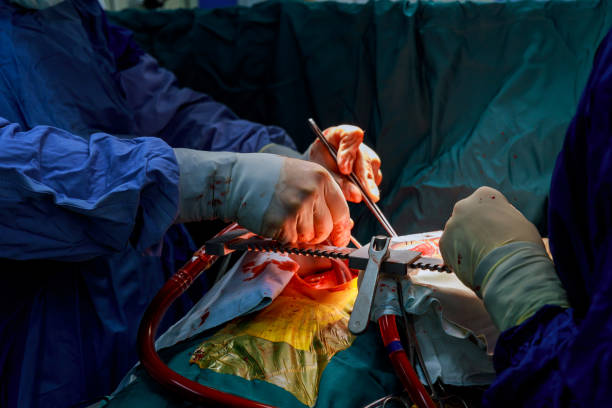
Coronary artery bypass grafting (CABG), commonly called heart bypass surgery, is a surgical procedure that creates new pathways to bypass blocked coronary arteries using grafts taken from the patient’s own veins or arteries (often the internal mammary artery or saphenous vein). Traditional CABG involves a median sternotomy (opening the chest) but advanced centres, including Livasa Mohali, also offer minimally invasive cardiac surgery (MICS) techniques which use smaller incisions for selected patients.
CABG is typically recommended for:
CABG provides durable long-term relief and superior survival benefits in specific subgroups such as diabetics with multivessel disease and patients with significant left main disease. Risks include wound infection, stroke (rare), bleeding, kidney dysfunction, and longer hospital stays and recovery compared to PCI. Advances such as off-pump CABG, minimally invasive CABG, and hybrid procedures (combining PCI and limited bypass) have expanded options and reduced invasiveness for selected patients.
Choosing between PCI and CABG is a collaborative process involving cardiologists, cardiac surgeons, and the patient. The heart team approach evaluates anatomical, clinical, and patient-related factors. Core decision points include:
In Mohali and across Punjab, many patients seek a heart surgery opinion Mohali or a second opinion cardiology Mohali to ensure the recommended strategy fits their clinical profile and life circumstances. Livasa Mohali provides a multidisciplinary heart team with experienced interventional cardiologists and cardiac surgeons who use tools such as IVUS and OCT to plan optimal treatment and can offer both high-risk PCI (with Impella support if needed) and minimally invasive CABG when appropriate.
Comparing PCI and CABG requires looking at short-term and long-term outcomes. Short-term, PCI has lower immediate morbidity, shorter hospital stays, and faster return to routine activities. Long-term, CABG may provide better durability and reduced need for repeat revascularisation in certain populations (e.g., diabetics and complex multivessel disease). Below are clear side-by-side comparisons.
| Procedure type | Benefits | Recovery time |
|---|---|---|
| Percutaneous coronary intervention (PCI) / angioplasty + stent | Minimally invasive, shorter hospital stay, quicker return to activity, suitable for emergency heart attacks | 24-72 hours in hospital; return to daily activities within 1-2 weeks |
| Coronary artery bypass grafting (CABG) | More complete revascularisation for complex disease, better long-term durability in specific groups (e.g., diabetics) | 7-10 days in hospital; 6-12 weeks for full recovery (shorter for minimally invasive CABG) |
Statistically, large trials and meta-analyses (e.g., SYNTAX, FREEDOM) have shown:
Risk profiles differ: PCI risks center around access-site complications, restenosis (rare with modern drug-eluting stents), and stent thrombosis if antiplatelet therapy is interrupted. CABG risks include surgical complications, longer recovery, and potential neurocognitive or wound-related issues, but offers more definitive revascularisation in many complex cases.
Cost is a major consideration for many patients in Punjab and Mohali. Prices can vary widely based on hospital strategy, implant (type and number of stents), surgeon fees, ICU stay, and complications. Below are approximate ranges typical for tertiary centres in Punjab including Mohali as of 2026. These figures are estimates and can change—always verify with your hospital billing team and insurance provider.
| Procedure | Estimated cost in Mohali / Punjab (INR) | What affects cost |
|---|---|---|
| Angioplasty (single drug-eluting stent) | ₹1.2 lakh to ₹2.5 lakh | Type of stent, emergency vs elective, hospital stay, imaging and consumables |
| Angioplasty (multiple stents) | ₹2.5 lakh to ₹5.5 lakh+ | Number of stents, complexity, additional devices like rotablation |
| CABG (single or double bypass, conventional) | ₹2.5 lakh to ₹6 lakh | Number of grafts, ICU days, blood transfusions, comorbidities |
| CABG (complex, multiple grafts or minimally invasive CABG) | ₹3.5 lakh to ₹8 lakh+ | Hybrid procedures, MICS, and post-op complications |
Many hospitals in Mohali, including Livasa Hospitals Mohali, work with major insurers and offer financial counselling to explore cashless insurance authorisation, instalment plans, and government schemes. When comparing the cost of angioplasty vs bypass Mohali or CABG cost Mohali, consider not just the initial procedure price but also long-term needs such as repeat procedures (more likely after PCI in complex disease), medications (antiplatelets after PCI and CABG), and cardiac rehabilitation.
Recovery expectations differ widely between angioplasty and bypass. After PCI, most patients are discharged within 24–72 hours and can resume light activities in a few days, returning to more strenuous activities typically within 1–2 weeks, depending on occupation and overall health. After CABG, hospital stays of 7–10 days are common; full recovery can take 6–12 weeks, though minimally invasive CABG may shorten this.
Key components of post-procedural care include:
In Mohali, access to structured cardiac rehabilitation varies; Livasa Hospitals Mohali supports a comprehensive heart program including physiotherapy, lifestyle counselling, and follow-up clinics to optimise recovery. Patients should adopt heart-healthy habits permanently: smoking cessation, Mediterranean-style diet, controlled salt intake, weight management, regular physical activity, and strict control of diabetes and cholesterol. Lifestyle change plus medical therapy prevents disease progression whether the patient underwent PCI or CABG.
Choosing between "stent vs bypass Mohali" or deciding "which is better angioplasty or bypass Punjab" should be an informed shared decision. Here are practical steps patients and family members can take:
Questions to ask your care team:
The heart team model at Livasa Hospitals Mohali—where interventional cardiologists, cardiac surgeons, anaesthesiologists and rehabilitation specialists jointly review cases—helps patients make balanced decisions. If you search for "best cardiologist Punjab", "top cardiologist Mohali", or "cardiac surgeon for bypass Mohali", inquire about multidisciplinary care and outcomes rather than only individual credentials.
Immediate medical attention is vital for symptoms suggesting a heart attack. Call emergency services or go to the nearest emergency department if you experience:
For non-emergent decisions—such as choosing between elective PCI and CABG or planning complex revascularisation—consider a second opinion cardiology Mohali. A second opinion can confirm optimal strategy, clarify risks, and reduce decisional uncertainty. Livasa Mohali provides second-opinion services, heart-team discussions, and outpatient consultations to help families evaluate options. When requesting a second opinion bring previous test results, angiogram images (DICOM/CD), and medication lists to streamline the review.
The choice between angioplasty and bypass surgery is highly individual. For many patients with single-vessel or focal lesions, PCI offers rapid symptom relief and short recovery. For patients with complex multivessel disease, left main disease, or diabetes, CABG often provides more durable results with fewer repeat procedures. A heart-team discussion, careful review of angiograms, and consideration of patient preferences and comorbidities are essential.
If you are in Mohali or elsewhere in Punjab and searching for reliable guidance on angioplasty vs CABG Mohali, PCI vs CABG Punjab or need a heart surgery opinion Mohali, the multidisciplinary cardiology and cardiac surgery team at Livasa Hospitals Mohali can help. Call +91 80788 80788 or book an appointment online for a heart team consultation, second opinion, or emergency care.
Livasa Mohali offers a modern cath lab with OCT and IVUS imaging, rotablation for calcified lesions, high-risk PCI with mechanical support when needed, and minimally invasive cardiac surgery options—ensuring you have access to the full range of revascularisation choices close to home.
For questions or to speak with our cardiology team about costs, financing, or a second opinion, call +91 80788 80788 or visit https://www.livasahospitals.com/appointment. Your heart health deserves careful evaluation; the right procedure for you depends on your individual anatomy, health, and goals—let us help you make an informed decision.
Disclaimer: This article provides general information and should not replace personalised medical advice. Consult a cardiologist or cardiac surgeon at Livasa Hospitals Mohali for diagnosis and tailored treatment. Cost estimates are indicative and may vary.
Obesity and Joint Replacement: Weight and BMI Guidelines in Amritsar
Diabetes, Heart Disease and Joint Replacement: Multispeciality Care in Amritsar
Home Modifications After Joint Replacement: Safety Tips for Amritsar Patients
Livasa Healthcare Group Corporate Office,Phase-8, Industrial Area, Sector 73, Sahibzada Ajit Singh Nagar, Punjab 160071
| Mohali | +91-99888 23456 |
| Amritsar | +91-99887 49494 |
| Hoshiarpur | +91-99883 35353 |
| Nawanshahr | +91-75081 82337 |
| Khanna | +91-98888 05394 |
