03 Aug 2026
Obesity and Joint Replacement: Weight and BMI Guidelines in Amritsar

Dr. Harinder K Bali
17 Nov 2025
Call +91 80788 80788 to request an appointment.
Livasa Hospitals — Livasa Amritsar provides urgent cardiothoracic and vascular care for patients with life-threatening conditions such as aortic dissection and the spectrum of acute aortic syndrome. This guide is written for patients, families, and primary care providers in Amritsar and across Punjab to explain the condition, how it presents, how it is diagnosed, and the treatment options available locally, including emergency aortic surgery in Punjab. For urgent referral or appointment, call +91 80788 80788 or book an appointment.
An aortic dissection occurs when a tear develops in the inner layer (intima) of the aortic wall, allowing blood to pass between layers of the vessel and creating a false channel (false lumen). This process can rapidly compromise blood flow to critical organs and may result in rupture of the aorta — a surgical emergency. The term acute aortic syndrome refers to a group of life-threatening aortic conditions that share similar presentations: aortic dissection, intramural hematoma, and penetrating atherosclerotic ulcer. These conditions require rapid diagnosis and treatment to reduce the risk of death or permanent organ damage.
In practical terms, an aortic dissection can be divided into Type A (involving the ascending aorta) and Type B (confined to the descending aorta), each with different urgency and treatment strategies. Type A dissections are often treated as surgical emergencies, while Type B may be managed medically or with endovascular techniques depending on complications.
In Amritsar and across Punjab, awareness of acute aortic syndrome is crucial because early recognition and transfer to a facility capable of CT angiography and cardiothoracic surgery — such as Livasa Amritsar — can be lifesaving. This page details causes, symptoms, diagnostic pathways (including CT angiography in Amritsar), and care pathways for patients who need emergency aortic surgery in Punjab.
Aortic dissection is uncommon but devastating. Worldwide incidence is estimated at roughly 2 to 4 cases per 100,000 people per year, but the true burden is likely underreported because many cases are fatal before reaching hospital. Several risk factors increase susceptibility to aortic dissection; many of these are common across Punjab and India.
In Punjab, where hypertension awareness and control remain areas of public health focus, early detection and aggressive management of blood pressure are central to prevention. If you have a known thoracic aortic aneurysm, connective tissue disease, or family history of aortic dissection, inform your cardiologist and consider regular imaging surveillance (for example, CT angiography in Amritsar or transthoracic/transesophageal echocardiography).
Aortic dissection can present in multiple ways. The classic symptom is sudden, severe pain, but presentations may also be subtle, especially in elderly patients. Recognizing early symptoms and seeking immediate care in Amritsar or the nearest emergency department can save lives.
Classic features include:
Immediate symptoms of aortic dissection in Amritsar or Punjab should prompt emergency evaluation — especially when combined with known risk factors such as long-standing hypertension or known aortic aneurysm. If someone experiences sudden severe chest or back pain of unknown cause, call emergency services or proceed to an emergency aorta-capable center like Livasa Amritsar. Time matters: every hour of delay increases the risk of complications and death.
Fast and accurate diagnosis is essential. The diagnostic pathway combines clinical assessment with imaging and laboratory tests. At Livasa Amritsar and centers across Punjab, the diagnostic workup typically includes:
CT angiography in Amritsar is widely available at major centers and is a cornerstone of diagnosis in acute settings. CT angiography Punjab is a frequently used search phrase by patients; at Livasa Amritsar we ensure 24/7 availability of CTA with cardiothoracic surgical backup. Typical CT angiography cost in Amritsar varies by facility and extent of imaging; patients often see a range from approximately ₹6,000 to ₹15,000 depending on contrast use, coverage, and emergency charges. Discussing cost and urgent approval with hospital administration and insurance is important during emergency transfers.
Aortic dissections are categorized by location and anatomy. Two commonly used classifications are the Stanford system (Type A vs Type B) and the DeBakey system. The Stanford classification is most actionable clinically because it guides immediate management:
| Type | Anatomic description | Typical management |
|---|---|---|
| Type A | Involves the ascending aorta; may extend to arch and descending aorta | Emergency surgical repair (open or hybrid), urgent stabilization |
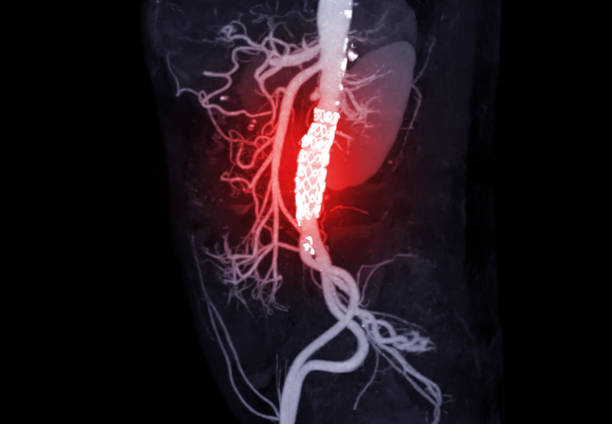
| Type B | Confined to the descending thoracic aorta (distal to left subclavian) | Medical management for uncomplicated cases; TEVAR (thoracic endovascular aortic repair) or surgery for complications |
This distinction matters in Amritsar and Punjab because it determines whether a patient needs emergent cardiothoracic surgery (often available only at specialized centers like Livasa Hospitals Amritsar) or whether they may be managed initially with blood pressure control and transfer to an endovascular-capable center. Type A dissection in Amritsar is treated as an emergency aortic event and usually requires immediate operative intervention to prevent catastrophic complications such as cardiac tamponade, severe aortic regurgitation, or rupture.
Treatment is individualized based on the type of dissection, hemodynamic status, comorbidities, and local resource availability. At Livasa Amritsar we provide a full spectrum of care, from aggressive medical therapy and monitoring to endovascular repair and open aortic surgery with cardiopulmonary bypass when required. Below is a summary and comparison of major treatment options.
| Procedure type | Benefits | Recovery time |
|---|---|---|
| Medical management (blood pressure control) | stabilizes uncomplicated Type B dissections; avoids surgical risk | Usually outpatient follow-up after hospital stabilization; weeks to months of monitoring |
| Thoracic endovascular aortic repair (TEVAR) | Less invasive, shorter ICU stay, good option for complicated Type B and some hybrid repairs | Days to weeks; quicker than open thoracotomy |
| Open surgical repair (ascending aorta/arch) | Definitive repair for Type A; allows aortic valve and root interventions | Weeks to months for full recovery; longer ICU and hospital stay |
| Minimally invasive cardiac approaches | Smaller incisions, less pain; selected cases and hybrid approaches | Often shorter hospitalization than full sternotomy |
Medical stabilization focuses on controlling heart rate and blood pressure rapidly — typically with intravenous beta-blockers and vasodilators — to reduce shear stress on the aortic wall. For Type A dissection Amritsar patients, emergency transfer for cardiothoracic surgery is needed; at Livasa Amritsar our team is prepared for emergency aortic surgery in Punjab with dedicated ICU support and experienced aortic surgeons.
For Type B dissections, conservative therapy is common unless complications arise (continued pain, expansion of the false lumen, branch vessel compromise, or signs of rupture), at which point TEVAR or open repair is considered. TEVAR is increasingly used due to favorable early outcomes and faster recovery; however, long-term surveillance is essential because of potential endoleaks or progression.
Rapid coordination between emergency services, cardiology, radiology, and cardiothoracic surgery is vital. The typical emergency pathway for suspected aortic dissection in Amritsar and Punjab includes:
At Livasa Amritsar, we maintain protocols for urgent transfer and operative readiness. Families and referring clinicians can contact our emergency aortic care team directly through the main switchboard at +91 80788 80788 to expedite referrals. Early recognition and transport to a center with CT angiography and surgical teams improves survival chances substantially.
Prognosis depends on the type of dissection, how quickly it is treated, and the patient's overall health. Untreated Type A dissections carry very high mortality — estimates suggest mortality increases by roughly 1–3% per hour in the first 48 hours. With timely surgical intervention, early operative survival in specialized centers can exceed 70–80%, although mortality varies with age, comorbidities, and complications.
For Type B dissections, uncomplicated cases managed medically have lower immediate mortality but require lifelong surveillance due to risk of late aneurysm formation and complications. Endovascular repair (TEVAR) for complicated Type B has improved early outcomes compared to open surgery and reduces hospital stay.
Relevant statistics and public health context:
Long-term follow-up is essential: surveillance imaging (CT or MRI) at regular intervals, strict blood pressure control, lipid management, smoking cessation, and lifestyle modification significantly improve long-term outcomes. Patients operated at Livasa Hospitals are enrolled in structured follow-up programs with multidisciplinary care including cardiology, vascular surgery, and rehabilitation.
Cost is a common concern for families facing urgent aortic care. Costs depend on urgency, type of surgery, ICU days, blood products, graft materials, and rehabilitation needs. In Amritsar, approximate ranges are provided below as general guidance; actual expenses vary by patient and hospital.
If you are searching for the best aortic surgeon in Punjab or the best aortic dissection surgeon in Amritsar, look for centers with multidisciplinary aortic teams, 24/7 CTA access, experienced cardiothoracic and vascular surgeons, and a dedicated ICU. Livasa Hospitals Amritsar offers integrated cardiology and cardiothoracic surgery services, advanced cath lab and imaging, and minimally invasive cardiac surgery expertise for suitable cases. To discuss costs, financing options, or urgent transfer, call +91 80788 80788 or book an appointment.
Recognizing red flags and having a plan for urgent transfer are key. If you suspect aortic dissection in Amritsar, do the following:
After emergency treatment or surgery, the family should expect:
Livasa Amritsar provides counseling for families on postoperative expectations, home care, medication management, and follow-up imaging schedules to ensure the best outcomes for patients across Punjab.
Aortic dissection and the broader category of acute aortic syndrome are time-sensitive emergencies that require a high index of suspicion, rapid imaging (especially CT angiography in Amritsar), and prompt decision-making about medical stabilization versus urgent intervention. In Punjab, better hypertension control, early recognition of symptoms, and clear transfer pathways to centers with cardiothoracic and endovascular expertise improve survival.
Livasa Hospitals — Livasa Amritsar is equipped to evaluate and manage complex aortic conditions with 24/7 imaging, interventional cardiology, and cardiothoracic surgery teams. We provide:
If you or a loved one has sudden severe chest or back pain, or if you have known aortic disease and new symptoms, do not delay. For urgent consultation, transfer information, or to schedule follow-up with an aortic dissection specialist in Amritsar, contact Livasa Amritsar at +91 80788 80788 or book an appointment online.
Livasa Hospitals Amritsar is available for emergency aortic evaluation and treatment. Call +91 80788 80788 now or book an urgent appointment. Our multidisciplinary team will guide you through rapid diagnosis, stabilization, and definitive therapy.
Address: Livasa Hospitals, Amritsar. For directions, referrals, and transfer protocols, call our helpline: +91 80788 80788.
Obesity and Joint Replacement: Weight and BMI Guidelines in Amritsar
Diabetes, Heart Disease and Joint Replacement: Multispeciality Care in Amritsar
Home Modifications After Joint Replacement: Safety Tips for Amritsar Patients
Livasa Healthcare Group Corporate Office,Phase-8, Industrial Area, Sector 73, Sahibzada Ajit Singh Nagar, Punjab 160071
| Mohali | +91-99888 23456 |
| Amritsar | +91-99887 49494 |
| Hoshiarpur | +91-99883 35353 |
| Nawanshahr | +91-75081 82337 |
| Khanna | +91-98888 05394 |
