03 Aug 2026
Obesity and Joint Replacement: Weight and BMI Guidelines in Amritsar

27 Feb 2026
Call +91 80788 80788 to request an appointment.
Livasa Hospitals, Livasa Mohali provides comprehensive care for heart rhythm disorders with dedicated cardiac electrophysiology (EP) services. If you are searching for arrhythmia treatment Mohali or a palpitation specialist Mohali, this guide explains causes, symptoms, diagnostic strategies such as EP study Mohali, procedural options like heart rhythm ablation, and practical information on EP study cost Mohali and ablation costs in Mohali and Punjab. Call +91 80788 80788 or book an appointment to consult an electrophysiologist in Mohali.
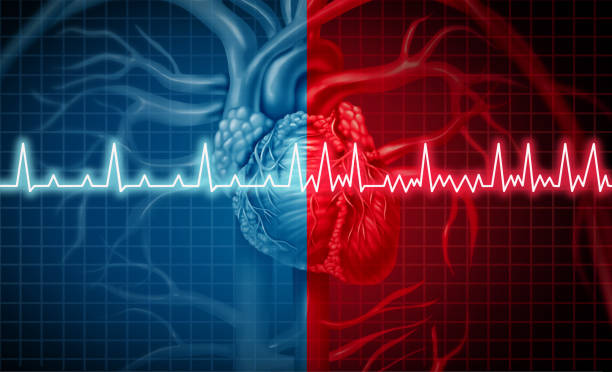
Heart rhythm problems — broadly called arrhythmias — are common and range from harmless palpitations to life-threatening conditions. A palpitation specialist or arrhythmia specialist recognizes whether your symptoms represent benign skipped beats or a disorder that needs urgent treatment, such as atrial fibrillation (AFib), ventricular tachycardia (VT), supraventricular tachycardia (SVT), or premature ventricular contractions (PVCs). An electrophysiologist (EP) is a cardiologist with specialized training in diagnosing and treating arrhythmias through medicines, implantable devices (pacemaker, ICD), and catheter-based procedures (EP study and catheter ablation).
In Mohali and the surrounding Chandigarh Tricity area, demand for focused arrhythmia clinics is growing as awareness increases and advanced treatments like AFib ablation become more accessible. At Livasa Mohali, the arrhythmia clinic Punjab offers an integrated EP lab Mohali with experienced electrophysiologists to manage palpitations, complex arrhythmias, and recurrent syncope. This blog covers what patients should know about causes, tests, treatment choices, costs (EP study cost Mohali, AFib ablation cost Mohali), and how to choose the best arrhythmia hospital Punjab.
An arrhythmia is any abnormality in the heart's electrical system that changes the timing or pattern of heartbeats. Normal rhythm originates in the sinoatrial (SA) node and follows a predictable path. When impulses start from other locations, or conduction is delayed or blocked, beats can be too fast (tachycardia), too slow (bradycardia), or irregular. Palpitations describe the subjective sensation of feeling your heart beat — it can feel like fluttering, pounding, skipped beats, or racing. While palpitations often accompany arrhythmias, not all arrhythmias cause noticeable palpitations and not all palpitations indicate dangerous arrhythmias.
Common arrhythmia types include:
Understanding the difference between symptomatic palpitations and clinically significant arrhythmias helps guide evaluation. In Mohali, patients who feel repeated palpitations, dizziness, shortness of breath, or fainting should be assessed at a specialized arrhythmia clinic Mohali where a palpitation specialist Mohali or electrophysiologist Mohali can provide targeted diagnostic testing and management.
Arrhythmias result from structural heart disease, electrical disturbances, metabolic causes, medications, or lifestyle factors. Knowing the underlying cause is crucial to tailor treatment. Common causes and risk factors include:
Global estimates indicate atrial fibrillation affects roughly 1-2% of the population and prevalence increases with age. In India, AFib prevalence is rising due to increased longevity and greater detection; conservative estimates place clinically recognized AFib at around 0.5–1% with higher rates among the elderly. In Punjab and Mohali, growing rates of hypertension, diabetes, and lifestyle risk factors make arrhythmia clinics like Livasa Mohali important for early detection and comprehensive arrhythmia treatment Punjab.
A palpitation specialist Mohali will evaluate medical history, family history, current medications, and lifestyle to identify modifiable risks, including treating thyroid disease, correcting electrolytes, and recommending weight loss or sleep apnea management where relevant. This individualized approach is fundamental to reducing recurrence and improving long-term outcomes.
Symptoms of arrhythmias vary. Some people are asymptomatic and an arrhythmia is detected incidentally on exam or ECG; others experience noticeable symptoms that warrant immediate evaluation. Common symptoms include:
Seek urgent care or an emergency visit if you experience:
For recurrent palpitations that occur but are not life-threatening, book an appointment with a palpitation clinic Mohali. The arrhythmia specialist Mohali will perform targeted testing to identify the rhythm abnormality and discuss management options. In Mohali and Punjab, early referral to an electrophysiologist can reduce stroke risk (in AFib), limit hospital admissions, and prevent progression of heart failure in vulnerable patients.
Accurate diagnosis of an arrhythmia begins with a structured approach: history and physical exam followed by electrocardiographic testing. Common tests available at an arrhythmia clinic Mohali include:
An EP study Mohali is the definitive test for many patients whose arrhythmia cannot be identified by noninvasive methods or for those being considered for ablation. The procedure involves inserting catheters into veins (usually the femoral vein) to record intracardiac signals and perform programmed electrical stimulation. The EP lab Mohali at Livasa Hospitals is equipped with advanced mapping systems to precisely localize arrhythmia foci. During the EP study, the electrophysiologist may induce the arrhythmia under controlled conditions to study its mechanism and guide therapy.
Noninvasive monitors remain the first choice for many patients with palpitations because they are simple and often capture the culprit rhythm. However, persistent or complex arrhythmias — especially those causing syncope or associated with structural heart disease — benefit from EP study and possible ablation. If you are researching "EP study cost Mohali" or "EP lab Mohali", Livasa Mohali consultants can discuss necessity, benefits, and expected outcomes during your appointment.
Arrhythmia treatment is individualized. The choice depends on arrhythmia type, symptom burden, underlying heart disease, and patient preference. Core options include:
Choosing between medical therapy and procedures involves weighing benefits, risks, and likelihood of long-term success. Catheter ablation is increasingly regarded as first-line therapy for many symptomatic SVTs and is increasingly offered for AFib (especially paroxysmal AF). At Livasa Mohali, the arrhythmia clinic Punjab discusses each option with clear comparisons, including expected recovery, success rates, and potential complications.
To make comparisons clearer, the following table summarizes common procedure types, benefits and recovery time:
| Procedure type | Benefits | Recovery time |
|---|---|---|
| Minimally invasive catheter ablation | High success for SVT/PVC/most AFib, low blood loss, shorter hospital stay | 24–72 hours typical; return to normal activity in 3–7 days |
| Device implantation (pacemaker/ICD) | Prevents bradycardia or sudden cardiac death; reliable long-term rhythm support | Overnight stay; activity restrictions for 1–4 weeks |
| Open surgical/maze procedures | Comprehensive access for structural heart disease; combined with valve surgery when needed | Longer hospital stay; several weeks of recovery |
If you are recommended an EP study or heart rhythm ablation in Mohali, Livasa Mohali provides an organized pathway from pre-procedure assessment to follow-up. The EP lab Mohali is set up with modern mapping systems, fluoroscopy, and cryoablation / radiofrequency capabilities. The typical patient journey includes:
Typical procedure durations vary: simple SVT ablation may take 1–3 hours; AFib ablation usually takes 2–6 hours depending on anatomy and mapping. Most patients report symptom improvement within weeks. The Livasa Hospitals arrhythmia clinic Mohali emphasizes patient education on activity restrictions, wound care, and follow-up schedule. For same-day queries, call +91 80788 80788.
Cost is an important factor when planning arrhythmia treatment. Prices vary based on procedure complexity, devices used, hospital infrastructure, and clinician experience. Below is a practical comparison table showing typical cost ranges in Mohali and Punjab; exact prices at Livasa Hospitals Mohali will be provided during consultation and depend on individual needs, hospital admission charges, and consumables used.
| Procedure / Test | Typical cost range in Mohali (INR) | Notes |
|---|---|---|
| 12-lead ECG | 500–1,500 | Outpatient, quick |
| 24–48 hour Holter | 1,500–4,000 | Longer monitoring options cost more |
| EP study (diagnostic) | 40,000–1,00,000 | Depends on complexity, hospital class |
| SVT Ablation (catheter) | 60,000–1,50,000 | Often single-session cure |
| PVC ablation / focal VT ablation | 80,000–2,00,000+ | Complex mapping increases cost |
| Atrial fibrillation (AFib) ablation | 1,50,000–4,00,000+ | Depends on mapping tech and consumables |
| Pacemaker implantation | 1,00,000–2,50,000+ | Dual-chamber or CRT devices cost more |
Note: The costs above are indicative and may vary across hospitals and individual patient needs. Many hospitals in Mohali, including Livasa Hospitals, provide detailed cost estimates and can assist with insurance pre-authorization for covered procedures. Ask about bundled pricing for EP study + ablation if both are likely in one session. If affordability is a concern, discuss financing options with the hospital billing team when you call +91 80788 80788.
Selecting the right arrhythmia clinic and electrophysiologist impacts diagnostic accuracy and procedural outcomes. Consider the following factors when searching for the best arrhythmia hospital Punjab or the best EP cardiologist Mohali:
Livasa Hospitals arrhythmia clinic Mohali provides a multidisciplinary pathway with experienced electrophysiologists, an EP lab Mohali with advanced mapping, and support services for anticoagulation management, imaging, and cardiac rehabilitation. When you search for "arrhythmia clinic Mohali Punjab," consider calling the hospital at +91 80788 80788 to speak with a coordinator who can explain physician credentials, procedure volumes, and outcomes.
Understanding the expected course after diagnosis or procedure helps patients prepare. Many arrhythmias can be effectively managed or cured, but long-term success depends on the type of arrhythmia and presence of underlying heart disease. Typical outcomes:
Prevention and risk reduction are equally important. In Mohali and across Punjab, addressing modifiable risks such as hypertension, diabetes, obesity, alcohol use, and untreated sleep apnea reduces the incidence and progression of arrhythmias. Patients with AFib should be assessed for stroke risk (CHA2DS2-VASc score) and offered anticoagulation when indicated. Regular follow-up at the arrhythmia clinic Mohali ensures medication optimization, device checks, and early detection of recurrences.
Livasa Mohali arrhythmia clinic emphasizes patient education, shared decision-making, and personalized rehabilitation to maximize long-term outcomes. Contact the clinic to learn about success rates for specific procedures and the expected recovery pathway for your condition.
Below are practical answers to common questions patients ask when considering arrhythmia treatment in Mohali and the region.
Q: What is the EP study cost in Mohali and will insurance cover it?
A: EP study cost Mohali typically ranges between INR 40,000–1,00,000 depending on diagnostics and hospital class. Insurance coverage varies by policy; many plans cover diagnostic EP studies and therapeutic ablation when medically necessary. Livasa Hospitals billing team can assist with pre-authorization and cost estimates.
Q: Is catheter ablation painful?
A: Ablation is performed under conscious sedation or general anesthesia depending on the procedure. Patients usually feel pressure at the catheter entry site but not pain during the ablation. Mild soreness at the groin and transient fatigue are common after the procedure.
Q: How long is recovery after AFib ablation?
A: Most patients are observed overnight and discharged within 24 hours. Activity restriction and gradual return to normal activities over 1–2 weeks is common. Full symptom improvement may take weeks to months. Anticoagulation is continued based on stroke risk and physician guidance.
Q: Can palpitations be prevented?
A: Many palpitations are preventable by addressing triggers — reduce caffeine and alcohol, treat sleep apnea, manage blood pressure, maintain healthy weight, and avoid recreational stimulants. For arrhythmias related to structural or electrical disease, targeted medical or procedural therapy is needed.
If you have additional questions or would like to consult an arrhythmia specialist Mohali or electrophysiologist Mohali, reach Livasa Hospitals at +91 80788 80788 or book an appointment online.
If you are experiencing palpitations, dizziness, or have been told you have an arrhythmia, specialist care at Livasa Mohali can provide accurate diagnosis and effective treatment. Call +91 80788 80788 or book an appointment with our arrhythmia clinic Mohali. Our electrophysiologist team will review your case, discuss EP study Mohali, ablation options like AFib ablation Mohali, and provide an individualized cost estimate including EP study cost Punjab and ablation cost Mohali where applicable.
Livasa Hospitals: Your partner for comprehensive arrhythmia treatment in Punjab — combining advanced technology, experienced electrophysiologists, and patient-centered care.
Obesity and Joint Replacement: Weight and BMI Guidelines in Amritsar
Diabetes, Heart Disease and Joint Replacement: Multispeciality Care in Amritsar
Home Modifications After Joint Replacement: Safety Tips for Amritsar Patients
Livasa Healthcare Group Corporate Office,Phase-8, Industrial Area, Sector 73, Sahibzada Ajit Singh Nagar, Punjab 160071
| Mohali | +91-99888 23456 |
| Amritsar | +91-99887 49494 |
| Hoshiarpur | +91-99883 35353 |
| Nawanshahr | +91-75081 82337 |
| Khanna | +91-98888 05394 |
