03 Aug 2026
Obesity and Joint Replacement: Weight and BMI Guidelines in Amritsar

Dr. Aditya Bhardwaj
19 Dec 2025
Call +91 80788 80788 to request an appointment.
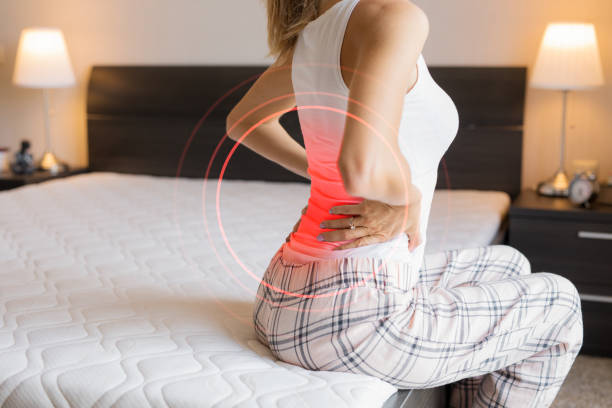
Back pain is one of the most common reasons people visit an orthopaedic clinic and seek orthopaedics treatment in Amritsar. Whether you are a daily commuter in Amritsar, a factory worker, a student sitting through long classes, a new mother, or an older adult with age-related changes, understanding the causes, symptoms, and treatment options for back pain is key to timely recovery. This comprehensive patient-friendly guide from Livasa Hospitals — Livasa Amritsar explains the common and uncommon causes of back pain in Amritsar, how it is diagnosed, what treatments are available locally in Punjab and Amritsar, and practical prevention tips you can use at home and at work. If you need to speak to a specialist, you can call us at +91 80788 80788 or book an appointment online.
Back pain, particularly lower back pain, is a leading cause of disability worldwide and a major contributor to lost workdays and reduced quality of life. Globally, an estimated about 540 million people have low back pain at any one time and it remains the single largest contributor to years lived with disability in many global burden of disease reports. In India and Punjab, back pain is increasingly common due to lifestyle changes, sedentary jobs, rising obesity rates, and an ageing population. In cities such as Amritsar, orthopaedic outpatient clinics report a substantial proportion of visits for back pain symptoms, covering a wide age range: adolescents with postural issues, adults with work-related strains, pregnant women with mechanical back pain, and older adults with degenerative spine conditions.
Back pain is not a single disease; it is a symptom that can arise from many different structures — intervertebral discs, facet joints, muscles, ligaments, nerve roots, bones (fractures), infections, or even tumours in rare cases. Understanding the exact cause is important because management ranges from simple home treatments and physiotherapy to injections and surgical procedures supervised by a back pain specialist in Amritsar. Early, accurate diagnosis helps limit disability, reduces the risk of chronic pain, and in many cases avoids unnecessary tests or aggressive interventions.
Clinicians categorize back pain in several ways to guide diagnosis and treatment. Broadly, back pain can be acute (lasting days to weeks), subacute (weeks to months), or chronic (lasting more than 3 months). Another useful classification is mechanical versus non‑mechanical pain. Mechanical pain relates to movement and posture and is the most common type; it includes muscle strain, facet joint pain, and degenerative disc disease. Non-mechanical pain may be constant and progressive and can be due to infection, inflammatory disease, or tumour.
Important clinical patterns patients notice include:
In Amritsar’s clinics, patients frequently describe back pain related to prolonged sitting, incorrect lifting at work, sports injuries, and pregnancy-related postural changes. Recognizing these patterns helps your Livasa Hospitals back pain specialist determine the next steps for diagnosis and tailor a treatment plan suitable for your lifestyle and occupation in Amritsar and Punjab.
The causes of back pain in Amritsar reflect both general worldwide causes and local lifestyle factors. Below we describe the most common specific causes seen at orthopaedic hospital Punjab centres and especially at Livasa Amritsar:
Each cause has specific red flags and typical examination findings; therefore, a targeted approach at Livasa Hospitals Amritsar ensures correct diagnosis and avoids delays. If you live in areas near Golden Temple, Ranjit Avenue, Hall Bazaar or surrounding neighbourhoods in Amritsar and experience persistent or severe back pain, early assessment by our spine specialist Punjab team is recommended.
Most back pain is benign and improves with conservative care, but knowing when to seek urgent medical attention is critical. Common back pain symptoms range from mild ache to severe stabbing pain and may include numbness, tingling, or weakness in the legs. Red flag symptoms that should prompt immediate evaluation at a back pain clinic in Amritsar or an emergency department include:
If you notice any of these red flags in Amritsar, call your doctor immediately or go to the nearest emergency department. Livasa Amritsar has pathways for urgent assessment and rapid imaging when needed. For non-urgent but persistent symptoms — pain lasting more than 4–6 weeks despite self-care — book an appointment with a back pain specialist Amritsar who can arrange targeted investigations and start appropriate treatment.
A careful history and physical examination by an orthopaedic doctor or spine specialist is the first step in diagnosis. Based on clinical findings, the doctor may recommend the following investigations:
Cost is an important consideration for many patients. Typical approximate costs in Amritsar and wider Punjab (prices vary by centre and test complexity) are often as follows:
| Investigation | Purpose | Approx cost in Amritsar (₹) |
|---|---|---|
| X-ray (lumbar spine) | Assess bones, alignment | 500–1,500 |
| MRI lumbar spine | Disc, nerves, soft tissues | 3,000–8,000 |
| CT scan | Detailed bone imaging | 2,000–6,000 |
| EMG/NCS | Nerve function testing | 2,500–6,000 |
Livasa Hospitals Amritsar can coordinate imaging and diagnostic tests quickly. We advise discussing expected costs and insurance coverage at the time of booking. For many common back pain problems, a careful clinical assessment and targeted MRI are sufficient to guide treatment without unnecessary tests.
Treatment for back pain ranges from simple home remedies and physiotherapy to injections and surgery. The right approach depends on the cause, severity, neurological findings, functional impairment, and patient preferences. Below is an overview of commonly used treatments including non‑surgical and surgical options routinely provided in Amritsar and Punjab.
Most acute back pain responds well to conservative care over days to weeks:
For patients who do not respond to conservative care, interventional procedures may be helpful:
Surgery is reserved for selected patients — those with progressive neurological deficits, severe disc herniation not responding to conservative care, instability, or deformity. Advances in spine surgery allow minimally invasive techniques that reduce hospital stay and speed recovery. Typical surgical procedures offered in Amritsar include:
When considering surgical or interventional treatments, it helps to compare options in terms of benefits, risks, recovery time and cost. The table below provides a concise comparison commonly discussed with patients at Livasa Amritsar. Costs are approximate ranges in Amritsar and may vary by hospital, surgeon, implants required and length of stay.
| Procedure type | Benefits | Recovery time | Approx cost in Amritsar (₹) |
|---|---|---|---|
| Minimally invasive surgery (MISS) | Less pain, smaller scars, shorter hospital stay | 2–6 weeks | 1,20,000–3,50,000 |
| Open decompression (laminectomy) | Effective for severe stenosis; direct decompression | 4–12 weeks | 80,000–2,50,000 |
| Spinal fusion | Stabilizes spine for instability or deformity | 3–6 months | 1,50,000–5,00,000+ |
| Epidural steroid injection | Reduces nerve root inflammation, minimally invasive | Immediate relief; weeks–months | 5,000–20,000 |
Choosing between procedures depends on symptom duration, imaging findings, neurological status, comorbidities, and personal priorities. At Livasa Amritsar, our spine specialist team discusses benefits and risks and helps you understand expected recovery and cost considerations, including insurance coverage and possible financing.
Recovery does not end when pain decreases; rehabilitation and long-term management are central to preventing recurrence. Physiotherapy for back pain in Amritsar is widely recommended and focuses on a combination of education, exercise, manual therapy, and ergonomic training. A typical rehabilitation plan includes sensorimotor control, core strengthening, hip and leg flexibility, and graded aerobic conditioning.
Long-term care strategies that reduce recurrence include:
Specialized rehabilitation programs at Livasa Hospitals Amritsar integrate physiotherapy, pain management, occupational therapy and patient education. For chronic back pain treatment Punjab patients, structured multidisciplinary care yields the best long-term outcomes and helps maintain independence and function.
Preventing back pain is often easier than treating chronic symptoms. Simple, consistent measures can cut your risk significantly. Here are practical, evidence-based back pain prevention tips particularly useful for people living in Amritsar and surrounding areas:
Home remedies for back pain in Amritsar that often provide short-term relief include judicious use of hot/cold therapy, over-the-counter analgesics, and gentle stretching. However, if pain persists beyond 2–4 weeks, becomes severe, or is accompanied by the red flag signs described earlier, consult a back pain doctor in Amritsar for further assessment rather than relying solely on home treatment.
Choosing the best doctor for back pain in Amritsar involves considering credentials, experience with spine disorders, availability of multidisciplinary services (imaging, physiotherapy, pain clinic, and surgical care), and patient-centred communication. For complex or persistent problems, seek a back pain specialist Amritsar or spine surgeon who works as part of a team that includes physiotherapists and pain specialists.
You should see a specialist in Amritsar when:
At Livasa Hospitals Amritsar, our spine specialist team evaluates patients with a structured approach — history, targeted physical exam, and appropriate imaging — to create an individualized care plan. We offer a full range of orthopaedics treatment Amritsar services including physiotherapy back pain Amritsar, MRI for back pain Amritsar, minimally invasive spine surgery Amritsar, and pain management clinic Amritsar. To book a consultation, call +91 80788 80788 or book online.
Many patients ask which treatment is best for back pain. The decision is individualised and often follows a stepwise approach: conservative care first, then targeted injections for selected cases, and surgery for specific indications or failed conservative care. The table below contrasts these options to help you understand typical differences.
| Treatment | When used | Benefits | Limitations |
|---|---|---|---|
| Physiotherapy/exercise | First-line for most mechanical back pain | Improves function, reduces recurrence | Requires time, patient adherence |
| Interventional injections | Radicular pain or facet pain not responding to meds | Targeted relief, diagnostic value | Temporary relief; multiple injections may be needed |
| Surgery | Neurological deficits, instability, or failed conservative care | Definitive relief for specific pathologies | Risks of surgery, recovery time and costs |
Discuss the options with your Livasa back pain specialist in Amritsar who will explain the expected outcome, potential complications, and alternatives tailored to your condition and goals.
Livasa Hospitals Amritsar offers integrated orthopaedics treatment Amritsar services focused on spine care. Our strengths include experienced spine surgeons and orthopaedic doctors, on-site MRI and imaging services, a physiotherapy department experienced in back pain rehabilitation, and a pain management clinic providing image-guided injections. We emphasise shared decision-making, transparent discussions about back pain cost in Amritsar, and careful planning for recovery and return to everyday activities.
When you visit Livasa Amritsar for back pain:
For appointments with our spine specialist or to discuss back pain management in Amritsar, call +91 80788 80788 or book online. Our team regularly treats patients from across Amritsar zones including Golden Temple area, Ranjit Avenue, Hall Bazaar and surrounding localities, providing evidence-based care with compassion.
Back pain in Amritsar is common but often manageable with the right approach. Key takeaways for patients:
If your back pain is impacting daily life, interfering with work, or accompanied by worrying symptoms, do not delay seeking professional care. Livasa Hospitals Amritsar is equipped to evaluate and treat a full spectrum of back pain conditions — from conservative management and physiotherapy back pain Amritsar services to advanced minimally invasive spine surgery and spinal fusion when required. Our team will work with you to create a personalised plan with attention to your goals, budget, and recovery timeline.
If you are searching for a back pain specialist near me Amritsar or the best doctor for back pain in Amritsar, Livasa Hospitals Amritsar provides prompt access to spine specialists, diagnostic imaging and rehabilitation services. Call us at +91 80788 80788 or book online.
For emergencies such as sudden severe weakness, loss of bladder/bowel control, or severe trauma — go to the nearest emergency department or contact our emergency services immediately.
Obesity and Joint Replacement: Weight and BMI Guidelines in Amritsar
Diabetes, Heart Disease and Joint Replacement: Multispeciality Care in Amritsar
Home Modifications After Joint Replacement: Safety Tips for Amritsar Patients
Livasa Healthcare Group Corporate Office,Phase-8, Industrial Area, Sector 73, Sahibzada Ajit Singh Nagar, Punjab 160071
| Mohali | +91-99888 23456 |
| Amritsar | +91-99887 49494 |
| Hoshiarpur | +91-99883 35353 |
| Nawanshahr | +91-75081 82337 |
| Khanna | +91-98888 05394 |
