03 Aug 2026
Obesity and Joint Replacement: Weight and BMI Guidelines in Amritsar

03 Feb 2026
Call +91 80788 80788 to request an appointment.
Choosing the best hospital for knee replacement in Mohali is an important decision that affects pain relief, mobility, long-term function and overall quality of life. This guide is written to help patients and families compare hospitals, evaluate surgeons, understand procedure options including robotic knee replacement Mohali and minimally invasive knee replacement Mohali, estimate costs and plan recovery. Wherever you are searching for "TKR near me", "knee replacement cost in Mohali" or "top orthopaedic surgeon Mohali", this article provides a clear, evidence-driven checklist and practical next steps — with details about Livasa Hospitals, Livasa Mohali and how to book a consultation.
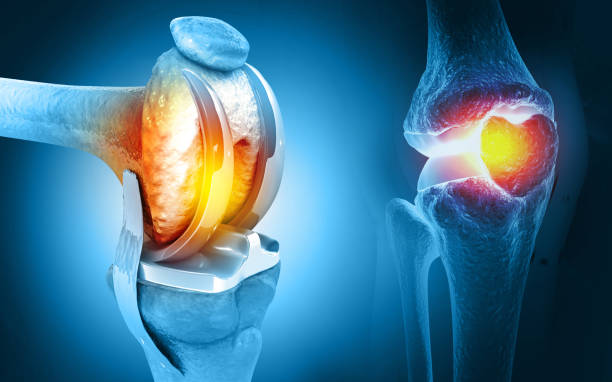
Knee replacement — also known as total knee arthroplasty (TKR) or partial knee replacement — is a well-established, often life-changing surgery for patients with advanced arthritis, post-traumatic joint damage or deformities that limit mobility and cause chronic pain. Every year millions worldwide undergo knee replacement to restore function and reduce pain; globally there are over a million knee replacements performed each year, and India contributes a growing share as access to orthopaedic care expands.
If you live in Mohali, Chandigarh, Panchkula or surrounding areas of Punjab and are researching the best knee replacement hospital Punjab or the best orthopaedic hospital in Punjab for knee replacement, you need information that balances clinical quality, surgeon experience, technology, cost, and rehabilitation services. This blog lays out a detailed checklist to evaluate a centre and highlights how Livasa Mohali approaches knee replacement care, including contact details to book a consultation: Book a consultation at Livasa Mohali or call +91 80788 80788.
Knee replacement is a surgical procedure that replaces damaged or worn surfaces of the knee joint with artificial components (prostheses). The goal is to relieve pain, correct deformity and restore function. There are several forms of knee replacement:
Who needs knee replacement? Typical indications include:
Symptoms that commonly lead patients to consider knee replacement include chronic pain at rest or with activity, night pain, swelling, stiffness (difficulty bending or straightening the knee), functional decline (difficulty walking stairs, rising from a chair), and reduced quality of life. A thorough assessment by an experienced orthopaedic team in Mohali includes clinical evaluation, X-rays and sometimes MRI or CT scans to confirm the extent of joint damage and plan surgery.
Successful knee replacement is not just about the operation — it depends on a coordinated system: preoperative assessment, experienced surgeons, modern operating rooms, infection control, implant selection, anaesthesia protocols, and structured rehabilitation. Selecting the best knee replacement hospital in Mohali or the top orthopaedic surgeon Mohali matters because it affects outcomes such as pain relief, implant longevity, complication rates, and speed of recovery.
Important quality metrics patients should consider include:
For patients in Mohali and Punjab, proximity combined with high-quality care matters. Choosing a high-quality centre such as Livasa Mohali can reduce travel burden while providing access to advanced options like robotic TKR, pain management pathways and comprehensive physiotherapy to optimize outcomes.
Use this practical checklist when assessing a hospital for knee replacement in Mohali or surrounding areas. The checklist is grouped into clinical care, technology, safety, rehabilitation and cost — each explained in detail so you can ask targeted questions at consultation.
When you contact a hospital in Mohali, ask for details about each point above. For example, request the typical length of hospital stay, how many TKRs the orthopaedic team performs annually, whether robotic assistance is offered and the physiotherapy plan after discharge.
Livasa Hospitals, Livasa Mohali provides a focused orthopaedics, joint replacement and spine surgery service designed to treat the full range of knee problems — from primary osteoarthritis to complex revisions. The strength of a top knee centre rests on clinical leadership, so patients should evaluate the credentials and patient outcomes of the orthopaedic team.
What you should expect from a leading team:
Livasa Mohali emphasises transparent care planning. If you request an appointment with a knee specialist at Livasa Hospitals, you can discuss whether you are a candidate for minimally invasive knee replacement Mohali or robotic knee replacement Mohali, and ask for details about outcomes, expected recovery and the hospital's infection control and rehabilitation programs. To schedule, call +91 80788 80788 or book online.
Modern knee replacement offers multiple surgical options. The most appropriate choice depends on disease extent, age, activity level and patient goals. Below is a clear comparison of common procedure types to help you understand the differences and recovery expectations.
| Procedure type | Benefits | Recovery time (typical) |
|---|---|---|
| Total knee replacement (TKR) | Addresses multi-compartment disease, predictable pain relief and function | 4–12 weeks for daily activities; 3–6 months for strength/return to higher activity |
| Partial (unicompartmental) knee | Smaller incision, bone-preserving, quicker early recovery; suitable if disease is limited | 2–6 weeks for daily activities; up to 3 months for full recovery |
| Robotic-assisted knee replacement | Improved precision for implant positioning and alignment; may improve early function | Similar to TKR: early mobilisation same day or next day; 6–12 weeks for routine activities |
| Revision knee replacement | Restores function after implant failure, infection or loosening; technically more complex | Longer recovery: 3–6 months for basic activities; up to 12 months for maximal recovery |
| Same-day / outpatient TKR | Short hospital stay or discharge same day for selected healthy patients, faster home recovery | Early mobilisation within hours; safe discharge with home physiotherapy support |
Choosing the right procedure is a collaborative decision between you and your surgeon. Patients with controlled medical conditions, good social support and motivation may be candidates for same day knee replacement Mohali or outpatient pathways. For younger, active patients, implant selection and alignment techniques aim to preserve bone and maximise longevity. If you are looking specifically for best hospital for robotic TKR Mohali, ask the centre about robotic systems, surgeon training and whether they can show comparative outcomes.
Cost is an important factor when choosing a knee replacement centre. In Mohali and across Punjab, knee replacement cost Punjab varies with procedure type, implant brand, hospital facilities and length of stay. Below are typical cost ranges to help you plan, but always request a written estimate from the hospital because final charges depend on personalised treatment plans and any medical comorbidities.
| Procedure/Package | Approximate cost range (INR) | Notes |
|---|---|---|
| Primary total knee replacement (standard implant) | INR 1,40,000 – 3,00,000 | Includes implant, theatre, hospitalization; higher-end implants increase cost |
| Robotic-assisted TKR | INR 2,00,000 – 4,50,000 | Higher due to robot system and planning CT; may vary by implant brand |
| Partial knee replacement | INR 1,20,000 – 2,50,000 | Less invasive option for select patients; shorter stays |
| Revision knee replacement | INR 2,50,000 – 6,00,000+ | Complex surgery with variable implant and hospital needs; higher costs expected |
These are approximate ranges for Mohali and broader Punjab; actual costs at Livasa Hospitals, Livasa Mohali will depend on the implant selection (standard vs premium), whether robotic assistance is chosen and the patient's medical condition. Many patients ask "how much does knee replacement cost in Mohali?" or request a "knee replacement cost estimate Mohali" — Livasa offers clear package information and helps with insurance processing. If affordability is a concern, ask about finance options and whether the hospital provides packaged care that includes physiotherapy and follow‑up.
Recovery after knee replacement is a structured process that begins the day of surgery and continues for months. Patients should understand expected milestones, common complications and the role of physiotherapy in achieving the best outcome.
Typical recovery timeline:
Outcomes and success rates: Modern knee replacements show high patient satisfaction and implant survival. Typical published survival rates for modern TKR implants are around 90–95% at 10 years, with lower revision rates in older, lower-activity populations. In Punjab and at dedicated centres like Livasa Mohali, outcomes reflect careful patient selection, infection prevention and robust rehabilitation programs.
Complications to be aware of include infection, blood clots (DVT/PE), stiffness, persistent pain or implant loosening. Many of these risks are mitigated with preoperative optimisation (managing diabetes, weight, smoking cessation), perioperative protocols and early physiotherapy. Ask the hospital about their knee replacement success rate Punjab, DVT prevention protocols and how they support patients who live outside Mohali with remote follow-up or physiotherapy referrals.
Revision knee replacement is a more complex operation performed when a primary implant fails due to loosening, wear, infection or instability. Revision rates vary by age, activity and implant type; younger patients and high-activity lifestyles tend to have higher long-term revision risks. Typical revision rates range from 5–10% over 10–15 years depending on demographics and implant types used.
If you are considering revision surgery in Punjab or searching for "revision knee replacement Mohali" or "revision knee replacement Punjab", there are several issues to consider:
Livasa Mohali provides revision capabilities supported by specialised implants, experienced surgeons and a multidisciplinary care team. If you are exploring revision options, arrange a detailed evaluation that includes imaging, laboratory tests and a clear plan for implant selection and rehabilitation.
When you are ready to decide, follow these practical steps to ensure you choose the best knee replacement hospital in Mohali for your needs. Use this checklist during consultations and preoperative visits.
For residents of Mohali and nearby Chandigarh or Zirakpur, meeting the team in person at Livasa Mohali helps you get a realistic plan tailored to your lifestyle. To schedule a consultation, call +91 80788 80788 or book an appointment online. During the appointment, ask the team for a personalised knee replacement consultation Mohali and a cost estimate for the recommended procedure.
Choosing the best hospital for knee replacement in Mohali means selecting a centre with experienced surgeons, modern technology (including robotic knee replacement Punjab where indicated), strong infection control, and a comprehensive rehabilitation pathway. The decision is personal and should be based on clinical needs, surgeon expertise and practical considerations like cost and proximity.
Livasa Hospitals (Livasa Mohali) offers integrated orthopaedic care, experienced knee surgeons and a patient-focused pathway from preoperative assessment to post-discharge rehabilitation. Whether you need primary TKR, partial replacement, robotic guidance or revision surgery, Livasa Mohali provides transparent guidance, cost estimates and multidisciplinary follow-up to support safe recovery and the best possible functional outcome.
For an expert consultation with a top knee surgeon in Mohali, call +91 80788 80788 or book an appointment online. Mention this guide when you call to receive a personalised knee replacement consultation Mohali and a clear cost estimate.
Keywords people search: best knee replacement hospital Mohali, top knee surgeon Punjab, knee replacement cost in Mohali, robotic knee replacement Mohali, minimally invasive knee replacement Mohali, same day knee replacement Mohali.
Q: How long will I stay in hospital after TKR?
A: Hospital stay varies by protocol and patient health. Many centres in Mohali offer same-day discharge or 1–3 days for uncomplicated primary TKR. Rehabilitation continues at home or in outpatient physiotherapy.
Q: Is robotic TKR better than conventional?
A: Robotic-assisted TKR can improve the accuracy of alignment and implant positioning. Clinical benefits include potential for improved early function; long-term superiority is still being studied. It is best chosen based on surgeon recommendation and patient-specific anatomy.
Q: What affects knee replacement cost in Mohali?
A: Key cost factors include implant brand (standard vs premium), choice of robotic assistance, length of stay, comorbidities requiring extra care, and the rehabilitation plan. Always request an itemised estimate.
Disclaimer: This article is informational and does not replace personalised medical advice. Outcomes vary by individual. For tailored recommendations, schedule a consultation with a qualified orthopaedic surgeon at Livasa Mohali: call +91 80788 80788 or book online.
Obesity and Joint Replacement: Weight and BMI Guidelines in Amritsar
Diabetes, Heart Disease and Joint Replacement: Multispeciality Care in Amritsar
Home Modifications After Joint Replacement: Safety Tips for Amritsar Patients
Livasa Healthcare Group Corporate Office,Phase-8, Industrial Area, Sector 73, Sahibzada Ajit Singh Nagar, Punjab 160071
| Mohali | +91-99888 23456 |
| Amritsar | +91-99887 49494 |
| Hoshiarpur | +91-99883 35353 |
| Nawanshahr | +91-75081 82337 |
| Khanna | +91-98888 05394 |
