03 Aug 2026
Obesity and Joint Replacement: Weight and BMI Guidelines in Amritsar

03 Feb 2026
Call +91 80788 80788 to request an appointment.
If you or a loved one is researching the best hospital for laparoscopic hernia surgery in Punjab, this comprehensive guide explains what laparoscopic hernia repair involves, who is an ideal candidate, relative benefits and risks, cost factors in Mohali and Punjab, and why many patients choose Livasa Hospitals — Livasa Mohali for minimally invasive hernia care. For appointments call +91 80788 80788 or book online at Livasa Hospitals appointment.
This article is designed for patients and families looking for clear, reliable, and locally relevant information about laparoscopic hernia surgery in Mohali and broader Punjab. Hernias are one of the most common surgical conditions worldwide. Globally, an estimated around 20 million hernia repairs are performed every year, with a large proportion being inguinal (groin) hernias. In India and Punjab, the adoption of laparoscopic techniques for hernia repair has grown substantially over the past decade because of reduced postoperative pain, shorter hospital stays and quicker return to work. However, choosing the right hospital and surgeon remains crucial to optimize outcomes.
This page will help you understand the different types of hernia and the difference between laparoscopic and open repair; discuss eligibility and preoperative evaluation; explain the step-by-step laparoscopic technique used at modern centers like Livasa Mohali; present comparative tables for quick decisions; provide realistic cost ranges for Mohali and Punjab; and share tips on choosing the best hernia surgeon in Mohali. We will include practical guidance about emergency situations and realistic expectations for recovery.
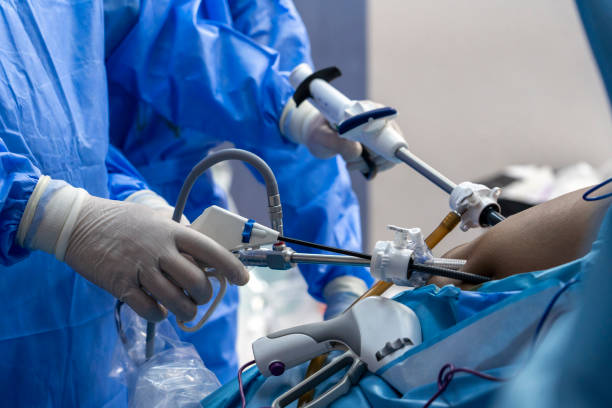
Laparoscopic hernia repair is a minimally invasive surgical technique used to fix hernias through small incisions using a camera (laparoscope) and specialized instruments. Instead of a large cut, the surgeon makes a few small (5–10 mm) incisions. A high-definition camera provides magnified visualization of the defect, and a synthetic mesh is commonly placed to reinforce the weakened tissue. The technique can be applied to several hernia types, most commonly inguinal (groin) and ventral (abdominal wall or incisional) hernias.
Key technical aspects:
Advantages of the laparoscopic approach typically include less surgical trauma, smaller scars, less early postoperative pain, shorter hospital stay and a faster return to daily activities. However, it requires an experienced laparoscopic hernia surgeon and appropriate hospital infrastructure—reasons why patients search for the best laparoscopic hernia surgeon in Mohali and the top hernia hospital in Punjab.
A hernia occurs when an internal organ or tissue protrudes through a weakness in the surrounding muscle or connective tissue. Understanding what type of hernia you have is essential to selecting the right repair method and to discussing outcomes and costs. The most common types include:
Risk factors that lead to hernia formation include chronic cough, constipation with straining, heavy physical work, obesity, pregnancy, prior abdominal surgeries and congenital tissue weakness. In Punjab, where manual labour and heavy physical work are common in certain communities, the incidence of symptomatic hernias presenting for surgery is substantial. Early diagnosis and treatment reduce risk of complications such as incarceration (trapped contents) and strangulation (loss of blood supply), which are surgical emergencies.
Symptoms vary by hernia type and severity. Typical symptoms of an abdominal wall or inguinal hernia include a visible or palpable lump that increases with standing or straining, localized pain or discomfort, a dragging sensation, and in advanced cases, nausea and vomiting if obstruction develops. Some hernias are painless and discovered incidentally during examination or imaging. It's important to recognize warning signs that indicate emergency care:
Diagnosis typically involves a clinical examination by an experienced hernia surgeon. When the physical exam is unclear, imaging helps confirm the diagnosis and plan the repair. Typical diagnostic tools:
Not every patient with a hernia is an immediate candidate for laparoscopic repair. Candidate selection balances the type and size of hernia, patient comorbidities, prior abdominal surgeries and surgeon experience. Typical candidates for laparoscopic hernia repair include:
Preoperative evaluation at a quality hernia center like Livasa Mohali typically includes:
Complex cases (very large defects, loss of domain, contaminated fields, or patients unfit for general anaesthesia) may be better served by an open or staged approach. At Livasa Hospitals we follow best-practice patient selection protocols and present treatment options including laparoscopy hernia repair center Punjab alternatives when required.
This section outlines a typical laparoscopic inguinal hernia repair (TEP or TAPP) and highlights important variations. Exact steps vary by surgeon preference and patient anatomy; this description is intended to set expectations.
Typical steps for a laparoscopic inguinal hernia repair:
For laparoscopic ventral or incisional hernia repair, access and mesh placement differ: intraperitoneal onlay mesh (IPOM) or enhanced techniques (laparoscopic retromuscular repair) may be used. In all cases, the surgeon considers mesh type, fixation and prevention of adhesions.
At Livasa Mohali our operating rooms are equipped with high-definition laparoscopy towers, advanced energy devices, and a range of meshes to customize repair. Experienced anaesthesia and postoperative protocols are in place to reduce nausea, pain and length of stay. The majority of straightforward laparoscopic inguinal repairs are performed as day-care or overnight-stay procedures in Mohali's best laparoscopic hernia centers.
Deciding between laparoscopic and open hernia repair depends on many factors. The table below compares the two approaches across common decision points to help you evaluate options when searching for the best hospital for inguinal hernia repair Mohali or the best hernia surgeon in Mohali.
| Procedure type | Benefits | Typical recovery time |
|---|---|---|
| Laparoscopic (TEP/TAPP) | Less postoperative pain, smaller scars, faster return to work, better for bilateral and recurrent hernias | 2–14 days for basic activities; 2–6 weeks for full activity depending on job |
| Open mesh repair (Lichtenstein) | Familiar technique, effective for large defects, shorter operative time in some hands | 7–21 days for basic activities; 4–8 weeks for full activity depending on job |
While laparoscopic techniques offer clear advantages in many patients, open repair remains preferable for some complex ventral hernias, contaminated surgical fields, or when general anaesthesia is contraindicated. Good centers provide both options and individualize decisions based on evidence, surgeon expertise and patient preferences.
No surgical procedure is risk-free. Laparoscopic hernia repair is associated with low complication rates when performed by experienced surgeons. Common and uncommon risks include:
Success rates: Internationally, laparoscopic inguinal hernia repair has recurrence rates typically less than 2–5% in experienced centers at medium-term follow-up. Short-term return-to-work and patient satisfaction rates are high. In local context, high-volume hernia centers in Punjab and Mohali report comparable success and low complication rates when proper case selection and follow-up protocols are followed.
At Livasa Mohali we track outcomes with standardized follow-up and audit recurrence and complication rates. Evidence-based perioperative measures such as minimally invasive technique, multimodal analgesia, early ambulation, and wound care protocols reduce risks and improve recovery. Patients are given clear instructions on activity limits, wound care, signs of complication and timelines for follow-up visits.
Cost is an important consideration for many patients. The price for laparoscopic hernia repair varies by region, hospital category, anesthesia, length of stay, mesh selection and complexity of the hernia. Below is a generalized comparison table to help set expectations for patients searching for the laparoscopic hernia repair cost Punjab or specifically the cost of laparoscopic hernia surgery in Mohali. These are approximate ranges and actual quotes should be confirmed with the hospital.
| Procedure | Approximate cost in Mohali (INR) | Notes |
|---|---|---|
| Laparoscopic inguinal hernia repair | 50,000 – 1,50,000 | Depends on mesh, day-care vs admission, surgeon/hospital charges |
| Laparoscopic ventral/incisional hernia repair | 80,000 – 2,50,000+ | Larger defects, complex reconstructions and longer OR time increase cost |
| Open mesh repair (inguinal) | 30,000 – 90,000 | Lower in many centers but with longer convalescence |
Factors that influence price:
If affordability is a concern, ask hospitals about bundled packages, financing options, insurance coverage and government schemes. Livasa Mohali provides transparent estimates after clinical assessment and helps patients with billing queries. For an accurate quote for laparoscopic hernia repair cost Mohali or the mesh hernia repair cost Mohali, contact Livasa Mohali at +91 80788 80788 or book an appointment online at https://www.livasahospitals.com/appointment.
Selecting the best hernia surgeon Mohali and the top hernia hospital in Punjab is as important as choosing the right technique. Consider these practical criteria when evaluating hospitals and surgeons:
Why patients consider Livasa Mohali: Livasa Hospitals in Mohali combines experienced general and laparoscopic surgeons with modern operating rooms and patient-centric pathways. The team provides individualized plans for inguinal and ventral repairs, emphasizes minimal hospital stay, and offers pre-op education and postoperative follow-up that improve recovery and satisfaction. For patients in Mohali, Chandigarh, Zirakpur and surrounding areas seeking an affordable and reliable option for hernia surgery hospital Punjab, Livasa Mohali is a recognized choice due to its clinical protocols and patient outcomes. You can schedule a consultation for a hernia surgeon consultation Mohali via phone or the appointment page linked above.
Recovery following a laparoscopic hernia repair tends to be faster than open repair, but correct postoperative care is vital to avoid complications and recurrence. Typical recovery timeline:
Follow-up is important at 1–2 weeks post-op for wound check, and again at 6–12 weeks to assess recovery. Report any persistent fever, increasing pain, wound discharge, or inability to pass stools or gas immediately—these can be signs of infection or obstruction and may require urgent assessment.
Emergency hernia surgery Mohali & indications:
Livasa Mohali provides emergency surgical care and has protocols for urgent hernia operations when required. If you experience any alarming symptoms contact the hospital immediately at +91 80788 80788.
This section answers common questions patients ask when considering laparoscopic hernia repair in Mohali and across Punjab.
How much does laparoscopic hernia repair cost in Mohali?
Approximate ranges are provided above. Final costs depend on individual clinical needs; contact Livasa Mohali for a personalized estimate.
Is laparoscopic hernia repair painful?
Most patients experience less early postoperative pain than with open repair. Pain is managed with multimodal analgesia and usually subsides significantly within a few days.
How long before I can return to work?
Return to work depends on job type: sedentary work may be resumed within days, moderate activity in 1–2 weeks, and heavy lifting or manual labour typically after 4–6 weeks or as advised by your surgeon.
Is mesh safe?
Modern meshes are safe for the vast majority of patients and significantly reduce recurrence rates. Your surgeon will discuss mesh options and potential mesh-related risks during the consent process.
Can hernias recur after laparoscopic repair?
Recurrence is possible but uncommon when procedures are performed by experienced surgeons with appropriate technique and patient adherence to activity restrictions. Report new lumps or persistent symptoms to your surgeon promptly.
If you have more questions or wish to discuss your case, schedule a consultation with a hernia specialist at Livasa Hospitals Mohali online at https://www.livasahospitals.com/appointment or call +91 80788 80788.
If you're searching for the best hospital for laparoscopic hernia surgery in Mohali or need a second opinion, Livasa Mohali offers expert consultations, transparent pricing and individualized treatment plans. Call us at +91 80788 80788 or book an appointment online. Our team will guide you through diagnosis, treatment options and recovery planning.
Locations served: Livasa Mohali and surrounding areas including Chandigarh, Zirakpur and Panchkula. For more details about our general & laparoscopic surgery services, call or book an appointment online.
Obesity and Joint Replacement: Weight and BMI Guidelines in Amritsar
Diabetes, Heart Disease and Joint Replacement: Multispeciality Care in Amritsar
Home Modifications After Joint Replacement: Safety Tips for Amritsar Patients
Livasa Healthcare Group Corporate Office,Phase-8, Industrial Area, Sector 73, Sahibzada Ajit Singh Nagar, Punjab 160071
| Mohali | +91-99888 23456 |
| Amritsar | +91-99887 49494 |
| Hoshiarpur | +91-99883 35353 |
| Nawanshahr | +91-75081 82337 |
| Khanna | +91-98888 05394 |
