03 Aug 2026
Obesity and Joint Replacement: Weight and BMI Guidelines in Amritsar

03 Feb 2026
Call +91 80788 80788 to request an appointment.
Comprehensive guide for patients and families seeking a qualified, experienced and compassionate laparoscopic specialist in Mohali, Punjab. This article explains procedures, qualifications, comparisons, local considerations and clear steps to find the best laparoscopic surgeon in Mohali including practical tips to book a consultation at Livasa Mohali.
Laparoscopic surgery — often called keyhole surgery or minimally invasive surgery — has transformed modern surgical care by reducing pain, shortening hospital stay and accelerating recovery. For patients in Mohali and across Punjab, selecting the right laparoscopic surgeon is a decision that affects outcomes, recovery and long-term health. This introduction gives an overview of what this guide covers and why careful selection matters.
Laparoscopic techniques are used for many conditions: gallbladder removal (laparoscopic cholecystectomy), hernia repair (laparoscopic hernioplasty), appendectomy, bariatric surgery, diagnostic laparoscopy and many gynecologic and colorectal procedures. In major urban centres across India, minimally invasive approaches now account for a large share of elective abdominal surgeries. Choosing the right surgeon ensures:
Across Punjab and Mohali, hospitals such as Livasa Hospitals (Livasa Mohali) provide dedicated laparoscopic surgery services with multidisciplinary teams. This guide will walk you through how to evaluate surgeons, what questions to ask, how to weigh costs and recovery expectations, and why local credentials and patient reviews matter.
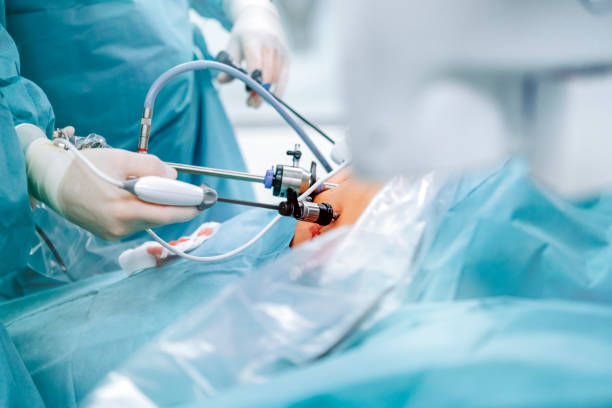
Laparoscopic surgery is a form of minimally invasive surgery (MIS) performed through small incisions — typically 5–12 mm — using a camera (laparoscope) and long instruments. Instead of a large open incision, the surgeon visualizes the operative field on a monitor and operates through trocars placed in the abdominal wall. Common procedures include gallbladder removal, appendectomy, hernia repair, diagnostic laparoscopy, bariatric surgery and many gynaecological and colorectal operations.
Why laparoscopic surgery matters:
While laparoscopic techniques provide many benefits, they require specialized training, experience and equipment. Complex cases (very large hernias, dense adhesions after prior surgery, certain cancers or emergency situations) may still require an open approach. The decision between laparoscopic and open surgery should be individualized, and choosing the right surgeon—especially one experienced in minimally invasive approaches—is critical for maximizing benefits and minimizing risk.
Understanding which laparoscopic procedures are commonly offered helps patients ask informed questions and find surgeons with the right subspecialty experience. Below are the most frequent laparoscopic operations performed in Mohali and across Punjab:
When choosing a laparoscopic surgeon in Mohali, ensure the surgeon regularly performs the specific procedure you need. Volume matters: surgeons and centres performing higher numbers of a given operation typically have better outcomes. In Mohali and neighbouring Chandigarh, centres that list high procedure volumes for gallbladder, hernia and bariatric surgery are often considered the top minimally invasive surgeon facilities in Punjab.
Locally, many patients search for phrases like "best gallbladder laparoscopic surgeon Mohali", "best hernia laparoscopic surgeon Mohali", "laparoscopic appendectomy surgeon Mohali" and "laparoscopic bariatric surgeon Mohali". When you meet a surgeon, confirm their case numbers for these specific procedures and ask about complication and conversion-to-open rates.
Choosing between laparoscopic and open surgery depends on condition complexity, patient health and surgeon expertise. The table below summarises benefits and key trade-offs to help you discuss options with your surgeon.
| Procedure type | Benefits | Recovery time |
|---|---|---|
| Minimally invasive (laparoscopic) | Less pain, smaller scars, lower infection risk, shorter hospital stay | Typically 2–14 days depending on procedure |
| Open surgery | Direct access for complex anatomy, sometimes necessary in emergencies or advanced disease | Typically 2–6 weeks or longer depending on the operation |
Risks associated with laparoscopic surgery are generally low but can include bleeding, organ injury, infection, anaesthetic complications and the possibility of conversion to open surgery if anatomy or unexpected findings make laparoscopy unsafe. Experienced laparoscopic surgeons in Mohali and Punjab minimise these risks by meticulous technique, high-quality equipment and appropriate patient selection.
Success rates vary by procedure. For elective laparoscopic cholecystectomy and appendectomy, complication rates are generally low (<5%) and success rates high (over 95%). For laparoscopic bariatric procedures, long-term outcomes depend on follow-up and lifestyle changes; short-term surgical complications occur in a small minority when performed at experienced centres.
Finding the best laparoscopic surgeon in Mohali requires combining objective credentials with subjective measures like communication style, bedside manner and patient reviews. Follow this practical step-by-step approach to make an informed decision:
When searching locally, keywords such as "top minimally invasive surgeon Mohali", "laparoscopic surgeon Mohali" or "minimally invasive surgery specialist Mohali" will help you identify clinics and hospitals that specialise in laparoscopic care. Don’t hesitate to compare two or three surgeons and their recommended approaches before deciding.
Not all laparoscopic surgeons have the same training or experience. When evaluating surgeons in Mohali and Punjab, focus on specific markers of excellence and safety:
In Mohali, many patients prefer surgeons who have practiced in tertiary care hospitals and bring that experience to local centres. When you speak with a clinic or hospital, ask to see surgeon profiles and enquire if they publish outcomes or participate in quality improvement initiatives. Transparency and willingness to share data are good signs of a quality-driven practice.
Preparing a list of questions helps you make the most of your consultation. Use this checklist when you meet a laparoscopic surgeon in Mohali. Bring a companion and any previous medical reports, imaging and a list of medications.
A surgeon who answers questions clearly, provides realistic expectations and offers written materials demonstrates a patient-centered approach. For local patients, ask whether the surgeon has experience with community health insurance schemes and the hospital’s billing procedures.
Cost, recovery expectations and outcomes are major considerations for patients searching for "affordable laparoscopic surgery Punjab" or "laparoscopic surgery Mohali cost". Costs vary by procedure complexity, hospital category, implants used and length of stay. Below is a comparative table to give a general idea of relative costs, expected recovery and success rates. These are approximate ranges to aid planning; request a written estimate from the hospital for an exact figure.
| Procedure | Typical cost range (India, indicative) | Expected hospital stay | Typical recovery time | Success/complication profile |
|---|---|---|---|---|
| Laparoscopic cholecystectomy | INR 25,000–90,000 | Same day to 1–2 days | 1–2 weeks for normal activity | High success, complication <5% |
| Laparoscopic hernia repair | INR 40,000–1,50,000 | 1–2 days | 2–6 weeks | Low recurrence with experienced surgeons |
| Laparoscopic appendectomy | INR 20,000–80,000 | Same day to 1–2 days | 1–2 weeks | High success, low major complications |
| Laparoscopic bariatric surgery | INR 1,50,000–4,00,000 | 2–5 days | 4–8 weeks for major activity | Excellent long-term results with multidisciplinary care |
These cost ranges are indicative and depend on hospital category, implants/meshes used, pre-op investigations and post-op care. Many hospitals in Mohali, including Livasa Mohali, provide transparent price estimates, insurance coordination and flexible payment options. Ask specifically about:
Recovery times depend on the procedure, age, comorbidities and adherence to postoperative advice. Most laparoscopic patients in Mohali can expect to return to desk work within 1–2 weeks and progressively resume physical activities over 4–6 weeks. For bariatric and major colorectal surgeries, the recovery timeline is longer and requires structured follow-up.
Sometimes a laparoscopic approach is not the best option. Alternatives include open surgery, endoscopic procedures or non-surgical management. Below we outline comparisons and special concerns to help you and your surgeon make an informed choice.
| Situation | Laparoscopic approach | Alternative |
|---|---|---|
| Extensive scar tissue from prior surgeries | Higher risk of conversion to open; may be attempted by experienced surgeon | Open surgery preferred for safety and direct access |
| Large tumours or locally advanced cancer | Selected cases may be managed laparoscopically in expert centres | Open oncologic resection to ensure wide margins |
| Severe cardiopulmonary disease | Pneumoperitoneum can affect breathing; careful evaluation required | Open or staged approaches based on anesthetic risk |
Discuss these scenarios openly with your surgeon. A top laparoscopic surgeon in Mohali will balance benefits and risks, explain why a certain approach is chosen and coordinate with specialists (cardiologists, pulmonologists, oncologists) when necessary.
Livasa Hospitals — Livasa Mohali provides an integrated approach to minimally invasive surgery with experienced laparoscopic surgeons, modern operating theatres, and a patient-centric perioperative pathway. If you are searching for the best laparoscopic hospital in Punjab or the best laparoscopic surgeon Mohali, consider the following features that Livasa Mohali emphasises:
Nearby locations that frequently access Livasa Mohali include Chandigarh, Zirakpur, Kharar, Panchkula and surrounding sectors of Mohali. If you are searching for "laparoscopic surgeon near me Mohali" or "minimally invasive surgeon near me", Livasa Mohali has visible surgeon profiles and patient feedback to support your choice.
Call +91 80788 80788 to speak with our care coordinators or book an appointment online with our laparoscopic specialists at Livasa Mohali. For urgent surgical needs, ask for an emergency laparoscopic surgeon Mohali referral.
When booking, request the surgeon’s name, clinic days, expected preoperative tests and insurance clearance procedures. Good hospitals will provide a pre-surgery checklist and a dedicated contact for questions after discharge.
Preparation and adherence to perioperative instructions can significantly improve recovery. Below are practical, patient-friendly tips for the day of surgery and the weeks after discharge:
If you experience severe pain, persistent vomiting, fever, increasing abdominal swelling or breathing difficulty after discharge, contact your surgeon or the hospital immediately. Local patients should save emergency contact numbers and be aware of nearby facilities such as Livasa Mohali for prompt evaluation.
Choosing the best laparoscopic surgeon in Mohali is a combination of objective facts—qualifications, experience, facility capabilities—and subjective fit—communication, trust and postoperative support. Use the checklist and comparison tables in this guide to research potential surgeons, evaluate hospital infrastructure and ask pointed questions about experience and outcomes. Keywords to consider in your searches include "best laparoscopic surgeon in Punjab", "top minimally invasive surgeon Punjab", "laparoscopic surgery centre Punjab", "affordable laparoscopic surgery Punjab" and local phrases like "laparoscopic surgeon Mohali" or "laparoscopic specialist Mohali".
At Livasa Hospitals — Livasa Mohali, our multidisciplinary teams aim to deliver safe, evidence-based minimally invasive care with transparent communication and robust aftercare. Whether you are seeking a routine laparoscopic cholecystectomy or a complex biliary, bariatric or oncologic procedure, a careful selection process improves outcomes and your overall experience.
To discuss your condition, request a second opinion or book a consultation with a laparoscopic specialist at Livasa Mohali:
Phone: +91 80788 80788
Online booking: Book an appointment
Looking for immediate care? Ask for an emergency laparoscopic surgeon Mohali on call. We serve patients from Mohali, Chandigarh, Zirakpur, Kharar, Panchkula and surrounding areas.
Disclaimer: This article provides general information to help patients evaluate laparoscopic surgical options and surgeons in Mohali, Punjab. Individual recommendations depend on your health condition. Always discuss specifics with your treating surgeon and healthcare team.
Obesity and Joint Replacement: Weight and BMI Guidelines in Amritsar
Diabetes, Heart Disease and Joint Replacement: Multispeciality Care in Amritsar
Home Modifications After Joint Replacement: Safety Tips for Amritsar Patients
Livasa Healthcare Group Corporate Office,Phase-8, Industrial Area, Sector 73, Sahibzada Ajit Singh Nagar, Punjab 160071
| Mohali | +91-99888 23456 |
| Amritsar | +91-99887 49494 |
| Hoshiarpur | +91-99883 35353 |
| Nawanshahr | +91-75081 82337 |
| Khanna | +91-98888 05394 |
