03 Aug 2026
Obesity and Joint Replacement: Weight and BMI Guidelines in Amritsar

Dr. Arshdeep Kaur Sethi
21 Apr 2026
Call +91 80788 80788 to request an appointment.
This guide explains in patient-friendly detail what brain aneurysms and arteriovenous malformations (AVMs) are, how they are diagnosed, and how modern neurointervention and neurosurgery treat them in Amritsar and across Punjab. We compare two commonly used procedures—endovascular coiling and surgical clipping—so you and your family can understand the benefits, risks, recovery expectations, and likely costs when seeking care at a specialized centre such as Livasa Hospitals (Livasa Amritsar).
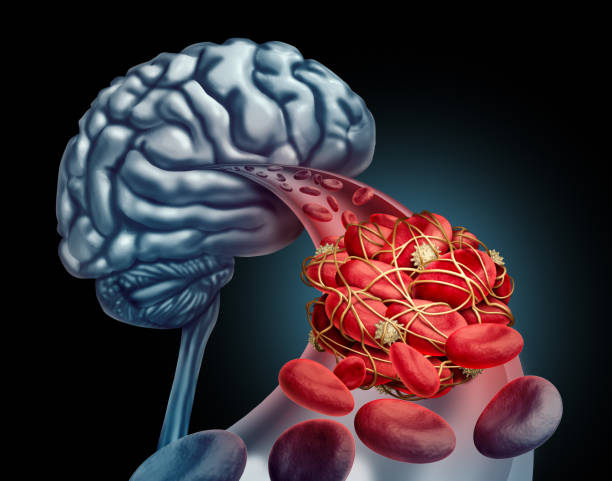
Brain aneurysms and AVMs are vascular conditions of the brain that can be life-threatening if they rupture. Aneurysms are weakened, balloon-like bulges in an artery wall that can leak or burst, causing subarachnoid hemorrhage (SAH) or other intracranial bleeds. AVMs are abnormal tangles of arteries and veins that bypass capillaries and can similarly cause bleeding, seizures, or neurological decline. Although both conditions may remain asymptomatic for years, identifying them early allows for a range of treatment options from conservative monitoring to minimally invasive neurointervention or open neurosurgery.
In Punjab and particularly in Amritsar, patients increasingly seek specialized neurovascular care locally rather than traveling to distant metros. Advances in endovascular technology—especially endovascular coiling and AVM embolization—have transformed care, offering less invasive alternatives with faster recovery times. At Livasa Amritsar, the neurointervention team combines endovascular techniques with open microsurgical options, including surgical clipping, to offer individualized plans. This article will help you understand when each approach is preferred, what outcomes to expect, and how to access care, including practical details like estimated costs, insurance considerations, and how to book a consultation by phone at +91 80788 80788 or online at Livasa Hospitals appointment.
A brain aneurysm is a weakened section of a cerebral artery that bulges outward under pressure, similar to a thin spot on a garden hose. Aneurysms vary in size (small <5 mm, medium 5–15 mm, large 15–25 mm, and giant >25 mm) and shape (saccular the most common, fusiform, or dissecting). Most brain aneurysms develop at arterial branch points in the circle of Willis and adjacent major vessels. Common risk factors include chronic hypertension, smoking, family history of aneurysms, certain genetic conditions (e.g., polycystic kidney disease, connective tissue disorders), and advancing age. Many aneurysms remain unruptured and are found incidentally during imaging for unrelated reasons.
Arteriovenous malformations (AVMs) are congenital tangles of arteries and veins that create direct, high-flow connections without capillaries. This abnormal circuit places strain on vessel walls and surrounding brain tissue, increasing the risk of rupture and hemorrhage. AVMs may present with seizures, headaches, neurological deficits, or sudden hemorrhage. Their size, location, and venous drainage pattern (e.g., deep versus superficial veins) influence treatment choice and risks.
Prevalence and public-health perspective: population studies estimate that unruptured intracranial aneurysms are present in approximately 3% to 5% of the general population worldwide on imaging studies, though only a minority will ever rupture. Subarachnoid hemorrhage caused by aneurysm rupture represents about 5–10% of all strokes and has a global incidence roughly between 6 and 10 per 100,000 people per year. Cerebral AVMs are less common; reported prevalence varies but is often less than 0.05% of the general population, with symptomatic incidence estimated around 1 per 100,000 people per year. Local data from India and Punjab are limited, but clinicians in Amritsar observe that vascular risk factors—poor blood pressure control, tobacco use, and uncontrolled diabetes—may increase the regional burden of neurovascular disease.
Recognizing symptoms early is essential because ruptured aneurysms and bleeding AVMs are neurosurgical emergencies. Common warning signs include a sudden, severe headache often described as "the worst headache of my life," nausea, vomiting, neck stiffness, sensitivity to light, and loss of consciousness. Focal neurological deficits—such as sudden weakness or numbness in one side of the body, difficulty speaking, vision changes, or seizures—can indicate a bleed affecting specific brain regions.
For unruptured aneurysms and AVMs, symptoms can be subtler:
If you or someone in Amritsar experiences any sudden neurological deterioration or a sudden severe headache, seek immediate care—call emergency services or come to the nearest emergency department. Prompt diagnosis and transfer to a neurosurgical/neurointervention-capable centre like Livasa Amritsar can be lifesaving. Timely treatment reduces the chance of rebleeding, limits secondary brain injury, and improves long-term outcomes.
Accurate diagnosis of aneurysms and AVMs depends on imaging. Hospitals in Amritsar including Livasa Amritsar use a tiered approach to imaging based on the clinical scenario.
Typical diagnostic steps include:
Blood tests and neurologic assessments are also performed to assess overall health and readiness for intervention. For patients presenting to emergency departments across Punjab, rapid imaging and early consultation with a neurointerventionist or neurosurgeon determine whether immediate endovascular therapy, urgent clipping, or conservative management with monitoring is appropriate.
Treatment choices for aneurysms and AVMs are individualized. Decision factors include size, shape, location, patient age, medical comorbidities, rupture status, and patient preferences. The main options for aneurysm management are conservative monitoring, endovascular coiling (often with adjunct devices such as stents or flow diverters), and open surgical clipping. AVM treatment options include endovascular embolization, microsurgical resection, stereotactic radiosurgery (e.g., gamma knife), or a combination (multimodal) approach.
Endovascular coiling is a minimally invasive technique performed by a neurointerventionist in a catheterization lab. Through a small puncture (usually in the groin or wrist), thin microcatheters are navigated into the brain artery and the aneurysm sac, where detachable platinum coils are deployed to promote clotting and exclude the aneurysm from circulation. Stent-assisted coiling, flow diverters, or balloon remodeling may be used for wide-necked or complex aneurysms. Advantages include smaller incisions, shorter hospital stays, and faster recovery.
Surgical clipping is performed by a neurosurgeon via a craniotomy (surgical opening in the skull). A tiny titanium clip is placed across the base (neck) of the aneurysm to permanently exclude it from the circulation. Clipping is often preferred when the aneurysm anatomy is not favorable for coiling, when there are mass effects from the aneurysm, or when combined brain pathology requires open access.
For AVMs, endovascular embolization uses liquid embolic agents or particles to partially or completely occlude feeding arteries to the AVM. Embolization can be curative for small AVMs or used as an adjunct to reduce blood flow before surgery or radiosurgery. Radiosurgery is a noninvasive option for small, deep AVMs but may take months or years for the lesion to obliterate, during which bleeding risk persists. Microsurgical resection is often the most definitive treatment for accessible AVMs with acceptable surgical risk.
Choosing between endovascular coiling and surgical clipping depends on clinical factors and patient preferences. Below we outline the major differences and practical considerations. When searching locally, patients often look for "coiling vs clipping Amritsar" or "coiling vs clipping which is better Amritsar"—these decisions are best made after a detailed imaging-based discussion with the neurovascular team at a centre such as Livasa Amritsar.
| Procedure type | Benefits | Typical recovery | When preferred |
|---|---|---|---|
| Endovascular coiling | Minimally invasive; shorter hospital stay; less pain; suitable for elderly or frail patients; option for multiple aneurysms. | Usually 1–3 days in hospital; many resume normal activities in 1–4 weeks depending on the case. | Small to medium saccular aneurysms, difficult-to-access locations for open surgery, or patients with high surgical risk. |
| Surgical clipping | Durable long-term occlusion; direct visual control of the aneurysm and nearby vessels; preferred for certain anatomical configurations. | Hospital stay commonly 5–10 days; full recovery 6–12 weeks or longer depending on surgery extent. | Wide-necked aneurysms, certain locations (e.g., middle cerebral artery bifurcation), or when simultaneous brain decompression or tumour removal is required. |
Additional practical comparison points:
Treatment of AVMs is tailored to size (nidus volume), location (eloquent vs non-eloquent brain), venous drainage, and presentation (bleed vs seizure vs incidental). The goal is to eliminate the AVM nidus to prevent future hemorrhage or to control seizures. Common strategies used in Amritsar and across Punjab include endovascular embolization, microsurgical resection, and stereotactic radiosurgery—often combined in a staged plan.
Endovascular AVM treatment in Amritsar: Through catheter-based techniques, interventional neuroradiologists inject liquid embolic agents (such as Onyx or N-butyl cyanoacrylate) into feeding arteries to reduce nidus size or occlude the AVM completely. Embolization is frequently used as:
Radiosurgery (e.g., gamma knife) is noninvasive and suitable for small (<3 cm) AVMs or deep-seated lesions not amenable to safe open surgery. It works by delivering focused radiation that causes progressive obliteration of the nidus over months to years. Because obliteration is delayed, the bleeding risk persists until the AVM is fully closed; therefore radiosurgery is often used when the AVM size and location make surgery too risky.
Microsurgical resection remains the most immediate and definitive treatment for many accessible AVMs. In centres like Livasa Amritsar where multidisciplinary teams collaborate, embolization may be used first to make surgery safer, followed by resection with careful microsurgical technique.
Cost considerations for AVM embolization and combined therapies vary widely. Families frequently search for "AVM embolization Punjab cost", "AVM treatment Amritsar", or "AVM surgery cost Amritsar". Livasa Amritsar provides tailored estimates after imaging and multidisciplinary review. Insurance coverage for AVM treatment in India often depends on the policy; hospital billing teams assist with claims and preauthorization.
Recovery after aneurysm or AVM treatment depends primarily on whether there was a prior bleed, the neurological status at presentation, and the chosen treatment modality. For unruptured aneurysms treated electively, many patients resume daily activities within weeks after coiling and within a few months after clipping. For ruptured aneurysms, recovery is influenced by the extent of initial brain injury from the hemorrhage; some patients require prolonged rehabilitation for speech, mobility, or cognitive issues.
Rehabilitation may include:
Follow-up imaging protocols differ: patients undergoing coiling typically require scheduled MRA/CTA or DSA at intervals (e.g., 6 months, 1 year, and periodically thereafter) to check for coil compaction or aneurysm recurrence. Clipped aneurysms have lower recurrence rates but may still require follow-up based on surgeon preference and initial anatomy. AVM patients are followed with imaging to confirm complete obliteration; radiosurgery patients often need long-term imaging because closure is gradual.
Outcomes: Global data indicate that early treatment of aneurysms and AVMs in experienced centres improves survival and reduces disability. For ruptured aneurysms, timely intervention plus advanced critical care has lowered mortality compared with earlier eras, though risks remain significant. For elective unruptured aneurysms, the procedure-related morbidity is low in high-volume centres. The best functional outcomes come from prompt diagnosis, specialist input, careful procedure selection, and coordinated rehabilitation—services offered at comprehensive neurovascular centres in Amritsar like Livasa Hospitals.
When searching for the best hospital for brain aneurysm in Punjab or the best neurointerventionist in Punjab, patients should consider expertise, multidisciplinary collaboration, availability of advanced imaging and endovascular suites, and post-procedure critical care and rehabilitation services. Livasa Amritsar offers a dedicated neurointervention and neurosurgery program that brings together interventional neuroradiologists, neurosurgeons, neuroanesthetists, and stroke care teams to plan individualized treatment.
Key strengths of Livasa Amritsar include:
If you are looking for "brain aneurysm treatment Amritsar", "neurointervention Amritsar" or "brain hemorrhage treatment Amritsar", Livasa Amritsar provides timely evaluation and treatment planning. Book a consultation by calling +91 80788 80788 or schedule online at Livasa Hospitals appointment. The hospital’s team will arrange imaging, specialists’ review, cost estimates, and pre-procedure guidance, including anesthetic and post-operative care planning.
Cost is a common concern for families. In Punjab and Amritsar, procedure costs vary widely depending on the complexity, devices used (e.g., coils, stents, flow diverters, embolic agents), length of ICU stay, and whether additional services (rehabilitation, prolonged hospitalization) are required. Below is a generalized cost-comparison table for planning purposes. These are estimates and actual prices at Livasa Amritsar will be provided after clinical evaluation and imaging.
| Procedure | Estimated cost range (Punjab/Amritsar) | Notes |
|---|---|---|
| Endovascular coiling (simple aneurysm) | INR 2 lakh – 6 lakh | Depends on number of coils, adjunct devices (stents/flow diverter increases cost). |
| Surgical clipping | INR 1.5 lakh – 5 lakh | Costs reflect operating room, surgical team, ICU stay; may vary with complexity. |
| AVM embolization (single session) | INR 1 lakh – 4 lakh | Multiple sessions may be required; radiosurgery and surgery add to total cost. |
| AVM microsurgical resection | INR 2 lakh – 8 lakh | Varies widely with location, size, and expected length of hospitalization and rehabilitation. |
Insurance and financing: Many health insurance policies in India cover aneurysm and AVM treatment when medically indicated. Preauthorization is often required; Livasa Amritsar’s billing team works with families and insurers to streamline claims. For elective interventions, the hospital provides itemized cost estimates including device costs (coils, stents), surgeon and interventionist fees, anesthesia, ICU charges, and post-operative care.
Common FAQs:
If you suspect a brain aneurysm or AVM, or if an incidental lesion has been found on imaging, early specialist review is important. To book a consultation at Livasa Amritsar:
For personalised advice on brain aneurysm treatment Amritsar, AVM treatment Amritsar, or to understand coiling vs clipping cost and recovery expectations, contact Livasa Amritsar today. Early evaluation helps plan the safest and most effective pathway.
Call: +91 80788 80788 | Book: Online appointment
Facing a diagnosis of a brain aneurysm or AVM is understandably frightening for patients and families. The good news is that modern neurovascular care—especially in centres like Livasa Amritsar that provide both advanced endovascular coiling and experienced neurosurgical clipping—gives many patients excellent outcomes. Whether you are researching "brain aneurysm coiling near me Amritsar", "clipping surgery near me Amritsar", or "endovascular AVM treatment Amritsar", focus on finding a multidisciplinary team that offers individualized, evidence-based recommendations and clear communication about risks, benefits, costs, and follow-up.
Remember:
For more information or to arrange an appointment, please call +91 80788 80788 or visit Livasa Hospitals appointment. The neurovascular team at Livasa Amritsar is ready to guide you through diagnosis, treatment choices (including coiling vs clipping), and recovery planning—every step grounded in safety, compassion, and clinical expertise.
Obesity and Joint Replacement: Weight and BMI Guidelines in Amritsar
Diabetes, Heart Disease and Joint Replacement: Multispeciality Care in Amritsar
Home Modifications After Joint Replacement: Safety Tips for Amritsar Patients
Livasa Healthcare Group Corporate Office,Phase-8, Industrial Area, Sector 73, Sahibzada Ajit Singh Nagar, Punjab 160071
| Mohali | +91-99888 23456 |
| Amritsar | +91-99887 49494 |
| Hoshiarpur | +91-99883 35353 |
| Nawanshahr | +91-75081 82337 |
| Khanna | +91-98888 05394 |
