03 Aug 2026
Obesity and Joint Replacement: Weight and BMI Guidelines in Amritsar

Dr. Arshdeep Kaur Sethi
21 Apr 2026
Call +91 80788 80788 to request an appointment.
An authoritative, patient-friendly guide to understanding types of brain tumour surgery, typical costs in Amritsar and Punjab, how procedure choice affects price and recovery, and practical steps for patients and families. Brought to you by Livasa Hospitals – Livasa Amritsar. Call +91 80788 80788 or book an appointment: Book online.
When a brain tumour is suspected or confirmed, the first questions patients and families often ask are clinical (what type of tumour, what treatment) and practical (what will it cost, where should we go?). In Amritsar and across Punjab, access to experienced neurosurgeons and modern brain surgery hospitals has improved, but cost remains a major concern for many households. This article explains the differences between open craniotomy and minimally invasive brain surgery (including keyhole, endoscopic and awake techniques), breaks down typical cost components you should expect in Amritsar, and offers practical guidance on choosing a center such as Livasa Amritsar for care.
We will cover: causes, symptoms and diagnosis of brain tumours; surgical and non-surgical options; a clear side-by-side comparison of open vs minimally invasive approaches; a realistic cost-range table focused on Amritsar and Punjab; insurance and financing options; and recovery and postoperative care expectations. This information is designed to be patient-friendly and evidence-informed, using global and regional context where helpful. Throughout, keywords relevant to local search (for example brain tumour surgery cost Amritsar, neurosurgeon Amritsar, and brain surgery hospital Punjab) are used naturally to help patients find the right resources.
A brain tumour is an abnormal growth of cells within the brain or central nervous system (CNS). Tumours may be benign (non-cancerous) or malignant (cancerous). They can originate in the brain (primary brain tumours such as gliomas, meningiomas, pituitary tumours) or spread to the brain from other sites (metastatic brain tumours). The behaviour, treatment and prognosis of tumours vary widely based on cell type, location, size, and patient factors such as age and overall health.
Common primary brain tumours include:
Why the type matters: treatment choices and costs vary greatly by type. For example, a small meningioma accessible by a limited craniotomy may have a relatively straightforward cost profile, while a glioma requiring complex intraoperative monitoring, awake mapping and postoperative chemoradiation will have a higher total cost of care.
Most brain tumours do not have a single identifiable cause. Instead, they arise from a combination of genetic, environmental and lifestyle-related factors. Understanding risk factors can help families recognize red flags and seek evaluation early.
Key risk factors include:
Regionally, while large-scale, population-level causes are similar worldwide, access to diagnostic imaging and specialist care differs. In Punjab and Amritsar, increasing availability of MRI and neurosurgical expertise has led to higher diagnosis rates compared with earlier decades. Globally, estimates suggest the age-standardized incidence of primary brain and CNS tumours ranges approximately from 6–9 per 100,000 population depending on data sources and case definitions; countries with improved imaging report higher diagnostic rates because more asymptomatic lesions are identified. In India, estimated incidence rates vary by region but are generally reported lower than some high-income countries, partly due to under-diagnosis and reporting differences.
Symptoms depend on tumour location, size and growth rate. Common warning signs that should prompt evaluation by a general physician or neurosurgeon in Amritsar include persistent headaches (worse in the morning), new-onset seizures, progressive weakness or numbness on one side, changes in speech or vision, balance problems, unexplained nausea/vomiting, and cognitive or personality changes. In children, behavioural changes, school performance decline or head enlargement (in infants) are important red flags.
Diagnosis is a multi-step process:
At specialised centres like Livasa Hospitals in Amritsar, a multidisciplinary tumour board (neurosurgery, neuro-oncology, radiation oncology, neuroradiology and neuropathology) reviews complex cases to recommend the optimal treatment plan. This approach improves outcomes and tailors costs by avoiding unnecessary procedures.
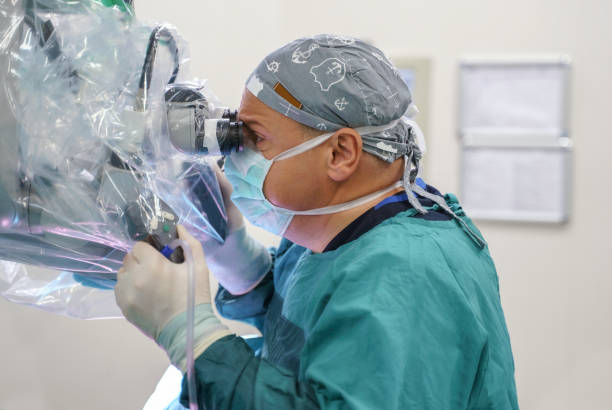
Surgery is frequently the first-line treatment for many brain tumours when safe removal is feasible. There are two broad surgical strategies: traditional open craniotomy and minimally invasive techniques. The choice depends on tumour location, size, type, proximity to critical brain areas (eloquent cortex), and patient factors. Each approach has distinct benefits, risks and cost implications.
Open craniotomy involves creating a skull opening (bone flap) to access and remove the tumour. This approach may be necessary for large, deep, or complex tumours where wide exposure is required. Modern open procedures often use intraoperative navigation, neuro-monitoring, and intraoperative imaging (CT/MRI) to maximize safety and tumour removal.
Minimally invasive techniques include:
Below is a structured comparison to help patients understand practical differences:
| Procedure type | Benefits | Recovery time (typical) |
|---|---|---|
| Open craniotomy | Comprehensive access for complex tumours, potentially higher rate of complete removal for large lesions | 1–2 weeks in hospital; several weeks to months of recovery |
| Keyhole / minimally invasive | Less tissue disruption, smaller scars, lower blood loss and faster return to activity | 2–5 days hospital stay; faster functional recovery over weeks |
| Endoscopic transsphenoidal | No external scalp incision, shorter stays; specialized for pituitary/skull base lesions | 2–4 days, often outpatient or short admission |
While minimally invasive surgery often reduces immediate postoperative pain and shortens hospital stay, not all tumours are suitable for these approaches. The goal is safe maximal resection: sometimes a wider exposure (open craniotomy) gives the best oncologic and functional outcome. Surgeons in Amritsar, including at Livasa Hospitals, use evidence-based decision-making and intraoperative technologies to balance extent of resection and functional preservation.
Estimating the brain tumour surgery cost in Amritsar and brain tumour surgery cost Punjab requires accounting for several variables: the surgical procedure itself, anesthesia, surgeon and assistant fees, operating room consumables (navigation systems, intraoperative monitoring), length of ICU and ward stay, imaging and lab tests, histopathology and molecular studies, rehabilitation, and any adjuvant treatments such as radiotherapy or chemotherapy.
Below is a general cost-range table reflecting local market prices in Amritsar and larger tertiary centres in Punjab. These are typical ranges; exact pricing depends on the case complexity, implant use, hospital room type (private suite vs general ward), and pre/postoperative needs. For specific packages, contact Livasa Amritsar at +91 80788 80788 or book: Appointment.
| Procedure | Typical cost range (INR) in Amritsar | Notes |
|---|---|---|
| Open craniotomy (benign tumour, uncomplicated) | ₹1,50,000 – ₹4,00,000 | Includes surgery, 7–14 day hospital stay, basic investigations |
| Open craniotomy (complex glioma/eloquent area) | ₹3,50,000 – ₹8,00,000+ | Additional costs: intraoperative monitoring, awake mapping, advanced imaging |
| Keyhole/minimally invasive resection | ₹1,20,000 – ₹3,50,000 | Shorter stay, lower ICU needs; cost varies with equipment used |
| Endoscopic transsphenoidal (pituitary) | ₹1,50,000 – ₹3,00,000 | Often rapid recovery; specialized skull base team required |
| Stereotactic biopsy | ₹60,000 – ₹1,50,000 | Lower surgical cost but may require subsequent therapy |
| Awake craniotomy | ₹2,00,000 – ₹6,00,000 | Specialized anesthesia and neurophysiology team increases cost |
| Pediatric brain tumour surgery | ₹1,50,000 – ₹6,00,000 | Costs vary with complexity; pediatric ICU and multidisciplinary care often needed |
These ranges are approximate. For example, a routine meningioma removed via a planned craniotomy with a short ICU stay may be on the lower end, while a high-grade glioma requiring awake mapping, navigation, prolonged ICU stay and complex rehabilitation will be on the higher end. Livasa Hospitals brain tumour surgery cost Amritsar packages are tailored; the team provides an itemized estimate after assessment.
Many patients ask: is brain surgery covered by insurance Amritsar? The answer is generally yes when medically necessary. Health insurance policies in India typically cover in-patient surgical procedures including neurosurgery, but cover specifics depend on the policy terms, waiting periods, pre-existing condition clauses, and insurer approvals. Important steps to reduce out-of-pocket expense:
For accurate assessment of coverage, request a provisional cost estimate from the hospital and share it with the insurer before admission. Livasa Amritsar’s front-office and insurance facilitation team can help explain typical line items (surgery fees, anesthesia, consumables, ICU charges, medicines, postoperative imaging, rehabilitation) and work with families to streamline approvals. For those with limited coverage, discuss staged treatment strategies (e.g., biopsy first followed by definitive therapy when funds/authorizations are available) with your clinical team to balance medical need and affordability.
Choosing where to have brain surgery is crucial. Patients should evaluate both clinical expertise and institutional capability. Key considerations include:
Why Livasa Amritsar? Livasa Hospitals in Amritsar is a regional centre offering multidisciplinary neurocare with experienced neurosurgeons, modern operating theatres and inpatient facilities. For those searching “best neurosurgeon in Amritsar” or “brain surgery hospital Amritsar”, Livasa aims to combine clinical excellence with clear, transparent costing. The hospital provides preoperative counseling, insurance assistance and packages—helpful for patients comparing brain tumour surgery package Amritsar and cost of brain tumour surgery in Amritsar. To speak with an expert, call +91 80788 80788 or schedule through Livasa appointment.
Recovery after brain tumour surgery varies with the procedure type, patient health, and tumour specifics. Typical components influencing postoperative cost in Amritsar and Punjab include ICU charges (if required), ward room charges, medications (including high-cost antibiotics or antiepileptics), postoperative imaging (MRI/CT), physiotherapy, speech therapy and follow-up clinic visits. Below are practical expectations to help plan financially and medically.
Typical recovery elements and considerations:
For financial planning, patients should request an itemized post-op estimate from the hospital. Typical additional costs in Amritsar include ICU (₹8,000–₹25,000 per day depending on level), ward room charges (₹2,000–₹12,000 per day depending on class), and rehabilitation sessions (₹500–₹3,000 per session). These numbers are indicative; Livasa Amritsar provides personalized breakdowns during pre-admission counseling and works with families on expected postoperative costs and logistics.
This final section gives concise, practical advice for patients and families navigating brain tumour surgery decisions in Amritsar and Punjab.
Common FAQs:
Understanding the brain tumour operation cost Amritsar and the trade-offs between open and minimally invasive techniques empowers families to make informed decisions. While costs are an important factor, prioritize surgeon experience, multidisciplinary care and institutional capacity to deliver safe surgery and strong postoperative support. Minimally invasive techniques often shorten hospital stays and speed recovery, but open craniotomy remains indispensable for many complex tumours.
If you or a loved one are seeking care in Amritsar, consult early. For expert evaluation, contact Livasa Hospitals (Livasa Amritsar) at +91 80788 80788 or book an appointment. Our neurosurgery team offers transparent cost estimates, insurance assistance, and a patient-centered approach to select the most appropriate and cost-effective treatment plan for your condition.
Call: +91 80788 80788
Online booking: https://www.livasahospitals.com/appointment
Disclaimer: This article provides general information and estimates intended for patient education. Individual care decisions and costs vary. For a personalized assessment and exact pricing for brain tumor surgery package Amritsar or Livasa Hospitals brain tumour surgery cost Amritsar, request an in-person consultation and written cost estimate from the hospital.
Obesity and Joint Replacement: Weight and BMI Guidelines in Amritsar
Diabetes, Heart Disease and Joint Replacement: Multispeciality Care in Amritsar
Home Modifications After Joint Replacement: Safety Tips for Amritsar Patients
Livasa Healthcare Group Corporate Office,Phase-8, Industrial Area, Sector 73, Sahibzada Ajit Singh Nagar, Punjab 160071
| Mohali | +91-99888 23456 |
| Amritsar | +91-99887 49494 |
| Hoshiarpur | +91-99883 35353 |
| Nawanshahr | +91-75081 82337 |
| Khanna | +91-98888 05394 |
