03 Aug 2026
Obesity and Joint Replacement: Weight and BMI Guidelines in Amritsar

Dr. Vineet Saggar
27 Feb 2026
Call +91 80788 80788 to request an appointment.
Comprehensive patient guide from Livasa Hospitals — Livasa Mohali. Call +91 80788 80788 or book an appointment.
A diagnosis of a brain tumour raises immediate questions: what type is it, what are the treatment options, who will perform the surgery, and importantly — how much will it cost? This guide is written to help patients and families in Mohali, Punjab and surrounding areas understand the clinical pathway for brain tumour management, the range of surgical options available at a speciality centre such as Livasa Hospitals — Livasa Mohali, and practical financial considerations including typical costs, insurance and financing options.
Brain tumours vary widely in biology and behaviour. Some are benign and slow-growing like many meningiomas; others are malignant and aggressive like high-grade gliomas. Decisions about surgery reflect tumour type, size, location, patient age and neurological status. Surgery may be curative, palliative, diagnostic (to obtain tissue), or a bridge to further treatments such as radiotherapy or chemotherapy. For residents searching for "brain tumour surgery cost Mohali" or "brain tumour hospital Punjab", this article outlines typical procedure types, estimated price ranges in Mohali and Punjab, what is usually included in a package, and how Livasa Mohali supports patients before, during, and after surgery.
Throughout this article we use plain-language explanations together with clinical context so patients and caregivers can make informed choices. Wherever numbers are given (costs, complication rates, recovery times), understand they are indicative and will vary by case; the most accurate estimate comes from a face-to-face consultation with a neurosurgeon and financial counsellor at the hospital.
A brain tumour is an abnormal growth of cells within the brain or central nervous system (CNS). Tumours can be classified as primary (originating in the brain) or secondary (metastatic — spread from another organ such as lungs, breasts, or kidney). Primary brain tumours arise from different cell types — glial cells (leading to gliomas such as glioblastoma, astrocytoma), meningeal cells (meningiomas), pituitary cells (pituitary adenomas), and nerve sheath cells (schwannomas).
From a surgical perspective, tumours are also described by their grade (which reflects how aggressive they are) and location. Low-grade tumours grow slowly and may be treated effectively with surgery alone. High-grade tumours are aggressive, often infiltrative, and require multimodality treatment (surgery plus chemo and/or radiotherapy). Location is crucial: tumours near speech, motor or visual centres, or deep structures such as the brainstem, pose higher surgical risk and may require specialised procedures like awake craniotomy, intraoperative mapping or endoscopic approaches.
Globally, brain and central nervous system cancers represent around 1.6% of all new cancer cases (GLOBOCAN 2020). In India, while the overall incidence is lower than many high-income countries, the absolute number of patients is large due to population size. In Punjab and Mohali, referral centres including Livasa Mohali have seen a steady increase in patients seeking specialised neurosurgical care, reflecting improved diagnostics and access.
For anyone in Mohali searching "brain tumour hospital Mohali" or "best neurosurgeon in Mohali", the clinical evaluation will determine whether surgery is recommended immediately, after a short optimization period, or combined with other treatments. Surgical removal is often the first and most important step because it provides tissue diagnosis and can relieve mass effect causing headaches, vomiting, seizures or neurological deficits.
Understanding the type of tumour is central to planning surgery. Below are common categories and how they typically guide surgical strategy:
Surgical decision-making also depends on whether the tumour is accessible for safe removal. For lesions in eloquent cortex (areas responsible for speech, movement, sensation), surgeons may choose techniques like awake craniotomy with cortical mapping, intraoperative neurophysiological monitoring, or minimal invasive endoscopic routes to maximise function preservation.
Multidisciplinary tumour boards — involving neurosurgeons, neuro-oncologists, radiation oncologists, neuroradiologists and neuropathologists — are standard at specialised centres such as Livasa Mohali and play a pivotal role in tailoring the operative plan and postoperative care.
Brain tumours present with a wide spectrum of symptoms depending on their size, growth rate and location. Common red-flag symptoms that should prompt urgent evaluation by a neurosurgeon include:
If you live in Mohali, Chandigarh, or wider Punjab and notice these symptoms, searching terms like "neurosurgeon Mohali", "best neurosurgeon in Mohali", or "brain tumour surgery consultation Mohali" should lead you to specialist clinics. At Livasa Mohali, the first step typically involves history-taking, a neurological exam, and urgent neuroimaging such as contrast MRI brain. In emergency cases (sudden deterioration, raised intracranial pressure), prompt surgical decompression may be required.
Early referral is beneficial: smaller tumours are often more amenable to complete resection with lower risk. Families should bring any previous imaging, medical records and a list of current medications (especially blood thinners). For children with concerning neurological signs, prompt evaluation at a paediatric neurosurgery-capable centre is critical — Livasa Mohali provides specialist care pathways for both adults and children.
Accurate diagnosis and meticulous preoperative planning reduce risk and improve outcomes. At Livasa Hospitals — Livasa Mohali, the diagnostic pathway often includes:
When surgery is planned, informed consent is emphasized and includes an explanation of expected benefits, risks and the typical hospital course. Surgical mapping techniques (awake craniotomy, intraoperative neuronavigation, fluorescent guidance such as 5-ALA where indicated) are discussed if relevant. In complex cases the team will prepare for possible staged procedures or combined approaches (e.g., skull base/endoscopic).
Livasa Mohali also focuses on perioperative care: prehabilitation (nutrition, physiotherapy), a preoperative checklist to minimise infection risk, and clear postoperative goals including early mobilisation and rehabilitation. This preoperative investment often shortens ICU and hospital stay and improves functional outcomes.
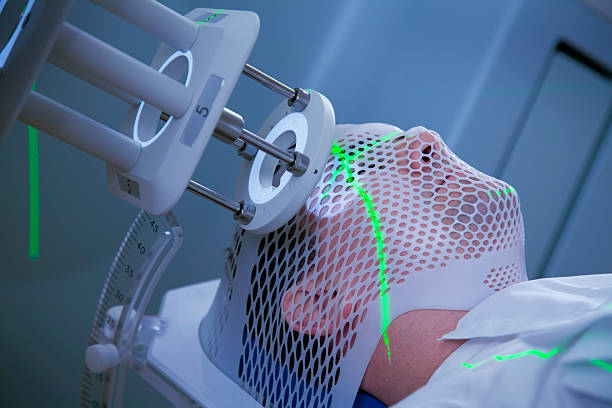
Several surgical techniques are used for brain tumours. Choice depends on tumour type, location and patient health. Below we outline common procedures and when they are used. A comparison table follows for easy reference.
| Procedure type | Benefits | Recovery time (typical) |
|---|---|---|
| Minimally invasive endoscopic | Less tissue disruption, shorter hospital stay | 3–5 days |
| Traditional craniotomy | Wider exposure, better for large or complex tumours | 7–14 days |
| Awake craniotomy | Precision near eloquent cortex; reduces neurological deficits | 5–10 days |
| Stereotactic radiosurgery (SRS) | Non-surgical option for small lesions; outpatient | Same day or 1 day |
Surgical adjuncts used at centres like Livasa Mohali include neuronavigation (GPS for the brain), intraoperative ultrasound or MRI, fluorescence-guided resection, and continuous monitoring of brain function. Choice of technique influences both clinical outcome and cost — which we cover in the next section.
Understanding cost begins with recognising what a price typically includes. Many hospitals offer standardised packages that combine surgeon fees, operating room charges, anaesthesia, implants (if required), ICU/ward stay, routine medicines and follow-up visits. Additional costs may arise from advanced monitoring, prostheses, prolonged ICU stay, rehabilitation or adjuvant therapies.
Below is a representative cost table for common procedures seen in Mohali and Punjab private speciality hospitals. These are indicative ranges (INR) and reflect costs in 2024 — local pricing and case complexity will change the final bill. For transparent pricing tailored to your case, contact Livasa Mohali at +91 80788 80788 or book via the online appointment.
| Procedure / service | Typical cost range (INR) | Notes |
|---|---|---|
| Standard craniotomy for meningioma (adult) | ₹150,000 – ₹450,000 | Depends on size, ICU need, and implants |
| Glioma resection (including fluorescence/advanced mapping) | ₹250,000 – ₹900,000+ | Higher for extensive resections/complex care |
| Awake craniotomy | ₹300,000 – ₹700,000 | Requires specialised anaesthesia and team |
| Endoscopic pituitary surgery (transsphenoidal) | ₹180,000 – ₹450,000 | Shorter stay, less pain |
| Stereotactic radiosurgery (single session) | ₹100,000 – ₹350,000 | Outpatient, depends on system (Gamma Knife vs LINAC) |
| Paediatric brain tumour surgery | ₹200,000 – ₹1,200,000+ | Varies widely with tumour type and ICU needs |
What is usually included in a Livasa Mohali brain tumour package?
For transparency, Livasa Mohali provides an individualised written estimate after clinical review. For those searching "affordable brain tumour surgery Mohali" the hospital offers multiple financing options and helps with insurance pre-authorization for covered procedures.
All surgical procedures carry risks. Brain surgery risks vary by tumour type, location and patient factors. The most common complications include:
Reported complication rates vary widely: minor complications may occur in 10–30% of cases depending on complexity, while major complications and perioperative mortality are generally low (often <5% in elective resections at experienced centres) but higher for very large, deep or brainstem lesions. These percentages are general estimates; your neurosurgeon will discuss specific risk profiles.
Livasa Mohali addresses risks proactively through:
Before surgery you will be counselled about realistic goals — whether the aim is cure, maximal safe resection to improve symptoms, or biopsy for diagnosis. Understanding the trade-off between extent of resection and preservation of neurological function is important; surgeons at Livasa Mohali emphasise safety and quality of life.
Recovery after brain tumour surgery is a gradual process. Immediate recovery (first 24–72 hours) focuses on stabilising neurological status, pain control and preventing complications. Hospital stay depends on the procedure and patient condition: endoscopic procedures often discharge within 3–5 days, while complex craniotomies may require 7–14 days including ICU stay. Rehabilitation is integral and may include physiotherapy, occupational therapy, speech therapy and cognitive retraining.
Outcomes depend on tumour biology and extent of resection. For benign meningiomas removed completely, many patients experience durable symptom relief and long-term control. High-grade gliomas generally recur and require ongoing adjuvant therapy; surgery aims to prolong survival and maintain function. Pediatric tumours have their own prognostic patterns and require coordination with paediatric oncology.
| Procedure | Typical hospital stay | Rehabilitation focus |
|---|---|---|
| Endoscopic transsphenoidal | 3–5 days | Nasal care, endocrine follow-up |
| Standard craniotomy | 7–14 days | Physiotherapy, wound care |
| Awake craniotomy | 5–10 days | Speech and motor rehabilitation |
| Stereotactic radiosurgery | Same day / outpatient | Symptom monitoring, follow-up scans |
Follow-up imaging is routinely scheduled (usually MRI at 4–6 weeks post-op, then periodically). Neuro-oncology input is essential for planning radiotherapy and chemotherapy when indicated. Livasa Mohali provides integrated rehabilitation services and coordinates outpatient follow-up to track recovery milestones and manage long-term needs such as seizure control or endocrine dysfunction after pituitary surgery.
Many patients ask whether brain tumour surgery is covered by insurance and what financing options exist in Mohali and Punjab. The short answer: numeric coverage depends on the patient’s health insurance policy. Most cashless hospitalisation policies cover documented medical indications for neurosurgery, but pre-authorization and correct documentation are essential. Livasa Mohali assists with insurance pre-approval and claims support.
Practical steps to manage costs:
For international patients or those without adequate coverage, the hospital’s financial counselors can prepare a detailed cost sheet and discuss staged treatments or alternative options like stereotactic radiosurgery which may be lower cost and outpatient in selected cases.
When searching keywords such as "brain tumour surgery cost with insurance Mohali" or "brain tumour surgery financing Mohali", it is useful to have your insurance policy number, prior medical reports and a contact person at the insurer ready when you speak with the hospital.
Different procedures balance cost, invasiveness and outcomes. The following table clarifies typical indications and relative cost implications for common brain tumour treatments offered in Mohali.
| Procedure | When indicated | Relative cost |
|---|---|---|
| Open craniotomy | Large, superficial or symptomatic tumours | Moderate to high |
| Awake craniotomy | Tumours near speech/motor cortex | Higher (specialised team) |
| Endoscopic approaches | Pituitary and selected skull base lesions | Lower to moderate |
| SRS (Gamma Knife / CyberKnife) | Small metastases, cavernous lesions, residual disease | Moderate (single or few sessions) |
Choosing the "right" procedure involves clinical judgement about expected benefit, patient values and cost. At Livasa Mohali, the team presents options, expected outcomes and clear cost estimates so families can weigh clinical benefit against financial considerations.
Livasa Mohali combines experienced neurosurgeons, multidisciplinary care and patient-centred services to deliver high-quality brain tumour management close to home in Punjab. Patients searching for "top neurosurgeon Punjab", "best brain tumour surgeon Punjab", or "Livasa neurosurgeon Mohali" can expect:
Livasa Mohali’s approach emphasises clinical excellence, compassionate care and clear communication so patients and families understand the clinical plan, the expected recovery path and the financial implications. If you are looking for "brain tumour surgery package cost Mohali" or "brain tumour hospital Punjab", Livasa Mohali provides personalised estimates after clinical review.
Take the next step: For a dedicated neurosurgery consultation at Livasa Mohali, call +91 80788 80788 or book online. Our team will guide you through diagnostics, provide a clear treatment recommendation and prepare a detailed cost estimate.
Q: How much does a typical craniotomy cost in Mohali?
A: Typical craniotomy cost in Mohali ranges roughly from ₹150,000 to ₹450,000 for standard procedures; complex cases (gliomas, skull base) may be higher. For exact estimates contact Livasa Mohali with your scans and diagnosis.
Q: Does insurance cover brain tumour surgery?
A: Many cashless health insurance policies cover neurosurgery when documented and pre-authorised. Livasa Mohali provides insurance support and guidance through pre-authorization to minimise out-of-pocket surprises.
Q: What is the recovery time after brain tumour surgery?
A: Recovery varies by procedure — endoscopic cases often 3–5 days, open craniotomy 7–14 days; functional recovery (motor/speech) may take weeks to months with rehabilitation.
Q: Are there less invasive alternatives?
A: Yes — stereotactic radiosurgery and endoscopic approaches are less invasive options for select tumours. The tumour board at Livasa Mohali will assess which option is best.
Facing a brain tumour diagnosis is challenging. Understanding the types of tumours, surgical options, likely outcomes and financial implications empowers patients and families to make informed choices. In Mohali and Punjab, Livasa Hospitals — Livasa Mohali offers a patient-centred, multidisciplinary approach with transparent packages, insurance assistance and rehabilitation support. For accurate, personalised cost information and a clinical plan adapted to your condition, please contact Livasa Mohali at +91 80788 80788 or book an appointment online.
Remember: early assessment improves options. If you or a family member have new neurological symptoms, seek evaluation promptly. Livasa Mohali’s team is available to provide timely neurosurgical consultation, diagnostic services and clear guidance on costs and packages tailored to your case.
Phone: +91 80788 80788
Book an appointment: https://www.livasahospitals.com/appointment
Keywords covered: brain tumour surgery cost Punjab, brain tumour surgery cost Mohali, brain tumour surgery cost India, cost of brain tumor surgery in Punjab, cost of brain tumor surgery in Mohali, brain tumor removal cost Mohali, brain tumour surgery packages Punjab, brain tumour surgery packages Mohali, Livasa Hospitals brain tumour surgery cost Mohali, Livasa Mohali brain tumour surgery package, neurosurgeon Mohali, best neurosurgeon in Mohali, top neurosurgeon Punjab, brain tumour hospital Mohali, brain tumour hospital Punjab.
Obesity and Joint Replacement: Weight and BMI Guidelines in Amritsar
Diabetes, Heart Disease and Joint Replacement: Multispeciality Care in Amritsar
Home Modifications After Joint Replacement: Safety Tips for Amritsar Patients
Livasa Healthcare Group Corporate Office,Phase-8, Industrial Area, Sector 73, Sahibzada Ajit Singh Nagar, Punjab 160071
| Mohali | +91-99888 23456 |
| Amritsar | +91-99887 49494 |
| Hoshiarpur | +91-99883 35353 |
| Nawanshahr | +91-75081 82337 |
| Khanna | +91-98888 05394 |
