03 Aug 2026
Obesity and Joint Replacement: Weight and BMI Guidelines in Amritsar

Dr. Baljot Singh
19 Dec 2025
Call +91 80788 80788 to request an appointment.
This patient-focused guide explains what causes bronchitis in Amritsar, how it presents, how it is diagnosed, and what treatment and prevention options are available locally. It is written for people living in Amritsar and surrounding areas of Punjab who want clear, actionable information about bronchitis — from acute bronchitis causes in Punjab to chronic bronchitis causes in Punjab, pediatric and elderly considerations, occupational exposures, and best practices for prevention and long-term care. If you or a family member are worried about cough, breathlessness, or recurrent chest infections, this article tells you when to seek care and how Livasa Amritsar can help.
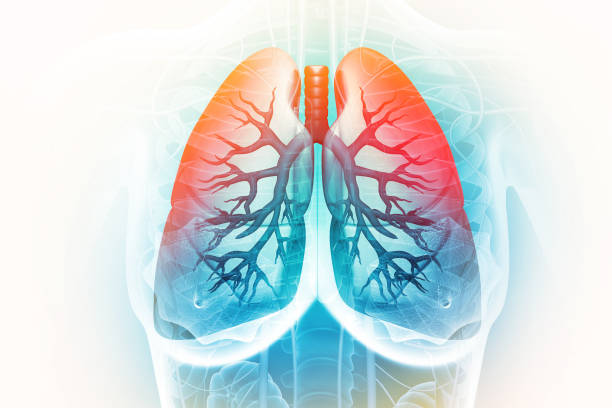
Bronchitis is inflammation of the bronchial tubes — the airways that carry air to and from the lungs. It commonly manifests as cough, increased mucus production, wheeze, and sometimes shortness of breath. There are two broad forms: acute bronchitis, usually caused by infections and typically self-limiting, and chronic bronchitis, a long-term condition defined clinically by a productive cough for at least three months in two successive years and often associated with chronic obstructive pulmonary disease (COPD).
In Amritsar and across Punjab, bronchitis is a frequent reason for outpatient visits, school absenteeism, and work loss. Environmental factors such as seasonal air pollution spikes, household smoke exposure, tobacco use, and occupational hazards combine with infectious triggers to increase local burden. Globally, COPD — of which chronic bronchitis is a major component — accounted for over 3 million deaths in 2019 (WHO), and acute bronchitis continues to cause millions of healthcare consultations each year. Understanding the causes of bronchitis in Amritsar helps patients take practical preventive steps, seek timely diagnosis, and access effective pulmonology treatment in Punjab when needed.
The most common cause of acute bronchitis is infection, usually viral. Viruses that commonly cause bronchitis include influenza viruses, respiratory syncytial virus (RSV), rhinoviruses, coronaviruses (non-SARS-CoV-2 strains), and parainfluenza viruses. In children, RSV and rhinovirus are frequent culprits; in adults, influenza and other seasonal viruses commonly trigger bronchial inflammation. Bacterial infections (for example, Mycoplasma pneumoniae, Bordetella pertussis) can occasionally cause or complicate acute bronchitis, but bacterial causes are less common than viral ones.
In Amritsar, viral bronchitis often occurs seasonally, peaking during winter and post-monsoon periods when respiratory viruses circulate more and people spend more time indoors in close contact. Schools, offices, and crowded public spaces in the city can facilitate spread. When a viral illness triggers bronchitis, symptoms often begin with nasal congestion, sore throat, and systemic features such as low-grade fever, followed by a pronounced cough that may last several weeks. While most viral bronchitis resolves without antibiotics, symptoms can be severe in infants, the elderly, and people with underlying lung or heart disease, where secondary bacterial infection or exacerbation of chronic lung disease can occur.
Recognizing the infectious causes helps guide management: supportive care, hydration, rest, and symptomatic treatment are the mainstays for viral bronchitis. Vaccination (influenza vaccine, pertussis booster where indicated) is an important preventive measure — especially for at-risk groups in Amritsar such as elderly residents, healthcare workers, and young children.
Chronic bronchitis in Punjab, including Amritsar, is most commonly related to long-term inhalation of noxious particles and gases. The primary risk factor worldwide is tobacco smoking. In Punjab, cigarette and bidi smoking, as well as passive exposure to secondhand smoke, remain important contributors to chronic bronchitis and COPD. However, non-smoking causes are substantial in this region.
Air pollution is a major local driver. Amritsar experiences seasonal spikes in PM2.5 and PM10 due to agricultural residue burning in neighbouring districts, increased vehicular emissions, dust, and industrial outputs. During winter months, inversions trap pollutants and residents report higher rates of cough, wheeze, and doctor visits for bronchitis. Indoor air pollution is another factor: biomass fuels, kerosene, and poor ventilation in older homes can expose women and children to smoke for prolonged periods.
Occupational bronchitis causes in Punjab include exposures to dust, chemical fumes, silica, welding fumes, cotton dust (byssinosis), brick kiln emissions, and other industrial airborne irritants. Workers in manufacturing units, factories, construction, and rural occupations can develop occupational bronchitis if proper controls and personal protective equipment are not used. Repeated exposures produce chronic airway inflammation, excess mucus production, and progressive airflow limitation.
Genetic susceptibility and socioeconomic factors also play roles. In some people, chronic bronchitis occurs despite low or no smoking history due to cumulative pollutant exposure, respiratory infections during childhood, or genetic predisposition. Addressing chronic bronchitis causes in Punjab therefore requires both clinical care and public health measures — from smoking cessation programs to air quality monitoring and workplace safety.
Symptoms of bronchitis can vary by cause and patient age. Recognizing typical patterns helps residents of Amritsar know when symptoms are likely to be mild and self-limiting versus when medical attention is needed.
Common symptoms across all ages include:
Pediatric bronchitis causes in Amritsar often include viral infections such as RSV and rhinovirus. Children may present with cough, audible wheeze, feeding difficulties, irritability, and fever. In babies and young children, episodes of bronchiolitis (small airway inflammation) may be confused with bronchitis; an experienced pediatrician or pulmonologist can differentiate these based on exam, age, and sometimes chest imaging.
Elderly bronchitis causes in Amritsar are commonly a mix of long-term tobacco exposure, prior lung disease, and acute infections that precipitate worsening breathlessness. Older adults may decompensate rapidly, developing hypoxia (low oxygen levels) and needing urgent care. People with chronic bronchitis often report morning cough with copious sputum and frequent respiratory infections.
If you in Amritsar experience high fever, rapid breathing, chest pain, blue lips or face, difficulty speaking in full sentences, or confusion — seek emergency care immediately. These are potential signs of severe infection, pneumonia, or respiratory failure.
Accurate diagnosis begins with a careful history and physical exam. A local pulmonologist or general physician in Amritsar will ask about symptom duration, smoking history, workplace exposures, recent infections, vaccination status, and other health conditions. On examination, a clinician listens for wheeze, crackles, and signs of airflow limitation.
Common diagnostic steps include:
In Amritsar, Livasa Amritsar’s pulmonology team offers diagnostic spirometry, chest imaging, and specialist consultation. Accurate diagnosis distinguishes acute infectious bronchitis (often managed conservatively) from chronic bronchitis and COPD (requiring long-term management). Early referral to a pulmonologist, especially for recurrent symptoms or persistent cough beyond 3–4 weeks, helps prevent progression and optimises treatment.
Treatment varies by cause and severity. Acute viral bronchitis is primarily supportive: rest, fluids, cough relief, and monitoring. Antibiotics are usually not needed unless a bacterial infection is documented or strongly suspected. Chronic bronchitis and COPD require a combination of pharmacological therapy, lifestyle changes (especially smoking cessation), pulmonary rehabilitation, and sometimes oxygen therapy or advanced interventions.
Typical treatment categories include:
Costs vary across providers in Punjab. Below is a comparative table illustrating typical treatment categories, benefits, recovery/expectation, and a general cost range you might encounter in Amritsar or nearby cities. (Costs are indicative and can differ by hospital pricing, length of stay, and medications used.)
| Treatment type | Benefits | Recovery/expectation | Approx cost in punjab (indicative) |
|---|---|---|---|
| Supportive care (acute viral) | Symptom relief, hydration, avoids antibiotics | Days to weeks | Low — ₹200–₹1,500 (clinic visit + meds) |
| Inhaler therapy (bronchodilators, ICS) | Controls symptoms, reduces exacerbations | Ongoing, chronic use | ₹300–₹2,500/month depending on inhaler |
| Pulmonary rehabilitation | Improves exercise tolerance, quality of life | Weeks of structured rehab | ₹2,000–₹15,000 per course |
| Hospitalization (severe exacerbation) | Oxygen, IV meds, monitoring | Days to a week or more | ₹10,000–₹1,50,000+ depending on care level |
| Long-term oxygen therapy | Improves survival in chronic respiratory failure | Ongoing | ₹3,000–₹15,000/month (rental or purchase) |
For a personalised estimate of bronchitis treatment cost in Punjab or bronchitis cost in Amritsar, please consult a pulmonology specialist. Livasa Amritsar offers transparent billing guidance and can provide cost estimates for consultations, diagnostic tests, and inpatient care. Call +91 80788 80788 or book online at Livasa appointment.
Patients and parents in Amritsar often hear the terms "bronchitis" and "bronchiolitis" and may wonder how they differ. Both affect the airways but involve different parts of the respiratory tract and age groups.
Key differences are summarised in the table below to make comparison clear for local readers seeking the best care options:
| Feature | Bronchitis | Bronchiolitis |
|---|---|---|
| Usual age group | All ages; chronic in adults | Infants and young children (usually <2 years) |
| Affected airways | Bronchi (larger airways) | Bronchioles (small airways) |
| Common causes | Viruses, smoking, pollution, occupational irritants | RSV and other viruses in infants |
| Typical management | Supportive care for acute; inhalers and rehab for chronic | Supportive care, oxygen if needed; hospitalise infants if severe |
If a parent in Amritsar is unsure whether an infant’s symptoms represent bronchiolitis or bronchitis, timely evaluation is recommended because infants can deteriorate quickly. Pediatric assessment and, when indicated, oxygen monitoring at a facility like Livasa Amritsar can be lifesaving.
Many cases of acute bronchitis can be managed at home with careful monitoring and symptom relief. Below are practical bronchitis home treatment tips and preventive measures tailored to Amritsar residents.
Do:
Don’t:
Community-level preventive measures in Amritsar and Punjab include reducing household biomass use, enforcing workplace safety standards, reducing vehicular emissions, and public awareness on smoke-free homes. Monitoring local air quality index (AQI) and limiting outdoor exercise on poor-air days helps vulnerable people avoid exacerbations. Use of high-efficiency masks (N95/KN95) during heavy pollution days and following government advisories can reduce particulate intake.
Chronic bronchitis requires long-term attention to reduce exacerbations, maintain lung function, and preserve quality of life. Long-term management strategies include smoking cessation, regular vaccinations, pharmacotherapy (long-acting bronchodilators, inhaled corticosteroids where indicated), pulmonary rehabilitation, nutritional support, and management of comorbidities such as heart disease or diabetes.
Regular follow-up with a pulmonologist — ideally at a centre offering spirometry, imaging, and pulmonary rehabilitation such as Livasa Amritsar — helps monitor disease progression and adjust therapy. Patients should learn to recognise early signs of exacerbation (increased cough, change in sputum colour, rising breathlessness, fever) and seek prompt outpatient care to prevent hospitalisation.
Emergency signs that require immediate medical attention include:
In Amritsar, emergency care for bronchitis or COPD exacerbation is available at Livasa Hospitals. Early triage, oxygen therapy, intravenous medications, and respiratory support when needed can stabilise patients promptly. For urgent concerns, call +91 80788 80788 or visit Livasa Amritsar’s emergency department.
If you search for “pulmonologist near me Amritsar”, “best pulmonologist in Punjab for bronchitis”, or “bronchitis specialist Amritsar”, consider these factors when choosing a centre or doctor:
Livasa Amritsar provides pulmonology treatment in Amritsar with diagnostic spirometry, expert consultation for bronchitis and COPD, pulmonary rehabilitation programs, and emergency respiratory care. To schedule a consultation, call +91 80788 80788 or use the online appointment portal at Livasa appointment. Our team can help with second opinions, individualized treatment plans, and cost estimates for bronchitis treatment in Punjab and Amritsar.
Bronchitis in Amritsar results from a combination of infectious triggers and environmental and lifestyle risk factors — with seasonal viral outbreaks, air pollution, tobacco use, and occupational exposures playing major roles. While acute bronchitis is commonly self-limited, recurrent or persistent cough should prompt specialist evaluation. Chronic bronchitis requires a structured long-term approach to reduce symptoms and exacerbations and preserve lung function.
Practical next steps for residents:
If you are worried about bronchitis symptoms in Amritsar — whether it is frequent coughs, wheeze, or long-standing sputum production — our pulmonology specialists at Livasa Amritsar are ready to help with diagnosis, personalised treatment plans, and long-term follow-up. Call +91 80788 80788 or book an appointment today.
Disclaimer: This article provides general health information and is not a substitute for professional medical advice. For personalised diagnosis and treatment, consult a qualified healthcare professional at Livasa Amritsar or your local healthcare provider. Statistics referenced are based on global public health data and local patterns observed in Punjab; exact numbers may vary and evolve over time.
Obesity and Joint Replacement: Weight and BMI Guidelines in Amritsar
Diabetes, Heart Disease and Joint Replacement: Multispeciality Care in Amritsar
Home Modifications After Joint Replacement: Safety Tips for Amritsar Patients
Livasa Healthcare Group Corporate Office,Phase-8, Industrial Area, Sector 73, Sahibzada Ajit Singh Nagar, Punjab 160071
| Mohali | +91-99888 23456 |
| Amritsar | +91-99887 49494 |
| Hoshiarpur | +91-99883 35353 |
| Nawanshahr | +91-75081 82337 |
| Khanna | +91-98888 05394 |
