03 Aug 2026
Obesity and Joint Replacement: Weight and BMI Guidelines in Amritsar

Dr. Harinder K Bali
17 Nov 2025
Call +91 80788 80788 to request an appointment.
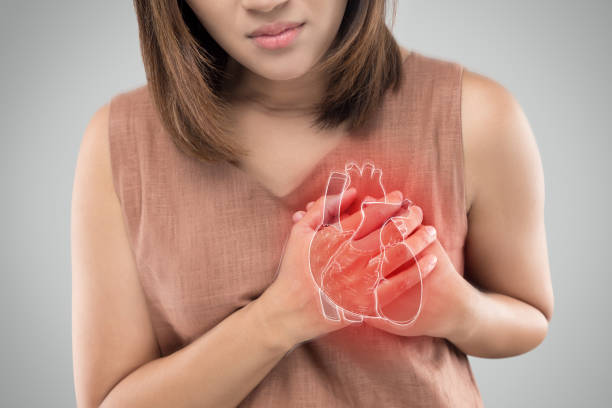
Also known as stress cardiomyopathy, broken heart syndrome or apical ballooning, takotsubo cardiomyopathy is a temporary but serious heart condition that is increasingly recognized in Amritsar and across Punjab. This guide from Livasa Hospitals, Livasa Amritsar explains what it is, how it presents, how it is diagnosed and treated, and how patients and families can access specialized care locally. For appointments call +91 80788 80788 or book online at Livasa Hospitals appointment.
Takotsubo cardiomyopathy (often called stress cardiomyopathy or broken heart syndrome) is an acute, reversible weakening of the heart muscle that most commonly affects the left ventricle's apex, producing a ballooning appearance on imaging — hence the name "apical ballooning." The condition was first described in Japan and named after a pot used to trap octopus ("takotsubo") due to the heart's shape during the event. It mimics an acute coronary syndrome (heart attack) in symptoms and initial tests, but unlike a heart attack it is not caused by a blocked coronary artery. Instead, it involves transient left ventricular dysfunction, often triggered by intense emotional or physical stress.
Clinically, takotsubo cardiomyopathy is characterized by acute chest pain, breathlessness, and ECG changes with mild-to-moderate troponin elevation. It predominantly affects women — particularly postmenopausal women — but can occur in men and younger adults as well. The dysfunction is typically temporary, with many patients recovering normal heart function within days to weeks, though complications and mortality can occur in the acute phase. In Amritsar and in centers across Punjab, recognition of this syndrome has grown as local cardiology services, including those at Livasa Amritsar, apply modern imaging and catheter lab technologies to differentiate takotsubo from other causes of acute chest pain.
Key points:
Takotsubo cardiomyopathy is most often preceded by an identifiable trigger, though in a portion of patients no clear event is found. Understanding common causes helps patients and clinicians identify and manage risk early. The leading hypothesis is that a sudden surge of stress hormones (catecholamines such as adrenaline and noradrenaline) temporarily stuns the heart muscle, causing the distinctive contractile pattern and symptoms. Triggers may be emotional, physical, or iatrogenic:
Although emotional triggers are often highlighted, many patients in Amritsar and across Punjab present after intense physical events — e.g., severe infection or major trauma. Additionally, there is ongoing research into possible genetic, hormonal, and microvascular contributions to why certain individuals develop takotsubo while others do not after similar stressors. Livasa Hospitals Amritsar’s cardiology team evaluates each patient comprehensively to identify triggers and tailor follow-up care, including psychological and social support when emotional factors are present.
Symptoms of takotsubo cardiomyopathy are acute and highly similar to those of a heart attack. Because the initial presentation can be life-threatening, any sudden chest pain, severe breathlessness, fainting, or collapse should prompt urgent evaluation at the nearest emergency department — including Livasa Amritsar’s emergency services. Typical symptoms include:
Because the ECG and blood tests (like troponin) may suggest myocardial injury, many patients are initially treated as possible heart attack cases until imaging and coronary angiography exclude an obstructive coronary lesion. Livasa Hospitals Amritsar’s state-of-the-art cath lab and experienced cardiologists ensure rapid triage, diagnosis and stabilization. If you experience acute chest pain in Amritsar or nearby areas, do not delay — call emergency services or contact Livasa Amritsar at +91 80788 80788.
Important: early recognition and hospital evaluation reduce complications. Prompt supportive care during the acute phase lowers risk of heart failure, arrhythmia, and shock.
Diagnosing takotsubo cardiomyopathy requires a combination of clinical suspicion, imaging and laboratory tests. The goal is to rule out obstructive coronary artery disease and confirm the characteristic pattern of left ventricular dysfunction. Typical diagnostic steps include:
Livasa Hospitals Amritsar’s cardiology department has access to modern diagnostic tools — from high-quality echocardiography to cath lab imaging (including OCT and IVUS) — which helps differentiate apical ballooning syndrome from coronary artery disease and other causes of acute heart dysfunction. Local clinicians in Amritsar use diagnostic criteria that combine clinical presentation, ECG, troponin trends, echo findings and coronary angiography. The typical pattern is transient wall motion abnormality beyond a single coronary vascular territory, absence of significant obstructive coronary disease, often a trigger history, and recovery of function on follow-up imaging.
Because both conditions present with chest pain and ECG changes, distinguishing takotsubo cardiomyopathy from an acute myocardial infarction (heart attack) is essential. The initial assessment often treats both similarly until imaging clarifies the diagnosis. The table below compares core features, diagnostic findings and management differences to help patients and families understand how they vary.
| Feature | Takotsubo cardiomyopathy | Acute myocardial infarction (heart attack) |
|---|---|---|
| Cause | Catecholamine surge, stress-related myocardial stunning | Occlusion of a coronary artery due to plaque rupture/thrombosis |
| Coronary angiography | Usually normal or non-obstructive arteries | Often shows obstructive lesion needing PCI or thrombolysis |
| Wall motion pattern | Apical or mid-ventricular ballooning; not confined to single coronary territory | Regional wall motion abnormality in culprit artery territory |
| Troponin levels | Mild-to-moderate elevation | Often markedly elevated depending on infarct size |
| Treatment | Supportive care, heart failure therapy as needed, address triggers | Immediate reperfusion (PCI/thrombolysis), antiplatelets, secondary prevention |
Treatment for takotsubo cardiomyopathy focuses on stabilizing the patient during the acute phase, managing heart failure symptoms when present, preventing complications, and addressing triggers (medical and psychological). Livasa Hospitals Amritsar provides comprehensive cardiology care — combining emergency response, cath lab diagnostics and advanced imaging to support optimal outcomes. Typical components of management include:
Below is a comparison table of common management pathways used for takotsubo versus more invasive cardiac procedures to show differences in approach, benefits and recovery.
| Management type | Benefits | Typical recovery time |
|---|---|---|
| Conservative medical therapy | Addresses heart failure symptoms, stabilizes patient, avoids unnecessary procedures | Days to weeks for clinical improvement; 4–12 weeks for echo normalization in many |
| Percutaneous coronary intervention (PCI) | Needed if coronary obstructive disease present; restores blood flow | Hospital stay 1–5 days; graded rehabilitation |
| Mechanical circulatory support | Supports circulation in cardiogenic shock (Impella or IABP) | Short-term use until recovery; ICU-level care |
Cost of treatment in Amritsar and Punjab varies depending on length of stay, use of cath lab, intensive care, and mechanical support when needed. Conservative inpatient management without mechanical devices may be substantially less costly than cases requiring ICU care or advanced support. For a tailored estimate, patients can contact Livasa Amritsar at +91 80788 80788 or use online booking.
The prognosis for most patients with takotsubo cardiomyopathy is favorable, with significant improvement in symptoms and heart function in weeks to months. Key recovery and prognosis points to understand:
In Amritsar and Punjab, availability of follow-up echocardiography, cardiac rehabilitation and psychological support at centers such as Livasa Hospitals Amritsar helps maximize recovery and reduce recurrence. Livasa’s cardiology team schedules follow-up imaging and tailored rehabilitation plans to support physical and emotional recovery. If you or a loved one has had takotsubo cardiomyopathy, adhere to follow-up appointments and discuss strategies for stress reduction and cardiac risk factor management with your cardiologist.
While takotsubo cardiomyopathy is not always preventable, identifying high-risk individuals and addressing modifiable factors can reduce the chance of an acute event. High-risk groups include:
Prevention strategies focus on stress reduction, mental health care, and management of cardiovascular risk factors. Practical measures include:
Livasa Hospitals Amritsar can connect patients with multidisciplinary services — cardiology, psychiatry, physiotherapy and cardiac rehab — to create a prevention plan. For residents of nearby neighborhoods and districts in Punjab, early counseling and follow-up after stressful medical events can be arranged through Livasa Amritsar’s outpatient clinics.
Takotsubo cardiomyopathy often has a clear emotional trigger; therefore, healing the heart often requires attention to emotional health. Recovery is best supported through integrated care that addresses both cardiac and psychological needs. Typical elements of psychosocial support include:
At Livasa Amritsar, patients with stress-induced cardiomyopathy are advised to engage in structured cardiac rehabilitation and psychological follow-up. This integrated approach reduces anxiety about recurrence and fosters a safe return to normal activities. Emotional recovery may take longer than physical recovery for some patients, and that is normal — clinicians at Livasa will help craft realistic timelines and supports.
Livasa Hospitals in Amritsar offers a multidisciplinary cardiology service well-suited to diagnosing and managing takotsubo cardiomyopathy. Key strengths include:
If you are searching for "best hospital for takotsubo cardiomyopathy Amritsar," "stress cardiomyopathy treatment Punjab," or "broken heart syndrome clinic Amritsar," Livasa Hospitals Amritsar is equipped to deliver evidence-based acute care and long-term follow-up. To discuss your case or schedule an appointment with a cardiologist for takotsubo cardiomyopathy, call +91 80788 80788 or book online at Livasa Hospitals appointment.
If you suspect takotsubo cardiomyopathy or have recently been diagnosed, these practical steps will help navigate recovery and follow-up:
Local patients benefit from coordinated services at Livasa Amritsar — from acute care to rehabilitation and mental health — reducing the need to travel long distances for specialized follow-up. If you live in Amritsar or nearby in Punjab, call or book online to discuss a personalized plan for recovering from stress-induced cardiomyopathy.
Takotsubo cardiomyopathy (stress cardiomyopathy / broken heart syndrome) is an acute, typically reversible condition that can closely mimic a heart attack. Early hospital evaluation is crucial to rule out coronary artery occlusion and provide supportive care. Global data indicate takotsubo accounts for about 1–2% of patients initially suspected of having an acute coronary syndrome, with most cases occurring in postmenopausal women. In India and Punjab, recognition of the syndrome has increased as diagnostic capabilities in centers like Livasa Hospitals Amritsar have improved.
If you or a family member experience sudden chest pain, breathlessness or syncope in Amritsar, seek emergency care immediately. For non-emergent consultation, specialist cardiology appointments for diagnosis, treatment and post-discharge care for takotsubo cardiomyopathy are available at Livasa Hospitals Amritsar. Call +91 80788 80788 or book online at https://www.livasahospitals.com/appointment. Livasa’s multidisciplinary team — interventional cardiologists, imaging specialists, critical care experts and mental health professionals — will work with you to achieve the best possible recovery.
If you are worried about symptoms of takotsubo cardiomyopathy Amritsar or need a follow-up with a cardiologist for takotsubo cardiomyopathy, contact Livasa Hospitals Amritsar at +91 80788 80788 or book an appointment online. Early assessment and integrated care improve outcomes and support both heart and emotional recovery.
Obesity and Joint Replacement: Weight and BMI Guidelines in Amritsar
Diabetes, Heart Disease and Joint Replacement: Multispeciality Care in Amritsar
Home Modifications After Joint Replacement: Safety Tips for Amritsar Patients
Livasa Healthcare Group Corporate Office,Phase-8, Industrial Area, Sector 73, Sahibzada Ajit Singh Nagar, Punjab 160071
| Mohali | +91-99888 23456 |
| Amritsar | +91-99887 49494 |
| Hoshiarpur | +91-99883 35353 |
| Nawanshahr | +91-75081 82337 |
| Khanna | +91-98888 05394 |
