03 Aug 2026
Obesity and Joint Replacement: Weight and BMI Guidelines in Amritsar

27 Feb 2026
Call +91 80788 80788 to request an appointment.
At Livasa Hospitals, Livasa Mohali offers an integrated cardiac program that combines a dedicated cardiac ICU with a state-of-the-art cath lab, designed to deliver rapid emergency care, advanced interventional cardiology and comprehensive post-operative support. This article explains what these units do, the technology available at Livasa Mohali, the common procedures performed, emergency pathways for heart attack patients, expected costs for procedures such as angioplasty, and how patients and families can navigate care. The goal is to provide clear, authoritative and patient-friendly information for people searching for the best heart hospital in Punjab or the top cardiac hospital Chandigarh Tricity.
The combination of a cardiac intensive care unit (ICU) and a catheterisation laboratory (cath lab) on a single campus transforms how heart emergencies and planned cardiac procedures are handled. At Livasa Mohali, the cardiac ICU and cath lab work as a single clinical ecosystem to provide round-the-clock care for patients with acute coronary syndromes, high-risk interventional cases, post-cardiac surgery monitoring and advanced heart failure management. This integration shortens the time from arrival to treatment, known as “door-to-balloon” time for heart attack patients, and improves outcomes through immediate access to advanced monitoring, mechanical circulatory support and expert critical care teams.
Globally, cardiovascular disease (CVD) is the leading cause of death, responsible for approximately 17.9 million deaths annually according to the World Health Organization. In India, cardiovascular diseases account for more than 2.6 million deaths annually, and the burden continues to grow with increasing urbanisation and lifestyle risk factors. In Punjab and the Chandigarh Tricity area, the prevalence of coronary artery disease is rising; patients often seek local centres that provide sophisticated interventional cardiology and dedicated post-op ICU care. For families in Mohali and nearby Chandigarh, knowing where to access the best cardiac facility Mohali or a 24/7 cath lab Mohali can be lifesaving.
This article is intended for patients, caregivers and referring physicians who want an in-depth understanding of what a modern cardiac ICU and cath lab offer: clinical capabilities, technology, safety protocols, typical treatments, costs, and the patient journey at Livasa Mohali. If you need urgent assistance, call +91 80788 80788 or book an appointment online.
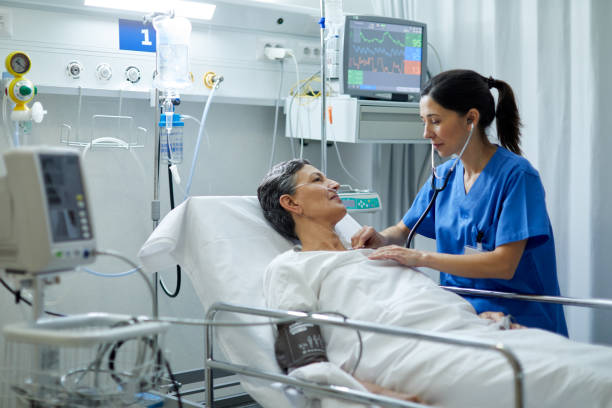
A cardiac ICU is a specialised intensive care unit focused exclusively on patients with severe heart conditions. Typical cardiac ICU patients include those recovering from open heart surgery, patients with cardiogenic shock, complex arrhythmias, advanced heart failure or complications after interventional procedures. The cardiac ICU at Livasa Mohali is staffed by cardiologists, cardiac intensivists, cardiac anesthesiologists and specialised critical care nurses trained in cardiac monitoring and support.
A cath lab (cardiac catheterisation laboratory) is an interventional facility equipped for diagnostic and therapeutic procedures performed through vascular access—most commonly via the radial (wrist) or femoral (groin) arteries. In a cath lab, cardiologists perform coronary angiography (visualising blockages), percutaneous coronary intervention (PCI / angioplasty with stent placement), rotablation for calcified lesions, transcatheter valve procedures (like TAVI) and device implantations such as pacemakers and ICDs. A modern cath lab combines fluoroscopic imaging, haemodynamic monitoring and adjunctive imaging like IVUS (intravascular ultrasound) and OCT (optical coherence tomography) to optimise outcomes.
At Livasa Mohali, the cath lab is configured as a state-of-the-art cath lab (Tower – Sole Operator) enabling independent, efficient interventional workflows. The cath lab integrates with the cardiac ICU to allow immediate transfer for post-procedure monitoring, mechanical support (Impella), or advanced resuscitative care when needed. This close integration ensures patients having emergency heart attack treatment in Mohali receive uninterrupted care from diagnosis to definitive therapy to recovery in the ICU.
Livasa Mohali’s cardiac unit is equipped to deliver the best cardiac facility Punjab patients expect. The infrastructure blends advanced diagnostic and therapeutic devices with modern ICU technology to support complex heart care. Key components include:
These technologies allow Livasa Hospitals Mohali cath lab to support complex interventional procedures — including coronary angiography Mohali, PCI, rotablation, transcatheter valve therapies and device implants — while the cardiac ICU provides continuous care for post-procedure observation, ventilator support, inotropic therapy and arrhythmia management. The integration of advanced imaging (IVUS/OCT) reduces complications and improves long-term stent outcomes by ensuring optimal stent expansion and apposition.
Livasa Mohali offers a full spectrum of interventional and surgical cardiac services that patients commonly seek in the Tricity region. These include diagnostic coronary angiography, angioplasty with stent placement (PCI), emergency primary PCI for heart attacks, rotablation for calcified arteries, transcatheter valve replacement (TAVI) for high-risk patients, device implants (pacemakers, CRT-Ds, AICDs), leadless pacemakers (MICRA), and complex coronary interventions utilizing adjunctive imaging.
Below is a comparative view of commonly performed procedures, their principal benefits and typical recovery expectations. This helps patients and families understand treatment options and plan for post-procedure care.
| Procedure type | Benefits | Recovery time |
|---|---|---|
| Coronary angiography (diagnostic) | Identifies blockages; minimally invasive; low complication rate | Same day to 24 hours observation |
| PCI / angioplasty with stent | Restores blood flow, relieves chest pain, prevents heart muscle damage | 24–72 hours for uncomplicated cases; 1–2 weeks for full activity |
| Rotablation (ROTA) | Treats calcified lesions enabling successful stent placement | 48–72 hours; dependent on complexity |
| TAVI (transcatheter valve implantation) | Less invasive valve replacement for high-risk surgical patients | 3–7 days in hospital; weeks to full recovery |
| Pacemaker / CRT-D / AICD implant | Controls heart rhythm, prevents sudden cardiac death, improves symptoms | 1–3 days hospital stay; several weeks until full activity |
These procedures are supported by advanced monitoring and post-procedure protocols within the cardiac ICU to detect and treat complications early. For high-risk or unstable patients, devices like Impella can be deployed to maintain circulation during complex procedures, and the ICU team can provide ventilatory, renal and inotropic support as required.
Timely treatment is critical in acute myocardial infarction (heart attack). The standard metric for emergency care is the “door-to-balloon” time — the interval from hospital arrival to reopening the blocked coronary artery in the cath lab. International guidelines recommend a door-to-balloon time of under 90 minutes for ST-elevation myocardial infarction (STEMI). Livasa Mohali operates a 24/7 cath lab in Punjab with protocols that prioritise immediate triage, early ECG interpretation by skilled cardiology teams and rapid activation of the cath lab.
The emergency pathway typically involves:
For families in Mohali and the Chandigarh Tricity area, recognising heart attack symptoms (chest pain or discomfort, breathlessness, nausea, sweating, fainting) and calling emergency services or directly contacting the hospital can significantly cut treatment delays. Livasa Mohali emphasises public education and has streamlined its emergency response to be among the promptest in the region for emergency heart attack treatment Mohali.
Outcomes improve when rapid reperfusion is achieved. The presence of a combined cath lab and cardiac ICU reduces transfer delays, ensures immediate access to mechanical circulatory support when needed, and supports early complication management — factors associated with better survival and reduced long-term heart damage.
Understanding the patient pathway eases anxiety and allows families to plan. Here is a patient-centered overview of what to expect when you come to Livasa Mohali for cardiac care, whether for elective angiography or emergency PCI.
Before the procedure
During the procedure
In the cath lab, the patient is monitored continuously. Local anaesthesia is used at the access site; many procedures are done with conscious sedation rather than general anaesthesia. The cardiologist inserts a catheter through the radial or femoral artery to perform angiography, and if needed, angioplasty and stent placement. Advanced imaging (IVUS/OCT) may be used to optimise outcomes. For complex or high-risk cases, an anaesthesiologist and critical care team are available on-site.
After the procedure (cardiac ICU care)
The cardiac ICU team at Livasa Mohali focuses on personalised recovery plans, pain control, arrhythmia surveillance and optimisation of heart function before discharge. For complex surgical cases, the ICU provides ventilator weaning, renal support and infection prevention measures until the patient is clinically stable.
Cost transparency is essential when planning cardiac care. The final price for procedures like angioplasty depends on multiple variables: stent type (drug-eluting vs bare-metal), number of stents, use of adjunctive devices (IVUS/OCT, Impella), pre-existing conditions, length of ICU stay and any complications. Below is a comparative cost table showing typical ranges you might expect in Mohali, Punjab and broader India; these are indicative and individual cases vary.
| Procedure | Typical cost range in Mohali (INR) | Typical cost range in Punjab/Chandigarh Tricity (INR) | Notes |
|---|---|---|---|
| Diagnostic coronary angiography | ₹18,000 – ₹60,000 | ₹20,000 – ₹70,000 | Day care to short observation |
| PCI / angioplasty (single stent) | ₹1,10,000 – ₹2,50,000 | ₹1,20,000 – ₹2,80,000 | Depends on stent type and ICU stay |
| Complex PCI (multivessel / rotablation) | ₹2,00,000 – ₹5,00,000+ | ₹2,20,000 – ₹5,50,000+ | May include mechanical support costs |
| TAVI | ₹8,00,000 – ₹20,00,000+ | ₹8,00,000 – ₹22,00,000+ | High-cost due to valve device |
When discussing costs at Livasa Mohali, the care team will provide a tailored estimate that includes expected ICU days, device costs and rehabilitation needs. Many insurers cover part or all of interventional procedures — the hospital’s billing team can assist with pre-authorization and cashless claim facilitation. For up-to-date cost estimates or to discuss financial assistance, call +91 80788 80788 or book online.
Choosing the right facility for cardiac care depends on clinical expertise, technology, response times, and post-procedure support. Livasa Mohali distinguishes itself across these factors:
Livasa Mohali is actively positioned as one of the top cardiac hospital Chandigarh Tricity and among the best cardiac facility Mohali by offering high standards in clinical governance, infection control and patient safety. Families who search for a “heart hospital near Chandigarh Tricity” or the “best heart hospital in Punjab” will find Livasa to be accessible, responsive and technically proficient for both emergency and elective cardiac care.
For appointments, second opinions or emergency admissions, contact the hospital at +91 80788 80788 or use the appointment page: https://www.livasahospitals.com/appointment. Livasa Mohali’s location within the Tricity makes it readily accessible for patients from Mohali, Chandigarh and Panchkula.
Patients and families commonly ask practical questions about care pathways, risks and prevention. This section addresses frequent concerns and offers preventive guidance to reduce future cardiac risk.
Q: How soon after a heart attack will my loved one be in the cath lab?
At Livasa Mohali, the objective is to achieve a door-to-balloon time under 90 minutes. For patients arriving directly to the hospital with clear STEMI on ECG, the cath lab team can often be ready within this timeframe. Pre-hospital ECGs and early notification further reduce delays.
Q: What is post-op cardiac ICU care like?
Post-procedure patients receive continuous cardiac monitoring, medication optimisation, wound and access-site surveillance, and early mobilisation protocols. The ICU staff provides family updates and clear discharge planning including medications, follow-up appointments and rehabilitation referrals.
Q: How can I reduce my risk of coronary artery disease?
These preventive steps are the foundation for reducing the incidence of heart attacks and the need for invasive procedures. For personalised risk assessment or lifestyle counselling, Livasa Mohali’s cardiology outpatient services provide tailored plans.
If you or a loved one requires urgent evaluation, second opinion or elective cardiac intervention, Livasa Mohali’s integrated cardiac ICU and cath lab provide advanced, compassionate care. To speak with our team or book an appointment, call +91 80788 80788 or visit https://www.livasahospitals.com/appointment.
Livasa Mohali serves families across Mohali, Chandigarh and the wider Tricity area with comprehensive heart care — from timely emergency response to long-term recovery and prevention.
Disclaimer: This article provides general information about cardiac services and is not a substitute for professional medical advice. Individual patient care, indications and costs vary. For accurate clinical guidance and a personalised treatment plan at Livasa Mohali, please consult the treating cardiologist.
Obesity and Joint Replacement: Weight and BMI Guidelines in Amritsar
Diabetes, Heart Disease and Joint Replacement: Multispeciality Care in Amritsar
Home Modifications After Joint Replacement: Safety Tips for Amritsar Patients
Livasa Healthcare Group Corporate Office,Phase-8, Industrial Area, Sector 73, Sahibzada Ajit Singh Nagar, Punjab 160071
| Mohali | +91-99888 23456 |
| Amritsar | +91-99887 49494 |
| Hoshiarpur | +91-99883 35353 |
| Nawanshahr | +91-75081 82337 |
| Khanna | +91-98888 05394 |
