03 Aug 2026
Obesity and Joint Replacement: Weight and BMI Guidelines in Amritsar

Dr. Baljot Singh
19 Dec 2025
Call +91 80788 80788 to request an appointment.
Written for patients and families by the Pulmonology team at Livasa Hospitals, Livasa Amritsar. This comprehensive guide explains what causes asthma, local triggers in Punjab and Amritsar, differences between childhood and adult asthma, how we diagnose it, available treatments, home strategies, cost considerations and when to contact an asthma specialist. For appointments call +91 80788 80788 or book online.
Asthma is a chronic inflammatory disorder of the airways that causes intermittent breathing problems due to reversible narrowing of the bronchial tubes. It is characterized by episodes of wheeze, breathlessness, chest tightness and cough. Symptoms may be brief and isolated or recurrent and severe. While asthma cannot always be permanently cured, good diagnosis and long-term management can control symptoms, reduce attacks and maintain normal daily activities for most people.
Globally, asthma affects hundreds of millions of people. According to major health reports, approximately over 250–300 million people worldwide live with asthma, and the burden is significant in large, densely populated countries such as India. In Punjab, seasonal pollution events (including stubble burning), dust storms, and urban emissions contribute to frequent exacerbations and increased healthcare visits for asthma. In Amritsar and surrounding districts, clinicians at Livasa Amritsar routinely manage patients with seasonal and perennial asthma, and we focus on both acute care and preventive strategies.
This article, informed by the clinical practice of Dr. Baljot Singh and the Livasa Pulmonology team, explores causes — genetic, environmental, infectious and occupational — and provides practical, local guidance for patients in Amritsar and Punjab on diagnosis, treatment choices and home-based control measures.
Asthma develops from a complex interaction of genetic predisposition and environmental exposures that lead to airway inflammation and hyper-responsiveness. The underlying mechanism is chronic inflammation of the bronchial mucosa with intermittent bronchoconstriction — muscles around airways tighten, mucous production increases and airway lining becomes swollen. Over time, repeated inflammation can cause structural changes (“airway remodeling”) that make symptoms more persistent.
Key causal categories include:
On a cellular level, asthma involves increased eosinophils, mast cell activation, Th2 (type 2) immune responses in allergic forms, and cytokines such as IL-4, IL-5 and IL-13. In non-type 2 asthma, neutrophilic inflammation and different molecular pathways dominate. Understanding the subtype matters because it directs targeted therapies — for example, biologic drugs are effective in type 2 asthma with eosinophilia or high IgE.
Many patients have mixed mechanisms; therefore, accurate clinical assessment and tests are essential to determine which causal factors are most important for individual management.
Local environmental and seasonal triggers in Punjab and the city of Amritsar are prominent contributors to asthma exacerbations. Patients who are stable for months may flare repeatedly due to local factors. At Livasa Amritsar we counsel patients on region-specific triggers and practical avoidance strategies alongside medical therapy.
Important local triggers include:
Practical local advice includes monitoring daily air quality index (AQI), limiting outdoor activity on high pollution days, using high-efficiency masks (N95) when pollution is severe, improving indoor ventilation, using covered mattresses and regularly washing bedding to reduce dust mites, and avoiding exposure to smoke. Livasa Amritsar’s pulmonologists provide individualized trigger identification and avoidance plans tailored to patients’ lifestyle and work.
Asthma can present at any age, but the underlying causes and patterns often differ between children and adults. Recognizing these differences helps clinicians choose the most effective diagnostic tests and treatments. At Livasa Amritsar, our pediatric and adult pulmonology teams evaluate age-specific factors and create tailored management plans.
In children:
In adults:
The approach to diagnosis varies: in younger children, spirometry may be difficult and clinicians rely on symptom patterns, response to therapy and objective measures when possible. In adults, spirometry, bronchodilator response and additional tests (FeNO, sputum eosinophils) provide clearer phenotyping. Treatment strategies are individualized — children often receive weight- and age-appropriate inhaled medications plus education on inhaler technique and avoidance; adults may require more complex regimens including biologics and treatment for comorbid conditions.
Recognizing early signs of asthma and identifying emergency symptoms saves lives. Asthma symptoms vary by intensity and timing. Some patients have mild symptoms for years, while others present with sudden severe attacks (status asthmaticus). Awareness of warning signs helps families seek timely care in Amritsar and beyond.
Common and early symptoms:
Alarm features and emergency signs (seek immediate care or call emergency services):
If any emergency signs are present, go to the nearest emergency department immediately. For non-emergent symptoms, schedule evaluation with a pulmonologist at Livasa Amritsar where Dr. Baljot Singh and team can perform diagnostic testing and provide a personalized asthma action plan. Early recognition and prompt treatment can prevent hospitalizations and long-term lung damage.
Accurate diagnosis is the foundation of effective asthma care. At Livasa Amritsar, we use a combination of clinical assessment and objective tests to confirm asthma, identify triggers, and phenotype disease for targeted therapy. Diagnosis is particularly important because other conditions (e.g., COPD, bronchiectasis, cardiac disease) can mimic asthma symptoms.
Common diagnostic tests and procedures available locally:
Livasa Amritsar’s pulmonology unit provides these diagnostic options with same-day spirometry reports, specialist interpretation and personalized recommendations. For many patients, a combination of spirometry and FeNO plus a symptom history suffices to start treatment and monitor response. We emphasize correct inhaler technique and provide training during visits — a small factor that dramatically improves outcomes.
Treatment aims to control symptoms, prevent exacerbations, maintain normal activity and minimize side effects. Options range from short-acting reliever inhalers for immediate symptom relief to daily maintenance inhaled corticosteroids (ICS), long-acting bronchodilators (LABA), leukotriene modifiers, and advanced therapies like biologics or bronchial thermoplasty for severe, uncontrolled asthma.
Treatment is individualized based on severity, frequency of symptoms, lung function, exacerbation history and phenotype (e.g., eosinophilic asthma). In Amritsar, Livasa’s pulmonology specialists, including Dr. Baljot Singh, evaluate each patient’s profile and discuss the pros and cons of available choices.
| Treatment type | Benefits | Considerations / recovery time |
|---|---|---|
| Inhaled corticosteroids (ICS) | Reduces airway inflammation, controls symptoms long-term | Daily use; effects accumulate; monitor for oral thrush; quick symptom improvement often within days to weeks |
| Short-acting bronchodilators (SABA) | Rapid relief of acute wheeze and breathlessness | As-needed use; overuse signals poor control; not for long-term monotherapy |
| Long-acting bronchodilators (LABA) plus ICS | Improves control and reduces exacerbations compared with ICS alone | Use only in combination with ICS; regular dosing |
| Leukotriene receptor antagonists | Oral option helpful for allergic rhinitis and aspirin-sensitive asthma | Generally well tolerated; variable response |
| Biologic therapies (e.g., anti-IgE, anti-IL5) | For severe eosinophilic or allergic asthma; reduces exacerbations and steroid requirement | Requires specialist assessment, blood markers; injection every 2–8 weeks; higher cost |
| Bronchial thermoplasty | Procedure for severe persistent asthma to reduce airway smooth muscle | Three bronchoscopic sessions; specialist centre required; recovery days to weeks |
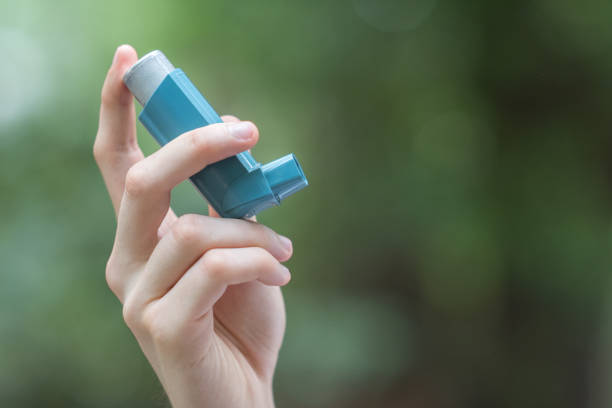
Inhaler choice (metered dose inhaler vs dry powder inhaler vs soft-mist inhaler) depends on patient ability and preference; technique is critical. For many patients in Amritsar, a combination inhaler (low-dose ICS + LABA) once or twice daily provides effective control while minimizing systemic steroid exposure. For those with frequent exacerbations and blood eosinophilia or high IgE, biologic agents offered through specialist clinics can dramatically reduce hospitalizations and steroid dependence.
Anticipated side effects, expected timeline for benefit, and cost considerations will be reviewed in consultation. Livasa Amritsar’s pulmonology team offers multidisciplinary reviews for complex cases, including pediatric, allergy and ENT collaboration when needed.
Managing asthma is a long-term partnership between patient and clinician. Effective control combines medical therapy, trigger avoidance, monitoring and education. Below are practical strategies tailored for patients in Amritsar and Punjab, addressing common lifestyle, environmental and cost-related concerns.
Everyday management essentials:
Home remedies and complementary measures can supplement but not replace prescribed therapy. For mild symptom relief, short-acting reliever inhalers and warm, humidified air may help. Some patients seek Ayurvedic or herbal remedies; while these may provide symptomatic relief for some individuals, they should be discussed with the pulmonologist to avoid interactions and ensure they do not delay effective therapy.
Long-term care includes regular follow-up visits, periodic spirometry, assessment of control and adjustment of therapy to the lowest effective dose. For many patients, stepping down therapy may be possible after sustained control; others will need ongoing maintenance. For severe asthma, referral for biologic therapy, specialised physiotherapy and psychological support may be required.
Cost considerations in Punjab/Amritsar:
If you are concerned about asthma cost in Amritsar or need a full cost estimate for a specific plan (e.g., start of biologic therapy), Livasa Amritsar’s patient coordination team can provide transparent estimates and discuss insurance or financial assistance options.
You should see a pulmonologist if:
Why consider Livasa Amritsar and Dr. Baljot Singh:
If you are searching for the best asthma specialist in Punjab or the best doctor for asthma in Amritsar, our team offers second opinions and long-term management plans tailored to working adults, children and older patients. Early specialist involvement improves outcomes for patients with frequent exacerbations or poor response to initial therapy.
For assessment, spirometry testing, allergy evaluation and comprehensive care for asthma in Amritsar, contact Livasa Amritsar. To book, call +91 80788 80788 or book online. Dr. Baljot Singh and the pulmonology team are available for consultations, follow-ups and emergency evaluations.
Common searches we help with: asthma diagnosis in Amritsar, asthma treatment Amritsar, spirometry test for asthma in Amritsar, asthma specialist Amritsar, and asthma prevention tips Amritsar.
Asthma is a manageable chronic condition when identified early, correctly diagnosed and treated with a combination of medical therapy and avoidance of triggers. In Punjab and Amritsar, environmental and seasonal factors such as air pollution, stubble burning, dust and pollen contribute heavily to exacerbations; therefore, region-specific prevention strategies are essential.
Key takeaways:
At Livasa Amritsar, our multidisciplinary approach to asthma care combines evidence-based medicine, local environmental guidance and patient education to help you and your family breathe easier. For inquiries or to book an appointment, call +91 80788 80788 or visit our appointment page.
Q: Can asthma be cured?
A: There is no guaranteed cure for most forms of asthma, but most patients achieve excellent long-term control with appropriate treatment and trigger management.
Q: Are inhalers safe?
A: Yes. Inhaled medications act directly on the lungs and have fewer systemic side effects than oral steroids when used correctly.
Q: How much does asthma treatment cost in Amritsar?
A: Costs vary based on severity and chosen therapies; many patients manage on affordable inhalers while others may require higher-cost biologics. Contact Livasa Amritsar for personalized cost estimates and insurance help.
Obesity and Joint Replacement: Weight and BMI Guidelines in Amritsar
Diabetes, Heart Disease and Joint Replacement: Multispeciality Care in Amritsar
Home Modifications After Joint Replacement: Safety Tips for Amritsar Patients
Livasa Healthcare Group Corporate Office,Phase-8, Industrial Area, Sector 73, Sahibzada Ajit Singh Nagar, Punjab 160071
| Mohali | +91-99888 23456 |
| Amritsar | +91-99887 49494 |
| Hoshiarpur | +91-99883 35353 |
| Nawanshahr | +91-75081 82337 |
| Khanna | +91-98888 05394 |
