03 Aug 2026
Obesity and Joint Replacement: Weight and BMI Guidelines in Amritsar

Dr. (Prof.) Rakesh Sudan
21 Apr 2026
Call +91 80788 80788 to request an appointment.
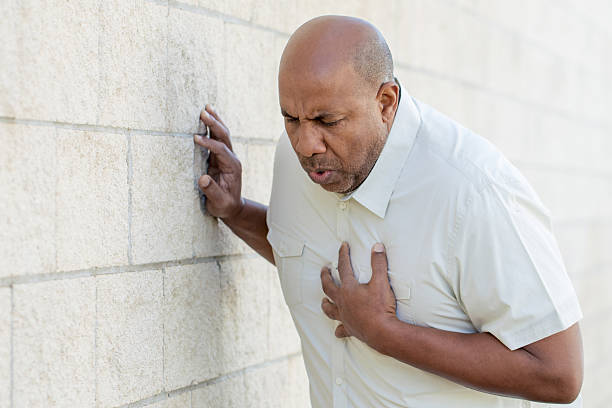
Chest pain is one of the most anxiety-provoking symptoms a person can experience. For patients and families in Amritsar and across Punjab, the immediate question is often: Is this a heart problem? This article is written to help you understand when chest pain is likely to be cardiac, which symptoms require urgent attention, and what diagnostic and treatment pathways are available at a specialised chest pain clinic such as Livasa Hospitals — Livasa Amritsar. We explain the causes, the clinical signs that suggest a heart attack or angina, common non-cardiac mimics, and how an emergency chest pain clinic in Amritsar evaluates and manages these patients.
The aim is patient-friendly clarity combined with clinical accuracy. If you are searching for “chest pain clinic Amritsar”, “chest pain doctor near me” or “cardiologist for chest pain in Amritsar”, this guide explains what to expect, when to seek emergency care, and how Livasa Amritsar’s chest pain centre operates to give fast, evidence-based care for chest tightness treatment, chest pain evaluation and chest pain diagnosis.
Chest pain is a common symptom that ranges from benign causes to life-threatening cardiac events. Globally, cardiovascular diseases remain the leading cause of death. The World Health Organization estimates that cardiovascular diseases cause approximately 17.9 million deaths each year, representing nearly one-third of all global deaths. In India, cardiovascular disease burden is substantial and has risen over the past decades due to ageing population, urbanisation, rising diabetes and hypertension rates, and lifestyle changes. In many Indian states including Punjab, the prevalence of risk factors like high blood pressure, type 2 diabetes and tobacco use is higher than national averages, increasing the likelihood that chest pain is cardiac in origin for some patients.
For residents of Amritsar and surrounding districts, prompt access to an emergency chest pain clinic in Punjab is crucial because early diagnosis and treatment of acute coronary syndromes dramatically reduce death and disability. Early ECG, troponin testing, rapid triage and access to percutaneous coronary intervention (PCI) or thrombolysis are key determinants of outcome. Livasa Amritsar’s chest pain centre is designed to respond quickly to these needs, offering fast assessment and pathways to urgent cardiology care.
Beyond heart attacks, chest pain causes significant healthcare visits for conditions such as gastroesophageal reflux, musculoskeletal pain and anxiety disorders. Understanding the local patterns—higher rates of hypertension and diabetes in Punjab—helps clinicians in Amritsar prioritise rapid cardiac evaluation while balancing the need to identify non-cardiac causes efficiently.
Chest pain can arise from structures in the chest such as the heart, lungs, oesophagus, ribs, muscles, and nerves. Distinguishing between cardiac and non-cardiac causes is the first step in effective evaluation. Cardiac causes include acute coronary syndromes (unstable angina and myocardial infarction), stable angina, pericarditis (inflammation of the sac around the heart), aortic dissection (a life-threatening tear in the aorta), and less commonly, cardiomyopathies that cause chest discomfort. Non-cardiac causes are common and include gastroesophageal reflux disease (GERD), oesophageal spasm, peptic ulcer disease, costochondritis (inflammation of rib cartilage), pleurisy (inflammation of the lung lining), pulmonary embolism, panic and anxiety disorders, and musculoskeletal injuries.
To help patients and clinicians, the following table summarises typical features that distinguish cardiac vs non-cardiac chest pain. This comparison is simplified and not absolute—many patients have overlapping symptoms and deserve formal clinical assessment.
| Feature | Cardiac chest pain | Non-cardiac chest pain |
|---|---|---|
| Character | Pressure, squeezing, heavy, tightness | Sharp, localized, burning, stabbing |
| Radiation | Jaw, left arm, neck, back | Usually local; may radiate if oesophageal |
| Associated symptoms | Sweating, nausea, breathlessness, faintness | Heartburn, cough, pleuritic pain, muscle tenderness |
| Relation to exertion | Worse with exertion (stable angina) or at rest (unstable angina) | Often posture- or movement-related, or after meals |
While many causes are benign, the possibility of an acute coronary syndrome or pulmonary embolism means that chest pain often requires urgent evaluation. In Amritsar, a chest pain clinic like Livasa Amritsar ensures that patients suspected of having cardiac chest pain receive rapid ECG and troponin testing, while also investigating non-cardiac causes when indicated.
Knowing the signs that suggest chest pain is heart-related helps patients decide whether to seek immediate care. The most important red flags include:
Some heart attacks present atypically, especially in women, older adults, and people with diabetes—symptoms may be limited to extreme fatigue, shortness of breath, indigestion-like sensations, or mild pressure. This is why many clinics, including Livasa Amritsar chest pain clinic, follow a low threshold for performing an ECG and troponin tests when patients present with concerning features.
For the question “when is chest pain a heart attack Amritsar?”, the answer is: when the clinical picture plus ECG changes and elevated cardiac biomarkers (troponin) point to myocardial ischemia or infarction. Early recognition and treatment—ideally within the first few hours—can save heart muscle and lives.
A structured evaluation increases the chance of identifying a heart-related cause quickly. At an emergency chest pain clinic in Punjab such as Livasa Amritsar, the typical triage and diagnostic pathway includes:
Early ECG and troponin testing are cornerstones of the chest pain pathway. For patients presenting to the Livasa Amritsar chest pain centre, our protocol emphasises rapid ECG for chest pain Amritsar and timely laboratory evaluation including troponin test Amritsar so that decisions about thrombolysis, urgent angiography or conservative care can be made without delay.
The following table compares common diagnostic tests used in the chest pain clinic and their roles:
| Test | Purpose | How it helps |
|---|---|---|
| 12-lead ECG | Immediate electrical assessment | Detects ST-elevation, arrhythmias, ischemic changes |
| Troponin | Cardiac biomarker | Shows myocardial injury; serial testing confirms evolving MI |
| Echocardiogram | Structural heart assessment | Assesses wall motion, heart valves, pericardial disease |
| Coronary CT angiography | Non-invasive coronary imaging | Visualises coronary anatomy when risk is intermediate |
| D-dimer/chest CT | Assessment for pulmonary embolism | Used when clinical suspicion of PE exists |
The treatment pathway depends on the diagnosis and urgency. For cardiac causes, rapid reperfusion saves heart muscle. If a patient is diagnosed with an acute ST-elevation myocardial infarction (STEMI), the preferred treatment is immediate reperfusion—either primary percutaneous coronary intervention (PCI) at a capable centre or thrombolytic therapy if PCI is not available within the recommended timeframe. For non-ST-elevation acute coronary syndromes (NSTEMI/unstable angina), medical stabilisation followed by risk stratification and timely coronary angiography may be required.
Stable angina is commonly managed with lifestyle modifications, anti-anginal medications (beta-blockers, nitrates, calcium channel blockers), antiplatelet therapy and statins. If persistent symptoms affect quality of life or objective testing shows significant coronary blockage, revascularisation with PCI (stenting) or coronary artery bypass grafting (CABG) may be advised.
Non-cardiac causes are treated according to the underlying problem: GERD with proton pump inhibitors and lifestyle measures, musculoskeletal pain with analgesia and physiotherapy, anxiety with counselling and psychiatric interventions, and pulmonary embolism with anticoagulation. The chest pain clinic in Amritsar offers rapid evaluation and arranges the appropriate specialty care—cardiology, gastroenterology, pulmonology, or psychiatry—based on diagnosis.
The table below compares common cardiac treatment approaches to help patients and families understand options and typical recovery expectations.
| Procedure type | Benefits | Recovery time |
|---|---|---|
| Primary PCI (stent) | Rapid reperfusion, less heart muscle damage | Hospital stay 2–5 days; return to normal activity in weeks |
| Thrombolysis (clot-busting drugs) | Useful where PCI delay; widely available | Hospital stay 3–7 days; observation for bleeding complications |
| CABG (bypass surgery) | Better for multi-vessel disease; durable results | Hospital stay 7–10 days; full recovery 6–12 weeks |
| Medical management (stable angina) | Non-invasive, controls symptoms and risk | Ongoing; lifestyle and medication adherence indefinite |
Time matters with cardiac chest pain. If you or someone with you experiences any of the following, call emergency services or go immediately to the nearest emergency chest pain clinic or hospital:
In Amritsar, if you are uncertain, it is better to seek care early. Livasa Amritsar recommends that patients call ahead if possible at +91 80788 80788 or book an appointment online at www.livasahospitals.com/appointment for non-emergent chest pain evaluation. For emergency symptoms, proceed to the emergency department or call local emergency services—the chest pain centre will prioritise rapid ECG and troponin testing, and activate pathways for urgent reperfusion if needed.
Remember that delaying care because you are unsure can be dangerous. Prompt assessment improves outcomes, and emergency chest pain clinics in Punjab are equipped to identify those who need immediate intervention.
Livasa Hospitals — Livasa Amritsar provides a dedicated chest pain assessment clinic and emergency pathways for urgent cardiac care. The clinic combines rapid triage, immediate ECG and troponin testing, access to cardiology specialists experienced in acute coronary syndromes, and links to catheterisation facilities when needed. Patients presenting with chest pain are assessed by trained emergency physicians and cardiologists who determine the most appropriate investigations or treatments.
The multidisciplinary team at Livasa Amritsar includes:
For patients searching for the “best chest pain doctor in Amritsar” or “cardiologist for chest pain Punjab”, Livasa Amritsar offers experienced physicians, rapid diagnostics (ECG for chest pain Amritsar, troponin test Amritsar) and clear communication about diagnosis and treatment options. The clinic also assists with referrals for coronary angiography and bypass surgery when indicated, working with regional centres to provide timely revascularisation.
If you are deciding where to be evaluated, consider proximity and speed of care: a local chest pain centre that provides rapid ECG and troponin testing, like Livasa Amritsar, can shorten the time to appropriate treatment—a critical factor in survival and recovery.
Costs for chest pain evaluation and treatment vary depending on the tests performed and interventions required. Below is an illustrative comparison of typical services and approximate cost ranges in Amritsar. These are estimates and final costs depend on patient condition, emergency status, hospital policies and whether procedures are necessary. For exact pricing and insurance coverage, contact Livasa Amritsar at +91 80788 80788 or use the online appointment form.
| Service | Typical cost range (INR) | Notes |
|---|---|---|
| Consultation (cardiology) | ₹800–₹2,500 | Varies by seniority of physician and emergency timing |
| 12-lead ECG | ₹250–₹700 | Often faster in emergency setting |
| Troponin test (single) | ₹500–₹1,500 | Serial testing usually advised |
| Echocardiogram | ₹1,200–₹4,000 | Trans-thoracic echo standard; transoesophageal more costly |
| Coronary angiography | ₹25,000–₹80,000+ | Depends on stenting, devices, consumables |
Livasa Amritsar provides transparent billing and helps patients and families understand costs and insurance options. For those searching “cost chest pain consultation Amritsar” or “chest pain treatment Punjab”, the clinic can give itemised estimates after initial assessment.
Preventing recurrent cardiac chest pain and future heart attacks relies on addressing risk factors and adhering to secondary prevention strategies. After an acute cardiac event or diagnosis of coronary artery disease, patients benefit from an integrated approach including:
Livasa Amritsar’s cardiology services emphasise structured follow-up and cardiac rehabilitation, tailored to each patient’s needs. For people in Amritsar and nearby communities, attending cardiac rehab has been shown to improve functional capacity, reduce symptoms, and lower the chance of future cardiac events. If you have been discharged after chest pain or revascularisation, schedule follow-up with your cardiologist and ask about a cardiac rehabilitation program at Livasa Hospitals.
Prevention also includes primary measures for those without known disease: regular health checks for blood pressure, blood glucose and cholesterol; smoking cessation programs; and weight management. Community awareness in Punjab about these measures is essential to reduce the rising burden of heart disease.
Below are answers to common questions patients ask when they worry about chest pain.
If you are asking “is my chest pain a heart problem Amritsar?”, the practical approach is to get rapid clinical assessment with an ECG and troponin test. Livasa Amritsar’s chest pain centre specialises in this evaluation and provides clear recommendations for urgent treatment, admission, or safe discharge with outpatient follow-up depending on results.
If you or a loved one have concerning chest pain, do not delay. Contact Livasa Hospitals — Livasa Amritsar at +91 80788 80788 or book online for fast assessment by our cardiology team. Our chest pain clinic in Amritsar provides rapid ECG, troponin testing and emergency heart care pathways to ensure timely, life-saving treatment when needed.
Livasa Hospitals Amritsar — advanced cardiology, compassionate care, and fast access for emergency chest pain care in Punjab.
Obesity and Joint Replacement: Weight and BMI Guidelines in Amritsar
Diabetes, Heart Disease and Joint Replacement: Multispeciality Care in Amritsar
Home Modifications After Joint Replacement: Safety Tips for Amritsar Patients
Livasa Healthcare Group Corporate Office,Phase-8, Industrial Area, Sector 73, Sahibzada Ajit Singh Nagar, Punjab 160071
| Mohali | +91-99888 23456 |
| Amritsar | +91-99887 49494 |
| Hoshiarpur | +91-99883 35353 |
| Nawanshahr | +91-75081 82337 |
| Khanna | +91-98888 05394 |
