03 Aug 2026
Obesity and Joint Replacement: Weight and BMI Guidelines in Amritsar

Dr. Kanwaljeet Singh
21 Apr 2026
Call +91 80788 80788 to request an appointment.
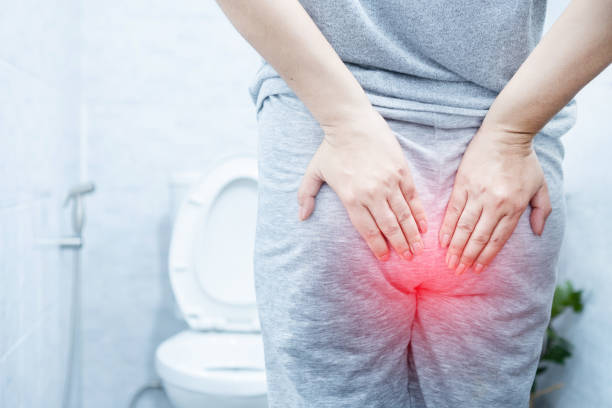
Persistent loose motions or chronic diarrhoea can be more than an inconvenient symptom — it can signal an underlying infection, inflammatory bowel disease (IBD), malabsorption or a functional disorder such as irritable bowel syndrome (IBS). In Amritsar and throughout Punjab, patients often describe repeated episodes as “seasonal” or “just gastric,” delaying medical evaluation. This article explains why chronic diarrhoea matters, how causes differ, what tests and treatments are available locally, and when to see a specialist at Livasa Amritsar.
Chronic diarrhoea is generally defined as the passage of loose or watery stools for four weeks or longer. Unlike acute diarrhoea, which is often due to short-lived infections or food poisoning, chronic diarrhoea may reflect ongoing pathologies that require focused investigation. The experience can vary: some people have frequent watery stools throughout the day, others have loose stools intermittently but repeatedly over months, and yet others experience urgency and incontinence that impair work and social life.
From a practical viewpoint, chronic diarrhoea in adults in Amritsar and across Punjab is often encountered in three broad categories: (1) infectious — persistent parasitic or bacterial infections such as giardiasis or chronic salmonella; (2) inflammatory — diseases like Crohn’s disease or ulcerative colitis (the two main forms of IBD); and (3) functional or malabsorptive — conditions such as IBS, small intestinal bacterial overgrowth (SIBO), lactose intolerance, or celiac disease. Multiple causes can coexist (for example, a person with IBD may also have superimposed infection).
Globally, diarrhoeal diseases remain a significant cause of illness. While acute diarrhoea commonly affects children and travelers, chronic diarrhoea affects an estimated small but important subset of adults — studies in different regions report prevalence figures between 3% and 5% in community samples of adults in high-income countries, and higher rates in settings where parasitic infections and malnutrition persist. In India, rising recognition of IBD and increased testing means more patients with chronic diarrhoea are being diagnosed than before. In Amritsar, many patients first present to local clinics for “recurrent loose motions” before referral to gastroenterology clinics for comprehensive evaluation.
The causes of chronic diarrhoea are diverse. In Amritsar and Punjab, clinicians commonly encounter the following categories with overlapping presentations:
In clinical practice, the history — travel, recent antibiotics, weight loss, presence of blood or mucus, associated joint pain or skin findings — helps prioritize tests. For example, chronic greasy stools with weight loss and anemia prompt an evaluation for malabsorption, while persistent bloody diarrhoea with crampy abdominal pain raises suspicion for IBD and the need for colonoscopy.
Many patients tolerate mild loose stools for days, but certain features are warning signs that require prompt evaluation by a gastroenterologist near you in Amritsar. If you or a family member experience any of the following, seek medical attention at Livasa Amritsar or an urgent care facility:
In Amritsar, patients often delay seeing a specialist until symptoms escalate. Early assessment by a gastroenterologist in Amritsar can prevent complications, reduce unnecessary use of antibiotics, and expedite targeted therapy such as antiparasitic drugs, steroids or biologics for IBD, or dietary strategies for IBS and malabsorption.
A methodical diagnostic approach is essential because treatments differ widely depending on the cause. At Livasa Amritsar and other gastroenterology clinics in Amritsar, the evaluation typically begins with a focused history and physical exam, followed by targeted investigations. Below is an overview of commonly used tests and their role:
Cost considerations are important for many patients. Typical price ranges in Amritsar (approximate) are summarized in the table below to help you plan. Prices vary by facility, the use of sedation or anesthesia and whether biopsies are performed during colonoscopy.
| Test | Purpose | Typical cost in Amritsar (approx.) |
|---|---|---|
| Routine stool microscopy / ova & parasite | Detect parasites and ova (giardia, helminths) | ₹300 - ₹800 |
| Stool culture / C. difficile test | Detect bacterial pathogens / toxins | ₹700 - ₹2,000 |
| Fecal calprotectin | Differentiate IBD vs IBS (inflammatory marker) | ₹1,200 - ₹2,500 |
| Hydrogen breath test (SIBO/lactose) | Detect small intestinal bacterial overgrowth or lactose malabsorption | ₹1,200 - ₹3,000 |
| Colonoscopy with biopsy | Visualize colon, take biopsies for IBD, microscopic colitis, cancer | ₹5,000 - ₹18,000 (depending on anaesthesia & biopsies) |
If you need help arranging tests, Livasa Amritsar coordinates diagnostic workups and provides guidance on stool test cost Amritsar and colonoscopy cost Amritsar. You can book an appointment online at livasa hospitals appointment or call +91 80788 80788.
Distinguishing between IBS (a functional disorder), infectious causes, and IBD (inflammatory diseases like Crohn’s or ulcerative colitis) is essential because management and prognosis differ. The table below summarizes typical differences commonly used by gastroenterologists in Amritsar when triaging patients with chronic diarrhoea.
| Feature | IBS | Infectious diarrhoea | IBD (Crohn’s / UC) |
|---|---|---|---|
| Typical stool appearance | Loose, often with mucus; not bloody | Watery or bloody depending on organism | Often bloody or with mucus |
| Systemic symptoms | Usually absent | Fever, vomiting may occur | Fever, weight loss, fatigue common |
| Inflammatory markers (CRP/Calprotectin) | Normal | May be raised during active infection | Usually elevated |
| Colonoscopy findings | Normal mucosa | Ulcers or inflammation may be seen | Characteristic inflammation, ulcers, strictures |
| Typical treatment | Dietary modification, fibre, antispasmodics | Targeted antimicrobials | Anti-inflammatory drugs, immunosuppressants, biologics |
This table is a guide — many patients require testing (stool tests, fecal calprotectin, and colonoscopy) to reach a conclusive diagnosis. For nuanced cases such as microscopic colitis or coexisting SIBO, specialized tests available at gastroenterology clinics in Amritsar may be recommended.
Treatment must be individualized. Here are the major approaches used by gastroenterologists in Amritsar and across Punjab:
When medical therapy fails, surgical options may be required for complications of IBD such as strictures, fistulas or uncontrolled bleeding. Below is a comparison of conservative medical management versus surgical interventions for bowel disease complications to help patients understand trade-offs.
| Approach | Benefits | Considerations / recovery |
|---|---|---|
| Medical (medication, diet) | Non-invasive, preserves bowel; can control many cases | May require long-term therapy and monitoring; side effects possible |
| Surgery (resection, strictureplasty) | Definitive treatment for obstruction, uncontrolled bleeding or cancer | Hospital stay and recovery; risk of complications; may not cure underlying disease (esp. Crohn’s) |
At Livasa Hospitals Amritsar gastroenterology clinic, specialists collaborate with dietitians, radiologists and colorectal surgeons to tailor the best approach. For severe IBD cases, biologic therapy protocols and infusion services are available after specialist assessment.
Chronic diarrhoea affects nutrition, energy and quality of life. Whether you are awaiting test results or on long-term therapy, practical measures can improve symptoms and reduce complications:
Practical local tips for patients in Amritsar: ensure drinking water is from trusted sources, practice safe food handling, and seek early testing after travel or inadequate sanitation exposures. If you have chronic watery stools in Amritsar that interfere with work, school or sleep, consult a gastroenterologist near me — Livasa Amritsar offers coordinated care and nutrition counseling to support daily life.
Chronic diarrhoea in children and older adults requires urgent and specialized attention. The risks and causes differ by age and require tailored diagnostics and management.
In children, chronic diarrhoea may result from persistent infections, food allergies, celiac disease, or congenital conditions affecting absorption. Growth failure, delayed milestones and dehydration are key concerns. Pediatric evaluation in Amritsar typically involves stool tests (for parasites and pathogens), celiac screening, and nutritional assessment. Prompt diagnosis and treatment prevent long-term growth and developmental consequences.
In older adults, chronic diarrhoea may be caused by medications (many commonly used drugs cause diarrhoea), ischemic colitis, microscopic colitis, or complications of previous surgeries (e.g., short bowel syndrome). Age-related changes in immunity and motility can predispose elders to severe dehydration and electrolyte imbalances more quickly. Workup often includes medication review, colonoscopy and targeted labs.
In both populations, a lower threshold for urgent evaluation is appropriate. Livasa Amritsar provides family-centered care, pediatric gastroenterology referral pathways, and geriatric-friendly services to ensure safe, age-appropriate management of persistent diarrhea in the local community.
Cost and access influence decisions for many families. Typical cost ranges in Amritsar (approximate) were provided earlier for key diagnostic tests. When choosing a provider, consider:
If you are searching for a "chronic diarrhoea specialist Punjab" or "gastroenterologist in Amritsar", Livasa Amritsar offers access to experienced gastroenterologists and coordinated services. Appointments can be scheduled online at livasa hospitals appointment or by calling +91 80788 80788.
If you have chronic diarrhoea in Amritsar or Punjab, take this concise action plan to ensure timely diagnosis and care:
Timely referral reduces unnecessary antibiotic use and prevents delayed diagnosis of conditions such as IBD and celiac disease. Livasa’s gastroenterology clinic in Amritsar offers same-week appointments for urgent referrals where possible.
Chronic diarrhoea is a symptom with many faces — from treatable infections to chronic inflammatory diseases requiring lifelong management. In Amritsar and across Punjab, early specialist evaluation improves outcomes and quality of life. If your diarrhoea has persisted beyond a few weeks, is associated with weight loss, blood, severe pain or dehydration, or if you are seeking a second opinion on management, consult a gastroenterology specialist.
Livasa Hospitals — Livasa Amritsar provides comprehensive evaluation for chronic diarrhoea, including stool testing, fecal calprotectin, breath testing, colonoscopy with biopsy and multidisciplinary management for IBD and malabsorption. Book an appointment online at https://www.livasahospitals.com/appointment or call +91 80788 80788.
If you are searching for “persistent diarrhea Punjab”, “chronic diarrhoea treatment Amritsar” or “gastroenterologist near me Amritsar”, our team is available to guide diagnosis, tests and personalized treatment plans.
Want to learn more or need urgent advice? Reach out to Livasa Amritsar — early diagnosis can prevent complications and get you back to your daily life. Call +91 80788 80788 or book an appointment now.
Note: This article provides general information and is not a substitute for medical assessment. Diagnostic costs and availability vary; the figures above are approximate ranges typical for Amritsar and should be confirmed with the hospital or clinic.
Obesity and Joint Replacement: Weight and BMI Guidelines in Amritsar
Diabetes, Heart Disease and Joint Replacement: Multispeciality Care in Amritsar
Home Modifications After Joint Replacement: Safety Tips for Amritsar Patients
Livasa Healthcare Group Corporate Office,Phase-8, Industrial Area, Sector 73, Sahibzada Ajit Singh Nagar, Punjab 160071
| Mohali | +91-99888 23456 |
| Amritsar | +91-99887 49494 |
| Hoshiarpur | +91-99883 35353 |
| Nawanshahr | +91-75081 82337 |
| Khanna | +91-98888 05394 |
