03 Aug 2026
Obesity and Joint Replacement: Weight and BMI Guidelines in Amritsar

Dr. Kanwaljeet Singh
21 Apr 2026
Call +91 80788 80788 to request an appointment.
Summer in Amritsar and across Punjab brings long, hot days that children love — but higher temperatures also increase the risk of dehydration in kids. This guide from Livasa Hospitals, Livasa Amritsar explains how to recognise early and severe signs of dehydration, how to treat it at home when appropriate, when to seek immediate paediatric emergency care in Amritsar, and practical prevention tips parents can use every day. For urgent help call +91 80788 80788 or book an appointment online at Livasa Hospitals appointment.
Dehydration occurs when the body loses more fluid and electrolytes than it takes in. Children are particularly vulnerable: they have a larger surface area-to-body weight ratio than adults and can become dehydrated faster during fever, vomiting, diarrhoea or prolonged activity in hot weather. Every parent in Amritsar and Punjab should be aware that even mild dehydration can make a child lethargic and irritable, reduce appetite, and worsen common childhood illnesses. Severe dehydration is a medical emergency that can progress quickly if not treated.
Global data show diarrhoeal diseases remain a leading cause of dehydration-related child deaths. According to WHO estimates, diarrhoea contributes to hundreds of thousands of under-five deaths globally every year. In India, seasonal increases in diarrhoeal illness and heat-related dehydration are notable challenges during peak summer months — and in Punjab, hot spells with temperatures often exceeding 40°C increase the frequency of paediatric dehydration cases presenting to emergency departments.
This article focuses on practical, evidence-based information for parents in Amritsar — how to spot signs of dehydration in infants and toddlers, immediate home steps, when to come to Livasa Amritsar’s 24-hour paediatric emergency, and prevention strategies to keep children safe during hot weather. We will compare treatment options, outline likely costs in Amritsar ranges, and help you choose the right level of care quickly.
Dehydration in children is a state in which the body loses more water and salts (electrolytes such as sodium and potassium) than it replaces. In growing children, water accounts for a higher proportion of body weight than in adults, which explains their increased susceptibility. Water is essential for maintaining blood volume, body temperature, digestion, and cellular function. Losing fluids rapidly — for example through diarrhoea, vomiting or excessive sweating in hot weather — disturbs these functions and can lead to metabolic problems and circulatory collapse in severe cases.
Dehydration is often classified as mild, moderate, or severe based on clinical signs and symptoms:
In practice, many pediatricians use a combination of symptoms, signs and the child's activity level to determine severity. Infants may show less obvious cues because they cannot tell you they are thirsty — a dropped diaper output, poor breastfeeding, or a change in behaviour are early signals. During the summer in Punjab, dehydration often coexists with gastroenteritis (diarrhoea and vomiting) or fever from infections; combined causes increase the speed and severity of fluid loss.
Recognising dehydration early allows effective treatment with oral rehydration solutions (ORS) at home or outpatient clinics for mild to moderate cases, while severe dehydration requires prompt intravenous (IV) fluids and monitoring at a paediatric emergency unit like the one at Livasa Amritsar.
Several factors make children in Amritsar and Punjab more likely to become dehydrated during summer months:
Seasonal public health data and hospital records in Punjab often show a rise in paediatric emergency visits for dehydration during the warmest months. Community awareness, simple preventive measures, and rapid use of ORS can reduce the number of severe cases. However, when diarrhoea, vomiting or high fever persists or the child shows worrying behaviour changes, parents should treat the situation as a potential paediatric emergency in Amritsar and contact their paediatrician or visit Livasa Hospitals.
Recognising dehydration early improves outcomes. Signs vary by age and severity. Below are detailed age-specific cues parents in Amritsar should watch for.
Infants (under 12 months):
Toddlers (1–3 years):
Older children:
Severe dehydration signs (seek emergency care immediately):
If you notice any of these severe signs, go immediately to a paediatric emergency in Amritsar — for example the 24-hour paediatric emergency at Livasa Amritsar — or call your emergency contact number. Parents frequently ask: "My child is refusing water in Amritsar — what should I do?" Start offering small sips frequently, try ORS, and if there is any persistent vomiting, extreme lethargy or low urine, seek urgent care.
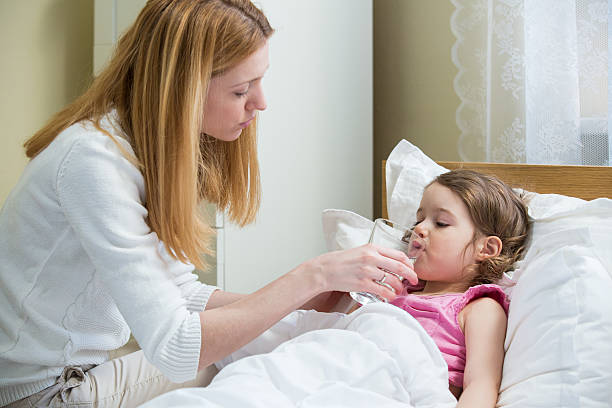
When a child shows early signs of dehydration, rapid, calm action at home often prevents progression. The emphasis is on replenishing fluids and electrolytes safely while monitoring the child's response. Below are practical steps for parents in Amritsar and surrounding areas.
Home management for mild to moderate dehydration:
When to seek medical help — immediate hospital or paediatric emergency:
If any of these situations occur, parents in Amritsar should seek urgent paediatric emergency care. Livasa Hospitals Amritsar provides 24-hour paediatric emergency services staffed by experienced paediatricians and emergency nurses who can administer IV fluids and perform necessary monitoring and investigations. When in doubt, call +91 80788 80788 or head to the nearest paediatric emergency — delays in severe dehydration can be life-threatening.
When a child presents to Livasa Amritsar with suspected dehydration, the paediatric team follows a structured approach: rapid triage, clinical assessment, appropriate investigations and targeted treatment. Triage identifies children needing immediate resuscitation (for example those with shock or severe dehydration).
Typical assessment steps:
Comparison of common rehydration methods is helpful for parents to understand benefits and limitations:
| Treatment method | Benefits | When used |
|---|---|---|
| Oral rehydration solution (ORS) | Safe, effective for mild-moderate dehydration; can be given at home; restores electrolytes | Mild to moderate dehydration, child able to drink and retain fluids |
| Intravenous (IV) fluids | Rapid correction of severe dehydration; allows precise electrolyte management and monitoring | Severe dehydration, shock, persistent vomiting preventing oral intake, or failure of ORS |
| Nasogastric (NG) rehydration | Alternative when IV access is difficult; effective for moderate dehydration | When IV access not feasible and child still needs structured rehydration |
At Livasa Amritsar, the paediatric team individualises fluid choice and rate based on the child’s weight and clinical status. For severe dehydration, initial IV boluses (e.g., isotonic saline) may be given, followed by maintenance fluids and electrolyte correction. Monitoring includes repeated vital signs, urine output, and reassessment of mental status. Once rehydrated, children are observed to ensure they tolerate feeds and oral intake before discharge. Antibiotics or antiemetics are used selectively based on clinical diagnosis.
Prevention is the best defence against dehydration. Practical, simple strategies reduce risk, especially during peak heat in Amritsar and across Punjab:
How much water should a child drink in summer in Amritsar? Daily needs vary by age, activity and climate. General guidance (total fluids including food):
Parents often ask about treatment costs for dehydration in Amritsar. Costs vary by severity, need for observation or admission, and any additional tests or medications. Below is a comparative table showing typical cost ranges you might expect in Amritsar (prices are approximate and subject to change).
| Service | Typical cost range (INR) — Amritsar | Notes |
|---|---|---|
| ORS sachet (single) | ₹20–₹60 | Low-cost and available at pharmacies; effective for mild cases |
| Outpatient rehydration (clinic visit + ORS) | ₹200–₹1,000 | Includes paediatrician consultation and observation |
| IV fluid administration (single bolus) + observation | ₹1,500–₹6,000 | Depends on fluids used, IV set, nursing time and monitoring; may be higher with lab tests |
| Admission for moderate-severe dehydration (24–72 hrs) | ₹6,000–₹25,000+ | Includes bed charges, repeated IV fluids, labs, medications and physician fees |
These are typical ranges and vary by facility. Many hospitals, including Livasa Hospitals Amritsar, work with families to explain costs and provide transparent billing. Insurance may cover a portion of emergency and inpatient costs depending on your plan — always verify with your insurer. If cost is a barrier, early outpatient ORS and timely clinic visits can often prevent progression to more expensive inpatient care.
Knowing when to come to a hospital can save time and lives. Choose Livasa Hospitals Amritsar when:
Livasa Amritsar provides:
For immediate assistance or to arrange urgent evaluation, parents can call +91 80788 80788 or book an appointment via Livasa Hospitals appointment. If your child needs emergency treatment, proceed to the emergency department — Livasa Amritsar accepts walk-in emergencies and provides rapid triage and treatment.
Q: My child is refusing water in Amritsar. What should I do?
A: Offer small frequent sips of ORS or water. Try different cups or a spoon for infants and keep the room cool. If refusal persists with reduced urine output or lethargy, seek paediatric care promptly.
Q: Can I use homemade remedies instead of ORS?
A: Prepared ORS sachets are the safest and most effective. If unavailable in a genuine emergency, a temporary homemade mix (half teaspoon salt and six teaspoons sugar in one litre of boiled-and-cooled water) may be used until ORS is obtained. Avoid sodas and undiluted juices.
Q: How long does it take for a child to recover after rehydration?
A: Mild dehydration often responds within a few hours to ORS. Moderate to severe cases may require IV fluids and observation for 24–72 hours depending on the cause and response.
Q: Where can I find paediatric emergency near me Amritsar?
A: Livasa Hospitals Amritsar offers 24-hour paediatric emergency services. Contact +91 80788 80788 for guidance or book online at https://www.livasahospitals.com/appointment.
Final advice: Summer brings joy and outdoor play, but also increased risk of dehydration for children in Amritsar and Punjab. Prevention, early recognition and rapid action are key. Keep ORS readily available, encourage regular drinking, avoid excessive midday heat, and seek prompt medical attention when warning signs appear. The paediatric team at Livasa Hospitals Amritsar is experienced in treating dehydration — call +91 80788 80788 or book online if you need help.
Livasa Hospitals Amritsar provides 24-hour paediatric emergency services and expert paediatric care for dehydration and related illnesses. For immediate guidance or to arrange evaluation, call +91 80788 80788 or book an appointment online.
Obesity and Joint Replacement: Weight and BMI Guidelines in Amritsar
Diabetes, Heart Disease and Joint Replacement: Multispeciality Care in Amritsar
Home Modifications After Joint Replacement: Safety Tips for Amritsar Patients
Livasa Healthcare Group Corporate Office,Phase-8, Industrial Area, Sector 73, Sahibzada Ajit Singh Nagar, Punjab 160071
| Mohali | +91-99888 23456 |
| Amritsar | +91-99887 49494 |
| Hoshiarpur | +91-99883 35353 |
| Nawanshahr | +91-75081 82337 |
| Khanna | +91-98888 05394 |
