03 Aug 2026
Obesity and Joint Replacement: Weight and BMI Guidelines in Amritsar

Dr. (Prof.) Rakesh Sudan
21 Apr 2026
Call +91 80788 80788 to request an appointment.
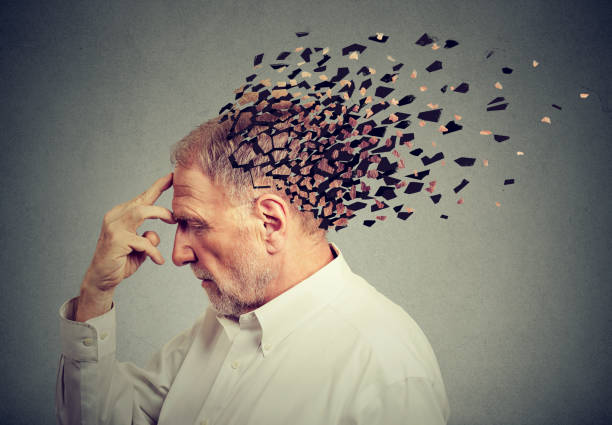
Livasa Hospitals presents a specialised memory clinic for seniors in Amritsar focused on diagnosing, treating and supporting people living with dementia and memory concerns. This article explains what dementia is, common causes and types, typical warning signs to watch for, how and when to seek evaluation, and the full spectrum of services available locally at Livasa Amritsar. Whether you are searching for "dementia clinic Amritsar", "memory loss evaluation Amritsar" or "Alzheimer doctor near me", this guide will help you navigate options, understand diagnostics and treatments, and plan next steps with compassion and clarity.
Dementia is a clinical syndrome characterized by a progressive decline in cognitive function beyond what might be expected from normal aging. It affects memory, thinking, orientation, comprehension, calculation, learning capacity, language and judgment. For many seniors, the earliest and most noticeable change is difficulty remembering recent events or conversations; however, dementia can present with a wide range of cognitive and behavioural symptoms.
Dementia is not a single disease but an umbrella term that includes several conditions. The most common type is Alzheimer's disease, followed by vascular dementia, dementia with Lewy bodies, and frontotemporal dementia. Mixed dementia — where more than one pathology is present — is also common in older adults. Importantly, some forms of memory loss and cognitive decline are treatable or reversible when caused by vitamin deficiencies, thyroid disorders, medication side effects or infections, which is why evaluation at a dedicated memory clinic Amritsar is essential.
Globally, an estimated 55 million people live with dementia (WHO 2020), with about 10 million new cases every year. In India, conservative estimates put the number of people living with dementia in the millions, and prevalence rises sharply in those aged over 65. In Punjab, including cities like Amritsar, demographic shifts and longer life expectancy mean growing demand for specialised geriatric neurologists and memory clinics. Early identification and a comprehensive care plan can preserve independence and quality of life for seniors and reduce the burden on families.
Dementia arises from damage to brain cells caused by disease processes. Each type of dementia has different underlying pathology. For example, Alzheimer's disease is associated with abnormal protein deposits (amyloid plaques and tau tangles), whereas vascular dementia results from reduced blood flow to the brain due to strokes or chronic small-vessel disease. Lewy body dementia involves abnormal alpha-synuclein deposits. Many seniors have overlapping pathologies that contribute to cognitive decline.
Risk factors include non-modifiable and modifiable elements:
In a local context like Amritsar and broader Punjab, rising rates of diabetes and cardiovascular disease are relevant: vascular risk factors significantly increase dementia risk and are often preventable or manageable with timely care. Therefore, integrating stroke and brain health services with geriatric neurology is critical — a service model adopted at Livasa Hospitals to provide combined expertise in neurology, stroke & brain health for older adults.
Recognising the earliest signs of dementia can be difficult because mild forgetfulness is common with aging. However, certain patterns and combinations of symptoms should prompt evaluation at a memory loss clinic. Early detection is vital: some causes are treatable, and stabilising symptoms early can delay progression and improve life quality.
Common signs to watch for include:
If you or a loved one in Amritsar notice more than one of these issues, or if symptoms are worsening over months, schedule a memory loss evaluation at Livasa Amritsar. Early consultation with an Alzheimer specialist Punjab or a geriatric neurologist Amritsar can identify reversible causes and begin supportive interventions. Caregivers should note that behavioral symptoms such as hallucinations, agitation or rapid changes in function require urgent assessment, as they may indicate treatable medical conditions or complications.
Knowing when to see a doctor for memory loss is important. Seek evaluation if memory changes affect daily life, if family members notice consistent decline, or if symptoms cause safety concerns (e.g., wandering, forgetting to turn off the gas). In Amritsar, families can access a comprehensive dementia evaluation by contacting Livasa Hospitals — the team includes neurologists, geriatric psychiatrists, neuropsychologists and rehabilitation therapists experienced with seniors.
The typical steps to get diagnosed in Amritsar at a reputable memory clinic include:
Families looking for "how to get diagnosed for dementia in Amritsar" should first call Livasa Amritsar at +91 80788 80788 or book online via Livasa Hospitals appointment. The team will schedule a memory clinic appointment and provide a clear roadmap for assessment and management, including estimated costs and expected timelines for tests and reports.
At Livasa Amritsar, the diagnostic approach to dementia is multidisciplinary and evidence-based. The goal is to establish an accurate diagnosis, identify reversible contributors, grade the severity of decline and create an individualized care plan. Cognitive assessment is central to this process and includes both brief screening tools and in-depth neuropsychological testing when necessary.
Common assessments used include:
Below is a practical cost comparison for common components of a dementia evaluation in Amritsar. These are approximate ranges to help families plan; final package prices at Livasa Amritsar are provided at consultation and may be bundled into a diagnostic package.
| Service | Typical cost range in Amritsar (INR) | Notes |
|---|---|---|
| Initial specialist consultation | ₹800 – ₹2,500 | Neurologist/geriatric psychiatrist visit |
| Cognitive screening (MoCA/MMSE) | ₹500 – ₹2,000 | Brief screening during visit |
| Detailed neuropsychological testing | ₹5,000 – ₹20,000 | Multiple sessions; recommended when diagnosis unclear |
| MRI brain | ₹3,000 – ₹8,000 | Essential for structural evaluation |
| PET/CSF biomarker (specialized) | ₹20,000 – ₹60,000+ | Used selectively; may not be necessary in all cases |
For many seniors, a combination of clinical evaluation, cognitive testing and an MRI provides a reliable diagnosis. Livasa Amritsar offers streamlined packages that combine these services to reduce time and cost, with transparent pricing discussed at the first appointment. If you are searching for "cost of dementia evaluation in Amritsar" or "memory loss evaluation cost Amritsar", call +91 80788 80788 or book at Livasa Hospitals appointment.
While there is no universal cure for most progressive dementias, a range of treatments reduce symptoms, slow progression in some conditions, and improve daily functioning and quality of life. Treatment at a dedicated dementia clinic in Amritsar is personalised, combining medication, cognitive rehabilitation, lifestyle interventions and caregiver support. Selection of therapies depends on diagnosis, severity, coexisting medical conditions and patient goals.
Below is a clear comparison of major treatment approaches used in dementia care to help families understand benefits and trade-offs:
| Treatment type | Benefits | Limitations/Recovery |
|---|---|---|
| Cholinesterase inhibitors (donepezil, rivastigmine) | Can improve memory and attention in mild-moderate Alzheimer’s | Side effects include nausea, bradycardia; not effective for all |
| NMDA receptor antagonist (memantine) | Helps moderate-severe Alzheimer’s; can stabilise function | Modest benefits; combined use with cholinesterase inhibitors possible |
| Vascular risk control (BP, diabetes, lipids) | Prevents further vascular injury; may slow progression | Requires long-term adherence and monitoring |
| Non-pharmacological therapies (CBT, behavioral therapy) | Reduces agitation, depression; improves coping and routines | Results vary; needs skilled therapists and caregiver engagement |
| Cognitive rehabilitation and stimulation | Enhances specific skills, functional independence | Requires ongoing sessions; benefits often incremental |
At Livasa Amritsar, treatment plans emphasise a combination approach. For example, a senior with mild Alzheimer’s might receive a cholinesterase inhibitor, structured cognitive stimulation, exercise prescriptions, and management of vascular risk factors. A person with vascular dementia will receive aggressive vascular risk control and targeted rehabilitation. Families searching for "memory loss treatment Amritsar" or "dementia treatment center in Amritsar" can expect evidence-based, personalised care plans developed by a multidisciplinary team.
Cognitive rehabilitation therapy (CRT) is a structured, goal-oriented therapy focused on improving daily function rather than reversing the underlying disease. CRT at Livasa Amritsar is delivered by trained occupational therapists, speech-language pathologists and neuropsychologists. Sessions focus on strategies to compensate for memory loss, restore routines and train caregivers in supportive techniques.
Typical components of cognitive rehabilitation and memory care services include:
Livasa Hospitals memory clinic in Amritsar offers integrated memory care services including outpatient cognitive rehabilitation, day-care memory programs, and coordination with home health services for seniors requiring assisted care. These services are especially useful for families searching for "memory care services for elderly in Amritsar" or "dementia home care Amritsar" because they combine clinical care with practical support for daily living.
Dementia profoundly affects families and caregivers; effective care planning and caregiver support are critical for sustained, humane care. Livasa Amritsar emphasises a family-centred approach: clinicians collaborate with families to create realistic care plans addressing medical management, behavioural strategies, safety adaptations and legal/financial planning.
Key elements of care planning and caregiver support include:
Families in Amritsar searching for "dementia home care Amritsar" or "senior memory clinic Amritsar" will benefit from Livasa’s ability to connect clinical recommendations to practical services, such as arranging trained home aides, physiotherapy at home, or linking to community NGOs for senior support. The clinic also provides caregiver education sessions and written care plans to ensure consistent approaches to behaviour management, medication adherence and safety.
While not all dementia can be prevented, evidence supports that a number of lifestyle modifications and medical interventions reduce risk and can delay onset. Emphasising prevention is particularly relevant in Amritsar and Punjab where vascular risk factors like hypertension, diabetes and high cholesterol are common. Livasa Amritsar integrates prevention into routine care for seniors, focusing on holistic brain health.
Practical, evidence-based preventive strategies include:
Local community programs in Amritsar, including senior fitness classes and memory awareness campaigns, complement clinical prevention. Livasa Hospitals runs regular educational sessions for seniors and families to improve awareness of brain health and the steps that can be taken to reduce risk.
Below are answers to common questions families ask when considering a memory clinic in Amritsar:
If you are searching for "Alzheimer specialist Amritsar" or "geriatric neurologist Punjab", Livasa Amritsar provides senior-focused neurology and psychiatry expertise. The clinic accepts referrals from primary care physicians and offers same-week appointments when urgent evaluation is needed.
Early evaluation matters. If you or a family member in Amritsar, Punjab or nearby districts is experiencing concerning memory changes, contact Livasa Hospitals – Livasa Amritsar. Our multidisciplinary team is experienced in diagnosing and managing dementia in seniors with empathy and expertise.
Call: +91 80788 80788 | Book online: livasahospitals.com/appointment
Disclaimer: This article provides general information and is not a substitute for professional medical advice. Costs and services described are approximate; contact Livasa Amritsar for detailed packages and personalised recommendations. Statistics quoted are based on global and national public health sources and should be interpreted as general estimates.
Obesity and Joint Replacement: Weight and BMI Guidelines in Amritsar
Diabetes, Heart Disease and Joint Replacement: Multispeciality Care in Amritsar
Home Modifications After Joint Replacement: Safety Tips for Amritsar Patients
Livasa Healthcare Group Corporate Office,Phase-8, Industrial Area, Sector 73, Sahibzada Ajit Singh Nagar, Punjab 160071
| Mohali | +91-99888 23456 |
| Amritsar | +91-99887 49494 |
| Hoshiarpur | +91-99883 35353 |
| Nawanshahr | +91-75081 82337 |
| Khanna | +91-98888 05394 |
