03 Aug 2026
Obesity and Joint Replacement: Weight and BMI Guidelines in Amritsar

Dr. Kanwaljeet Singh
21 Apr 2026
Call +91 80788 80788 to request an appointment.
This comprehensive guide explains how dengue presents in Amritsar and Punjab, how it is diagnosed and managed, when hospitalization is necessary, and what Livasa Hospitals — Livasa Amritsar offers for patients and families. If you are concerned about dengue symptoms in yourself or a loved one, call us at +91 80788 80788 or book an appointment online.
Dengue fever is an acute mosquito-borne viral infection caused by one of four dengue virus serotypes (DENV-1 to DENV-4). It is a major public health concern across tropical and subtropical regions of the world, including India and the state of Punjab. Dengue transmission increases during the monsoon and post-monsoon months when mosquito breeding is most active. In Amritsar, local clinics and hospitals typically see a surge in cases between July and October, mirroring the pattern across Punjab.
Globally, the World Health Organization estimates that there are approximately 390 million dengue infections every year, of which roughly 96 million are symptomatic to a degree that they come to medical attention. In India dengue is endemic and seasonal surges frequently lead to higher patient volumes in urban hospitals. While many dengue cases are self-limited and can be managed at home or in outpatient settings, a subset of patients progress to severe dengue with plasma leakage, bleeding, or organ impairment requiring urgent hospital-level care.
This article focuses on practical, patient-friendly information relevant to residents of Amritsar and nearby districts: how to recognise early symptoms, what tests are used and their typical costs in Amritsar and Punjab, platelet-count related treatment principles, admission criteria used by clinicians in the state, and differences between home care and hospital care. We will also explain the emergency pathways — when to go to a dengue ward or ICU and what to expect at Livasa Hospitals, Livasa Amritsar.
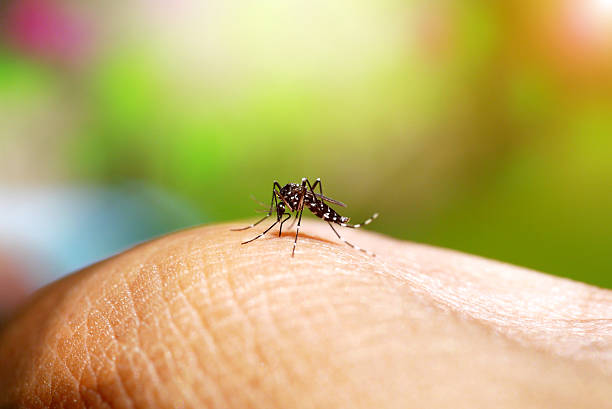
Dengue fever is caused by the dengue virus, transmitted primarily by the Aedes aegypti mosquito (and to a lesser extent Aedes albopictus). The mosquito acquires the virus by feeding on an infected person and can then transmit it to others. Key transmission characteristics include:
Pathophysiologically, dengue causes a febrile illness that can damage the lining of small blood vessels, increasing vascular permeability. This is why monitoring for plasma leakage, rising hematocrit, hypotension, and falling platelet counts is essential clinically. For residents of Amritsar and the greater Punjab region, awareness of breeding sites and mosquito exposure risk is a key preventive strategy.
Recognising dengue early allows timely medical evaluation and reduces the risk of complications. Symptoms typically develop 4–10 days after a mosquito bite and evolve through distinct phases: febrile, critical (usually around days 3–7 of illness), and recovery. Early symptoms are often nonspecific, which is why local residents should be alert during outbreak seasons.
Common early symptoms (first 1–3 days) include:
Warning signs that indicate progression to severe dengue and the need for urgent medical attention include:
Pediatric dengue can present differently; children may have high fevers with poor oral intake, irritability, or lethargy. In Amritsar, parents should seek immediate care for children who cannot drink, have persistent vomiting, show bleeding, or are unusually sleepy. Early recognition and simple measures like adequate oral hydration can make a major difference in outcomes.
When dengue is suspected, clinicians in Amritsar and across Punjab rely on a combination of clinical assessment and laboratory tests. The most commonly used tests and their roles are:
For families in Amritsar asking about test prices, typical approximate cost ranges (subject to variation by lab and facility) are listed below. These are approximate out-of-pocket ranges commonly observed in Amritsar and nearby areas of Punjab:
| Test | Approx. cost in Amritsar (INR) | Notes |
|---|---|---|
| NS1 antigen test | ₹600 – ₹1,500 | Best within first 5 days of fever. Rapid kits widely available. |
| IgM / IgG antibody tests | ₹800 – ₹1,800 | IgM rises later; useful for confirming recent infection. |
| Complete blood count (CBC) | ₹150 – ₹400 | Essential for serial monitoring of platelets and hematocrit. |
These ranges are intended to help families plan. Many hospitals and diagnostic labs in Amritsar, including Livasa Amritsar, provide bundled packages for dengue evaluation and offer insurance support where applicable. If symptoms suggest progression toward severe dengue, clinicians will order additional tests (liver enzymes, coagulation profile) to guide management.
Platelet count monitoring is central to dengue management. Platelets normally range from approximately 150,000 to 450,000 per microlitre (µL). Dengue often causes thrombocytopenia (low platelets) and increased vascular permeability. The clinical decision to intervene depends on platelet count trends, bleeding signs, hemodynamic state and other laboratory findings.
A practical chart clinicians use for trending (illustrative values — individual decisions depend on the whole clinical picture):
Important clinical points:
| Approach | When indicated | Pros and cons |
|---|---|---|
| Conservative (supportive) management | Platelets > 20–50k without bleeding; stable vitals | Pros: avoids transfusion risks; Cons: requires close monitoring and frequent labs |
| Therapeutic platelet transfusion | Active bleeding, platelets < 20k, or before urgent invasive procedures | Pros: may control bleeding; Cons: transfusion reactions, infections, fluid overload |
In Amritsar, clinicians at tertiary centres such as Livasa Amritsar follow regional guidelines and best evidence: reserve platelet transfusion for cases with clinically significant bleeding, very low counts or other indications rather than transfusing purely on numeric thresholds. If transfusion is needed, platelet transfusion costs in Amritsar and Punjab vary depending on blood bank arrangements and whether single donor platelets (SDP) are used. Approximate transfusion costs (inclusive of blood product and hospital administration) can range from ₹6,000 to ₹25,000 per unit depending on method and facility; speak with the treating team and hospital billing for precise estimates.
Deciding whether to hospitalize a patient with dengue depends on symptoms, vital signs, laboratory trends and the availability of home support. In Amritsar and across Punjab, clinicians follow a risk-based approach. Typical admission criteria include the presence of any of the following:
For clarity, here is a simple comparison table summarizing typical outpatient vs inpatient indicators used by clinicians in Punjab:
| Setting | Typical clinical features | Follow-up |
|---|---|---|
| Home/outpatient care | Stable vitals, no warning signs, platelet > 100k or stable trend | Daily clinic follow-up/CBC; return for warning signs |
| Hospital observation/ward | Warning signs, decreasing platelets, mild bleeding, dehydration | Frequent monitoring, IV fluids, supportive care |
| ICU | Shock, severe bleeding, organ failure | Critical care, blood products, organ support |
In Amritsar, when patients meet admission criteria, they are typically admitted to a dedicated dengue ward or the general medicine ward with isolated beds. Severe cases are transferred to the ICU for haemodynamic monitoring, invasive support, and blood product management. At Livasa Amritsar, the dengue care pathway includes prompt triage, serial CBC monitoring, fluid management protocols adjusted for plasma leakage risk, and specialist oversight with infectious disease or internal medicine teams when indicated.
There is no specific antiviral therapy routinely recommended for dengue. Management focuses on early recognition, careful fluid management, symptomatic relief and treatment of complications. Key components of treatment used at hospitals in Amritsar and Punjab include:
Cost considerations in Amritsar and Punjab vary depending on facility level and required interventions. Approximate cost categories help families plan:
| Care level | Typical services | Approx. cost range in Amritsar (INR) |
|---|---|---|
| Outpatient care | Consultation, tests, fluids at home | ₹500 – ₹5,000 |
| Ward admission | IV fluids, monitoring, blood tests, possible transfusion | ₹10,000 – ₹60,000 (varies by length of stay and interventions) |
| ICU admission | Critical care, vasopressors, mechanical ventilation, blood products | ₹50,000 – ₹300,000+ depending on duration and support needed |
These are indicative ranges. Livasa Amritsar provides counselling on expected costs and can coordinate with insurance providers. For emergency dengue care in Amritsar, rapid triage and early supportive measures significantly reduce morbidity and mortality.
Severe dengue can cause major complications and requires immediate medical attention. Emergency symptoms and complications that prompt urgent transfer to a hospital or ICU include:
Complications include dengue hemorrhagic fever, dengue shock syndrome, liver inflammation, myocarditis, encephalitis and other organ dysfunction. Rapid recognition and transfer to facilities with ICU capability save lives. In Amritsar, families should seek immediate care at hospitals with emergency and critical care infrastructure if emergency symptoms are present.
Pediatric dengue requires special vigilance: children may deteriorate quickly. Warning signs in children include poor feeding, lethargy, persistent vomiting, rapid breathing, or bleeding. If a child in Amritsar shows these signs, bring them to emergency care without delay. Pediatric specialists and trained nursing are part of the dengue response at major centres such as Livasa Amritsar, ensuring age-appropriate fluid management and monitoring.
Many uncomplicated dengue patients can be managed at home with careful monitoring, while others require hospital admission. Choosing the right setting depends on the patient's stability, ability to maintain hydration, presence of warning signs, and access to reliable follow-up.
Home care essentials for mild dengue:
Reasons to choose hospital care include any warning signs, inability to drink/keep fluids, progressing thrombocytopenia, dehydration requiring IV fluids, or social limitations. For residents of Amritsar, proximity to the hospital and reliable transport are factors in deciding home care; if travel times are long or monitoring at home is uncertain, early admission to a local facility like Livasa Amritsar may be safer.
In practice, clinicians in Amritsar and Punjab emphasize a low threshold for admitting children, elderly patients, pregnant women, and people with medical comorbidities for observation because their risk of deterioration is higher.
Prevention of dengue is primarily focused on reducing mosquito breeding and minimizing mosquito-human contact. Community efforts during monsoon season are particularly important in Amritsar and Punjab. Practical steps:
Vaccination against dengue (Dengvaxia and newer vaccines) exists but is indicated for specific populations and prior exposure status. Vaccination policies vary and are evaluated by public health authorities; consult your doctor at Livasa Amritsar for personalised advice.
Livasa Amritsar provides an integrated dengue care pathway designed for prompt triage, accurate diagnosis and evidence-based management. Our strengths for dengue patients include:
For residents searching for "dengue hospitals in Punjab", "best dengue hospital in Amritsar" or "dengue fever ICU Amritsar", Livasa Amritsar is prepared to respond. We recommend early consultation for any suspected dengue. Contact details:
Livasa Hospitals — Livasa Amritsar
Call: +91 80788 80788
Book online: https://www.livasahospitals.com/appointment
If you are in Amritsar and experiencing warning signs — especially bleeding gums, severe abdominal pain, persistent vomiting, or sudden lethargy — go to the nearest emergency room or call Livasa Amritsar for guidance. Early presentation and appropriate monitoring save lives.
Dengue is common in Punjab during and after monsoon periods. Early recognition of symptoms, timely testing (NS1 and CBC) and awareness of warning signs are critical. Platelet counts guide care but treatment decisions are based on bleeding, hemodynamics and overall clinical status rather than platelets alone. Hospitalization is advised for warning signs, significant thrombocytopenia with bleeding, dehydration requiring IV fluids, or social reasons limiting safe home monitoring.
Livasa Amritsar offers rapid testing, supportive inpatient care, and ICU services for severe cases. To summarise practical next steps:
For more information about dengue testing costs, platelet transfusion options, and admission criteria tailored to your situation in Amritsar or wider Punjab, call Livasa Hospitals or visit our appointment page. Our teams are available to guide you through each step with clarity and compassion.
If you suspect severe dengue or emergency symptoms, call +91 80788 80788 now or visit Livasa Amritsar. Early care is lifesaving.
Obesity and Joint Replacement: Weight and BMI Guidelines in Amritsar
Diabetes, Heart Disease and Joint Replacement: Multispeciality Care in Amritsar
Home Modifications After Joint Replacement: Safety Tips for Amritsar Patients
Livasa Healthcare Group Corporate Office,Phase-8, Industrial Area, Sector 73, Sahibzada Ajit Singh Nagar, Punjab 160071
| Mohali | +91-99888 23456 |
| Amritsar | +91-99887 49494 |
| Hoshiarpur | +91-99883 35353 |
| Nawanshahr | +91-75081 82337 |
| Khanna | +91-98888 05394 |
