03 Aug 2026
Obesity and Joint Replacement: Weight and BMI Guidelines in Amritsar

Dr. Bikram Jit Singh
19 Dec 2025
Call +91 80788 80788 to request an appointment.
Speciality: Dermatology | Centre: Livasa Amritsar | Contact: +91 80788 80788 | Book appointment
Dry skin (medically called xerosis or xeroderma) is one of the most frequent skin concerns that brings patients to dermatology clinics worldwide. In Punjab and particularly in Amritsar, seasonal shifts, lifestyle patterns, and occupational exposures make dry skin a very common complaint among adults and children alike. This blog by Dr. Bikram Jit Singh at Livasa Hospitals, Amritsar explains the root causes of dry skin, how to recognize warning signs, the difference between simple dryness and medical conditions such as eczema or psoriasis, and practical treatment and prevention strategies tailored for people living in Punjab.
The purpose of this article is to provide an evidence-based, patient-friendly guide enabling readers to understand why dry skin happens, how it is diagnosed, and what practical steps can be taken at home and in clinic to relieve symptoms and prevent recurrence. We will also discuss local considerations for Amritsar and Punjab — including climate-related triggers, common occupational risks, and cost expectations for treatment in the region. If you are searching for "dry skin treatment Punjab" or "best dermatologist for dry skin in Punjab," this comprehensive resource aims to answer your questions and direct you to when to seek professional care at Livasa Amritsar.
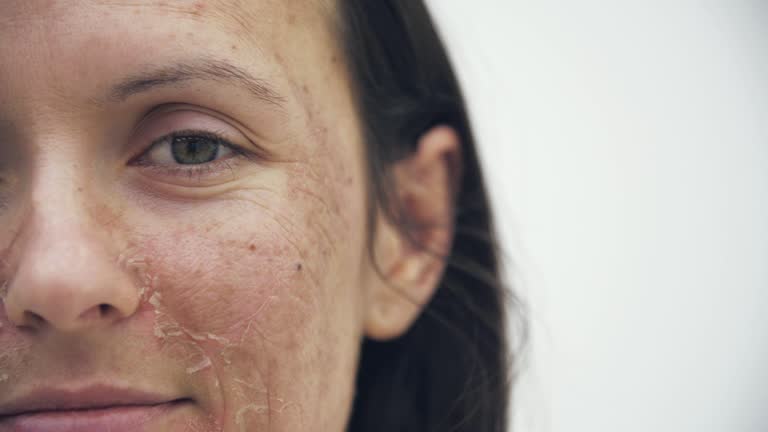
Dry skin is a condition in which the outer layer of the skin (the stratum corneum) loses hydration and natural oils, leading to tightness, roughness, flaking, and sometimes fissures or cracks. It ranges from mild seasonal dryness to severe, chronic forms that interfere with sleep and daily activities. Skin dryness is not only uncomfortable; when severe, it can increase the risk of infection and worsen inflammatory skin diseases.
There are several clinical patterns of dry skin you should know about:
The mechanism is loss of water from the stratum corneum and impairment of barrier lipids (ceramides, cholesterol, fatty acids). When the barrier fails, irritants and allergens penetrate more easily, immune activation increases, and symptoms such as itching and cracking follow. Dry skin is common: globally, seasonal xerosis affects an estimated 30–50% of people in colder months, and in older adults prevalence estimates range from 50% to as high as 85% in certain geriatric populations. In Punjab, especially in Amritsar, extremes of temperature along with indoor heating in winter and air conditioning in summer can exacerbate skin dryness year-round.
Dry skin arises from multiple interacting causes. Identifying the dominant causes in an individual helps design the most effective treatment plan. Below we outline environmental, lifestyle, medical, and iatrogenic (treatment-related) causes that commonly appear in dermatology clinics in Amritsar and across Punjab.
Environmental and seasonal factors:
Lifestyle and topical causes:
Medical and systemic causes:
Understanding the cause is essential: a one-size-fits-all cream may help mild xerosis but will not control atopic dermatitis or address systemic causes. At Livasa Hospitals Amritsar, Dr. Bikram Jit Singh evaluates patients holistically to find and treat underlying contributors, whether environmental, occupational, or medical.
Certain groups are more likely to experience dry skin or its complications. Recognising these groups helps clinicians anticipate problems and advise preventive strategies. In Amritsar and other parts of Punjab, local epidemiology points to seasonal peaks and occupational clusters that are important to note.
Key risk factors include:
People in these higher-risk groups should be proactive: early moisturization, gentle cleansers, avoiding known irritants, and early dermatology consultation can prevent progression to painful cracks, infection, or severe inflammatory disease. At Livasa Amritsar, our dermatology team offers tailored preventive advice for each risk group, from baby-safe emollients to occupational hand-care protocols for workers.
Dry skin symptoms range from mild tightness and flaking to intense itching, fissuring, bleeding, and secondary infection. Recognising early warning signs allows timely treatment and can prevent complications. Below are common symptoms and specific emergency signs that should prompt rapid medical attention.
Common symptoms of dry skin:
Emergency signs and when to seek urgent care:
If you see these emergency signs, contact your local dermatology clinic or go to the nearest emergency department. For residents of Amritsar and surrounding districts, Livasa Amritsar’s dermatology team can provide urgent outpatient care and guidance: call +91 80788 80788 to speak with our staff or visit our appointment portal.
Diagnosing dry skin usually starts with a careful clinical history and a full skin examination. The dermatologist will ask about symptom onset, triggers, bathing and skincare routine, occupation, medications, and family history of atopy or skin disease. At Livasa Amritsar, Dr. Bikram Jit Singh emphasizes a methodical approach to identify primary xerosis versus inflammatory dermatoses that require different treatments.
Standard steps in diagnosis:
Accurate diagnosis also determines the expected cost of treatment. A straightforward diagnosis of xerosis generally requires only clinical assessment and simple tests; more complex cases require allergy testing or biopsies which affect cost and management timelines. In Amritsar, typical consultation and basic tests are affordable and Livasa Hospital provides transparent guidance on tests, costs, and treatment options during consultation.
Treatment of dry skin is multi-layered and individualized. It includes immediate symptomatic care (emollients and moisturizers), targeted medications for inflammatory or allergic disease, and in-clinic procedures when needed. Below we summarize the main therapy pathways and then provide a comparative table showing benefits, recovery time, and typical cost ranges in Amritsar.
Main treatment categories:
| Treatment type | Benefits | Recovery/time to improvement | Typical cost in Amritsar (approx.) |
|---|---|---|---|
| Home care / emollients | Immediate hydration, improves barrier, minimal side effects | Days to weeks | ₹0 – ₹1,500 (product dependent) |
| Topical prescription creams | Controls inflammation, reduces itch, treats flares | 48–72 hours for itch; weeks for full recovery | ₹300 – ₹3,000 (per prescription) |
| Oral medications / systemic | Used for severe or systemic disease, rapid symptom control | Days to weeks depending on medicine | ₹500 – ₹10,000 (varies widely) |
| In-clinic therapies (phototherapy) | Effective for chronic inflammatory conditions where moisturizers fail | Several weeks of sessions | ₹2,000 – ₹15,000 total (treatment course) |
Decision points:
If you are evaluating "dry skin therapy options" or "dry skin medications" in Amritsar, discuss the full cost and treatment schedule with your dermatologist. Livasa Hospitals dry skin clinic in Amritsar provides clear estimates and individualized plans; call +91 80788 80788 or book online for a consultation with our dry skin specialists.
Preventing dry skin is often easier and less costly than treating advanced or complicated cases. A consistent daily routine and small lifestyle changes can markedly reduce occurrences and severity, especially for those living in Punjab’s changing climate. Below we present a practical management guide, specific "do and don't" lists, and local tips for Amritsar residents to reduce discomfort and avoid flare-ups.
Daily management essentials:
Do's:
Don'ts:
Local tip for Amritsar and Punjab residents: hard water is a common issue — consider using a softening filter for bathing or apply emollients immediately after showering to offset mineral-related irritation. For those enquiring "best moisturizers for dry skin in Amritsar" at Livasa Amritsar we recommend products selected per patient’s skin type and budget, and our team can advise cost-effective options and pharmacy availability locally.
Certain populations require special attention and long-term strategies: infants, elderly, people with chronic dermatologic conditions, and those with occupational exposure. Long-term care focuses on preventing relapses, maintaining skin barrier health, and monitoring for complications. Here we outline management tailored to these groups and compare similar-looking conditions such as eczema and psoriasis.
Infants and children:
Elderly:
Chronic skin disease—eczema vs psoriasis:
Eczema (atopic dermatitis) and psoriasis can both present with dry, scaly skin but require different long-term management. Eczema often shows flexural involvement, intense itch, and a history of atopy; psoriasis commonly has well-demarcated plaques with silver scale, often on extensor surfaces and scalp. Treatment choices, from topical steroids to systemic biologics, differ significantly. Correct diagnosis by a dermatologist like Dr. Bikram Jit Singh at Livasa Amritsar avoids ineffective treatments and reduces long-term morbidity.
Long-term follow-up and prevention plan:
If you are looking for a "dry skin management plan" or a "dry skin specialist Amritsar," Livasa Hospitals Amritsar provides multidisciplinary care including dermatology, nutrition, and occupational medicine. Our team can prepare a long-term plan and discuss realistic expectations, including "dry skin treatment cost in Amritsar" and insurance or payment options during consultation.
Many people ask "how to cure dry skin at home" and which natural remedies are safe and effective. Home care is the foundation of treatment and can be very effective for mild xerosis. However, it is important to know the limits of home remedies and when to escalate to medical care.
Effective home treatments:
Natural remedies to use cautiously:
Home remedies are best as part of an overall plan that includes a dermatologist’s input for persistent or severe cases. For residents of Amritsar who prefer natural or pharmacy-accessible options, Livasa Amritsar provides recommendations for safe products and combinations with medical treatments as needed.
If you live in Amritsar or nearby areas and are seeking expert care for dry skin, Livasa Hospitals provides an integrated dermatology service led by experienced clinicians such as Dr. Bikram Jit Singh. Our dry skin clinic offers diagnostic testing, personalized treatment plans, phototherapy services, and long-term follow-up for chronic conditions. We emphasize patient education and practical preventive strategies tailored to the local environment of Punjab.
What to expect at your first visit:
Typical costs and transparency:
Consultation fees and test costs in Amritsar are generally moderate. Typical ranges: consultation ₹300–₹1500, basic tests ₹500–₹3,000, topical prescriptions ₹300–₹3,000, and in-clinic therapies ₹2,000–₹15,000 depending on the course. Exact costs are provided during scheduling and at consultation. If you are concerned about "dry skin treatment cost Amritsar" or "dry skin consultation cost in Amritsar," our administrative team can provide an itemized estimate when you call.
If you have persistent dry skin, intense itch, or worrying cracks and infections, book a consultation with our dermatology specialists at Livasa Amritsar. Early evaluation improves outcomes and can reduce long-term costs.
Call: +91 80788 80788 | Book online: https://www.livasahospitals.com/appointment
Final note: Dry skin is common and very treatable when evaluated properly. Whether you need simple home-care guidance, prescription therapy, or specialist management for eczema or psoriasis, the dermatology team at Livasa Hospitals Amritsar led by Dr. Bikram Jit Singh is here to help with compassionate, evidence-based care tailored to life in Punjab.
Obesity and Joint Replacement: Weight and BMI Guidelines in Amritsar
Diabetes, Heart Disease and Joint Replacement: Multispeciality Care in Amritsar
Home Modifications After Joint Replacement: Safety Tips for Amritsar Patients
Livasa Healthcare Group Corporate Office,Phase-8, Industrial Area, Sector 73, Sahibzada Ajit Singh Nagar, Punjab 160071
| Mohali | +91-99888 23456 |
| Amritsar | +91-99887 49494 |
| Hoshiarpur | +91-99883 35353 |
| Nawanshahr | +91-75081 82337 |
| Khanna | +91-98888 05394 |
