03 Aug 2026
Obesity and Joint Replacement: Weight and BMI Guidelines in Amritsar

Dr. Bikram Jit Singh
19 Dec 2025
Call +91 80788 80788 to request an appointment.
Eczema (also known as atopic dermatitis in many cases) is one of the most common inflammatory skin disorders seen in clinics across India and globally. This article focuses on the risk factors related to eczema in Amritsar and the wider Punjab region, combining medical understanding with local insights so patients and caregivers can recognize triggers, reduce flare-ups and seek timely dermatology care. If you live in Amritsar or nearby towns in Punjab, understanding how local climate, occupational exposures, seasonal pollen and household practices interact with biological susceptibilities can make a significant difference in long-term control.
This comprehensive guide is written for families, parents of infants, adults with persistent dry or itchy skin, and anyone looking for targeted information about eczema in Amritsar. It covers what eczema is, measurable statistics both global and region-specific where available, the most important risk factors in the Amritsar context, symptoms to watch for, diagnostic approaches, and both medical and home-based treatment and prevention strategies. The goal is to be authoritative yet patient-friendly — equipping you with practical steps and evidence-based options, including where to get specialist help in Amritsar such as Livasa Amritsar.
If you are concerned about a child or adult experiencing recurrent itchy rashes, redness, or cracked skin, this guide will help you identify likely risk factors and understand when to contact a dermatologist for eczema diagnosis in Amritsar. For appointments with dermatology specialists at Livasa Hospitals, call +91 80788 80788 or book online at Livasa Hospitals appointment.
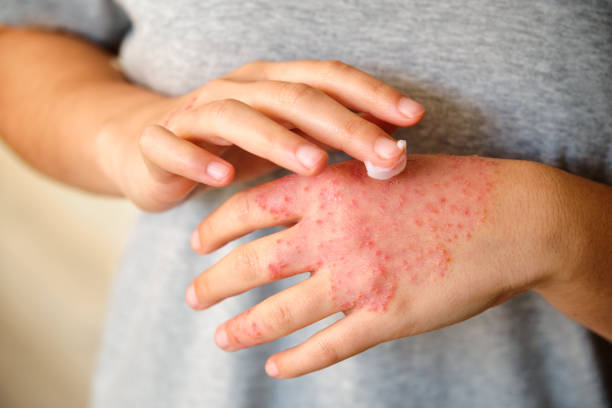
Eczema is a general term for a group of conditions that cause inflammation of the skin. The most common form is atopic dermatitis, which tends to be chronic, relapsing, and associated with intense itching. Other forms include contact dermatitis (irritant or allergic), nummular eczema (round patches), dyshidrotic eczema (blisters on palms/soles), and seborrheic dermatitis. From a clinical standpoint, eczema presents as dry skin, redness, scaling, small bumps, and fissuring; scratching can lead to thickened skin (lichenification), infection, and significant sleep and quality-of-life disruptions.
Pathophysiology combines three broad components: a defective skin barrier (often involving reduced filaggrin function), a dysregulated immune response that favors T-helper 2 (Th2) inflammation in many patients, and environmental triggers that provoke or worsen inflammation. Importantly, eczema is not one-size-fits-all. It varies by age, severity, and trigger profile. In infants it commonly affects cheeks and scalp; in older children and adults it typically involves the flexures (behind knees, inside elbows), hands, and face. Many patients have coexisting allergies, asthma, or allergic rhinitis—a pattern known as the atopic march.
Understanding the subtype of eczema matters because management and trigger avoidance differ. For example, contact dermatitis requires identifying and avoiding the specific allergen (such as nickel or fragrances), whereas atopic dermatitis often benefits from daily emollient use, topical anti-inflammatory medications and addressing skin barrier repair. In Amritsar and Punjab, local lifestyle factors—including heavy seasonal pollen, frequent hot and cold swings, and occupational exposures—interact with these pathophysiologic mechanisms and can change how eczema presents and flares.
Quantifying eczema prevalence at a city level like Amritsar is challenging due to limited local epidemiologic studies; however, regional and national data provide helpful context. Globally, the prevalence of atopic dermatitis in children ranges from 10% to 20% in many countries. In India, community-based studies show variable prevalence depending on age and region, with pediatric rates often reported between 5% and 15%. Adult prevalence estimates are lower but still significant, usually in the range of 2%–8%.
Within Punjab, environmental and lifestyle conditions contribute to a substantial community burden of skin disease. Local dermatologists in Amritsar report that eczema forms a significant portion of outpatient dermatology visits, particularly during seasonal transitions—spring pollen season and the dry winter months. While precise city-level prevalence is not always published, several points are evident:
For families in Amritsar asking, “what causes eczema in Amritsar?” the answer reflects a mix of universal factors (genetics, immune response) and local influences (pollen, household practices, occupation). If you are investigating prevalence or worrying about rising eczema in your community or school, local public health clinics and dermatology centers such as Livasa Amritsar can provide screening, education and referrals. Booking an eczema consultation at Livasa is straightforward via their website or phone number +91 80788 80788.
Biological risk factors are central to why some people develop eczema while others do not. Genetics plays a major role—children with one or both parents who have eczema, asthma or allergic rhinitis are at higher risk. Specific gene variants affecting the skin barrier (for example, filaggrin mutations) reduce the skin’s ability to retain moisture and protect against irritants, making the individual more susceptible to eczema. These variants have been documented across many populations, including South Asian groups.
Immune system factors are also critical. In atopic eczema there is often a skew towards Th2-mediated immune responses, with elevated levels of IgE and cytokines such as IL-4, IL-13—pathways that modern biologic drugs target. Children who have had early-life food allergies, recurrent wheeze, or allergic rhinitis also show higher rates of eczema and more severe disease. Premature birth and low birth weight have been associated with increased eczema risk in some studies.
Other biological contributors include:
In Amritsar, clinicians consider these biological risks alongside local environmental and lifestyle exposures to personalize care. When you consult a dermatologist for eczema diagnosis in Amritsar, expect evaluation of family history, review of infant feeding patterns and prior allergic diseases, and possibly targeted testing when indicated (e.g., IgE levels or patch testing for allergic contact dermatitis).
Local environmental conditions in Amritsar and the broader Punjab plain play a major role in triggering or worsening eczema. Climate-related eczema triggers Amritsar Punjab include seasonal variations—very dry winters and hot, humid summers—that affect skin hydration, sweating patterns and the presence of airborne allergens. During winter, low humidity increases transepidermal water loss, leading to drier skin and more frequent flare-ups. Conversely, summer heat and sweating can cause friction, fungal overgrowth and weeping eczema in some people.
Pollen allergy eczema Amritsar is an important consideration: Amritsar’s spring and early summer months bring tree and grass pollens, which can exacerbate atopic dermatitis in sensitized individuals. Air pollution episodes—especially in winter months when crop residue burning and temperature inversions occur in parts of Punjab—are associated with higher rates of skin irritation and flare-ups. Suspended particulate matter and chemical pollutants may damage the skin barrier or provoke inflammation directly.
Household environmental exposures are also highly relevant:
Practical steps that reflect Amritsar-specific environmental risk mitigation include using humidifiers in extremely dry winter months, minimizing exposure during high-pollen days, using gentle fragrance-free cleansers and avoiding known local irritants (such as some traditional skin products with perfumes). When managing eczema in Amritsar, dermatology treatment in Punjab often incorporates addressing these environmental triggers alongside medical therapy.
Occupational eczema in Amritsar is an important and sometimes under-recognized category. Amritsar’s economy includes textiles, food processing, small-scale manufacturing, hospitality and agriculture-related activities—all of which expose workers to irritants or allergens that can cause or worsen eczema. Frequent handwashing, constant contact with detergents, solvents or oils, and prolonged use of latex gloves or other protective gear may lead to irritant contact dermatitis or exacerbate atopic eczema on the hands.
Lifestyle factors also play a role. Traditional practices such as using strong soaps, herbal pastes with potential irritants, or household work that increases wet exposure are common triggers for hand dermatitis. Urbanization and increased use of synthetic fabrics can promote friction and sweat-related flares. Occupational eczema Amritsar is frequently seen in:
Prevention often involves practical workplace adaptations: using barrier creams, changing to milder surfactants, ensuring protective gloves are non-latex and breathable, and applying emollients during breaks to restore the skin barrier. Employers in Amritsar who recognize occupational eczema can reduce absenteeism and improve productivity by offering training and appropriate protective equipment.
From a personal lifestyle perspective, adopting milder skin-care routines, replacing rough synthetic fabrics with breathable cotton, and reducing exposure to known irritants will lower the likelihood of flare-ups. If occupational exposure is suspected to be the primary cause, request an occupational dermatitis evaluation from a dermatologist or the occupational health team at facilities such as Livasa Amritsar.
Eczema risk and presentation differ across age groups, and understanding age-related patterns is essential for targeted care in Amritsar. In newborns and infants, eczema often appears within the first six months of life and can affect cheeks, scalp and extensor surfaces. Infantile eczema is frequently associated with dry skin and may coincide with food allergies or family history of atopy. Newborn risk factors in Amritsar include family atopy, early antibiotic exposure, and environmental factors such as indoor smoke exposure or heated homes in colder months.
As children grow, the disease often evolves: toddlers and school-age children typically develop flexural eczema (creases of the elbows and knees). Childhood eczema can impact sleep, school attendance and quality of life; parents in Amritsar frequently seek pediatric eczema specialists for reassurance and management plans that minimize steroid overuse and focus on maintenance strategies.
Adolescent and adult-onset eczema sometimes has a different profile: adults may present with chronic hand eczema linked to occupation, or localized contact dermatitis from jewelry, cosmetics or topical products. Older adults can experience reduced skin hydration and more fragile skin, making them vulnerable to persistent eczema and secondary infections. Demographic factors such as urban living, socioeconomic status and access to healthcare also influence severity and outcomes—delays in seeking dermatology treatment in Amritsar may lead to chronic disease with lichenification and scarring.
For newborns and children in Amritsar, early intervention and education on emollient therapy, bathing practices and trigger avoidance are crucial. Pediatric eczema specialist services are available at major centers like Livasa Hospitals where clinicians offer age-appropriate approaches for topical therapy, infection management and allergy evaluation when necessary.
Recognizing symptoms early helps prevent complications. Typical eczema symptoms include dry, itchy skin, redness, small bumps that may ooze when scratched, crusting, and thickened skin patches. In Amritsar, these symptoms may be seasonal (worse in winter) or persistent depending on exposures. Severity ranges from mild localized patches to widespread, continuous disease that disrupts sleep and daily activities.
Red flags and emergency signs that require prompt medical attention include:
For non-emergency but concerning symptoms—intense itching that prevents sleep, widespread involvement, failure to respond to over-the-counter measures, or suspected occupational causes—an appointment with a dermatologist for eczema diagnosis in Amritsar is recommended. Dermatologists at centers like Livasa Amritsar perform a focused history and physical exam, assess infection risk, and may recommend tests such as bacterial swabs, skin patch testing for allergic contact dermatitis, or blood tests for IgE levels when clinically indicated.
Early assessment is particularly important for children: persistent scratching can lead to secondary infection and sleep disturbance, and delaying treatment increases the chance of chronic, harder-to-treat disease. If you are in Amritsar and notice any of the emergency signs above, seek immediate medical attention or contact Livasa Hospitals at +91 80788 80788 for guidance.
Diagnosing eczema is primarily clinical—based on history and the appearance of the skin. A dermatologist will ask about itch, family history of atopy, age at onset, pattern of the rash, triggers and response to prior treatments. In Amritsar, experienced dermatologists also consider local exposures—pollen seasons, workplace agents, and traditional remedies that patients may use. When the presentation is unclear, or when allergic contact dermatitis is suspected, additional tests are useful.
Common diagnostic and evaluation tools include:
In Amritsar, dermatology treatment Punjab often emphasizes individualized care plans that blend barrier repair, anti-inflammatory therapy, infection control and trigger mitigation. Patients benefit from working with a dermatologist for eczema diagnosis Amritsar so that treatment is tailored and monitored. Livasa Amritsar offers dermatology services including pediatric and adult eczema specialists who can perform patch testing, guide medication use and advise on lifestyle modifications specific to the region.
Management of eczema involves a combination of daily skin care, trigger avoidance and medical treatment when flares occur. The primary goals are to reduce inflammation, restore the skin barrier, relieve itch and prevent infections. Below is a comparison of common treatment approaches to help you understand options available in Amritsar and Punjab.
| Treatment type | Benefits | Recovery/time to effect |
|---|---|---|
| Topical emollients and barrier creams | Improves hydration, reduces flares, safe for daily use | Immediate relief for dryness; maintenance prevents flares |
| Topical corticosteroids | Powerful anti-inflammatory for acute flares | Effects within days; duration depends on potency |
| Topical calcineurin inhibitors (tacrolimus, pimecrolimus) | Alternative to steroids for sensitive areas with long‑term use | May take several weeks for full effect; safe for delicate areas |
| Phototherapy (narrowband UVB) | Effective for widespread disease; steroid-sparing | Requires multiple sessions over weeks |
| Systemic immunosuppressants (cyclosporine, methotrexate) | Used for severe, refractory eczema under specialist care | Takes weeks to months; requires monitoring for side effects |
| Biologics (e.g., dupilumab) | Targeted therapy for moderate-to-severe eczema; often long-term control | Improvement within weeks; ongoing injections typically every 2–4 weeks |
Choice of therapy depends on disease severity, patient age, comorbidities, and response to prior treatments. For many patients in Amritsar, a stepwise approach is used: consistent emollient use, low-potency topical steroids for flares, topical calcineurin inhibitors for delicate areas or long-term steroid-sparing, and escalation to phototherapy, systemic immunosuppressants or biologics for more severe disease.
Additional therapies and supportive measures include:
Regarding eczema medications Amritsar and cost considerations: some advanced therapies such as biologics have higher costs and may not be necessary for mild disease. Queries about eczema cost in Amritsar and financing options can be addressed during consultation at dermatology centers like Livasa Hospitals where individualized plans are created based on severity, expected benefits and cost considerations.
A central pillar of eczema control is daily skin care and practical prevention strategies. For families in Amritsar, integrating these measures into routine life reduces flare-ups and dependence on frequent steroid use. Effective home care focuses on repairing and maintaining the skin barrier, reducing inflammation triggers and recognizing early warning signs of infection.
Core home-care recommendations include:
Natural and home remedies are popular but must be used cautiously. While some patients in Amritsar report benefit from simple emollients such as coconut oil or prescribed ointments, avoid unproven herbal pastes or strong fragrances that can worsen contact dermatitis. For dietary approaches and acne-related concerns, consult a dermatologist—there is no universal “eczema diet,” but identifying and avoiding confirmed food triggers in children can help select cases.
Practical “do and don’ts” for daily care in Amritsar:
Preventive education and structured follow-up at a recognized dermatology clinic such as Livasa Amritsar improve outcomes. If you are searching online for “eczema home treatment Amritsar” or “eczema prevention tips Amritsar,” remember that individualized plans and periodic dermatologist review are the safest and most effective way to keep eczema under control.
Access to the right specialist matters. If you are looking for a dermatologist for eczema in Punjab or the best doctor for eczema in Amritsar, seek clinics and hospitals that offer both pediatric and adult dermatology, the option for patch testing, phototherapy and access to advanced therapies when required. Livasa Hospitals in Amritsar offers dermatology services specifically structured to manage eczema—ranging from pediatric eczema specialist consultations to adult eczema diagnosis and long-term management. For appointments, call +91 80788 80788 or book online at Livasa Hospitals appointment.
Costs of eczema treatment in Amritsar vary by severity and the chosen therapy. Basic outpatient management (consultation, moisturizers, topical steroids) is relatively affordable. Phototherapy and patch testing have additional charges. Advanced systemic agents and biologics are costlier; however, not all patients require these. Many hospitals provide tiered pricing, assistance programs or work with insurance providers. Typical comparative cost considerations:
| Service | Typical cost range (India, indicative) | Notes |
|---|---|---|
| Outpatient consultation | Low to moderate | Depends on clinic and seniority of doctor |
| Topical medications & emollients | Low to moderate monthly | Generic options reduce cost |
| Phototherapy | Moderate per session | Requires multiple sessions weekly |
| Biologics (e.g., dupilumab) | High (monthly ongoing cost) | Reserved for severe disease; insurance/assistance may be available |
When evaluating where to treat eczema in Amritsar, consider facilities that provide a multidisciplinary approach—dermatology, pediatric care, allergy testing and patient education. Livasa Amritsar’s dermatology team provides comprehensive eczema consultation, tailored therapy plans and long-term follow-up aimed at reducing flares and improving quality of life. Search for “dermatology treatment Amritsar” or “eczema specialist Amritsar” and compare services, experience and patient reviews when deciding on your care provider.
If you or a family member are experiencing persistent eczema symptoms in Amritsar, early specialist attention improves outcomes. Livasa Hospitals, Livasa Amritsar offers dermatology evaluation, patch testing, phototherapy and modern treatment options. To book an eczema consultation or ask about treatment costs in Amritsar, call +91 80788 80788 or book online. Our team will help you understand the best care pathway tailored for your child or adult family member.
For trusted, region-specific guidance on how to prevent eczema flare-ups in Amritsar, management for children, and options ranging from home remedies to advanced therapies, schedule a visit with an eczema specialist at Livasa Amritsar.
Note: This information is educational and not a substitute for personalized medical advice. In case of severe symptoms or emergency signs, seek immediate medical care.
Obesity and Joint Replacement: Weight and BMI Guidelines in Amritsar
Diabetes, Heart Disease and Joint Replacement: Multispeciality Care in Amritsar
Home Modifications After Joint Replacement: Safety Tips for Amritsar Patients
Livasa Healthcare Group Corporate Office,Phase-8, Industrial Area, Sector 73, Sahibzada Ajit Singh Nagar, Punjab 160071
| Mohali | +91-99888 23456 |
| Amritsar | +91-99887 49494 |
| Hoshiarpur | +91-99883 35353 |
| Nawanshahr | +91-75081 82337 |
| Khanna | +91-98888 05394 |
