03 Aug 2026
Obesity and Joint Replacement: Weight and BMI Guidelines in Amritsar

Dr. Kanwaljeet Singh
21 Apr 2026
Call +91 80788 80788 to request an appointment.
At Livasa Hospitals — Livasa Amritsar, we see a growing number of patients presenting with fatty liver disease linked to overweight and obesity. This detailed guide explains what fatty liver is, how obesity contributes to liver damage, how raised liver enzymes (SGPT/SGOT) are interpreted, and the evidence-based multidisciplinary approach available through our lifestyle liver clinic in Amritsar. Whether you search for "fatty liver treatment Punjab", "NAFLD treatment Amritsar" or "best fatty liver specialist in Punjab", this article is designed to help you understand options, compare treatments, and take the next step toward liver health.
Fat accumulation in the liver is increasingly common worldwide. The umbrella term non‑alcoholic fatty liver disease (NAFLD) now affects an estimated around 25% of the global adult population. NAFLD ranges from simple steatosis (fat without significant inflammation) to non‑alcoholic steatohepatitis (NASH), which includes inflammation and can progress to fibrosis, cirrhosis, and even liver cancer. In India, prevalence studies show a wide range but many large urban and clinic‑based series estimate NAFLD prevalence between 20% and 30% in adults; local hepatology clinics in Punjab and Amritsar report rising referrals driven by increasing rates of overweight, obesity, type 2 diabetes and metabolic syndrome.
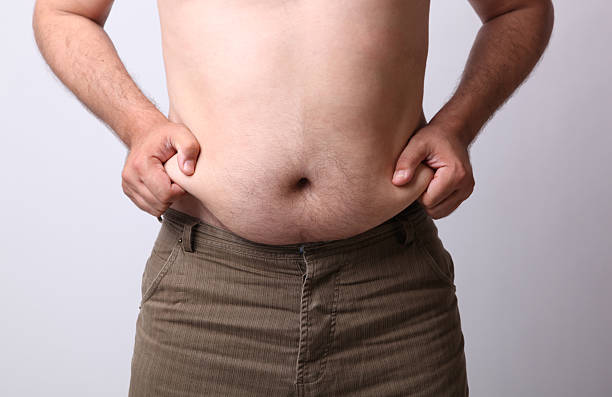
Obesity is one of the strongest modifiable drivers of NAFLD. When excess fat collects in liver cells, it impairs function and may cause inflammation and scarring over time. For patients in Amritsar and across Punjab, changes in diet, sedentary jobs, and higher calorie intake are major contributors. Left untreated, fatty liver associated with obesity can lead to significant liver-related illness and increased cardiovascular risk.
This post is intended for patients, families and referring clinicians seeking clear, practical information about fatty liver treatment Punjab, non alcoholic fatty liver disease treatment Amritsar, and integrated approaches such as the Livasa Hospitals lifestyle liver clinic Amritsar.
Fatty liver describes excess fat inside liver cells. It is not a single disease but a spectrum. The two major categories are:
NAFLD itself covers a range:
Common causes and contributing factors for NAFLD include:
In Amritsar and across Punjab, NAFLD prevalence has a strong overlap with rising obesity and diabetes rates. Clinic audits at hepatology centres, including Livasa Amritsar, show NAFLD is one of the most frequent reasons for referral to the liver clinic and lifestyle modification programs.
Obesity is more than excess weight: it is a complex metabolic state that promotes fat storage in tissues not designed for it, including the liver. The relationship between obesity and fatty liver can be explained by several interlinked mechanisms:
Metabolic syndrome — the cluster of central obesity, elevated blood pressure, high fasting glucose, high triglycerides, and low HDL — is strongly associated with NAFLD and progression to NASH. Patients with obesity and NAFLD are also at significantly higher risk of cardiovascular disease, which is the leading cause of death in NAFLD populations.
Relevant statistics to frame the problem:
Recognising obesity as a modifiable driver of liver disease means effective weight loss and metabolic management form the cornerstone of treatment — an approach central to the Livasa lifestyle liver clinic model in Amritsar.
Many people with early fatty liver have no symptoms. When present, symptoms tend to be nonspecific: fatigue, discomfort or fullness in the right upper abdomen, and decreased exercise tolerance. Because early disease can be silent, professional screening is important for people who are obese, have diabetes, or show abnormal blood tests.
Common diagnostic steps used at hepatology clinics in Amritsar and worldwide:
Interpreting raised SGPT/SGOT (ALT/AST):
At Livasa Amritsar, our hepatology team uses a combination of tests including SGPT/SGOT interpretation, FibroScan and metabolic evaluation to develop a tailored care plan. If you are searching for "elevated liver enzymes treatment Amritsar" or "SGPT SGOT test interpretation Amritsar", our specialists can explain results and next steps clearly.
Treatment of fatty liver associated with obesity is focused on reversing the underlying metabolic drivers and preventing progression. The main pillars are lifestyle modification (weight loss and exercise), medical therapy for comorbidities, and targeted interventions such as bariatric surgery when appropriate. The Livasa lifestyle liver clinic in Amritsar emphasizes a personalised program combining diet, exercise, behaviour change and medical supervision.
Key strategies include:
The following table compares these common intervention types to help patients understand trade‑offs:
| Treatment type | Benefits | Recovery/timeframe |
|---|---|---|
| Lifestyle modification (diet + exercise) | Improves liver fat, metabolic health, cardiovascular risk; no procedural risk | Weeks to months for measurable change; long‑term maintenance needed |
| Medical therapy (diabetes/lipids, investigational drugs) | Targets metabolic drivers and may reduce inflammation/fibrosis in selected patients | Variable; months to years; requires monitoring for side effects |
| Bariatric/metabolic surgery | Substantial and sustained weight loss; often significant improvement in NASH | Surgical recovery weeks; lifelong follow up for nutrition and metabolic care |
| Liver transplant | Treatment for end‑stage liver disease or liver failure | Major procedure with long‑term immunosuppression and follow up |
Choosing the right approach depends on disease severity, comorbidities and patient preferences. For many patients in Punjab, a combination of medical weight loss for fatty liver and structured lifestyle programs is both effective and safe.
Livasa Amritsar provides a multidisciplinary lifestyle liver clinic designed to manage the dual problem of obesity and fatty liver. Our focus is on personalised, evidence‑based care delivered by a team that typically includes a hepatologist (liver specialist), endocrinologist, dietitian, physiotherapist, bariatric surgeon (when required), and behavioural counsellor.
Core features of the Livasa Hospitals fatty liver program in Amritsar:
Our clinic offers a structured fatty liver management program Punjab with measurable goals, routine monitoring of SGPT/SGOT and FibroScan, and clear documentation of improvement. For many patients, a 7–10% weight reduction achieved through the Livasa program leads to meaningful improvement in liver inflammation and fibrosis scores.
If you are searching for "weight loss clinic for fatty liver Punjab" or "combination obesity and fatty liver clinic Punjab", the Livasa Amritsar model focuses on practical, culturally appropriate strategies and continuous specialist supervision. Appointments and new patient referrals can be made at +91 80788 80788 or via our booking page: Book an appointment.
Prevention and early treatment of fatty liver rely heavily on sustainable lifestyle changes. Below are evidence‑based recommendations and a simple sample plan designed to be achievable in Amritsar’s cultural context.
Key lifestyle principles:
Sample culturally sensitive daily plan (illustrative):
Behavioural tips:
Patients often ask: what will fatty liver treatment cost and which pathway is best for me in Amritsar? Costs depend on required diagnostics, the intensity of intervention (e.g., medical management vs bariatric surgery), and follow‑up needs. The table below gives typical, estimated cost ranges for common components of care at private centres in Amritsar including Livasa Hospitals. These are indicative and may vary by package and individual clinical needs.
| Service | Typical cost range (INR) in Amritsar | Notes |
|---|---|---|
| Hepatic blood tests, lipid profile, HbA1c | 1,000 – 4,000 | Depends on panels ordered |
| Ultrasound abdomen | 800 – 2,500 | Common first‑line imaging |
| FibroScan (liver stiffness + CAP) | 2,000 – 6,000 | Essential noninvasive fibrosis assessment |
| Specialist consultation (hepatologist) | 800 – 2,500 | Initial visit and follow up vary |
| Structured lifestyle program (3 months) | 6,000 – 25,000 | Includes dietitian, physiotherapy and follow‑up; varies by intensity |
| Bariatric surgery (laparoscopic) | 1,50,000 – 3,50,000 | Includes surgeon fees, hospital stay and follow up; patient selection is crucial |
At Livasa Hospitals fatty liver Amritsar, we offer tailored care packages and transparent pricing. If you want a precise estimate for your situation, call +91 80788 80788 or book online.
When you contact Livasa Amritsar for fatty liver and obesity support, this is the typical patient pathway:
Common FAQs:
To reach our team: Livasa Hospitals (Livasa Amritsar), phone +91 80788 80788 or use our appointment page: https://www.livasahospitals.com/appointment. We serve patients across Amritsar and neighbouring districts in Punjab and can advise on local follow‑up and referrals.
Fatty liver disease and obesity are strongly connected and represent a reversible early window of opportunity if addressed with timely, evidence‑based interventions. For residents of Amritsar and Punjab, the Livasa Hospitals lifestyle liver clinic offers a comprehensive pathway: accurate diagnosis (including FibroScan and SGPT/SGOT interpretation), personalised weight‑loss and diet programs, medical optimisation for diabetes and lipids, and coordinated access to surgical or advanced hepatology care when needed.
If you or a family member are concerned about raised SGPT SGOT, persistent fatigue, or have metabolic risk factors (obesity, diabetes), please reach out for a structured evaluation. Early engagement improves outcomes and reduces the chance of progression to cirrhosis or liver failure.
Book a consultation at Livasa Amritsar to discuss a personalised plan for fatty liver treatment Amritsar or obesity and fatty liver treatment Punjab. Call +91 80788 80788 or book online.
Our multidisciplinary team includes the best hepatologist in Amritsar, experienced dietitians and bariatric specialists who provide compassionate, evidence‑based care tailored to your needs.
Keywords: fatty liver treatment Punjab, NAFLD treatment Punjab, non alcoholic fatty liver disease treatment Punjab, obesity and fatty liver treatment Punjab, lifestyle liver clinic Punjab, hepatology clinic Punjab, best fatty liver specialist in Punjab, elevated liver enzymes treatment Punjab, raised SGPT SGOT treatment Punjab, weight loss clinic for fatty liver Punjab, fatty liver management program Punjab, fatty liver treatment Amritsar, lifestyle liver clinic Amritsar, Livasa Hospitals fatty liver Amritsar, best hepatologist in Amritsar, fatty liver clinic Amritsar, NAFLD treatment Amritsar, obesity clinic Amritsar, weight loss program for fatty liver Amritsar.
Obesity and Joint Replacement: Weight and BMI Guidelines in Amritsar
Diabetes, Heart Disease and Joint Replacement: Multispeciality Care in Amritsar
Home Modifications After Joint Replacement: Safety Tips for Amritsar Patients
Livasa Healthcare Group Corporate Office,Phase-8, Industrial Area, Sector 73, Sahibzada Ajit Singh Nagar, Punjab 160071
| Mohali | +91-99888 23456 |
| Amritsar | +91-99887 49494 |
| Hoshiarpur | +91-99883 35353 |
| Nawanshahr | +91-75081 82337 |
| Khanna | +91-98888 05394 |
