03 Aug 2026
Obesity and Joint Replacement: Weight and BMI Guidelines in Amritsar

Dr. Jatin Sarin
27 Feb 2026
Call +91 80788 80788 to request an appointment.
A cancer diagnosis can feel overwhelming. For many people of reproductive age, a parallel concern quickly emerges: how will cancer treatment affect the ability to have children later? Onco-fertility — the intersection of oncology and reproductive medicine — focuses on preserving fertility before cancer treatment begins. This blog explains the most relevant fertility preservation options available in Mohali and Punjab, timelines, likely costs, and how Livasa Hospitals (Livasa Mohali) supports patients through this complex process.
Global and national statistics show why fertility preservation is an increasingly important part of cancer care. According to global estimates from IARC/GLOBOCAN, there were approximately 19.3 million new cancer cases in 2020 and survival is improving in many cancers due to better treatment. In India, over a million new cancer cases were reported in 2020 and the numbers continue to rise. With earlier diagnosis and improved survival – especially among younger adults – the conversation about future fertility is no longer optional for many patients.
Locally in Punjab and Mohali, tertiary centres and regional cancer registries report a growing number of young adults being treated for cancers such as lymphoma, breast cancer, testicular cancer, and leukaemia. These cancers and their treatments frequently place fertility at risk. That is why fertility preservation Punjab and fertility preservation Mohali services are being integrated into oncology pathways. Early referral to an oncofertility specialist lets patients make informed choices — from sperm banking to egg freezing and ovarian tissue cryopreservation — before chemotherapy, radiation, or surgery starts.
Cancer treatments are lifesaving, but many have collateral effects on reproductive organs. Chemotherapy drugs, pelvic or abdominal radiation, and some surgeries can damage ovarian reserve in women or impair spermatogenesis in men. The degree of risk depends on the type of cancer therapy, doses, the patient’s age, baseline fertility, and whether the reproductive organs are directly affected.
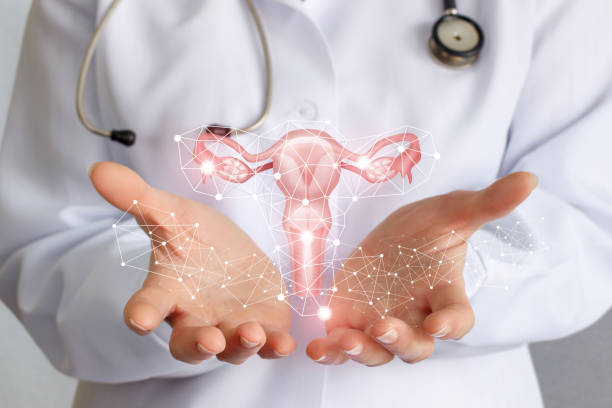
For women, ovarian follicles are sensitive to many alkylating agents and pelvic radiation. Damage can lead to diminished ovarian reserve, premature ovarian insufficiency, or infertility. Younger women generally have a higher ovarian reserve and better chances of post-treatment fertility, but even younger patients can experience permanent loss of fertility depending on therapy intensity. For men, radiation to the testes or certain chemotherapies can cause temporary or permanent azoospermia (no sperm) or reduced sperm quality.
Fertility preservation before chemo or radiation matters not only medically but also psychologically. Studies show that patients who receive fertility counselling at diagnosis report better emotional wellbeing and less regret later. Being proactive creates options: preserved gametes or tissue can be used in the future for natural conception options or assisted reproductive techniques (ART) such as IVF. In Mohali and greater Punjab, integrating fertility counselling into oncology care is becoming standard in leading centres. At Livasa Hospitals fertility preservation Mohali, multidisciplinary teams including oncologists, reproductive endocrinologists, counsellors, and social workers coordinate to provide rapid, evidence-based advice tailored to each patient’s cancer plan and life goals.
Female fertility preservation offers several established and experimental choices. The right option depends on cancer type, timing before treatment, age, relationship status, and medical or ethical considerations. Below are the primary options patients discuss at an oncofertility clinic Punjab such as Livasa Mohali.
Egg freezing (oocyte cryopreservation): This is the most commonly discussed option for reproductive-age women who do not have a male partner or prefer not to create embryos. Eggs are retrieved after an ovarian stimulation cycle (usually 8–14 days of hormonal injections) and vitrified (rapid-freeze) for future use. Success rates depend on age at freezing and number of oocytes preserved. Younger patients (under 35) have higher live birth chances per frozen oocyte than older patients. Egg freezing is an established, well-accepted method and widely available in Punjab.
Embryo freezing (embryo cryopreservation): For women with a partner or those willing to use donor sperm, embryos created by IVF can be frozen. Embryo freezing often has slightly higher success per embryo transferred than eggs because fertilization is performed before freezing. Ethical and legal aspects (consent, embryo disposition) must be clarified before treatment.
Ovarian tissue cryopreservation: This experimental-to-established option involves surgically removing and freezing ovarian cortex tissue before gonadotoxic therapy and later re-implanting it to restore endocrine function and fertility. It is particularly useful for prepubertal girls or women who cannot delay cancer therapy for ovarian stimulation. Ovarian tissue freezing in Mohali and broader Punjab is offered at specialised centres with surgical and laboratory expertise.
Ovarian transposition and gonadal shielding: If pelvic radiation is planned, surgically moving the ovaries out of the radiation field (oophoropexy) or using shielding during radiotherapy can reduce injury risk. Similarly, some hormonal agents (GnRH agonists) are used during chemotherapy to attempt ovarian protection; evidence suggests variable benefit and is considered an adjunct rather than standalone preservation.
Each option has pros and cons. Egg and embryo freezing require at least a few days to weeks for ovarian stimulation, while ovarian tissue freezing or sperm banking may be completed more rapidly. Discussing these choices promptly with an oncofertility specialist in Mohali will help align the fertility plan with the cancer treatment schedule.
For men, fertility preservation is typically more straightforward and faster than for women. The most established and accessible option is sperm cryopreservation (sperm banking). For boys who haven't reached puberty, options are more investigational and require specialist input. Below are the main approaches offered in Mohali and Punjab.
Sperm banking (sperm cryopreservation): Sperm samples are collected, analysed, processed, and frozen prior to starting chemotherapy or radiation. Multiple samples (often 2–3) provide better future options, and samples can be stored for many years. Sperm freezing is quick and can often be arranged within 24–72 hours — ideal when urgent cancer therapy is planned. Costs in Mohali are typically more affordable than complex female preservation procedures, and many oncofertility clinics in Punjab provide expedited pathways for banking.
Testicular sperm extraction (TESE) and surgical sperm retrieval: For men who are unable to ejaculate or have very low sperm counts, surgical retrieval procedures can be performed to obtain sperm for cryopreservation. These interventions require specialist urological and andrology support available at tertiary centres.
Testicular tissue cryopreservation (experimental): For prepubertal boys who cannot produce sperm, freezing testicular tissue containing spermatogonial stem cells is experimental but increasingly offered at research centres. The tissue can be stored with the hope that future technologies will permit restoration of fertility.
For all male patients, counselling on timing, abstinence before sample, and medicolegal consent (especially for minors) is important. At Livasa Mohali, the oncofertility team provides rapid referrals for sperm banking cancer patients Mohali and clear explanations about storage duration, sample use, and associated costs.
Choosing the best fertility preservation method requires comparing effectiveness, speed, invasiveness, suitability by age, and cost. The table below summarizes typical features to help patients and providers discuss options. These comparisons are general; individual counselling is essential to personalise decisions in Mohali or elsewhere in Punjab.
| Procedure type | Benefits | Time required before treatment |
|---|---|---|
| Egg freezing (oocyte cryopreservation) | Preserves own eggs without partner; established technique | 8–14 days (random-start protocols available) |
| Embryo freezing | Higher per-cycle success vs eggs; established | 8–14 days |
| Ovarian tissue cryopreservation | Useful when no time for stimulation; preserves endocrine function | Can be performed within days (surgical scheduling) |
| Sperm banking | Quick, low-cost, effective; best option for post-pubertal males | 24–72 hours |
| Testicular tissue cryopreservation | Only option for prepubertal boys (experimental) | Days (surgical) |
Note: Recovery time is typically short for egg retrieval and sperm collection; ovarian tissue or testicular tissue removal requires minor surgery under anaesthesia. At Livasa Hospitals oncofertility Mohali, teams work to minimise delays to cancer treatment while ensuring best fertility outcomes whenever possible.
One of the most common questions patients ask is: how fast must preservation occur before cancer treatment? The timeline will vary by the chosen option and urgency of cancer therapy. The good news is that many preservation techniques can be performed rapidly — sometimes within days — and modern protocols have increased flexibility.
Typical timelines:
Emergency fertility preservation before chemo Mohali: In urgent cases where chemotherapy cannot be delayed, the Livasa Mohali oncofertility team provides expedited pathways:
The aim is to preserve fertility options without compromising the oncologic timeline. In many cases, short delays of a few days are safe and make a meaningful difference in future fertility. Patients in Mohali should ask their oncologist for an immediate referral to an oncofertility clinic — for example, Livasa Hospitals fertility preservation Mohali — when preservation is a concern. Early referral is the single most important step to preserve fertility options.
Cost is an important factor for many patients making decisions about fertility preservation. Prices vary by procedure complexity, laboratory standards, medication needs, surgical fees, and storage duration. Below are typical cost ranges you can expect in Mohali and Punjab. These are approximate ranges to help planning—please contact Livasa Mohali for precise quotes and package options.
| Procedure | Typical cost range in Mohali (INR) | Notes |
|---|---|---|
| Egg freezing (per cycle, includes stimulation & retrieval) | ₹80,000 – ₹2,00,000 | Medication may add ₹20,000–₹70,000; multiple cycles increase oocyte numbers and success. |
| Embryo freezing (per IVF cycle) | ₹90,000 – ₹2,50,000 | Includes stimulation, retrieval, fertilisation and freezing. Additional sperm/ICSI costs may apply. |
| Sperm banking (initial collection & freezing) | ₹3,000 – ₹12,000 | Annual storage typically ₹1,000 – ₹5,000/year. |
| Ovarian tissue freezing (surgery & processing) | ₹1,50,000 – ₹4,00,000 | Includes laparoscopic surgery and laboratory cryopreservation; considered when immediate treatment is needed. |
| Testicular tissue freezing (experimental) | ₹75,000 – ₹2,50,000 | Mostly for prepubertal boys; offered at select research centres. |
| Embryo thaw & IVF in future (per transfer) | ₹60,000 – ₹1,80,000 | Costs depend on endometrial preparation, clinic protocols, and use of donor gametes if required. |
Important cost notes:
If cost is a limiting factor, discuss alternatives such as single-cycle egg freezing, prioritising sperm banking (lower cost), or exploring philanthropic and governmental assistance available sometimes for cancer survivors.
Selecting the right oncofertility clinic in Mohali or Punjab involves more than price. Look for a team with coordinated oncology and reproductive medicine expertise, transparent outcomes, laboratory accreditation, clear consent processes, and psychological support services. Key considerations include:
At Livasa Hospitals (Livasa Mohali), the oncofertility pathway is designed to be compassionate, timely and evidence-based. When you request a fertility preservation consultation Mohali, you will typically experience:
Livasa Mohali also maintains links to national registries and referral networks to ensure that experimental procedures (e.g., testicular tissue cryopreservation) are offered under appropriate protocols and ethical oversight. If you are searching for “fertility preservation near me Mohali” or “oncofertility clinic Punjab” and need quick support, call Livasa Hospitals at +91 80788 80788 or book online at https://www.livasahospitals.com/appointment.
In India, insurance coverage for fertility preservation is variable and often limited. Most public and private health insurance plans do not routinely cover elective fertility preservation procedures; however, some insurers are beginning to recognise fertility preservation when linked to medical necessity (i.e., to prevent infertility caused by cancer treatment). Patients should:
Legal and ethical issues include consent (especially for minors), disposition of embryos or gametes in the event of death, and duration of storage. For minors, parental consent and, where possible, assent from the child are required. Many clinics in Punjab, including Livasa Hospitals, have clear policies and counselling to ensure informed choices and documented consent. For complex cases (for example, unmarried patients wanting embryo creation), oncofertility teams provide tailored legal guidance and ethical counselling.
The emotional weight of decisions about future fertility during a cancer diagnosis is significant. Access to psychosocial support, clear written information about risks and outcomes, and provision for second opinions are all important standards of care. Livasa Mohali emphasises non-directive counselling so patients make decisions aligned with their values and clinical situation.
Below are common questions patients ask at the Livasa oncofertility clinic in Mohali. These are general answers and cannot replace personalised counselling.
Q: How soon should I seek fertility preservation after diagnosis?
A: Immediately. Ask your oncologist for a referral the same day you are diagnosed if you are concerned about fertility. Early referral preserves options.
Q: Is egg freezing safe for cancer patients?
A: Generally yes. Modern ovarian stimulation protocols and vitrification techniques are safe; random-start protocols help when time is limited. Your oncologist and reproductive specialist will tailor the approach to your cancer type and treatment plan.
Q: How long can sperm, eggs or embryos be stored?
A: Technically many years; clinics have policies about storage duration and consent for long-term storage. Regular storage fees apply. Discuss long-term plans and legal documents at the time of preservation.
Q: What are the chances of having a child after preservation?
A: Success depends on age at preservation, number/quality of gametes preserved, and future use of ART. Younger patients generally have higher success. Your specialist in Mohali can provide personalised probability estimates.
Next steps if you live in or near Mohali:
If you or a loved one is facing cancer treatment and want to discuss fertility preservation options in Mohali or Punjab, contact Livasa Hospitals — Livasa Mohali. Our multidisciplinary oncofertility team will provide fast, compassionate, and evidence-based guidance. Call +91 80788 80788 or book an appointment online for a fertility preservation consultation Mohali today.
Disclaimer: This blog is for informational purposes only and does not replace personalised medical advice. Costs and protocols described are approximate and may vary. For a detailed assessment tailored to your situation, please consult an oncofertility specialist at Livasa Hospitals (Livasa Mohali).
Obesity and Joint Replacement: Weight and BMI Guidelines in Amritsar
Diabetes, Heart Disease and Joint Replacement: Multispeciality Care in Amritsar
Home Modifications After Joint Replacement: Safety Tips for Amritsar Patients
Livasa Healthcare Group Corporate Office,Phase-8, Industrial Area, Sector 73, Sahibzada Ajit Singh Nagar, Punjab 160071
| Mohali | +91-99888 23456 |
| Amritsar | +91-99887 49494 |
| Hoshiarpur | +91-99883 35353 |
| Nawanshahr | +91-75081 82337 |
| Khanna | +91-98888 05394 |
