03 Aug 2026
Obesity and Joint Replacement: Weight and BMI Guidelines in Amritsar

03 Feb 2026
Call +91 80788 80788 to request an appointment.
A patient-friendly guide to recognizing postpartum gallstone problems, deciding when to operate, comparing treatment options and understanding costs in Mohali and Punjab.
Gallstones and gallbladder disease are common issues that can appear or become symptomatic after pregnancy. Pregnancy causes physiological changes that increase the risk of gallstone formation and biliary sludge, and these changes can persist into the postpartum period. For many new mothers in Mohali and across Punjab, confronting abdominal pain or digestive symptoms after childbirth raises questions such as when is it safe to have gallbladder surgery after delivery, what the cost of laparoscopic cholecystectomy in Punjab might be, and how surgery will affect breastfeeding, recovery and caring for a newborn.
This article from Livasa Hospitals — Livasa Mohali explains causes, symptoms, treatment options and clear local guidance for women considering cholecystectomy after pregnancy. We include comparisons of procedures, evidence-based timing recommendations, anesthesia and breastfeeding considerations, recovery expectations, emergency indications, and approximate local costs to help you plan and make informed decisions. If you need expert evaluation, call us at +91 80788 80788 or book an appointment online: Book an appointment at Livasa Mohali.
Pregnancy is a well-recognized risk factor for gallbladder disease. Multiple physiological and hormonal changes during gestation increase bile cholesterol saturation and reduce gallbladder motility, which can promote stone formation or biliary sludge. Key factors include:
What does the evidence say? Globally, gallstones affect roughly 10–15% of adults, with women being about 2–3 times more likely than men to develop stones. During pregnancy, up to 30% of women may develop biliary sludge or asymptomatic stones; a smaller proportion (estimates vary by study) will go on to develop symptoms requiring medical attention. While specific population-level data for Mohali and Punjab are limited, clinicians in the region observe a rising number of symptomatic postpartum gallstone cases, likely linked to modern lifestyle factors (dietary patterns, sedentary habits, obesity).
In practical terms, if you had no gallbladder symptoms before pregnancy but notice right upper abdominal pain, nausea, vomiting, or jaundice after delivery, these changes are plausibly related to gallstones or biliary tract inflammation and deserve timely assessment by a surgeon or gastroenterologist.
Early recognition of postoperative gallstone symptoms helps get the right care quickly. Symptoms can be intermittent or severe; some women experience only mild dyspepsia while others develop acute cholecystitis or pancreatitis — conditions that require urgent care.
Common postpartum gallstone and biliary symptoms include:
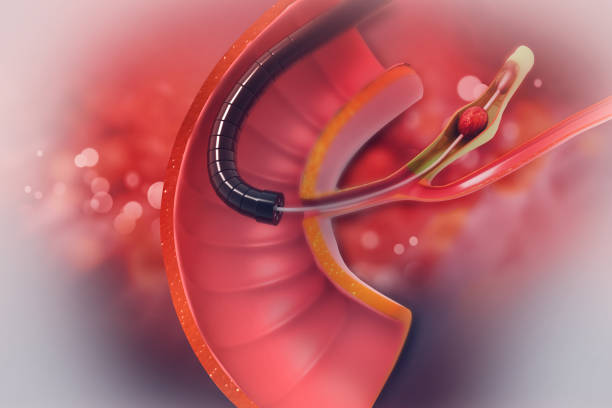
If you are breastfeeding and develop high fever, persistent severe RUQ pain, rapid heart rate, or jaundice, seek emergency care in Mohali immediately. Timely ultrasound imaging and blood tests at centers like Livasa Mohali can confirm the diagnosis and determine if immediate surgery or an endoscopic procedure (ERCP) is required.
Deciding on the timing of cholecystectomy after pregnancy depends on symptom severity, complications, breastfeeding status and recovery from delivery (especially after cesarean section). There is no single answer for every patient; management is individualized.
General timing principles:
Clinical evidence and local surgical practice support a flexible approach: treat emergencies immediately; for non-urgent symptomatic disease, plan surgery after initial postpartum recovery (usually 6–12 weeks), coordinate newborn care and breastfeeding support, and choose minimally invasive approaches where possible to speed recovery.
Treatment for gallstones after pregnancy ranges from conservative medical management to minimally invasive or open surgical removal of the gallbladder (cholecystectomy). Which treatment is best depends on symptoms, complications, patient's health and practical considerations such as breastfeeding and cost.
Below is a clear comparison of the main surgical approaches and their attributes:
| Procedure type | Benefits | Recovery time | When chosen |
|---|---|---|---|
| Laparoscopic cholecystectomy | Less pain, smaller scars, shorter hospital stay, faster return to care for baby | 1–2 weeks for basic activities; 2–4 weeks for full recovery | Standard for uncomplicated symptomatic gallstones and most postpartum patients |
| Open cholecystectomy | Preferred if difficult anatomy, severe inflammation, or extensive previous surgery | 4–6 weeks or longer | Complicated cases, large infection, or when laparoscopic approach not feasible |
| Non-surgical medical management | Pain control, antibiotics for infection, dietary changes; may temporize symptoms | Short-term symptom relief; may recur | Mild intermittent symptoms or as bridge to elective surgery |
Additionally, when bile duct stones are suspected (raised bilirubin, dilated bile ducts on ultrasound, or cholangitis), an endoscopic retrograde cholangiopancreatography (ERCP) may be required to remove common bile duct stones before or in combination with cholecystectomy. ERCP is commonly performed at tertiary centres in Punjab including Mohali.
At Livasa Mohali, the surgical team evaluates each patient with ultrasound, blood tests and, when indicated, MRCP to map anatomy and decide the best approach. Minimally invasive (laparoscopic) cholecystectomy is the preferred option for most postpartum patients due to faster recovery and minimal interruption to newborn care.
Many new mothers worry about anesthesia and whether surgery will disrupt breastfeeding. Reassuringly, the majority of anesthetic agents used for laparoscopic cholecystectomy are safe for breastfeeding mothers, and most women can resume breastfeeding soon after surgery.
Practical points and recommendations:
In summary, laparoscopic cholecystectomy is generally compatible with breastfeeding and most mothers are able to resume nursing within hours of the procedure. Discuss your specific medications and feeding plans with the surgical and anesthesia teams in Mohali to tailor a safe perioperative plan.
As with any medical condition, gallbladder disease after pregnancy can vary from mild to severe. Understanding risks and emergency signs helps ensure timely care. The majority of elective cholecystectomies proceed without major complications, but potential risks include bleeding, infection, bile leak, injury to the bile duct and, rarely, conversion from laparoscopic to open surgery.
Specific emergency indications that require immediate evaluation and often urgent intervention include:
Local access to emergency surgical and endoscopic services is essential. Livasa Mohali is equipped to manage urgent biliary complications and coordinate ERCP, imaging and surgical care quickly. If you experience high fever, increasing abdominal pain, persistent vomiting, jaundice or signs of sepsis after delivery, seek emergency care immediately — do not delay because of newborn care concerns.
Recovery expectations after cholecystectomy influence how soon you can resume newborn care, household duties and work. Laparoscopic surgery minimizes downtime and is typically recommended for postpartum women who are clinically suitable.
Typical recovery milestones:
Practical tips for postpartum recovery in Mohali:
Understanding probable costs helps families plan. In Punjab and specifically Mohali, the cost of gallbladder surgery varies by hospital class, surgeon experience, investigations required (e.g., MRCP, ERCP), implants (rare for cholecystectomy), length of stay and whether complications occur.
The following table shows typical cost ranges you might encounter in Punjab and Mohali. These are indicative ranges (in Indian Rupees) and can vary; contact Livasa Mohali for an accurate estimate tailored to your case.
| Procedure | Typical cost range in Punjab (₹) | Typical cost range in Mohali (₹) | Notes |
|---|---|---|---|
| Laparoscopic cholecystectomy (uncomplicated) | 40,000 – 1,20,000 | 45,000 – 1,10,000 | Most common; ranges due to private vs corporate hospitals and investigations |
| Open cholecystectomy | 50,000 – 1,50,000 | 60,000 – 1,40,000 | Longer stay and higher costs if complications or intensive monitoring |
| ERCP (if needed for bile duct stones) | 20,000 – 60,000 | 25,000 – 70,000 | Costs variable depending on stenting, anesthesia and duration |
What affects cost?
At Livasa Mohali we strive to offer affordable gallbladder surgery in Mohali with transparent pricing and itemized estimates. Call +91 80788 80788 or book an appointment for a personalized cost estimate and insurance guidance.
Selecting an experienced surgeon and a well-equipped hospital is especially important after pregnancy when patients need rapid recovery and coordinated support. Key qualities to look for in your care team:
Why families in Mohali choose Livasa Mohali:
If you are looking for the best gallbladder surgeon in Punjab or the best gallbladder surgeon Mohali, request a consultation at Livasa Mohali to review your imaging, discuss timing, and build a post-delivery plan that fits your family needs. Phone: +91 80788 80788. Book online: https://www.livasahospitals.com/appointment.
Here are practical answers to common concerns women ask after delivery when facing gallbladder disease:
If you suspect gallstones or are symptomatic after delivery, taking prompt, reasoned steps helps protect your health and your ability to care for your baby.
For fast evaluation or to speak to our specialists at Livasa Mohali call +91 80788 80788 or book an appointment online. Our multidisciplinary team will review your history, imaging and breastfeeding needs and create a personalised plan for safe, timely care.
Livasa Hospitals (Livasa Mohali) offers experienced laparoscopic surgeons, endoscopy support and breastfeeding-friendly perioperative care. For detailed evaluation, cost estimate and appointment:
Phone: +91 80788 80788 | Book online: https://www.livasahospitals.com/appointment
Disclaimer: This article is for general information and patient education. Individual recommendations vary; please consult your surgeon or physician at Livasa Mohali for personalised advice. Cost ranges are indicative and subject to change based on clinical findings, investigations and hospital policies.
Obesity and Joint Replacement: Weight and BMI Guidelines in Amritsar
Diabetes, Heart Disease and Joint Replacement: Multispeciality Care in Amritsar
Home Modifications After Joint Replacement: Safety Tips for Amritsar Patients
Livasa Healthcare Group Corporate Office,Phase-8, Industrial Area, Sector 73, Sahibzada Ajit Singh Nagar, Punjab 160071
| Mohali | +91-99888 23456 |
| Amritsar | +91-99887 49494 |
| Hoshiarpur | +91-99883 35353 |
| Nawanshahr | +91-75081 82337 |
| Khanna | +91-98888 05394 |
