03 Aug 2026
Obesity and Joint Replacement: Weight and BMI Guidelines in Amritsar

03 Feb 2026
Call +91 80788 80788 to request an appointment.
This article explains why postponing gallstone treatment can be expensive and dangerous, what emergency signs to watch for in Mohali and nearby areas, and how timely elective care at Livasa Hospitals Mohali can reduce risks and out-of-pocket costs. It includes clear comparisons, realistic cost ranges, and practical steps you can take to protect your health and your finances.
Gallstones are a common digestive condition. For many people, gallstones remain silent and never cause problems. However, for others they can trigger painful attacks and serious complications requiring emergency admission, intensive care unit (ICU) support and major interventions. In real terms for patients and families in Mohali and across Punjab, delay in treating symptomatic gallstones can translate into dramatically higher hospital bills for gallstone complications Punjab and greater health risks.
This blog is written for patients, caregivers and anyone considering gallbladder surgery in Mohali. It explains what gallstones are, how complications develop, which symptoms should prompt urgent evaluation, and the difference between elective and emergency care — both medically and financially. We will outline common treatment options (including laparoscopic cholecystectomy), emergency procedures (including ERCP and open surgery), and typical ICU scenarios such as gallstone pancreatitis and sepsis. Practical guidance on insurance, cost control and when to come to Livasa Mohali is included.
Throughout this article you will find local context — phrases like gallstone surgery cost Mohali, emergency cholecystectomy cost Mohali and ICU charges for gallbladder surgery Punjab — to help you understand what to expect financially and medically in your region. If you or a family member are worried about gallstones, early consultation can reduce the chance of an emergency and the associated out of pocket cost gallbladder emergency Mohali.
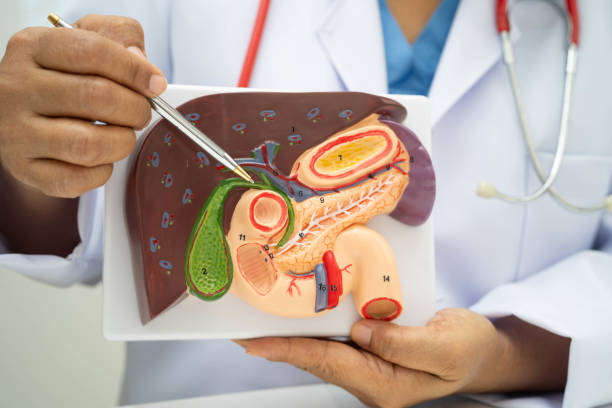
Gallstones are hardened deposits that form in the gallbladder, a small organ beneath the liver that stores bile. Bile helps digest fats. Gallstones vary in size from tiny granules to golf-ball sized stones. There are two main types: cholesterol stones (the most common) and pigment stones (related to high bilirubin states). The exact cause is often multifactorial, combining biochemical changes in bile, gallbladder motility problems and patient risk factors.
Risk factors that raise the likelihood of gallstone formation include:
Epidemiologically, gallstones are common: global prevalence estimates range from 10–20% of adults in Western populations, while population-based studies in South Asia suggest variable prevalence depending on age and metabolic risk factors. In India, symptomatic gallstones represent a significant portion of general surgical practice. In Mohali and surrounding regions such as Chandigarh and Zirakpur, hospitals routinely see both elective consultations and emergency admissions for gallstone-related problems.
Importantly, not everyone with gallstones needs surgery. Many people are asymptomatic and are observed. Surgery becomes necessary when stones cause symptoms (biliary colic), recurrent attacks, or complications such as cholecystitis, obstructive jaundice, pancreatitis or cholangitis. This distinction — asymptomatic versus symptomatic — is crucial for deciding timing of treatment and avoiding unnecessary expenses from emergent care later on.
Recognizing early symptoms of a gallstone-related emergency can prevent delay and reduce the chance of ICU admission. Classic biliary colic is a severe, steady pain in the right upper abdomen that can radiate to the back or right shoulder blade. This pain often occurs after fatty meals and may last from 30 minutes to several hours. However, emergence of the following signs usually indicates a complication and requires prompt medical attention:
For residents of Mohali, Punjab, immediate evaluation at an equipped center like Livasa Mohali can facilitate rapid diagnosis with bedside ultrasound, blood tests (liver function, pancreatic enzymes, inflammatory markers) and timely interventions. Early recognition often permits elective or urgent minimally invasive procedures. Delay or misdiagnosis increases the risk of complications that can require prolonged hospitalization, ICU care and multiple procedures — all of which add to the cost of delaying gallstone surgery Mohali.
When gallstones are left untreated or when symptomatic gallstones are not addressed in time, several serious complications can occur. These complications are medically urgent and are associated with higher morbidity, longer hospitalizations and increased costs. Key complications include:
The clinical severity correlates with cost. An uncomplicated elective laparoscopic cholecystectomy performed as a planned admission is associated with short stays and predictable costs. In contrast, emergencies commonly require:
These clinical needs produce much higher bills. Studies and hospital cost reports show that emergency cholecystectomy and complications such as gallstone pancreatitis increase average costs several-fold compared with elective surgery. For patients in Mohali and Punjab, emergency admissions may involve not only surgeon and OT charges but also significant ICU charges for gallbladder surgery Punjab and additional investigations, leading to hospital bills for gallstone complications Punjab that are substantially greater than planned elective procedures.
Management of gallstone disease ranges from watchful waiting to emergency interventions. Treatment is chosen based on symptom severity, complications, patient fitness for surgery, and availability of local expertise. Here is a practical summary of common approaches:
Comparison of these options, their benefits and typical recovery is shown in the table below to help patients and families understand the trade-offs.
| Procedure type | Benefits | Recovery time |
|---|---|---|
| Elective laparoscopic cholecystectomy | Minimally invasive, less pain, shorter stay | 2–7 days |
| Emergency laparoscopic/open cholecystectomy | Addresses acute complications, may require conversion to open | 1–3 weeks (open longer) |
| ERCP (endoscopic removal of duct stones) | Avoids open surgery for ductal stones, can be combined with cholecystectomy | 1–3 days |
| Percutaneous cholecystostomy | Temporary drainage for unstable patients | Variable; follow-up surgery often required |
At Livasa Hospitals Mohali, a multidisciplinary team including general & laparoscopic surgeons, gastroenterologists and critical care specialists coordinate care to choose the safest and most cost-effective approach for each patient. Early elective laparoscopic cholecystectomy remains the best balance between safety, recovery time and cost for most symptomatic patients.
Costs vary by hospital, complexity, length of stay, and need for ICU or advanced supportive care. In Mohali and wider Punjab, patients frequently ask: “How much does emergency gallbladder removal cost Mohali Punjab?” or “What are ICU charges after gallbladder surgery Mohali?” Below we provide typical cost ranges to illustrate the financial impact of timing and complications. These are indicative ranges and will vary by hospital category, room type and patient condition. Always confirm exact estimates with your hospital or insurer.
| Service | Typical cost range (Mohali/Punjab) | Notes |
|---|---|---|
| Elective laparoscopic cholecystectomy (standard room) | INR 40,000 – 90,000 | Includes surgeon, anesthetist, OT and short stay; varies by package |
| Emergency cholecystectomy (lap/open) | INR 80,000 – 2,50,000+ | Higher due to urgent procedures, investigations, potential conversion to open |
| ERCP (therapeutic) | INR 25,000 – 80,000 | Costs vary by complexity and anesthesia needs |
| ICU charges (per day, Mohali/Punjab) | INR 8,000 – 30,000 per day | Higher for ventilator, dialysis or advanced monitoring; ICU stay adds substantially |
| Cost of treating gallstone pancreatitis (total stay) | INR 1,20,000 – 6,00,000+ | Severe cases requiring ICU and multi-disciplinary care are most expensive |
These estimates illustrate the central point: elective care is typically much less expensive and more predictable than emergency care. For example, a two-to-three day elective stay for lap chole often costs less than a single week of ICU-level care following complicated gallstone pancreatitis. Locally, Livasa Mohali offers clear preoperative packages and estimates; contact the hospital at +91 80788 80788 or book online at Livasa Hospitals appointment to get a personalized cost estimate.
To understand the hidden cost of delaying gallstone surgery, consider two parallel tracks: medical risk and financial cost. Medically, an untreated symptomatic gallstone episode can escalate from manageable biliary colic to acute cholecystitis, cholangitis, gallstone pancreatitis or even sepsis. Each step up in severity often requires more invasive procedures, broader antibiotic coverage, longer hospital stays and possibly ICU care.
Financially, these medical escalations are expensive. A simplified scenario shows the multiplier effect:
In practice, delays of even a few weeks after the first symptomatic episode can increase the chance of recurrent attacks and complications. For patients in Mohali and nearby districts, initial hesitation due to cost concerns paradoxically leads to higher eventual bills when emergencies happen. The emotional burden on families and loss of income during prolonged hospitalization further increase the socioeconomic impact.
Preventive logic applies: timely elective surgery reduces probability of emergency interventions and ICU admission. From a systems perspective, early treatment reduces the likelihood of needing advanced interventions such as open surgery, ERCP under general anesthesia, percutaneous drainage or prolonged critical care — all major contributors to high hospital bills for gallstone complications Punjab.
Understanding insurance coverage and proactive financial planning can substantially reduce out-of-pocket costs. Many government schemes, employer insurance plans and private health policies cover elective and emergency gallbladder procedures, but coverage details vary. Key tips to reduce bills and surprises:
Insurance may cover emergency procedures differently than elective ones. Emergency claims for cholecystitis, cholangitis or pancreatitis often get expedited approval, but certain policies might restrict coverage for pre-existing conditions if the patient had prior symptoms and delayed treatment. This is an important reason to discuss your policy with your insurer early, and to seek documentation from your treating physician.
Financial counseling is available at many hospitals, including Livasa Mohali, where administrative staff can explain cost components, assist with cashless insurance processing and outline likely expenses for both elective and emergency pathways. For families in Mohali, immediate consultation and early elective scheduling typically lead to lower overall costs and better outcomes.
Seek immediate emergency care at Livasa Hospitals Mohali (or any capable hospital) if you experience:
At Livasa Mohali, emergency patients are triaged by experienced emergency physicians and quickly evaluated with bedside ultrasound, lab tests (including liver and pancreatic enzymes) and appropriate imaging. The hospital provides:
This integrated approach shortens time to definitive treatment and reduces complications. For patients in Mohali and surrounding neighborhoods, early presentation improves chances of minimally invasive procedures and short hospitalization, reducing the likelihood of higher ICU charges after gallbladder surgery Mohali or long-term costs associated with prolonged critical care.
If you are in Mohali and want to discuss an elective appointment or need emergency help, call Livasa Hospitals Mohali at +91 80788 80788 or book online: Book appointment Livasa Hospitals. Early consultation with a surgeon can help you weigh risks and schedule elective care before complications arise.
Preventing emergencies and controlling costs revolves around early detection, informed decision-making and good communication with your healthcare provider and insurer. Practical steps that individuals in Mohali can take include:
These measures not only reduce clinical risk but also minimize the chance of facing expensive emergency bills. Hospitals like Livasa Mohali emphasize transparent cost estimates, package options and coordinated care to reduce financial surprises and improve outcomes for patients from Mohali, Punjab and nearby regions.
Delaying treatment for symptomatic gallstones carries both medical and economic risk. While many gallstones remain silent, symptomatic stones can progress to acute cholecystitis, choledocholithiasis, cholangitis, gallstone pancreatitis and sepsis — each associated with higher hospitalization and ICU costs. In Mohali and Punjab the difference between an elective laparoscopic cholecystectomy and an emergency admission with ICU stay can be dramatic in both patient outcomes and the cost of treating gallstone complications Mohali/Punjab.
If you have symptoms suggestive of gallstones or have been told you have gallstones on imaging, take proactive steps: consult a surgeon, evaluate options for elective laparoscopic removal and review your insurance coverage. Livasa Hospitals Mohali offers experienced general and laparoscopic surgeons, a 24/7 emergency service, endoscopic capabilities and a dedicated ICU to manage both routine and complicated cases. For tailored guidance or to schedule a consultation, call +91 80788 80788 or book an appointment online.
Early assessment can prevent emergencies and reduce costs. Call +91 80788 80788 or book an appointment with our general & laparoscopic surgery team today.
Disclaimer: Cost estimates are indicative and may vary by hospital policy, room category, clinical complexity and insurer terms. For a precise estimate for your situation, contact Livasa Hospitals Mohali at the number above or request a booking online.
Obesity and Joint Replacement: Weight and BMI Guidelines in Amritsar
Diabetes, Heart Disease and Joint Replacement: Multispeciality Care in Amritsar
Home Modifications After Joint Replacement: Safety Tips for Amritsar Patients
Livasa Healthcare Group Corporate Office,Phase-8, Industrial Area, Sector 73, Sahibzada Ajit Singh Nagar, Punjab 160071
| Mohali | +91-99888 23456 |
| Amritsar | +91-99887 49494 |
| Hoshiarpur | +91-99883 35353 |
| Nawanshahr | +91-75081 82337 |
| Khanna | +91-98888 05394 |
