03 Aug 2026
Obesity and Joint Replacement: Weight and BMI Guidelines in Amritsar

Dr. Vineet Saggar
21 Apr 2026
Call +91 80788 80788 to request an appointment.
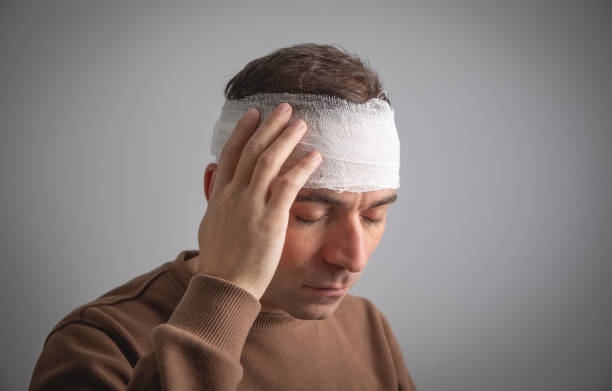
At Livasa Hospitals — Livasa Amritsar — we understand how frightening a head injury or brain trauma can be for patients and families. This guide explains causes, symptoms, rapid evaluation, imaging, surgical and intensive care approaches, rehabilitation and what to expect when you seek head injury treatment in Amritsar or elsewhere in Punjab. If you need urgent assistance, call us immediately at +91 80788 80788 or book an appointment.
A head injury can range from a mild concussion to a life-threatening traumatic brain injury (TBI). Rapid assessment and appropriate care markedly influence outcomes. In cities such as Amritsar, where road traffic incidents, occupational injuries and falls remain common, access to a specialised brain trauma hospital with 24/7 imaging, emergency neurosurgery and a dedicated neuro ICU is essential. This article serves as a comprehensive resource on head injury treatment Amritsar and traumatic brain injury treatment Punjab, combining global best practices with local resources and practical advice for patients and caregivers.
Globally, studies estimate that approximately 69 million people sustain a TBI each year. India contributes a significant portion of the global burden due to a large population and high rates of road traffic collisions and falls. While precise regional numbers vary, hospitals across Punjab including Livasa Amritsar see a steady stream of acute head injury cases and have developed protocols for immediate imaging (particularly emergency CT scan for head injury Punjab), neurosurgical interventions and critical care. This article explains what to expect from diagnosis to long-term rehabilitation and how Livasa Amritsar approaches head injury emergency care in Amritsar and Punjab.
A head injury refers to any trauma to the scalp, skull or brain. Clinically, head injuries are classified by severity and mechanism:
Important diagnostic terms commonly used in hospital settings include:
Recognizing these categories helps emergency teams decide whether patients need immediate imaging like a CT scan, neurosurgical intervention, or observation and rehabilitation. At Livasa Amritsar we prioritise a rapid, protocol-driven response to any suspected TBI with clear triage pathways, immediate CT scan for head injury and early neurosurgeon involvement where indicated.
Understanding what causes head injuries helps in prevention and in anticipating the types of injuries commonly seen in a hospital like Livasa Amritsar. Common causes include:
Risk factors that increase the chance of head injury or worse outcomes include:
Local context: in Amritsar and greater Punjab, a combination of busy roads, agricultural work, and densely populated urban areas contributes to the steady rate of head injury admissions. Public health efforts that improve road safety, helmet use, fall prevention in the elderly and workplace safety are crucial. At Livasa Amritsar we work with local emergency services to ensure rapid transport and immediate evaluation so outcomes can be optimised.
Early recognition of head injury symptoms can be lifesaving. Symptoms depend on the severity and type of brain trauma, and can present immediately or be delayed over hours to days. Common symptoms include:
Red flags (seek emergency care immediately):
Clinicians use tools like the Glasgow Coma Scale (GCS) to quantify consciousness and guide management. A lower GCS score suggests more severe injury and often prompts immediate imaging and neurosurgical consultation. Even patients with initially mild symptoms should be observed because intracranial bleeding sometimes evolves slowly. For anyone in Amritsar with concerning symptoms after head trauma, immediate evaluation at a facility offering emergency CT scan for head injury Amritsar and 24/7 neurosurgery is critical.
Quick and accurate imaging is central to head injury care. The first-line imaging modality for acute head injury is a non-contrast CT (computed tomography) scan of the head because it is fast, widely available and excellent at detecting bleeding and skull fractures. At Livasa Amritsar we provide emergency CT scan for head injury Punjab 24/7, enabling immediate diagnosis and triage to observation, conservative management or urgent surgery.
Key points about imaging:
Typical indications for an immediate CT head scan include loss of consciousness, focal neurological deficits, suspected skull fracture, anticoagulation therapy, worsening headache or repeated vomiting. CT head scan cost in Amritsar varies depending on the facility and whether contrast or advanced protocols are needed; approximate ranges are provided later in the article to help patients plan and compare.
| Imaging modality | Primary uses | Strengths | Limitations |
|---|---|---|---|
| Non-contrast CT head | Detect acute hemorrhage, skull fracture, mass effect | Fast, widely available, excellent for blood | Less sensitive for diffuse axonal injury and early ischemia |
| MRI brain | Diffuse axonal injury, brainstem lesions, late sequelae | High soft-tissue contrast | Longer scan time, not ideal for unstable patients |
| CT angiography | Suspected vascular injury or persistent bleeding | Visualises blood vessels quickly | Requires contrast, radiation exposure |
If you or a loved one requires an immediate CT scan for head injury Amritsar, Livasa Amritsar’s emergency department and radiology team coordinate seamless transport from ambulance to scanner and rapid reporting to guide treatment.
Treatment depends on the injury type, severity and patient factors. Options include conservative (medical) management, minimally invasive procedures and major neurosurgery. Time to treatment is often decisive — for example, an expanding epidural hematoma can cause rapid deterioration and requires immediate evacuation. Livasa Amritsar provides emergency neurosurgery Amritsar and experienced neurosurgeons for head injury, ensuring rapid decision-making and operative care when indicated.
Medical and supportive care may include:
Surgical options include burr hole drainage, craniotomy to evacuate hematomas (subdural/epidural), and decompressive craniectomy to relieve intractable intracranial hypertension. The choice depends on the location and size of bleed, degree of midline shift, patient stability and comorbid conditions.
| Procedure type | Benefits | Recovery time |
|---|---|---|
| Burr hole drainage | Rapid relief for focal collections, minimal bone removal | 2–7 days (hospital stay variable) |
| Craniotomy (hematoma evacuation) | Direct access for clot removal and haemostasis | 1–3 weeks (depends on complications) |
| Decompressive craniectomy | Relieves high ICP when other measures fail | Weeks to months (may require later cranioplasty) |
At Livasa Amritsar our neurosurgeons assess each patient and provide clear recommendations, including expected outcomes and potential complications. We compare surgical alternatives and discuss risks with families, offering both acute life-saving interventions and plans for staged procedures such as later cranioplasty if a decompressive craniectomy was performed.
After emergency surgery or for moderate-to-severe TBI requiring close monitoring, patients are cared for in a dedicated neuro ICU or brain injury ICU. The neuro ICU provides continuous monitoring of vital signs, neurological status, intracranial pressure (when an ICP monitor is indicated), ventilator support and targeted therapies to prevent secondary brain injury.
Key components of neuro ICU care:
For families in Amritsar seeking the best care for a loved one, look for hospitals with a dedicated neuro ICU and multidisciplinary teams that include neurosurgeons, neuroanesthetists, critical care physicians, physiotherapists, speech and language therapists and neuropsychologists. Livasa Hospitals brain trauma care Punjab emphasises coordinated, protocol-driven ICU care, frequent family updates and early rehabilitation planning to improve long-term outcomes.
Children require special consideration after head trauma. Their skulls and brains react differently compared to adults, and symptoms may be subtle or delayed. Common causes of pediatric head injury in Amritsar and Punjab include falls, sports injuries, bicycle accidents and playground incidents. Pediatric assessment emphasises age-appropriate neurological evaluation and maintaining a low threshold for imaging when red flags are present.
Important pediatric points:
Older adults are another vulnerable group—brain atrophy in the elderly can mask symptoms and cause deceptively mild early signs despite significant bleeding. Anticoagulant use is common and can convert minor trauma into a major bleed. Livasa Amritsar provides age-appropriate pathways for pediatric and geriatric head injury care, including paediatric-capable imaging and specialised nursing.
Recovery from head injury extends far beyond the emergency room. Rehabilitation begins in the hospital and continues in outpatient settings. The goals are to restore function, manage cognitive and behavioural changes, and rebuild independence. A multidisciplinary approach yields the best results and typically includes physiotherapy, occupational therapy, speech and language therapy, neuropsychology and social support.
Typical rehabilitation pathway:
Post traumatic brain injury rehabilitation in Amritsar is evolving with improved local services. At Livasa Amritsar we coordinate rehabilitation plans tailored to each patient, involving local physiotherapy clinics, speech therapists and occupational therapists. Families receive training on safe mobility, behavioural strategies and home adaptations. Outcomes vary—many people regain substantial function, while others need long-term support, but early, consistent rehabilitation improves the chance of meaningful recovery.
Supportive measures often recommended:
Understanding relative costs and treatment options helps families make informed decisions. Below are approximate cost ranges commonly encountered in Amritsar and Punjab — actual prices vary by hospital, complexity, implants and length of stay. These are indicative estimates to help with planning; always confirm with the hospital billing department.
| Service | Approximate cost range (INR) | Notes |
|---|---|---|
| CT head (non-contrast) | ₹1,500 – ₹5,000 | Emergency scans may be higher; tertiary hospitals may charge more |
| MRI brain | ₹4,000 – ₹12,000 | Longer scan time; advanced sequences cost more |
| Head injury surgery (e.g., hematoma evacuation) | ₹80,000 – ₹5,00,000+ | Wide range depending on complexity, ICU stay, implants and comorbidities |
| Neuro ICU per day | ₹10,000 – ₹40,000 | Depends on ventilation, monitoring and nursing intensity |
When comparing treatment choices — conservative care vs minimally invasive vs open surgery — discuss short-term goals (save a life, reverse mass effect), medium-term goals (neurological recovery) and long-term quality of life. Below is a concise comparison to highlight typical differences:
| Approach | When chosen | Risks |
|---|---|---|
| Conservative medical management | Small contusions, stable patients, controlled ICP | Risk of delayed bleeding, need for repeat imaging |
| Minimally invasive procedures | Localized collections amenable to burr hole drainage | Incomplete evacuation, need for repeat intervention |
| Open neurosurgery (craniotomy/craniectomy) | Large hematomas, mass effect, refractory ICP | Longer recovery, risk of infection and neurological deficits |
Financial counselling and insurance navigation are important; Livasa Amritsar offers assistance with estimates and liaises with major insurers to streamline authorisation for emergency and planned procedures.
Families seeking a best brain trauma hospital in Amritsar or across Punjab want several capabilities in one place: a trauma-ready emergency department, rapid CT and radiology reporting, experienced neurosurgeons available 24/7, a dedicated neuro ICU, and integrated rehabilitation services. Livasa Amritsar offers all of these services with a patient-centred approach.
Core strengths of Livasa Amritsar:
If you are searching for a neurosurgeon for head injury Amritsar or a trusted brain trauma treatment center Punjab, contact Livasa Hospitals — Livasa Amritsar at +91 80788 80788 or use our online booking portal: Book an appointment.
For urgent head injury care, call Livasa Amritsar at +91 80788 80788 or book an emergency consultation. Our trauma centre coordinates with local ambulance services across Amritsar and nearby areas to expedite lifesaving care.
When a head injury occurs, practical steps can make a difference before reaching the hospital and during recovery:
Always ask your care team in Amritsar for a clear discharge plan including warning signs that should prompt a return to the emergency department. Livasa Amritsar provides written post-discharge instructions and a direct contact number to reduce uncertainty for families.
Head injuries and traumatic brain injuries are medical emergencies where rapid assessment, correct imaging and timely intervention determine outcomes. In Amritsar and across Punjab, having access to a coordinated trauma centre with emergency CT scan for head injury Punjab, experienced neurosurgeons and a dedicated neuro ICU improves survival and recovery. Prevention through safety measures, early recognition of red flags and a structured rehabilitation plan are equally important for long-term recovery.
If you need expert care for a head injury in Amritsar, choose a facility that offers comprehensive services from emergency imaging and emergency neurosurgery Amritsar to critical care and rehabilitation. For trusted, local brain trauma care consider Livasa Hospitals — Livasa Amritsar. Call +91 80788 80788 or book online for immediate assistance.
Disclaimer: This article is educational and not a substitute for professional medical advice. For specific medical decisions contact your treating physician or the emergency department at Livasa Amritsar.
Obesity and Joint Replacement: Weight and BMI Guidelines in Amritsar
Diabetes, Heart Disease and Joint Replacement: Multispeciality Care in Amritsar
Home Modifications After Joint Replacement: Safety Tips for Amritsar Patients
Livasa Healthcare Group Corporate Office,Phase-8, Industrial Area, Sector 73, Sahibzada Ajit Singh Nagar, Punjab 160071
| Mohali | +91-99888 23456 |
| Amritsar | +91-99887 49494 |
| Hoshiarpur | +91-99883 35353 |
| Nawanshahr | +91-75081 82337 |
| Khanna | +91-98888 05394 |
