03 Aug 2026
Obesity and Joint Replacement: Weight and BMI Guidelines in Amritsar

Dr. (Prof.) Rakesh Sudan
21 Apr 2026
Call +91 80788 80788 to request an appointment.
Livasa Amritsar — Emergency cardiology, cardiothoracic care and round-the-clock specialist support. Call +91 80788 80788 or book an appointment online.
The moments after sudden chest pain, breathlessness or collapse can be the most crucial for survival. When you or a loved one experiences symptoms of a heart attack in Amritsar, knowing what to expect at the hospital and how 24x7 cardiac emergency services operate can reduce fear, speed appropriate care and improve outcomes. This guide explains in clear, patient-friendly detail the typical pathway when you arrive at a hospital like Livasa Hospitals (Livasa Amritsar) for emergency cardiology care.
This article covers recognition of symptoms, pre-hospital actions, arrival procedures, diagnostics, emergency treatments such as thrombolysis and emergency angioplasty (PCI), the role of the coronary care unit (CCU) or cardiac ICU, likely timelines and approximate costs in Amritsar. It also compares treatment options and gives practical advice on what to bring, questions to ask, and how follow-up and rehabilitation proceed. Our aim is to guide families through the process with compassion and clarity while emphasizing the importance of immediate action for heart attack treatment in Punjab.
The information here is intended for educational purposes and does not replace medical advice. If you are experiencing signs of a heart attack, call emergency services or the hospital immediately. For immediate help in Amritsar, contact Livasa Amritsar at +91 80788 80788.
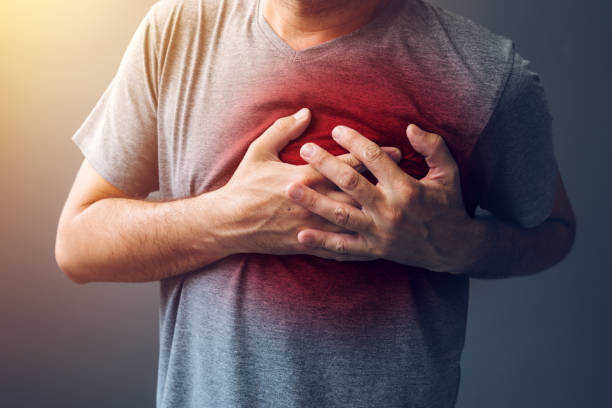
Recognizing heart attack symptoms quickly is the first and most important step. Classic symptoms include:
If you suspect a heart attack, call for immediate help — do not attempt to drive yourself if you are symptomatic. In Amritsar, emergency cardiac care is available 24x7 at hospitals such as Livasa Amritsar. Search terms people commonly use include “heart attack treatment Amritsar”, “cardiac emergency Amritsar” or “24x7 cardiac emergency Amritsar”. Acting quickly improves survival and reduces cardiac damage.
Global and local statistics underline the urgency: cardiovascular disease remains the leading cause of death worldwide — accounting for roughly 17.9 million deaths each year (WHO). In India, cardiovascular disease is responsible for a large proportion of premature deaths and hospitalizations; Punjab reports a high prevalence of hypertension and coronary artery disease compared with many other states, making accessible emergency cardiology care in Amritsar particularly important.
If you are unsure, it is safer to seek emergency evaluation. At Livasa Amritsar and other 24-hour heart hospitals in the region, triage teams are trained to rapidly identify and prioritize suspected myocardial infarction (heart attack) patients.
The care you receive before reaching the hospital — pre-hospital care — can be lifesaving. If a heart attack is suspected, call an ambulance or contact the hospital's emergency number. In Amritsar, families often call the hospital direct or regional ambulance services; for immediate expert management, reach out to Livasa Amritsar at +91 80788 80788. Many hospitals coordinate with ambulance services to begin care en route.
Pre-hospital actions commonly include:
Early ECG transmission and pre-notification to the hospital can reduce time to definitive treatment such as primary percutaneous coronary intervention (PCI). Search terms like “ambulance for heart attack Amritsar 24x7” or “call ambulance heart attack Amritsar” reflect the urgent behavior of patients — and modern emergency systems are designed to respond quickly.
When Livasa Amritsar receives pre-notification, the emergency cardiology team, including the 24 hours cardiologist Amritsar specialists, cardiology nurses and cath lab staff, prepare to receive the patient immediately — shortening door-to-treatment times and improving outcomes.
On arrival at a hospital or emergency department in Amritsar, such as Livasa Amritsar, the patient undergoes a fast, prioritized pathway designed for suspected myocardial infarction. The goals are to confirm the diagnosis, stabilize the patient and proceed to definitive therapy as quickly as possible. The main steps are described below and reflect common practice in emergency cardiology units across Punjab.
1) Triage and immediate assessment: A triage nurse or emergency physician performs a quick assessment to determine urgency. Vital signs (blood pressure, pulse, respiratory rate, oxygen saturation) are recorded immediately. Patients with severe chest pain, low blood pressure, breathlessness or altered consciousness are prioritized.
2) Rapid ECG (within 10 minutes): An electrocardiogram (ECG) is the single most important diagnostic test in the first minutes. It identifies ST-segment elevation myocardial infarction (STEMI) which typically requires immediate reperfusion (thrombolysis or emergency PCI). Non-ST elevation myocardial infarction (NSTEMI) and unstable angina are also assessed and managed urgently.
3) Initial blood tests: Cardiac biomarkers (troponin), basic metabolic panel, complete blood count and coagulation profile are obtained. Point-of-care troponin assays can give rapid results within an hour at many centers.
4) Stabilization: Oxygen is given if saturation is low, IV access is established, pain relief (often IV morphine in controlled doses) and anti-platelet agents (aspirin, often clopidogrel or ticagrelor) may be given. Anticoagulation with heparin is started if indicated.
5) Catheterization lab activation: If STEMI is diagnosed, the on-call interventional cardiologist and cath lab are mobilized. The decision between immediate transfer to cath lab for primary PCI (emergency angioplasty) or administration of thrombolytic therapy depends on time since symptom onset, availability of a 24x7 cath lab and patient stability. In Amritsar, large tertiary centers such as Livasa Amritsar offer emergency angiography and PCI services to minimize time to reperfusion.
6) Communication with family: The emergency team explains the situation, risks and proposed interventions. This communication is an essential part of patient-centered emergency cardiac care in Punjab and helps families make informed decisions quickly.
A precise diagnosis requires a combination of electrocardiographic, biochemical and imaging tests. These are performed rapidly in the emergency setting to decide the best reperfusion strategy. Below is a detailed explanation of the most common diagnostics used in emergency cardiology in Amritsar and globally.
1) Electrocardiogram (ECG): Multiple leads record the heart's electrical activity. If ST-elevation is present, this often indicates a blocked coronary artery requiring immediate reperfusion. A 12-lead ECG is standard and repeat ECGs help track evolution.
2) Cardiac biomarkers (troponin): Troponin levels rise when heart muscle is injured. Rapid (point-of-care) troponin tests help distinguish acute myocardial infarction from other causes of chest pain.
3) Echocardiography (echo): A bedside echocardiogram assesses heart pump function and identifies complications such as wall motion abnormalities, pericardial effusion, or valve problems. Echo is particularly useful when ECG findings are inconclusive.
4) Coronary angiography (diagnostic angiography): This is the definitive imaging test to visualise the coronary arteries and identify blockages. It is performed in a catheterization lab where contrast dye is injected and X-ray images show the vessel anatomy.
5) Advanced imaging: CT coronary angiography and cardiac MRI may be used in selected cases, but in the acute emergency setting, conventional invasive angiography remains the gold standard to plan immediate intervention such as PCI or stent placement.
When comparing procedures for immediate blockage relief or diagnosis, the main options are emergency PCI (angioplasty and stent), thrombolysis (clot-busting medicines) or urgent coronary artery bypass surgery (less common as immediate first-line but required in complex cases). The table below summarizes the typical differences:
| Procedure type | Benefits | Recovery time |
|---|---|---|
| Primary PCI (emergency angioplasty & stent) | Restores blood flow quickly, lower mortality and re-infarction rates compared with thrombolysis when performed promptly | Hospital stay 2–5 days for uncomplicated cases; gradual return to activities over weeks |
| Thrombolysis (IV clot-busting drugs) | Widely available, can be given quickly when cath lab is not accessible | Hospital stay 2–4 days; may require later angiography |
| Coronary artery bypass grafting (CABG) | Better for multi-vessel disease or complex blockages; durable long-term results | Longer hospital stay (7–10 days) and extended recovery (weeks to months) |
The choice depends on ECG findings, symptom duration, the availability of a 24 hour cardiologist in Punjab, patient comorbidities and cath lab readiness. In Amritsar, the availability of emergency angiography Amritsar and emergency PCI Amritsar at centres like Livasa means many patients with STEMI receive timely invasive treatment.
When a heart attack is confirmed, immediate treatment aims to restore blood flow to the affected heart muscle and prevent complications. The main emergency treatments are described below with detail, and a cost comparison table for common emergency interventions in Amritsar is included to help families plan.
1) Emergency percutaneous coronary intervention (primary PCI / emergency angioplasty): This is the preferred reperfusion strategy when available within recommended time windows. An interventional cardiologist threads a catheter via the femoral or radial artery to the blocked coronary artery, opens the blockage with a balloon and places a stent. Benefits include higher survival and lower reinfarction compared with thrombolysis when performed promptly.
2) Thrombolysis (fibrinolytic therapy): When immediate PCI is not available within the recommended time, clot-busting drugs (e.g., tPA, streptokinase) may be given to dissolve the clot. Thrombolysis is time-sensitive — the earlier it is given after symptom onset, the more effective it is. Some patients will require later angiography to evaluate and treat residual disease.
3) Supportive care and medications: All patients receive antiplatelet therapy (aspirin plus a second agent), anticoagulation, statins, beta-blockers and ACE inhibitors as appropriate. Pain control, oxygen for hypoxia, fluid and electrolyte correction and close monitoring are integral.
4) Emergency cardiac surgery: In rare cases such as mechanical complications (papillary muscle rupture, ventricular septal defect) or complex coronary disease not amenable to PCI, urgent coronary artery bypass grafting (CABG) may be required.
The following table provides approximate cost ranges in Amritsar for emergency procedures. These are indicative and vary by hospital, complexity, implants used and package inclusions; always confirm with the hospital billing office.
| Procedure / Service | Typical cost range (INR) in Amritsar | Notes |
|---|---|---|
| Emergency angiography (diagnostic) | Rs. 20,000 – Rs. 60,000 | Depends on imaging, contrast, and any complications |
| Emergency PCI / angioplasty with stent | Rs. 70,000 – Rs. 2,50,000+ | Range reflects type/number of stents (metal vs drug-eluting) and ICU care |
| Thrombolysis (drug only) | Rs. 6,000 – Rs. 35,000 | Lower procedural cost but may require later interventions |
| CCU / cardiac ICU stay (per day) | Rs. 10,000 – Rs. 40,000 per day | Depends on monitoring intensity, ventilation needs and therapies |
These cost estimates answer common searches like “cost of emergency angioplasty Amritsar” and “cost of heart attack treatment Amritsar”. Livasa Hospitals provides transparent package information and financial counselling to help families understand charges, insurance coverage and payment options. Early reperfusion often reduces long-term costs by limiting heart damage and complications.
After emergency treatment, patients are transferred to a coronary care unit (CCU) or cardiac ICU for close monitoring. This phase focuses on preventing complications, optimising heart function and beginning secondary prevention. At Livasa Amritsar and similar centres, the CCU provides continuous ECG monitoring, controlled medication titration and early mobilisation under supervision.
Typical CCU care includes:
Early cardiac rehabilitation begins in the hospital and continues after discharge. Rehabilitation is a multidisciplinary program that includes supervised exercise, nutrition counselling, smoking cessation support, psychological support and risk factor management (blood pressure, cholesterol, diabetes). Successful rehabilitation reduces recurrent events and improves quality of life.
Planning for discharge includes:
For families looking for nearest CCU Amritsar or cardiac ICU Amritsar, Livasa Amritsar maintains a 24x7 emergency cardiology service with trained critical care teams. The presence of a 24 hour cardiologist Punjab and immediate access to cath lab facilities improves outcomes and shortens the pathway to recovery.
Time is heart muscle. The concept of "door-to-balloon" time — the interval from arrival at hospital to opening the blocked artery with PCI — is a widely used measure of quality in acute STEMI care. Guidelines recommend a door-to-balloon time of 90 minutes or less for primary PCI when feasible. Where timely PCI is not possible, early thrombolysis (ideally within 30 minutes of hospital arrival) is recommended.
Faster reperfusion reduces infarct size, preserves heart function and lowers mortality. Global data indicate that centres with rapid PCI capability and coordinated emergency systems achieve better outcomes. According to WHO, cardiovascular disease causes approximately 17.9 million deaths annually worldwide, and timely emergency care is a key factor in reducing these deaths.
In India, cardiovascular disease accounts for a significant fraction of mortality and disability. While exact regional figures vary, urban and industrialised states such as Punjab report higher prevalence of risk factors like hypertension, tobacco use and diabetes. This regional risk profile underscores the value of accessible, urgent cardiology care in Amritsar and surrounding districts.
Common patient outcomes after timely reperfusion:
Livasa Amritsar aims to maintain rapid door-to-balloon times by having an on-call team of interventional cardiologists, a ready cath lab and integrated ambulance/care coordination. Searching for terms such as “what to expect at hospital after heart attack Amritsar” or “steps in hospital during cardiac emergency Amritsar” will often point to this structured and time-sensitive approach.
When heading to the hospital for emergency heart care, being prepared can make the process smoother for you and the care team. If the situation allows, gather the following:
Other practical tips:
For families unsure about hospital choices, queries like “where to go for heart attack treatment Amritsar”, “best hospital for heart attack Amritsar” or “nearest cardiologist Amritsar 24x7” often highlight facilities that provide comprehensive emergency cardiology and cardiac ICU services. Livasa Amritsar offers patient navigators and financial counselling to help with paperwork, insurance claims and post-discharge planning.
Below are commonly asked questions by patients and families in Amritsar and the surrounding areas about emergency heart care and what to expect at the hospital.
Q: What should I do first if I think I am having a heart attack?
A: Call emergency services or the hospital immediately. Do not drive yourself if you are symptomatic. In Amritsar contact Livasa Amritsar on +91 80788 80788 for urgent guidance and hospital pre-notification.
Q: Will I get an ECG immediately?
A: Yes — a 12-lead ECG within 10 minutes of arrival is standard in emergency cardiac care to identify STEMI and direct treatment.
Q: What is the difference between thrombolysis and angioplasty?
A: Thrombolysis is intravenous clot-busting medication; PCI (angioplasty) is an invasive procedure that opens the blocked artery and places a stent. PCI is preferred when available promptly. See the earlier comparison table for benefits and recovery differences.
Q: How long will the hospital stay be?
A: Uncomplicated cases treated with primary PCI may be discharged in 2–5 days; patients needing prolonged monitoring, surgery or with complications may stay longer. Your cardiologist will advise based on your condition.
Q: How do I arrange follow-up and rehabilitation?
A: Your discharge plan will include a follow-up appointment with the cardiology team and referral to cardiac rehabilitation. Livasa Amritsar offers multidisciplinary programs to support recovery.
For immediate cardiac emergency care in Amritsar, contact Livasa Amritsar. Phone: +91 80788 80788 | Book online.
Note: Cost estimates and timelines are indicative and may vary by clinical complexity and hospital policy. Always consult your treating cardiologist or the Livasa Hospitals team for personalised information. The processes described are broadly representative of advanced emergency cardiology care available in Amritsar and Punjab.
Obesity and Joint Replacement: Weight and BMI Guidelines in Amritsar
Diabetes, Heart Disease and Joint Replacement: Multispeciality Care in Amritsar
Home Modifications After Joint Replacement: Safety Tips for Amritsar Patients
Livasa Healthcare Group Corporate Office,Phase-8, Industrial Area, Sector 73, Sahibzada Ajit Singh Nagar, Punjab 160071
| Mohali | +91-99888 23456 |
| Amritsar | +91-99887 49494 |
| Hoshiarpur | +91-99883 35353 |
| Nawanshahr | +91-75081 82337 |
| Khanna | +91-98888 05394 |
