03 Aug 2026
Obesity and Joint Replacement: Weight and BMI Guidelines in Amritsar

21 Apr 2026
Call +91 80788 80788 to request an appointment.
This patient-focused guide explains everything you need to know about heart valve replacement surgery in Amritsar and Punjab — including what valve disease is, when replacement is needed, the different procedures (aortic valve replacement - AVR, mitral valve replacement - MVR, and double valve surgery), and realistic cost estimates for Punjab and Amritsar. If you or a loved one is exploring valve surgery, this article will help you compare options, understand pricing drivers like valve type and technique, and find the right hospital and surgeon for safe care.
The heart contains four valves — aortic, mitral, tricuspid, and pulmonary — that open and close to direct blood flow in a coordinated cycle. Healthy valves ensure efficient circulation; diseased valves can cause the heart to work harder, produce symptoms like breathlessness and fatigue, and progressively damage the heart muscle.
Valve disease occurs mainly due to:
Replacement becomes necessary when valve repair is not possible or when valve disease causes severe symptoms or heart dysfunction. Typical symptoms prompting surgery include uncontrolled breathlessness, recurrent chest pain, fainting spells, fluid retention, and declining exercise tolerance. Modern cardiac care aims to intervene before irreversible heart damage occurs.
Heart valve replacement replaces a malfunctioning valve with a prosthetic valve. The most common replacements are:
The choice between repair and replacement depends on valve anatomy, underlying disease, and the surgeon’s assessment. Valve repair is preferred when possible (especially for mitral valve), but replacement offers definitive correction when repair cannot reliably restore function.
| Procedure type | When indicated | Typical benefits |
|---|---|---|
| Aortic valve replacement (AVR) | Severe aortic stenosis/regurgitation | Restores forward flow, improves symptoms quickly |
| Mitral valve replacement (MVR) | Severe mitral stenosis/regurgitation not repairable | Corrects pulmonary congestion and heart failure symptoms |
| Double valve replacement | When two valves are severely diseased | Single operation fixes multiple problems but is higher risk |
Valve replacement can be done through different technical approaches. Each has advantages, limitations, and cost implications. Understanding the options helps you discuss the best strategy with your cardiac team in Amritsar or elsewhere in Punjab.
Main approaches:
| Procedure type | Benefits | Typical recovery |
|---|---|---|
| Open-heart surgery | Comprehensive access; suitable for complex and multi-valve disease | 7–10 days hospital; 6–12 weeks for full recovery |
| Minimally invasive | Less pain, smaller scar, shorter ICU stay | 3–6 days hospital; 4–8 weeks for recovery |
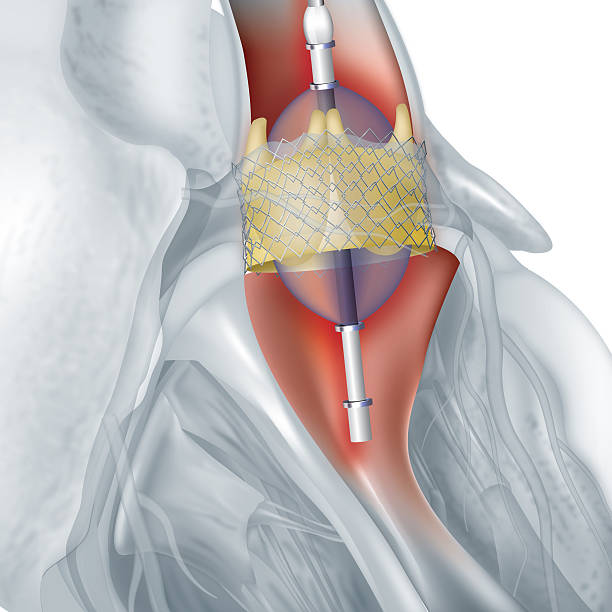
| TAVR (transcatheter) | Avoids sternotomy; fast symptom relief; suitable for high-risk patients | 1–3 days hospital; 1–4 weeks for recovery |
In Amritsar and across Punjab, tertiary centers like Livasa Hospitals, Livasa Amritsar offer advanced valve surgery options including minimally invasive approaches and coordinated pre‑ and post‑operative cardiac care. The best approach is individualized based on age, coexisting illnesses, valve anatomy, and surgical risk.
Understanding the components of cost helps families plan and compare quotes. Heart valve replacement cost in Amritsar and across Punjab typically includes several elements:
Typical estimated price ranges in Amritsar / Punjab (indicative; actual prices vary by hospital and patient complexity):
These estimates include ICU charges for a typical stay but exclude unusually prolonged complications, extended rehabilitation, or very high-cost prosthetic devices. At Livasa Hospitals Amritsar, customized valve surgery packages are designed to provide transparent pricing and coordinated care — call +91 80788 80788 or book online at Livasa Hospitals appointment.
Prosthetic valve selection affects long-term outcomes, lifestyle, and cost. The main options are mechanical (metal) valves, biological or tissue valves (bovine or porcine), and transcatheter valves for aortic disease. Each has tradeoffs that influence initial cost and long-term expenses.
| Valve type | Initial cost (India / Punjab est.) | Long-term considerations |
|---|---|---|
| Mechanical valve | ₹40,000 – ₹1,50,000 (valve only; varies by brand) | Durable (often life-long), requires lifelong anticoagulation (warfarin) with monitoring; lower chance of reoperation. |
| Tissue (bioprosthetic) valve | ₹1,00,000 – ₹3,50,000 (valve only; higher-end models cost more) | No long-term anticoagulation usually; may degenerate over 10–15 years requiring reoperation, especially in younger patients. |
| Transcatheter valve (TAVR) | ₹6,00,000 – ₹20,00,000 (device + procedure costs) | Minimally invasive option for aortic stenosis; higher device cost but shorter early recovery. |
When estimating the heart valve replacement cost Amritsar, consider both the valve device price and the hospital package. Patients choosing mechanical valves should budget for lifelong INR tests and clinic visits; those choosing tissue valves should plan for potential re-intervention years later. TAVR, while attractive for high-risk patients, is a costly option that may not be necessary or appropriate for everyone.
Several patient factors and care considerations influence the final heart valve surgery price Punjab India or the cost at Livasa Hospitals Amritsar. These include:
For example, an uncomplicated AVR with a mechanical valve and a short ICU stay at a quality hospital in Amritsar may cost significantly less than a complicated double valve replacement with a bioprosthetic valve and extended ICU care. Talk to your cardiac care team and request a detailed cost estimate and package breakdown before scheduling surgery.
Most major health insurance policies in India provide coverage for heart valve surgery, but specifics vary by policy, hospital network, and pre-authorization requirements. In Punjab and Amritsar, many patients successfully claim expenses for AVR, MVR, and double valve replacement under cashless or reimbursement plans.
Points to consider:
At Livasa Hospitals Amritsar, the insurance coordination team assists families with claim submission and provides transparent valve replacement package pricing. Call +91 80788 80788 or visit book an appointment to discuss financing and insurance coverage for your case.
Selecting the right centre and surgeon is as important as understanding costs. For valve replacement surgery in Amritsar and across Punjab, evaluate the following:
Livasa Hospitals Amritsar positions itself as a leading valve surgery hospital in Amritsar with experienced cardiothoracic surgeons, modern operation theatres, and structured post-operative rehabilitation. For consultations with top cardiac surgeons in Punjab, contact Livasa at +91 80788 80788 or book online at Livasa Hospitals appointment.
Preparing patients and families reduces anxiety and improves outcomes. Pre-operative workup typically includes blood tests, ECG, trans-thoracic or trans-oesophageal echocardiogram, chest X-ray, and sometimes CT coronary angiography. Optimisation of coexisting conditions (diabetes, hypertension, lung disease) is essential.
Practical pre-op tips:
Typical recovery milestones after valve replacement:
Many patients notice significant symptom improvement within days to weeks. Full return to normal activities varies with age, pre-op function, and the type of procedure.
Like all major surgeries, valve replacement carries risks including bleeding, infection, stroke, arrhythmia, and complications related to the prosthetic valve. Risk depends on patient age, underlying health, and surgical complexity (double valve replacements or reoperations carry higher risk).
Outcomes:
Long-term follow-up is essential. Patients with mechanical valves require lifelong INR monitoring and dose adjustment of anticoagulants. All patients should be educated on endocarditis prevention, when to seek urgent care, and the importance of routine echocardiography to monitor valve function.
Below are answers to common questions patients ask about valve replacement cost and care in Amritsar and Punjab.
For personalised advice, cost estimates, and to discuss valve replacement packages tailored to your condition, reach out to Livasa Hospitals Amritsar: Phone: +91 80788 80788 or book an appointment online.
Heart valve replacement is a life-changing procedure that can restore quality of life and longevity. In Amritsar and across Punjab, patients have access to excellent cardiac care, modern surgical techniques, and flexible financing options. When planning your treatment:
Livasa Hospitals Amritsar is committed to compassionate, evidence‑based valve care — from diagnosis through rehabilitation. To get started, call +91 80788 80788 or book your consultation. Our cardiac team can provide a personalised treatment plan and a transparent valve replacement package tailored for you.
If you are researching heart valve replacement cost Amritsar or need an expert second opinion for AVR, MVR, or double valve surgery, contact Livasa Hospitals Amritsar today. Call +91 80788 80788 or book an appointment online. Our team will guide you through clinical options, estimated pricing, insurance support and a clear pathway to recovery.
Disclaimer: Cost estimates provided in this article are indicative ranges for patient education only. Actual charges at Livasa Hospitals Amritsar or any other centre will depend on individual clinical needs, device selection, length of stay, and specific hospital packages. Always request a written cost estimate and verify insurance terms before admission.
Obesity and Joint Replacement: Weight and BMI Guidelines in Amritsar
Diabetes, Heart Disease and Joint Replacement: Multispeciality Care in Amritsar
Home Modifications After Joint Replacement: Safety Tips for Amritsar Patients
Livasa Healthcare Group Corporate Office,Phase-8, Industrial Area, Sector 73, Sahibzada Ajit Singh Nagar, Punjab 160071
| Mohali | +91-99888 23456 |
| Amritsar | +91-99887 49494 |
| Hoshiarpur | +91-99883 35353 |
| Nawanshahr | +91-75081 82337 |
| Khanna | +91-98888 05394 |
