03 Aug 2026
Obesity and Joint Replacement: Weight and BMI Guidelines in Amritsar

Dr. Kanwaljeet Singh
21 Apr 2026
Call +91 80788 80788 to request an appointment.
By Livasa Hospitals • Livasa Amritsar • Call: +91 80788 80788 • Book appointment
Summers in Amritsar are a time of vibrant life — crowded markets, popular street foods, and heavy use of water for cooling and irrigation. Unfortunately, the season also brings conditions that increase the risk of waterborne and foodborne infections such as hepatitis A and hepatitis E. These infections can present as acute viral hepatitis and often lead to jaundice, malaise, nausea, and in severe cases hospitalization — particularly in vulnerable groups such as young children, older adults, and pregnant women.
Understanding how hepatitis A and E spread in Amritsar and what you can do to prevent them is essential for families, food vendors, schools, and local workplaces. This article explains the causes, symptoms, diagnosis, treatment, and prevention of hepatitis A and hepatitis E with practical, local guidance for Amritsar and the wider Punjab region. We focus on evidence-based medical advice presented in a patient-friendly way, and show where to access testing, vaccine services and emergency jaundice care at Livasa Amritsar.
Keywords you’ll see throughout this article include: hepatitis A symptoms Amritsar, hepatitis E symptoms Amritsar, jaundice in summer Amritsar, hepatitis from contaminated water Amritsar, foodborne hepatitis Amritsar, waterborne hepatitis Punjab, prevention of hepatitis A in Punjab summer.
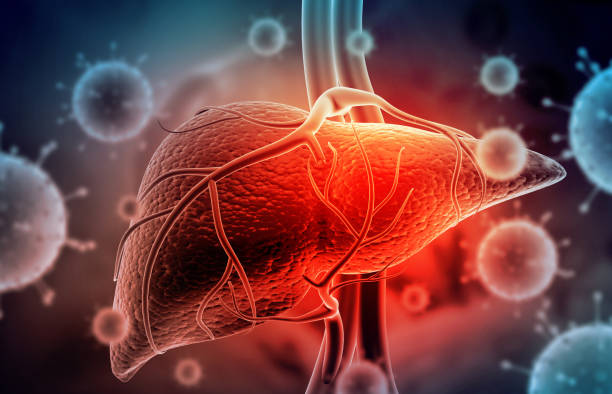
Hepatitis A (HAV) and hepatitis E (HEV) are viral infections that primarily affect the liver. Both are transmitted by the fecal–oral route, which means infection most often occurs after consuming food or water contaminated with feces from an infected person. Although they share a similar transmission pathway, HAV and HEV are caused by different viruses and have important differences in epidemiology, typical patients affected, and clinical outcomes.
Hepatitis A is caused by the hepatitis A virus, a non-enveloped RNA virus. In endemic regions like many parts of India, HAV exposure often occurs in childhood; children frequently have mild or asymptomatic infection but then develop long-lasting immunity. If adults acquire hepatitis A, they are more likely to experience symptomatic disease, including jaundice, abdominal pain, fever and fatigue. The incubation period for HAV generally ranges from 15 to 50 days, with symptoms appearing slowly over several weeks.
Hepatitis E virus is another RNA virus that causes outbreaks of acute viral hepatitis, particularly where sanitation is poor or water supplies are contaminated. HEV is the leading cause of epidemic hepatitis in many low- and middle-income countries and causes both sporadic cases and large outbreaks. Although many HEV infections are self-limiting, HEV is particularly dangerous in pregnant women, where it can cause fulminant hepatic failure and carry a high risk of maternal and fetal mortality. The incubation period for HEV is typically 2 to 8 weeks.
Both viruses are considered acute because they do not usually cause chronic (long-term) infection the way hepatitis B or C can. Management is largely supportive, but early diagnosis, hydration, nutritional support and monitoring for complications are important.
Several seasonal and local factors combine in Amritsar summers to increase the chance of hepatitis A and E transmission. Higher temperatures accelerate bacterial and viral growth in food and water; monsoon-related contamination and municipal water interruptions can force residents to use unsafe water sources; and popular outdoor foods and festivals bring many people together around street vendors and community kitchens.
Specific contributing factors in Amritsar and Punjab include:
Global and regional data highlight the magnitude of risk. The World Health Organization estimates about 20 million HEV infections annually globally, causing approximately 3.3 million symptomatic cases and around 44,000 deaths each year. For HAV, WHO reports roughly 1.4 million symptomatic cases each year, though total infections are higher because many cases are asymptomatic. In India and South Asia, HEV has been identified as the primary cause of large waterborne outbreaks of acute viral hepatitis; published studies indicate HEV accounts for a large proportion of acute hepatitis cases in adults, with variable estimates ranging from roughly 30–70% in different studies.
While exact figures for Amritsar are not published centrally, local hospitals commonly report seasonal increases in acute viral hepatitis during summer and post-monsoon months, making preventive action and rapid diagnosis a priority.
The clinical presentation of hepatitis A and E often overlaps and can be mistaken for common foodborne illnesses. Key features include fever, nausea, vomiting, abdominal pain (especially in the right upper quadrant), dark urine, pale stools, and yellowing of the eyes and skin—commonly referred to as jaundice. In Amritsar summers, where heat-related dehydration is also common, symptoms may be more severe or complicated.
Typical symptom timeline:
Special concerns and groups:
Distinguishing hepatitis from simple food poisoning: Food poisoning (bacterial or toxin-mediated) usually causes rapid-onset vomiting and diarrhea within hours of consumption, often without jaundice. In contrast, viral hepatitis symptoms develop over days to weeks and prominent jaundice and liver enzyme elevation are typical. If jaundice or prolonged symptoms occur in Amritsar summers after eating street food or drinking uncertain water, seek medical testing promptly.
Accurate diagnosis is essential to differentiate hepatitis A or E from other causes of fever and gastrointestinal symptoms. In Amritsar, several diagnostic options are available at hospitals and diagnostic centres, including Livasa Amritsar. Typical diagnostic steps include blood tests for liver function and serology to detect virus-specific antibodies.
Common tests used:
Where to get testing in Amritsar: Livasa Amritsar offers hepatitis testing, rapid evaluation for jaundice, and liver specialist consultations. For patients searching online, useful local search terms include hepatitis testing Amritsar, where to get hepatitis testing near me Amritsar, hepatitis testing Punjab. Costs vary depending on tests required; a standard panel (LFTs + IgM hepatitis A/HEV serology) will have a different price than an expanded viral hepatitis panel. For appointments and to discuss specific test costs, contact Livasa Amritsar at +91 80788 80788 or book online at Livasa Hospitals appointment.
Interpreting results: A positive IgM anti-HAV or IgM anti-HEV confirms recent infection. Elevated bilirubin and transaminases indicate liver inflammation. In severe cases or if there is evidence of impaired coagulation or encephalopathy, hospitalization and specialist (hepatologist) care are required. Livasa Amritsar provides both outpatient testing and inpatient management for moderate to severe jaundice.
Treatment for hepatitis A and E is largely supportive because these viruses typically cause self-limited disease. There are no widely used, approved antiviral drugs for acute HAV or HEV in routine practice. Management focuses on symptom control, hydration, nutritional support, and monitoring for complications. In Amritsar, Livasa Hospitals provides medical management, IV fluid therapy, nutritional counseling, and specialist liver care when needed.
Key elements of treatment:
Special situations:
At Livasa Amritsar, the hepatology team offers emergency jaundice care, inpatient support for moderate to severe cases, and follow-up outpatient care to ensure full recovery. For urgent evaluation, contact +91 80788 80788.
Preventing hepatitis A and E requires a layered approach: vaccination (where available and recommended), ensuring safe drinking water, improving food handling and hygiene, and community-level sanitation. In Amritsar summers, practical measures can substantially reduce risk for families and communities.
Vaccination:
Practical water and food safety tips for Amritsar summers:
Community and public health actions like improving sewage systems, securing potable water supply lines and ensuring safe food handling by vendors reduce incidence at population level. Livasa Amritsar engages in public education about preventing hepatitis A and E during high-risk months and can advise businesses and community groups on hygiene measures.
Patients and families often ask how to tell the difference between viral hepatitis and common food poisoning. The table below compares key features and management considerations to clarify similarities and differences for people living in Amritsar and Punjab.
| Feature | Hepatitis A | Hepatitis E | Food poisoning (bacterial/toxin) |
|---|---|---|---|
| Typical onset | 15–50 days after exposure | 2–8 weeks after exposure | Hours to 1–2 days |
| Prominent symptoms | Jaundice, fatigue, nausea | Jaundice often, severe in pregnancy | Vomiting, diarrhea, cramping; jaundice uncommon |
| Diagnosis | IgM anti-HAV + LFTs | IgM anti-HEV + LFTs | Clinical; stool culture/toxin tests if needed |
| Treatment | Supportive | Supportive; intensive care in severe cases | Rehydration, antibiotics if bacterial and indicated |
| Prevention | Vaccine, safe water, hygiene | Safe water, sanitation; limited vaccine availability | Safe food handling, temperature control |
Another practical comparison is costs and vaccine availability in Punjab/Amritsar. The following table provides approximate, indicative ranges for hepatitis A vaccine costs and typical service options available locally. Prices vary by product and provider; always confirm current charges with the clinic.
| Service | What it includes | Approx. cost (Amritsar, INR) |
|---|---|---|
| Hepatitis A vaccine (single-antigen) | Dose administration; follow-up schedule | INR 1200–3000 per dose (approx.) |
| Hepatitis A + B combination (if offered) | Covers both A and B; schedule varies | INR 1500–3500 per dose (approx.) |
| Hepatitis testing panel (LFT + IgM HAV/HEV) | Lab tests and interpretation | INR 1000–3500 (approx.) |
Early recognition and timely medical care are critical for favourable outcomes. Most cases of hepatitis A and E improve with outpatient supportive care, but certain signs require urgent evaluation and possible hospitalization. If you or a family member in Amritsar experience any red-flag features, contact Livasa Amritsar or visit the hospital immediately.
Red flags that require urgent assessment:
Livasa Amritsar offers emergency jaundice care, inpatient observation, IV fluids, monitoring of coagulation and liver function, and access to hepatologists for advanced management. For any urgent concerns, call +91 80788 80788 or present to the emergency department. For non-urgent evaluation and testing, book online at Livasa Hospitals appointment.
Reducing hepatitis A and E during Amritsar summers requires simple, sustainable practices at the household and community level. These actions protect children, elders, pregnant women and anyone with chronic liver disease.
Recommended actions:
If you manage a community event in Amritsar, consider having potable water points, clear signage recommending hand hygiene, and arrangements to serve foods that are less likely to be contaminated (avoid unchilled raw ingredients or pre-cut salads without safe water).
Livasa Hospitals (Livasa Amritsar) provides comprehensive services for diagnosis, treatment and prevention of acute viral hepatitis. Our team includes hepatologists, infectious disease physicians, experienced laboratory staff and trained emergency teams who can evaluate jaundice, provide inpatient care and advise on vaccination and public health measures.
Key services available at Livasa Amritsar:
For non-urgent evaluation and vaccination: Book at Livasa Amritsar.
For urgent evaluation or emergency jaundice care call: +91 80788 80788.
Hepatitis A and E are preventable causes of acute liver illness that rise in risk during Amritsar summers due to food-handling challenges, water contamination and mass gatherings. Most infections are self-limiting, but vulnerable groups — children, pregnant women, older adults and those with pre-existing liver disease — need special attention and earlier assessment.
Prevention is a shared responsibility: governments and municipal authorities must secure safe water and sanitation, food vendors should follow hygiene best practices, and families should use safe water, practice hand hygiene and consider hepatitis A vaccination if unvaccinated. When symptoms such as jaundice, persistent vomiting, severe abdominal pain, confusion, or bleeding occur, seek prompt medical attention. Livasa Amritsar is ready to provide testing, vaccination advice and emergency jaundice care to patients across Amritsar and surrounding areas.
Protect your family this summer: practice water and food safety, encourage handwashing, and consider hepatitis A vaccination if you or a family member are at risk. For fever with jaundice or for vaccination and testing, contact Livasa Amritsar:
Livasa Hospitals • Livasa Amritsar • +91 80788 80788 • Book appointment
Disclaimer: This article provides general medical information. It is not a substitute for professional medical advice, diagnosis, or treatment. For personalized evaluation and care, please consult Livasa Amritsar or your healthcare provider.
Obesity and Joint Replacement: Weight and BMI Guidelines in Amritsar
Diabetes, Heart Disease and Joint Replacement: Multispeciality Care in Amritsar
Home Modifications After Joint Replacement: Safety Tips for Amritsar Patients
Livasa Healthcare Group Corporate Office,Phase-8, Industrial Area, Sector 73, Sahibzada Ajit Singh Nagar, Punjab 160071
| Mohali | +91-99888 23456 |
| Amritsar | +91-99887 49494 |
| Hoshiarpur | +91-99883 35353 |
| Nawanshahr | +91-75081 82337 |
| Khanna | +91-98888 05394 |
