03 Aug 2026
Obesity and Joint Replacement: Weight and BMI Guidelines in Amritsar

Dr. Kanwaljeet Singh
21 Apr 2026
Call +91 80788 80788 to request an appointment.
Living in Amritsar, Punjab, or travelling through the region means you and your family benefit from local healthcare services that can detect and manage viral hepatitis early. This article explains who should be tested for hepatitis B (HBV) and hepatitis C (HCV), what tests are available locally, approximate costs and where to get reliable screening in Amritsar — including services offered at Livasa Hospitals, Livasa Amritsar. If you are searching for "where to get hepatitis testing Punjab" or "hepatitis testing near me Amritsar," this guide walks you through practical, evidence-based recommendations and local pathways for diagnosis, vaccination and treatment.
Viral hepatitis B and C are infections that primarily affect the liver. When identified early through structured screening, both conditions can be controlled or cured — especially HCV, where modern direct-acting antiviral (DAA) medicines can achieve cure rates above 95%. The World Health Organization estimates that globally hundreds of millions of people live with chronic viral hepatitis; uncontrolled disease leads to cirrhosis, liver failure and liver cancer. India and Punjab have active public health programs to identify and treat hepatitis B and C — however, many people remain unaware of their status because acute infection may be silent for years.
This blog focuses on practical screening advice for residents of Amritsar and nearby areas, explains common tests (HBsAg, anti-HCV antibody, HCV RNA), reviews approximate testing costs in Amritsar and Punjab, and outlines follow-up, prevention, and treatment options. We also include guidance for specific groups who should get screened — pregnant women, blood donors, healthcare workers, people with previous exposure, and those with abnormal liver tests.
Hepatitis B and C are caused by two different viruses: hepatitis B virus (HBV) and hepatitis C virus (HCV). Both viruses infect the liver and can cause acute and chronic disease. While acute infection sometimes causes noticeable symptoms such as jaundice (yellowing of skin and eyes), dark urine, fatigue, and abdominal discomfort, many people — particularly with acute HCV — have no symptoms and feel well, while liver damage progresses silently.
Transmission routes differ slightly:
Risk increases with specific exposures: tattooing or piercing with non-sterile equipment, unregulated cosmetic procedures, traditional practices that involve skin penetration, and work in healthcare without appropriate protections. Liver-related symptoms can be subtle in early disease; therefore, screening based on risk is the mainstay of detecting infection before irreversible liver damage occurs.
Knowing who should be screened helps target testing resources and ensures early detection. Both national and international guidelines recommend screening for specific higher-risk groups as well as for people with clinical signs of liver disease. In the context of Amritsar and Punjab, you should consider testing in the following situations:
Additionally, community screening campaigns in Punjab have targeted certain districts with higher HCV prevalence. If you live in Amritsar and are uncertain about your risk, talk to a clinician at Livasa Amritsar or call +91 80788 80788 to discuss whether testing is appropriate.
Several laboratory tests diagnose and monitor HBV and HCV infection. Understanding the purpose of each helps you and your provider choose the right tests for screening versus confirmation and monitoring. Below we summarise commonly used tests and when each is appropriate.
| Test | Purpose | Typical use |
|---|---|---|
| HBsAg (hepatitis B surface antigen) | Detects current HBV infection (acute or chronic) | First-line screening for hepatitis B |
| Anti-HBs (antibody to surface antigen) | Indicates immunity after vaccination or recovery | Post-vaccination check or to check immunity |
| Anti-HBc (core antibody) | Marker of past or ongoing infection; IgM suggests recent infection | Clarifies infection history |
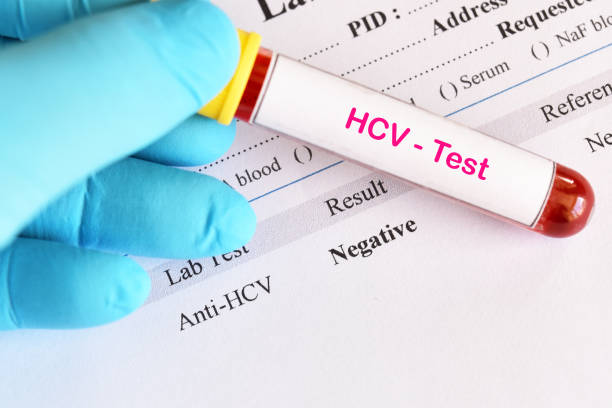
| Anti-HCV (HCV antibody) | Screening test; positive indicates exposure | First-line screening for hepatitis C |
| HCV RNA (PCR) | Detects active HCV infection and measures viral load | Confirmatory test after positive antibody |
| Liver function tests (ALT, AST) | Assess liver injury and function | Monitoring disease activity and treatment response |
Rapid point-of-care tests for HBsAg and anti-HCV antibody are available and useful for screening campaigns in community settings across Punjab and Amritsar. A positive rapid test should be confirmed by laboratory-based assays — especially HCV antibody positive tests require an HCV RNA to confirm active infection. Window periods matter: after exposure, antibodies may take weeks to become detectable; RNA and HBsAg tests detect infection earlier.
If you are searching for "where to get hepatitis B test in Amritsar" or "hepatitis C screening Amritsar," options include private hospitals (like Livasa Amritsar), government district hospitals, certified pathology labs, blood banks, and community screening camps. Livasa Hospitals provides structured HBV/HCV screening, counselling and linkage to treatment at Livasa Amritsar. You can book appointments online at https://www.livasahospitals.com/appointment or call +91 80788 80788 for guidance.
Cost is an important consideration for many patients. Below are typical price ranges you may encounter in Amritsar and across Punjab. Prices vary by laboratory, package (single test vs panel), and whether rapid testing or standard laboratory assays are used. Many government facilities offer free or subsidised testing for eligible populations — search "free hepatitis B C testing Punjab" for current public programs.
| Test | Approx. cost in Amritsar / Punjab (INR) | Notes |
|---|---|---|
| HBsAg (standard lab) | ₹200 – ₹800 | Rapid tests may be cheaper; confirm positives |
| Anti-HCV antibody (standard lab) | ₹300 – ₹900 | Rapid anti-HCV tests available |
| HCV RNA (qualitative/quantitative) | ₹1,500 – ₹6,000 | Essential to confirm active HCV infection |
| HBV DNA (viral load) | ₹2,000 – ₹8,000 | Used for monitoring treatment in chronic HBV |
| Complete hepatitis panel + LFTs | ₹800 – ₹3,000 | Often offered as a package at diagnostic centres |
These cost ranges reflect private laboratory pricing in urban Punjab. For uninsured patients or those with financial constraints, public health programmes and non-profit initiatives sometimes provide free or reduced-cost screening. Livasa Amritsar periodically runs screening camps and offers counselling, so call +91 80788 80788 or use the appointment link for the latest offers and testing packages.
Test interpretation requires context, timing of exposure and sometimes additional confirmatory tests. Below are common scenarios and recommended next steps:
Important practical considerations:
The goals of treatment differ for hepatitis B and hepatitis C. Hepatitis C is generally curable with modern antivirals; hepatitis B can be effectively controlled but not always cured with current therapies, though research is ongoing.
For HCV, oral direct-acting antiviral (DAA) regimens usually last 8–12 weeks depending on genotype, previous treatment history, and liver status. Cure rates (sustained virologic response, SVR) exceed 95% for most patients when treated with approved regimens. DAAs are well tolerated and available through private and government programmes in India, with variable costs depending on the drug brand and whether government subsidies or generic options are used.
For chronic HBV, treatment is indicated when viral load and liver tests suggest active replication or when there is liver damage. Nucleos(t)ide analogues such as tenofovir and entecavir are widely used; they suppress viral replication, reduce progression to cirrhosis and lower liver cancer risk, and are often taken long-term. Regular monitoring of HBV DNA, liver enzymes and imaging is essential to guide therapy duration and assess response.
| Condition | Typical therapy | Duration and outcomes |
|---|---|---|
| Chronic HCV | Oral DAA regimens (e.g., sofosbuvir-ledipasvir, sofosbuvir-velpatasvir) | 8–12 weeks; >95% cure in most groups; few side effects |
| Chronic HBV | Nucleos(t)ide analogues (tenofovir, entecavir) | Often long-term; viral suppression and reduced complications |
| Acute hepatitis (B or C) | Supportive care; antiviral treatment rarely needed for acute HBV; HCV acute cases may be treated early in selected situations | Many acute HBV infections resolve; early detection prevents progression |
Cost of treatment in Punjab varies widely. Generic DAAs in India have made HCV therapy more affordable — many government schemes and charitable programs may subsidise or provide free treatment for eligible patients. HBV antiviral therapy costs depend on whether generics are used and the planned duration of treatment. At Livasa Amritsar, clinicians provide individualized treatment plans, discuss costs transparently and help patients access government programmes where available.
Prevention is the most effective approach to reducing hepatitis-related illness. For hepatitis B, a safe and effective vaccine has been available for decades; it is the cornerstone of prevention. In India, hepatitis B vaccination is part of the universal immunisation program for infants and is strongly recommended for unvaccinated adults at risk.
If you live in Amritsar and have not completed hepatitis B vaccination, speak to your clinician at Livasa Amritsar — vaccination may be recommended based on your risk profile. For travelers, healthcare workers, household contacts of HBsAg-positive people, and those with lifestyle risks, vaccination is a simple, safe and effective preventive measure.
Patients frequently ask similar questions about transmission, testing and confidentiality. Below are clear, practical answers to common concerns for residents of Amritsar and broader Punjab.
Q: Is hepatitis testing confidential?
Yes. Medical tests and results are confidential and protected. When you attend a private centre such as Livasa Amritsar or a government facility, staff will explain consent procedures and confidentiality policies. Positive results are used for clinical care and, where required by public health, reported in a de-identified manner to support population-level disease control.
Q: If my anti-HCV is positive, does that mean I have active infection?
Not necessarily. Anti-HCV indicates exposure at some point. A positive anti-HCV must be followed by HCV RNA testing to confirm active infection. In Amritsar most labs can perform HCV RNA testing; cost ranges are noted above.
Q: Can hepatitis B be prevented in newborns?
Yes. Routine screening of pregnant women for HBsAg and timely administration of hepatitis B vaccine (and HBIG when indicated) to the newborn can dramatically reduce mother-to-child transmission. If you are pregnant in Amritsar, ask your obstetrician for HBsAg testing early in pregnancy.
Q: How soon after exposure should I test?
For suspected recent exposure, nucleic acid tests (HBV DNA, HCV RNA) can detect infection earlier than antibody tests. If exposure was within weeks, discuss immediate testing and follow-up testing at recommended intervals with your clinician.
Q: Are there free testing options in Punjab?
Yes — government health programs and some charitable organisations offer free screening campaigns. Check local public health announcements or contact Livasa Amritsar for referrals and available support.
At Livasa Hospitals — Livasa Amritsar, our hepatology and infectious disease teams offer structured HBV and HCV screening services for adults, pregnant women, healthcare workers and pre-employment checks. We provide:
To arrange testing or discuss whether you should be screened, call our Amritsar centre at +91 80788 80788 or book online at https://www.livasahospitals.com/appointment. For companies and organisations, we also support pre-employment hepatitis screening in Amritsar and blood donor screening programs with certification-ready reports.
If you live in Amritsar, here are clear, practical steps to protect your liver health:
Early detection saves lives. Screening is quick, confidential and often affordable. For localized advice and to find a hepatitis screening centre in Punjab or Amritsar, contact Livasa Amritsar — we are here to guide you through testing, explain hepatitis B test cost Amritsar or hepatitis C test cost Punjab, and support every step from diagnosis to cure or long-term management.
Concerned about hepatitis B or C? Book screening at Livasa Amritsar today. Our team provides compassionate, evidence-based care for screening, confirmation and treatment. Call +91 80788 80788 or book online.
Address inquiries: Livasa Hospitals — Livasa Amritsar. Services include HBV HCV screening Amritsar, HBsAg test cost Amritsar guidance, HCV RNA testing and treatment referrals across Punjab.
Note: This article provides general information and does not replace personalised medical advice. Recommendations and costs may change; for the most accurate and up-to-date information specific to your situation, contact Livasa Amritsar at +91 80788 80788 or visit our appointment page.
Obesity and Joint Replacement: Weight and BMI Guidelines in Amritsar
Diabetes, Heart Disease and Joint Replacement: Multispeciality Care in Amritsar
Home Modifications After Joint Replacement: Safety Tips for Amritsar Patients
Livasa Healthcare Group Corporate Office,Phase-8, Industrial Area, Sector 73, Sahibzada Ajit Singh Nagar, Punjab 160071
| Mohali | +91-99888 23456 |
| Amritsar | +91-99887 49494 |
| Hoshiarpur | +91-99883 35353 |
| Nawanshahr | +91-75081 82337 |
| Khanna | +91-98888 05394 |
