03 Aug 2026
Obesity and Joint Replacement: Weight and BMI Guidelines in Amritsar

Dr. Amritjot Singh Randhawa
17 Nov 2025
Call +91 80788 80788 to request an appointment.
At Livasa Hospitals — Livasa Amritsar, we understand how frightening and confusing a diagnosis of a rare or unusual cancer can be. This comprehensive guide is written for patients, families and primary care doctors in Amritsar and nearby areas of Punjab to explain what rare cancers are, how they are evaluated and treated, where to seek specialised care, and practical steps for navigating diagnosis, treatment and support in the local context.
For appointments or to discuss a complex cancer case, call +91 80788 80788 or book online at Livasa Hospitals.
Rare cancers, sometimes called orphan cancers, are malignancies that occur infrequently in the general population. While any single rare cancer type may affect only a few people per year, together these tumours represent a significant portion of the overall cancer burden. Globally, rare cancers are estimated to account for approximately 20–25% of all cancer diagnoses; in India the share is similar, though exact figures vary due to reporting differences and regional registry coverage. Within Punjab and around Amritsar, rare cancers are increasingly recognised as specialised diagnostic and treatment needs grow.
Why this matters locally: patients with uncommon tumours in Amritsar often face delayed diagnosis, limited access to specialised pathology and molecular testing, and the need to coordinate care across multiple centres. Livasa Amritsar provides locally accessible specialised cancer care in Amritsar to reduce travel burden while offering multidisciplinary expertise, genetic testing referrals and links to clinical trials for eligible patients in Punjab.
This article will walk you through causes, symptoms, diagnostic pathways, treatment options, supportive care, cost considerations and how Livasa Amritsar coordinates complex cancer care for patients with rare or unusual presentations in Amritsar and across Punjab.
The phrase rare cancer is used in different ways by health systems: some define rarity by an incidence threshold (for example, fewer than 6 new cases per 100,000 people per year), while clinicians also use the term for tumours that present in atypical ways, arise in unusual anatomical sites, or have an unusual biology. Uncommon tumours and orphan diseases are terms that overlap with rare cancer in clinical practice.
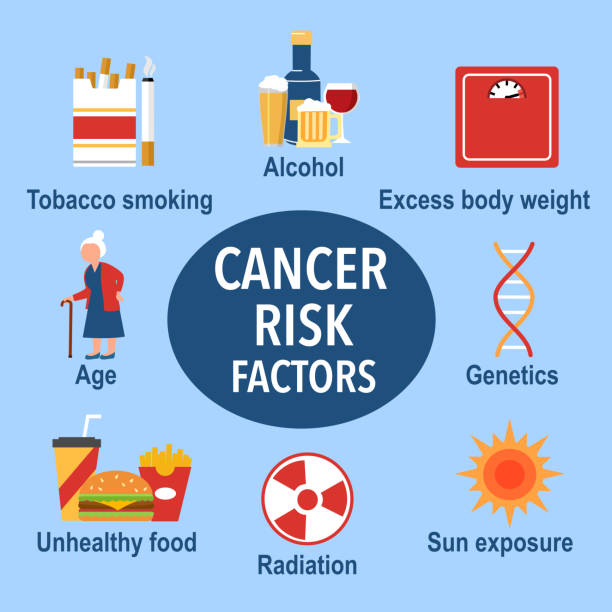
Causes and risk factors of rare cancers often mirror those of more common cancers—mutations, inherited predisposition, environmental exposures and chronic inflammation play roles—but the balance between inherited (germline) and acquired (somatic) causes can be unique for specific rare types. For example:
Clinically, rare cancers often present with nonspecific or subtle symptoms that mimic benign conditions. This contributes to diagnostic delay. An unusual presentation in Amritsar—such as pain without obvious cause, an unexplained mass, persistent constitutional symptoms (weight loss, fatigue), or neurologic or hormonal changes—should prompt early specialist review, particularly if symptoms persist or progress despite routine treatment.
A practical approach: primary care physicians and general surgeons in Amritsar should maintain a low threshold for imaging, tissue diagnosis and referral to a specialist cancer centre when a suspected mass or atypical symptom persists beyond expected recovery time.
While each region will see its own distribution, clinicians in Amritsar and across Punjab commonly encounter several groups of rare tumours. Awareness of these helps local doctors recognise symptoms early and refer appropriately to specialist care at centres like Livasa Amritsar.
Symptoms vary by tumour type but may include a persistent unexplained lump, chronic pain in a bone or soft tissue site, weight loss, persistent cough or breathlessness (for thoracic tumours), bowel habit change (GI tumours) or hormonal syndromes (functional NETs). Timely imaging and biopsy are essential.
At Livasa Amritsar we have experience diagnosing and coordinating care for many of these rare tumour types. Because rare cancers often benefit from expert pathology review and molecular testing, we collaborate with reference laboratories and tertiary centres to ensure accurate classification and targeted treatment planning for patients in Amritsar and wider Punjab.
Accurate diagnosis of a rare or unusual cancer frequently requires a stepwise combination of clinical assessment, imaging, tissue biopsy, specialised pathology and molecular testing. In Amritsar, coordinated access to these services is essential to avoid delays that can influence outcomes.
Typical diagnostic workflow:
Because the choice of biopsy technique influences diagnostic yield and subsequent management, here is a concise comparison of common biopsy methods:
| Biopsy type | Advantages | Limitations |
|---|---|---|
| Fine needle aspiration (FNA) | Minimally invasive, quick outpatient procedure | May not provide enough tissue for complex molecular tests |
| Core needle biopsy | Better tissue architecture; suitable for IHC and many molecular tests | Small risk of bleeding; requires imaging guidance for deep lesions |
| Excisional/incisional biopsy | Complete lesion available for full pathology; gold standard for some sarcomas | More invasive with longer recovery; may complicate later surgery if not planned |
At Livasa Amritsar we prioritise coordinated, image-guided biopsies and immediate pathology review. When initial local pathology is uncertain, we seek expedited second-opinion review from national reference centres and run targeted molecular assays to clarify the tumour type and identify treatment opportunities.
Treating rare cancers requires a personalised strategy that considers tumour biology, stage, patient fitness and available targeted therapies. Because rare tumours often respond differently to standard chemotherapy used for common cancers, a multidisciplinary team is essential. This team typically includes surgical oncology, medical oncology, radiation oncology, pathology, radiology, palliative care, physiotherapy and genetic counselling.
Major treatment modalities include:
The table below compares general treatment approaches for rare solid tumours to help patients understand benefits and trade-offs:
| Treatment type | Benefits | Recovery/limitations |
|---|---|---|
| Surgery | Potentially curative for localized disease; immediate tumour removal | Invasive; recovery varies by procedure; requires careful pre-op planning |
| Chemotherapy | Systemic control of microscopic disease; standard for many cancers | Side effects include nausea, hair loss, fatigue; variable efficacy in rare cancers |
| Targeted therapy | Directed at molecular drivers; often effective with fewer systemic side effects | Requires specific mutation; resistance can develop; cost considerations |
| Immunotherapy | Durable responses in some tumours; reactivates immune system | Immune-related adverse events; not effective for all tumour types |
| Palliative care | Symptom relief, quality-of-life focus alongside active treatment | Not curative; essential at all stages for supportive needs |
A hospital like Livasa Amritsar convenes a multidisciplinary tumor board (MDTB) for every complex cancer case in Amritsar. The MDTB brings together expert rare cancer specialists in Punjab—surgeons, oncologists, radiologists and pathologists—to interpret diagnostic data and recommend the best evidence-based, personalised treatment plan. When necessary, the team coordinates external referrals, molecular testing and clinical trial enrolment.
Genetic and molecular testing are pivotal for many rare cancers. Tests can be categorised as:
Why this matters in Amritsar and Punjab: identifying a targetable mutation may transform a previously limited treatment plan into a precision therapy with significantly improved outcomes. For example, a gastrointestinal stromal tumour with KIT mutation responds to imatinib; certain sarcomas or carcinomas with NTRK fusions respond to specific inhibitors. Genetic counselling is an integral part of the testing process to interpret results and discuss implications for the patient and relatives.
Clinical trials are especially important in rare cancers because standard therapies may be limited or less effective. Trials provide access to novel agents, combination regimens and precision-medicine approaches that are not yet widely available. In Amritsar and Punjab, local trial availability is growing; Livasa Amritsar assists eligible patients by:
Practical considerations:
Rare cancers present unique challenges at both ends of the age spectrum. Pediatric rare cancers are biologically distinct from adult tumours and often require treatment in specialised paediatric oncology units with expertise in childhood chemotherapy protocols, long-term survivorship care and psychosocial support. In Amritsar, young patients benefit from timely referral to paediatric oncologists and care teams experienced in fertility preservation, growth monitoring and neurocognitive follow-up.
Pediatric considerations:
Geriatric patients often have comorbidities, reduced physiological reserve and differing goals of care. Treatment plans must balance efficacy and toxicity, with careful geriatric assessment to personalise systemic therapies and supportive measures. Older adults in Amritsar may face additional challenges such as transportation and caregiver availability. Livasa Amritsar’s team emphasises:
Whether the patient is a child or an older adult, rare cancer care in Amritsar benefits from an integrated approach that combines local accessibility with linkages to national paediatric or geriatric oncology expertise when needed.
A diagnosis of a rare cancer often brings uncertainty: unknown prognosis, complex treatment choices and financial stress. Addressing psychosocial and economic needs is as important as delivering medical therapy. Livasa Amritsar emphasises a holistic care model that includes counselling, rehabilitation, nutrition, social work support and palliative services.
Key support services:
Financial considerations: costs vary widely depending on tumour type, treatment modality, need for targeted agents, number of chemotherapy cycles, surgery complexity and duration of hospital stay. Below is an illustrative, approximate comparison of treatment cost ranges in Punjab/Amritsar context to help patients plan. These are indicative ranges—actual costs depend on individual clinical pathways, hospital policies and insurance coverage.
| Treatment or service | Typical cost range (INR) in Punjab | Notes |
|---|---|---|
| Diagnostic workup (imaging + biopsy + histopathology) | 10,000 – 60,000 | Range varies by modality (PET-CT at higher end) and need for second-opinion pathology |
| Curative surgery (major) | 1,00,000 – 6,00,000+ | Depends on procedure complexity, implants/reconstruction and hospital stay |
| Chemotherapy (per cycle) | 10,000 – 1,50,000 | Cytotoxic chemotherapy lower end; biologics and targeted agents higher |
| Targeted therapy / immunotherapy (monthly) | 20,000 – 4,00,000+ | Drug costs drive expense; patient assistance or generics may reduce cost |
| Clinical trial participation | Usually reduced/no cost for trial drug | Trials may cover investigational drug costs; out-of-pocket may include travel and some tests |
| Palliative and home care (monthly) | 5,000 – 50,000 | Range depends on medications, visits and equipment |
Patients in Amritsar can access state and national schemes, private insurance and philanthropic funds to offset treatment costs. Livasa Amritsar’s financial counsellors work with families to explore coverage and payment plans. When considering costs, also weigh potential outcomes—targeted treatments or trial therapies may offer better disease control and long-term value for some rare cancers.
For rare or complex cancer cases in Amritsar and Punjab, choosing an experienced centre matters. Expertise in pathology, access to molecular diagnostics, a robust multidisciplinary tumour board and links to clinical trials increase the likelihood of an accurate diagnosis and an optimal treatment plan.
Why consider a centre like Livasa Amritsar:
Second opinions are recommended for rare cancer diagnoses because misclassification is common and treatment decisions often depend on precise histologic and molecular characterisation. Livasa Amritsar offers streamlined second-opinion pathways—submit pathology slides, imaging and clinical history for rapid multidisciplinary review. A second opinion can:
If you are in Amritsar or elsewhere in Punjab and facing a complex cancer case, calling +91 80788 80788 to request a multidisciplinary review or second opinion at Livasa Amritsar is a practical first step.
Preparing documentation and questions before your appointment makes consultations more efficient and helps the multidisciplinary team provide a precise plan. For patients coming to Livasa Amritsar from Amritsar city or nearby districts of Punjab, bring or arrange transfer of:
Questions to ask at the visit:
Livasa Amritsar’s team will coordinate the recommended tests and convene the multidisciplinary tumour board to deliver a clear, patient-centred treatment plan after the consultation.
Rare and unusual cancers are challenging but, when managed by experienced teams, patients can access targeted diagnostics, personalised treatment plans and supportive care that improve outcomes and quality of life. In Amritsar and across Punjab, access to a multidisciplinary rare cancer team, robust pathology and molecular testing, and links to clinical trials matter greatly.
Livasa Amritsar is committed to providing specialized rare cancer care in Amritsar—from expert cancer diagnosis and molecular testing coordination to multidisciplinary planning, clinical trial navigation and compassionate supportive services. If your case is complex, atypical or has been labelled an “orphan disease,” you don’t have to manage it alone.
For expert rare cancer diagnosis in Amritsar, a multidisciplinary review for a complex cancer case, or a second opinion, contact Livasa Amritsar. Call +91 80788 80788 or book an appointment online. Our team will help arrange pathology review, molecular testing and MDT consultation tailored to your needs.
Keywords for patients searching locally: rare cancer Amritsar, uncommon tumor Amritsar, specialized cancer care Amritsar, expert cancer diagnosis Amritsar, orphan disease Amritsar, and rare cancer hospital Punjab. Livasa Amritsar is available to support complex cancer cases from initial diagnosis through long-term survivorship.
Note: Cost ranges and statistics provided in this article are indicative and may vary by individual case, diagnostic complexity and institutional pricing. For personalised estimates and an itemised treatment plan, please contact Livasa Amritsar’s financial counsellors and clinical coordinators.
Obesity and Joint Replacement: Weight and BMI Guidelines in Amritsar
Diabetes, Heart Disease and Joint Replacement: Multispeciality Care in Amritsar
Home Modifications After Joint Replacement: Safety Tips for Amritsar Patients
Livasa Healthcare Group Corporate Office,Phase-8, Industrial Area, Sector 73, Sahibzada Ajit Singh Nagar, Punjab 160071
| Mohali | +91-99888 23456 |
| Amritsar | +91-99887 49494 |
| Hoshiarpur | +91-99883 35353 |
| Nawanshahr | +91-75081 82337 |
| Khanna | +91-98888 05394 |
