03 Aug 2026
Obesity and Joint Replacement: Weight and BMI Guidelines in Amritsar

21 Apr 2026
Call +91 80788 80788 to request an appointment.
Heart rhythm disturbances and fluctuations in blood pressure often go unnoticed during short visits to the clinic. This blog explains how Holter monitoring and ambulatory blood pressure monitoring (ABPM) uncover these hidden risks, why they matter for patients in Amritsar and Punjab, and how Livasa Amritsar provides reliable, patient-friendly services. We cover indications, the testing process, comparisons, costs such as Holter monitor test cost Amritsar and ambulatory blood pressure monitoring cost Amritsar, and practical guidance on booking your test at Livasa Hospitals.
Brief clinic ECGs or in-clinic blood pressure readings are useful but limited. Many patients visiting cardiology clinics in Amritsar come with symptoms—palpitations, fainting spells (syncope), dizziness, or suspected high blood pressure—that are intermittent or triggered by daily activities. A single electrocardiogram (ECG) in the clinic can miss transient arrhythmias; similarly, a blood pressure reading in the office may produce falsely high values due to anxiety (“white coat hypertension”) or miss nocturnal hypertension.
Holter monitoring (commonly referred to locally as a 24 hour ECG Amritsar or extended Holter) continuously records the heart’s electrical activity for 24–72 hours or longer. Ambulatory BP monitoring (ABPM) records blood pressure at preset intervals over 24 hours to capture daytime and nighttime variations. Both tests are non-invasive, convenient, and highly informative in guiding diagnosis and treatment.
For residents of Amritsar and surrounding districts in Punjab, these tests offer a way to assess real-life cardiac and blood pressure behavior without hospitalization. Livasa Amritsar specialises in cardiology diagnostics including Holter monitoring Punjab services and ambulatory BP testing, ensuring timely reports and specialist interpretation to guide care.
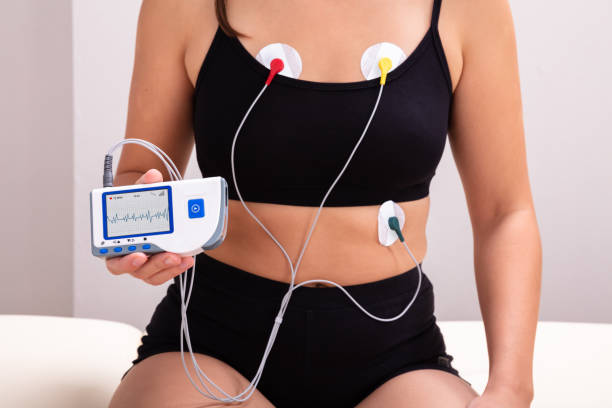
Holter monitoring is a portable device that records a continuous ECG over an extended period—commonly 24 hours, but devices exist for 48 or 72 hours and even longer for select indications. It uses adhesive electrodes placed on the chest connected to a compact recorder worn on a belt or shoulder strap. Holter devices capture heart rhythm continuously while you go about normal activities, allowing cardiologists to correlate symptoms such as palpitations, breathlessness, or dizziness with the recorded electrical activity.
Ambulatory blood pressure monitoring (ABPM) is a non-invasive method that measures blood pressure at regular intervals (usually every 15–30 minutes during the day and every 30–60 minutes at night) over a 24-hour period. The ABPM unit is worn on a shoulder strap with a cuff on the upper arm. This test reveals daytime highs and lows, night-time blood pressure patterns (dipping or non-dipping), and the blood pressure profile during activities and sleep—data that single clinic readings cannot provide.
Both tests are complementary. While Holter identifies arrhythmias and conduction abnormalities, ABPM clarifies the diagnosis and severity of hypertension and identifies conditions such as masked hypertension or nocturnal hypertension. In Amritsar and across Punjab, these tests support targeted treatment decisions—whether adjusting antihypertensives, starting anti-arrhythmic therapy, or planning further interventions such as electrophysiology studies.
Understanding why Holter and ABPM are ordered helps patients appreciate their role. Symptoms that prompt these tests often include:
Causes of arrhythmia detected by Holter monitoring range from benign premature beats to clinically significant atrial fibrillation (AF), supraventricular tachycardia, ventricular ectopy, and conduction blocks. For blood pressure, ABPM detects sustained hypertension, white coat hypertension, masked hypertension (normal clinic BP but high ambulatory readings), and abnormal nocturnal patterns—each with different risks for stroke, myocardial infarction, and organ damage.
Global and local statistics emphasise the impact: the World Health Organization reports over 1.2 billion adults worldwide have hypertension; cardiovascular disease remains a leading cause of death in India. Atrial fibrillation affects an estimated tens of millions globally and increases stroke risk five-fold. In Punjab and Amritsar, lifestyle factors—sedentary behaviour, dietary salt intake, tobacco use and rising diabetes rates—contribute to elevated cardiovascular risk. Early detection through Holter monitoring and ABPM allows timely therapy adjustments to prevent complications such as heart failure, stroke, and sudden cardiac events.
Clear clinical indications guide the use of Holter monitoring and ABPM. Typical candidates include:
Special considerations in Amritsar and across Punjab include high prevalence of hypertension in middle-aged and older adults, busy agricultural and industrial populations with variable daytime activity, and cultural patterns such as late-night meals that may affect nocturnal blood pressure. ABPM is especially helpful to evaluate nocturnal blood pressure behavior in these populations.
Livasa Amritsar provides tailored testing for all age groups. For children and elderly patients, staff at Livasa ensure comfort and clear instructions. For patients requiring extended monitoring (beyond 24 hours), ambulatory devices and event monitors are available and can be explained during consultation. If you are uncertain whether you need a Holter test or ABPM, a cardiology consultation at Livasa Hospitals helps determine the most appropriate test based on symptoms and medical history.
Both Holter and ABPM are outpatient procedures that typically take less than an hour to set up. Knowing what to expect reduces anxiety and ensures accurate recordings. The steps below describe a typical experience at a cardiology Holter test Amritsar centre such as Livasa Amritsar.
Preparation:
During the test:
Returning the device and reporting:
After 24–72 hours (depending on the prescribed duration), you return to the clinic to have the device removed. The recorded data is uploaded and analyzed by cardiology specialists or automated software followed by physician verification. At Livasa Amritsar we prioritise clear reporting and clinician interpretation. Expect a Holter ECG report time Amritsar typically within 24–72 hours after device return, although urgent reports can often be expedited for symptomatic patients.
Once the data is reviewed, your cardiologist will provide a written report and a consultation to explain findings and recommended action. Reports typically include:
Typical clinical actions after abnormal results:
Timely interpretation is crucial. At Livasa Hospitals (Livasa Amritsar), experienced cardiology specialists review Holter and ABPM data and discuss personalized treatment plans. For urgent findings, patients are contacted immediately and appropriate emergency or outpatient interventions are arranged.
Choosing between tests depends on the clinical question. Below is a direct comparison of common ambulatory cardiac and blood pressure monitoring options to clarify differences and benefits.
| Procedure type | Benefits | Typical duration |
|---|---|---|
| 24-hour Holter (24 hour ECG) | Continuous rhythm monitoring; captures frequent intermittent arrhythmias and symptom correlation | 24 hours |
| Extended Holter (48–72 hours) | Better sensitivity for less frequent events; improved diagnostic yield | 48–72 hours |
| Event monitors / patch monitors | Longer-term monitoring (up to 14–30 days) for rare events; patient-triggered or auto-detect | Days to weeks |
| Ambulatory BP monitoring (ABPM) | Captures daytime and nighttime BP; identifies white coat and masked hypertension; guides medication timing | 24 hours |
Cost is often a concern for patients seeking Holter monitoring in Punjab. Below is a representative cost comparison for common ambulatory tests in Amritsar and Punjab. Prices vary by facility, duration of monitoring and whether interpretation is included. Livasa Amritsar offers transparent packages and competitive pricing with expert interpretation; for exact Holter monitor test cost Amritsar and ABPM Punjab cost, please contact the centre directly.
| Test | Typical price range (Amritsar/Punjab) | Notes |
|---|---|---|
| 24-hour Holter (basic) | INR 700–1,800 | Many centres bundle analysis; prices may be higher with cardiologist review included |
| 48–72 hour Holter | INR 1,200–3,500 | Higher diagnostic yield for infrequent events |
| Patch / extended event monitoring | INR 2,000–6,000 depending on duration | Useful for rare symptoms; may be available for rental |
| ABPM (24-hour ambulatory bp monitoring) | INR 700–2,000 | Includes device fitting and report; rental ABPM devices may be offered |
Keywords patients commonly search for include Holter monitoring cost in Amritsar, Holter ECG test cost Amritsar, ambulatory BP monitoring near me Amritsar, Holter monitor near me Amritsar, and affordable Holter monitor Punjab. Livasa Hospitals provides transparent pricing and packages such as Holter monitor test packages Amritsar Livasa and ABPM packages with clear report timelines. For package details, call +91 80788 80788 or visit https://www.livasahospitals.com/appointment to book your test.
Selecting the right hospital for ambulatory monitoring affects the quality of the test and the usefulness of the report. In Amritsar, patients look for dependable equipment, experienced cardiologists, fast report turnaround and clear follow-up pathways. Livasa Amritsar meets these needs with a dedicated cardiology unit, experienced electrophysiologists and technicians skilled in Holter and ABPM setup and interpretation.
Key reasons patients choose Livasa Hospitals for Holter monitoring and ABPM:
Livasa Amritsar serves patients from Amritsar city and surrounding areas across Punjab. Whether you search “Holter monitoring Amritsar Livasa Hospitals”, “Holter monitoring centre Amritsar” or “ambulatory BP monitoring Amritsar”, Livasa offers convenient access and full-spectrum cardiology support. Book a Holter monitor appointment Amritsar easily online at https://www.livasahospitals.com/appointment or call +91 80788 80788 for guidance on the correct test for your symptoms.
Patients often have practical concerns about wearing monitoring devices. Below are common questions and tips to ensure accurate recording and a comfortable experience.
Additional tip: keep a simple symptom diary noting time and activity when you feel palpitations, dizziness or chest discomfort. This helps correlate symptoms with recorded events and increases diagnostic accuracy. For ABPM, note periods of rest, exercise and sleep. If you need an ambulatory BP monitor rental Amritsar or want to compare Holter monitor near me Punjab options, speak to Livasa’s appointment team for tailored advice.
Holter monitoring and ambulatory blood pressure monitoring are powerful tools to detect intermittent cardiac arrhythmias and real-world blood pressure patterns that single clinic measurements miss. For patients in Amritsar and across Punjab, timely testing can mean accurate diagnosis, optimized therapy, reduced risk of stroke and heart failure, and avoidance of unnecessary medications in cases of white coat hypertension.
If you experience palpitations, syncope, unexplained dizziness, variable blood pressure readings or need preoperative cardiac assessment, consider scheduling a Holter or ABPM at Livasa Amritsar. Livasa Hospitals offers comprehensive cardiology services including Holter monitoring in Amritsar, pediatric Holter options, extended monitoring and quick interpretation by experienced specialists. Typical Holter monitoring cost in Amritsar and ABPM costs are competitive and packages are designed to include device setup, analysis and specialist consultation.
Call Livasa Amritsar at +91 80788 80788 or book your Holter or ABPM online. Our cardiology team will guide you to the right test, explain preparation and provide prompt reporting and follow-up.
Livasa Hospitals is committed to accurate diagnostics and compassionate cardiac care for people across Amritsar and neighbouring areas in Punjab. Early detection saves lives—take the next step toward heart health today.
Below are concise answers to common queries to help you prepare for Holter and ABPM testing.
For further questions or to schedule a Holter monitor test Amritsar or ABPM test Amritsar, please call +91 80788 80788 or visit https://www.livasahospitals.com/appointment.
Disclaimer: This article provides general information about Holter and ambulatory blood pressure monitoring. It is not a substitute for professional medical advice, diagnosis, or treatment. Consult a qualified cardiologist at Livasa Amritsar for personalised medical recommendations.
Obesity and Joint Replacement: Weight and BMI Guidelines in Amritsar
Diabetes, Heart Disease and Joint Replacement: Multispeciality Care in Amritsar
Home Modifications After Joint Replacement: Safety Tips for Amritsar Patients
Livasa Healthcare Group Corporate Office,Phase-8, Industrial Area, Sector 73, Sahibzada Ajit Singh Nagar, Punjab 160071
| Mohali | +91-99888 23456 |
| Amritsar | +91-99887 49494 |
| Hoshiarpur | +91-99883 35353 |
| Nawanshahr | +91-75081 82337 |
| Khanna | +91-98888 05394 |
