03 Aug 2026
Obesity and Joint Replacement: Weight and BMI Guidelines in Amritsar

Dr. Bikram Jit Singh
19 Dec 2025
Call +91 80788 80788 to request an appointment.
Welcome to an in-depth, patient-friendly guide about managing eczema at home in Amritsar. This article covers causes, symptoms, safe home remedies, when to seek medical help, comparisons between home and medical therapies, cost guidance for eczema in Amritsar, and how Livasa Amritsar can support you. Whether you are searching for "home remedies for eczema in Amritsar", "how to treat eczema at home in Amritsar", or "best doctor for eczema in Amritsar", this guide is written to help patients and families make informed, safe choices while optimizing local resources and lifestyle factors specific to Amritsar and Punjab.
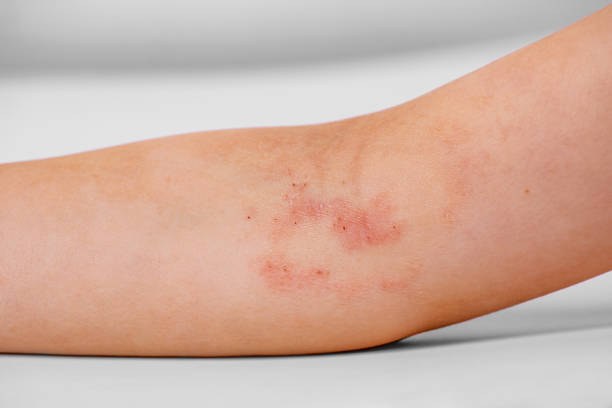
Eczema, also known as atopic dermatitis when referring to the common chronic form, is a skin condition characterized by dry, itchy, inflamed patches of skin that can flare periodically. It is not contagious but can significantly affect quality of life, sleep, school or work performance, and emotional wellbeing. In places such as Amritsar and the larger Punjab region, seasonal changes, environmental allergens (pollen, dust, pollution), and common lifestyle factors (use of harsh detergents, frequent hot showers in winter, dietary triggers) can influence both the frequency and severity of eczema flare-ups. Understanding eczema matters because timely management reduces discomfort, prevents skin infections, and lowers the risk of long-term complications like lichenification (thickened, leathery skin) or pigment changes.
Globally, estimates suggest that atopic dermatitis affects up to 20% of children and around 2–10% of adults. In India, reported prevalence varies widely by region and study design; urban and peri-urban clinics in Punjab — including dermatology treatment centers in Amritsar — have reported a growing number of consultations for eczema in recent years. This rise is due to better awareness, environmental changes, and lifestyle shifts. For families in Amritsar concerned about home remedies and practical self-care, informed strategies tailored to local climate and cultural habits are essential.
Eczema is the result of a combination of genetic, environmental, immunological, and skin barrier factors. The skin acts as the body's protective barrier; in eczema, this barrier is often weakened, allowing moisture to escape and irritants, allergens, or microbes to enter. Key causes and risk factors include:
Several risk factors are modifiable with lifestyle adjustments — for example, reducing exposure to irritants, improving home humidity control, and adopting targeted skincare routines. Local habits in Amritsar, such as the use of certain traditional oils or frequent use of washing-right-after-exertion in humid months, can be amended to reduce flare frequency. Recognizing and addressing these risk factors is the first step to an effective eczema management strategy.
Eczema is not a single presentation; it includes several patterns and symptoms that vary with age, body area, and severity. Knowing the usual signs helps you decide when home care is appropriate and when medical attention is needed. Common symptoms include intense itching (pruritus), dry skin, redness, small bumps that may ooze, crusting, and thickened skin with long-standing disease. The major clinical types you will encounter in Amritsar clinics include:
Special situations include baby eczema (often more widespread but typically less scaly), face eczema (requires gentle topical choices), and hand eczema (highly relevant for workers in kitchens, factories, and health care settings in Amritsar). If you are seeing increasing redness, fever, pus, or very rapid spread, these are signs of secondary infection and require prompt medical assessment.
Many mild eczema episodes can be managed safely at home with the right measures, but some situations require prompt clinical care. Seek dermatology consultation — for example at Livasa Amritsar — if you notice any of the following: severe or widespread rash, signs of infection (increasing redness, warmth, pus, fever), sleep disruption from itch, failure of home care after several weeks, involvement of the face or genitals, or suspected drug-induced or contact allergy.
Diagnosis is usually clinical: a dermatologist asks about the history (family allergies, timing, triggers), examines the skin, and may perform simple tests. Common diagnostic and evaluation steps available in Amritsar dermatology clinics include:
In Amritsar, dermatology treatment centers and hospitals such as Livasa Amritsar offer these diagnostic services. Early diagnosis helps tailor treatment — whether that is targeted avoidance and home remedies, topical medications, phototherapy, or systemic therapy for severe disease. If you are searching for "eczema diagnosis" or "eczema specialist Amritsar", booking a consultation at a recognized dermatology clinic early can make a significant difference in outcomes.
Many safe, evidence-informed home remedies can reduce inflammation, manage itch, and restore the skin barrier when used correctly. In Amritsar, where weather cycles, household practices, and available natural oils influence care choices, the following home remedies are both practical and locally relevant. Always remember: home remedies complement — not replace — professional medical advice for moderate or severe eczema.
Lifestyle adjustments are equally important: reduce exposure to soaps and detergents, wear breathable cotton clothes (especially in Punjab's humid summers), and maintain indoor humidity in winter to avoid skin drying. For those searching "natural remedies for eczema in Amritsar" or "best home remedies for eczema Amritsar", emphasize simple, low-risk measures (moisturise, avoid triggers, gentle cleansing) and consult a dermatologist if uncertain.
Eczema presents differently across age groups and body sites. Tailoring home care to the situation is vital for safety and effectiveness. Here are evidence-informed, site-specific home-care strategies appropriate for Amritsar families and caregivers.
Many of these tips are low-cost and practical for families across Amritsar. For children and pregnant women especially, conservative home strategies combined with specialist advice are the safest path.
Home remedies are essential for daily management, while medical therapies are necessary for moderate to severe disease or complications. The table below compares common home measures and medical options on benefits, risks, and typical cost considerations in Amritsar. Costs are approximate ranges and can vary by clinic, medicine brand, and the severity of disease. For precise pricing, contact Livasa Amritsar at +91 80788 80788 or use the appointment portal.
| Treatment type | Benefits | Risks/Limitations | Approximate cost in Amritsar (INR) |
|---|---|---|---|
| Moisturizers/emollients (home) | Restores skin barrier, reduces flares, safe for daily use | Needs regular use; may not control severe inflammation | 100–700 per month |
| Lukewarm baths, oatmeal, natural oils | Soothes itch, inexpensive, accessible | Risk of irritation or allergenicity with some oils/herbs | Minimal (50–500) |
| Topical corticosteroids (medical) | Effective for acute inflammation and flares | Risk of skin thinning if misused; doctor guidance needed | 200–1500 per tube (depending on strength/brand) |
| Topical calcineurin inhibitors | Useful for sensitive areas; steroid-sparing | May sting initially; prescription-only | 700–2500 per tube |
| Phototherapy (medical) | Effective for persistent or extensive disease | Requires multiple visits; potential long-term UV risks | 1500–4000 per session |
| Systemic therapy and biologics | Useful for severe, refractory eczema | Higher side-effect profile; close monitoring required | Monthly INR 2000 to over 150,000 (biologics) |
The comparison shows that home remedies are essential and cost-effective for mild-to-moderate disease and everyday management, while medical therapies are indispensable for severe disease, complications, or when home measures fail. If cost is a concern, discuss stepwise plans with your dermatologist at Livasa Amritsar: often a combination of optimized emollients, short-term potent topical therapy, and lifestyle modification is both effective and economical.
Preventing eczema flares is a long-term commitment that combines daily care, trigger avoidance, and lifestyle adjustment. For people living in Amritsar and surrounding areas, practical, culturally appropriate strategies can reduce flare frequency and improve skin health over months and years. Below are comprehensive prevention and long-term management recommendations:
Follow the "do's and don'ts" of eczema management: do moisturise often, do patch-test new products, do seek help early for infection; don't scratch, don't use unprescribed strong steroids, and don't rely solely on anecdotal remedies without testing. With disciplined long-term care, many patients in Amritsar find they reduce flares substantially and improve quality of life.
Some eczema situations require urgent medical assessment. Recognizing emergency signs and understanding practical next steps helps families act quickly and avoid complications. Seek emergency or same‑day dermatology care (for example, at Livasa Amritsar) if you observe:
Common complications of poorly controlled eczema include secondary bacterial or viral infections (impetigo, herpes simplex), thickening and pigment changes of the skin, and significant psychological impact such as anxiety or low self-esteem. Practical next steps in Amritsar: contact your dermatologist or the nearest emergency service; keep the affected area clean; avoid topical steroids on infected-looking skin until a clinician advises; and do not attempt to lance blisters at home. For urgent guidance, patients can reach Livasa Amritsar at +91 80788 80788 or book an appointment online at Livasa Hospitals appointment.
At Livasa Hospitals — Livasa Amritsar, our dermatology team provides compassionate, evidence-based care for the full spectrum of eczema: from initial diagnosis to long-term management plans and advanced therapies. We combine specialist clinical assessment, diagnostic testing (patch testing, cultures, allergy tests), and tailored treatment options including topical and systemic therapies, phototherapy, and patient education on home care and prevention. For many patients in Amritsar searching for "best doctor for eczema in Amritsar" or "eczema specialist Amritsar Livasa Hospitals", our multidisciplinary approach ensures personalised plans that respect local lifestyle, costs, and patient preferences.
Practical services available at Livasa Amritsar include:
To book a consultation with an eczema specialist in Amritsar, call +91 80788 80788 or use the online appointment system at Livasa Hospitals appointment. During your visit you will receive a clear action plan for home care and medical therapy that balances effectiveness and cost.
If you or a family member in Amritsar are struggling with eczema symptoms, early expert evaluation improves outcomes. Book a dermatology consultation at Livasa Amritsar online or by calling +91 80788 80788. Our team will help you build a safe, practical home-care plan and decide whether medical treatment is required.
Eczema is a chronic but manageable condition. For people in Amritsar and Punjab, combining daily emollient use, trigger avoidance, gentle skincare practices, and site-specific home remedies can greatly reduce symptoms. Knowing when to escalate to specialist care — especially for infections, severe flares, or treatment-resistant disease — is crucial. Livasa Amritsar provides comprehensive dermatology services and patient education to help you implement safe home remedies and evidence-based treatments that fit your needs and budget.
Key action points: moisturise liberally, bathe gently, avoid irritating products, protect hands and face, seek help for infection, and schedule regular follow-up with a dermatologist if your eczema is moderate or severe. For expert guidance in Amritsar, call +91 80788 80788 or book an appointment with Livasa Hospitals today.
Disclaimer: This article provides general information about eczema home care and is not a substitute for professional medical advice. Costs and availability of services vary. For personalised diagnosis and treatment, consult a qualified dermatologist at Livasa Amritsar or another trusted clinic.
Obesity and Joint Replacement: Weight and BMI Guidelines in Amritsar
Diabetes, Heart Disease and Joint Replacement: Multispeciality Care in Amritsar
Home Modifications After Joint Replacement: Safety Tips for Amritsar Patients
Livasa Healthcare Group Corporate Office,Phase-8, Industrial Area, Sector 73, Sahibzada Ajit Singh Nagar, Punjab 160071
| Mohali | +91-99888 23456 |
| Amritsar | +91-99887 49494 |
| Hoshiarpur | +91-99883 35353 |
| Nawanshahr | +91-75081 82337 |
| Khanna | +91-98888 05394 |
