03 Aug 2026
Obesity and Joint Replacement: Weight and BMI Guidelines in Amritsar

Dr. Kanwaljeet Singh
21 Apr 2026
Call +91 80788 80788 to request an appointment.
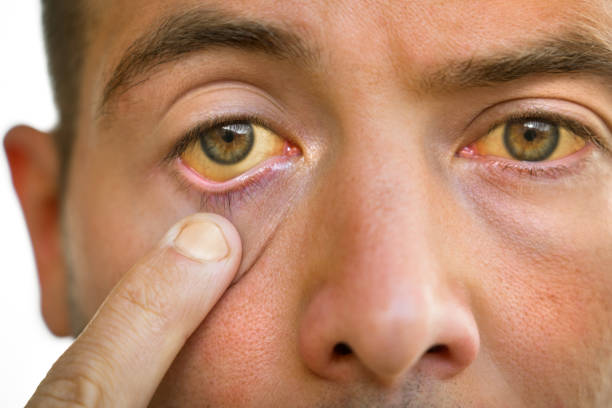
If you or a loved one notices yellowing of the eyes or skin, dark urine, pale stools, or prolonged fatigue in Amritsar, these may be signs of an underlying liver problem such as jaundice or hepatitis. This comprehensive guide explains causes, symptoms, diagnosis, treatment choices, local testing and costs, pediatric care, and when to seek urgent attention — with specific information on how Livasa Hospitals, Livasa Amritsar can help. For appointments call +91 80788 80788 or book online: https://www.livasahospitals.com/appointment.
Jaundice is the visible yellowing of the eyes, skin and mucous membranes due to accumulation of bilirubin, a yellow pigment produced when red blood cells are broken down. While jaundice itself is a sign, not a diagnosis, it often signals liver dysfunction, bile duct obstruction, or excessive red blood cell breakdown. Globally, viral hepatitis remains a major cause of liver disease: the World Health Organization (WHO) estimates that about 296 million people live with chronic hepatitis B and around 58 million people with chronic hepatitis C. Viral hepatitis causes more than 1.3 million deaths a year, mainly from cirrhosis and liver cancer.
In India, an estimated 40 million people may be chronically infected with hepatitis B and C combined, though local prevalence varies by state and district. In Punjab and cities such as Amritsar, screening programs and hepatology clinics have increasingly identified both acute and chronic hepatitis cases. Recognizing early signs — such as yellow eyes, persistent abdominal pain, fever, or nausea — enables timely testing and treatment. This page is written for patients and families in Amritsar, helping you understand options from simple liver function tests to advanced antiviral therapy and transplant discussions, and how to access care at Livasa Amritsar.
Jaundice results from elevated bilirubin in the bloodstream. The liver plays a central role in processing bilirubin: it takes unconjugated bilirubin (produced by red blood cell breakdown), converts it to a water‑soluble conjugated form, and excretes it into bile. When any step in this pathway is disrupted — increased bilirubin production, impaired liver processing, or blocked bile flow — bilirubin accumulates and causes yellowing.
Causes of jaundice fall into three broad categories:
Beyond yellowing, the liver’s failure affects many body systems: metabolism, clotting factor synthesis (raising bleeding risk), immune function, and detoxification. Symptoms accompanying jaundice can include dark urine, pale stools, severe itching (cholestatic pruritus), fatigue, abdominal pain, fever (if infection), nausea, and weight loss. In advanced cases, patients may develop confusion and drowsiness due to hepatic encephalopathy.
Recognizing these patterns helps your local clinician in Amritsar decide which tests to order and whether urgent referral to a hepatology clinic like Livasa Amritsar is needed. Early evaluation improves outcomes and helps avoid progression to cirrhosis and liver failure.
Hepatitis means inflammation of the liver. In Amritsar and across Punjab, common causes include viral infections (hepatitis A, B, C, E), alcohol-related liver disease, non-alcoholic fatty liver disease (NAFLD), drug-induced liver injury, and autoimmune hepatitis. Each cause has different transmission routes, natural history, and treatment strategies.
Below is a concise comparison of key viral hepatitis types most relevant in Amritsar:
| Hepatitis type | Transmission | Typical severity | Prevention & treatment |
|---|---|---|---|
| A | Fecal-oral (contaminated food/water) | Usually acute, self-limited | Hygiene, vaccine; supportive care |
| B | Blood, sexual, perinatal | Acute or chronic; risk of cirrhosis/liver cancer | Vaccine; antivirals (tenofovir, entecavir) for chronic cases |
| C | Primarily blood-borne (IVDU, unsafe procedures) | Often becomes chronic; high risk of cirrhosis | Direct-acting antivirals (DAAs) can cure most cases |
| E | Fecal-oral (pregnancy risk high in HEV) | Usually acute; severe in pregnancy | Hygiene; supportive care; limited vaccine availability |
In Amritsar, localized risk factors include unsafe injection practices, traditional procedures, medical or cosmetic interventions performed outside regulated settings, and occupational exposures. Public health initiatives in Punjab emphasize safe healthcare practices, screening of blood products, and vaccination against hepatitis B to prevent transmission.
If you are wondering about specific symptoms of hepatitis in Amritsar, common early signs include yellow eyes, reduced appetite, abdominal discomfort in the right upper quadrant, low-grade fever, and persistent fatigue. Remember that many chronic infections (especially hepatitis B and C) are initially asymptomatic; that is why screening is essential if you have risk factors or unexplained liver test abnormalities.
Diagnosis begins with a careful clinical history and physical exam. In Amritsar, primary care doctors and liver specialists at hepatology clinics like Livasa Amritsar will ask about travel, vaccinations, alcohol use, medication history, family liver disease, sexual history, tattooing or piercings, and injection drug use. Key diagnostic tests commonly performed include:
Typical testing costs in Amritsar can vary by lab and test type. Approximate ranges (prices vary and are indicative):
| Test | Typical cost in Amritsar (INR) | Notes |
|---|---|---|
| Liver function test (basic panel) | ₹300–₹900 | Includes bilirubin, AST, ALT, ALP, albumin |
| Hepatitis B surface antigen (HBsAg) | ₹200–₹700 | Screening test |
| Anti-HCV antibody test | ₹300–₹800 | If positive, confirm with HCV RNA PCR |
| HBV DNA / HCV RNA (PCR) | ₹2,000–₹8,000 | Essential for treatment decisions |
Where to get these tests in Amritsar? Livasa Hospitals Amritsar offers in-house laboratory services and specialist-led hepatology assessments. For up-to-date hepatitis test cost in Punjab or precise outpatient testing packages, contact Livasa Amritsar at +91 80788 80788 or book online at Livasa Hospitals appointment. Your clinician will interpret results, explain whether further imaging or referral is needed, and tailor follow-up plans.
Treatment for jaundice and hepatitis depends on cause and severity. Many cases of acute viral hepatitis (A and E) require only supportive care — hydration, rest, and symptom control. Chronic hepatitis B and C require targeted therapy to prevent progression to cirrhosis and liver cancer. Here are common treatment approaches you may encounter in Amritsar:
Below is a comparison of common treatment approaches to help you understand benefits and recovery expectations:
| Treatment type | Benefits | Typical duration / recovery |
|---|---|---|
| Supportive care (acute hepatitis A/E) | Minimal intervention; avoids unnecessary meds | Days to weeks; monitored until LFT normalizes |
| Antivirals for chronic HBV | Controls viral replication; reduces cirrhosis risk | Often long-term (years); periodic follow-up |
| DAAs for HCV | High cure rates (>95%) with oral therapy | 8–12 weeks for most regimens |
| ERCP / surgery for obstruction | Relieves blockage; restores bile flow | Procedure day; recovery depends on complexity |
Medication costs in Punjab vary. DAA regimens for hepatitis C are more affordable now than historically due to generics, but exact pricing depends on the regimen and diagnostics. For an individualized cost estimate and treatment plan, schedule a consultation at Livasa Amritsar: +91 80788 80788 or online at Livasa Hospitals appointment.
Most cases of mild jaundice can be evaluated as outpatients, but certain signs indicate danger and need immediate medical attention. Seek urgent care or visit an emergency department in Amritsar (for example, Livasa Hospitals Amritsar) if you or a family member has any of the following:
Emergency evaluation typically includes urgent blood tests (LFTs, INR), imaging (ultrasound or CT), and supportive stabilization. Conditions like acute liver failure, ascending cholangitis, ruptured malignancy, or massive hemolysis require rapid intervention. In Amritsar, Livasa Hospitals provides urgent hepatology consultation and critical care when necessary. If you are in doubt, it is safer to get evaluated quickly — call +91 80788 80788 for immediate guidance or visit the hospital.
Timely recognition can make the difference between outpatient recovery and life-saving interventions such as ERCP, intensive monitoring, or transplant referral. If someone has pre-existing chronic liver disease and develops sudden worsening, they should be seen urgently.
Jaundice is common in newborns. Physiologic neonatal jaundice appears in the first few days of life as the baby’s liver matures and usually resolves without treatment. However, some newborns need medical intervention because very high bilirubin levels can risk brain injury (kernicterus). Parents in Amritsar should be aware of warning signs and local care options.
Key points about neonatal jaundice:
Pediatric jaundice evaluation includes bilirubin measurement, blood type and Coombs test, and tests for infection or metabolic disorders. At Livasa Amritsar, neonatology and pediatric services are equipped to perform bilirubin testing, provide phototherapy, and escalate to exchange transfusion if required. For infants born to mothers with hepatitis B, immediate postnatal care includes timely birth dose and follow-up vaccination to reduce vertical transmission risk.
If you see yellow eyes or excessive sleepiness, poor feeding, high-pitched crying, or arching in a newborn, bring the baby for assessment without delay. Early treatment prevents complications and ensures safe breastfeeding and recovery.
Chronic hepatitis B and C require long-term management even when patients feel well. The aims of chronic care are to suppress viral activity, prevent progression to cirrhosis and hepatocellular carcinoma, and maintain quality of life. In Punjab, public health efforts emphasize screening high-risk groups and offering antiviral therapy and vaccination programs. Practical elements of chronic hepatitis care include:
Public and private screening drives in Punjab have increased detection of chronic hepatitis. If you are at risk (history of transfusion before 1992, prior surgery with unknown sterilization, intravenous drug use, multiple sexual partners, or household contact of someone with chronic hepatitis), get tested at a trusted center. Livasa Amritsar offers comprehensive hepatology clinic services including screening packages, counseling, vaccination, and antiviral treatment — call +91 80788 80788 or book at Livasa Hospitals appointment.
Searching for a “liver specialist near me” or “hepatologist in Amritsar” will bring multiple options; here is how to choose and what to expect during your visit. The best hepatologist in Punjab or Amritsar should offer evidence-based care, clear communication, and a multidisciplinary team for advanced cases. Consider the following:
At your first hepatology visit you can expect a detailed history, physical exam, baseline blood tests, and often an ultrasound. Your specialist will discuss whether antiviral therapy is indicated, monitoring intervals, and whether additional imaging or a biopsy is required. If you need hepatitis screening or want to know the hepatitis test cost in Amritsar, the clinic staff at Livasa Hospitals will provide a clear price estimate and package options.
Nearby locations and reach: Livasa Amritsar serves patients across Amritsar and neighbouring districts in Punjab. To speak with a liver specialist appointment coordinator, call +91 80788 80788 or use the online booking portal at Livasa Hospitals appointment. When searching “jaundice treatment near me” or “best liver doctor near me”, include “Amritsar” to receive local options and faster access to care.
Understanding cost is key when planning care. Below are indicative ranges (prices vary by provider, tests and treatment complexity) to help patients in Amritsar prepare. For exact pricing, always contact your provider or Livasa Hospitals directly.
| Service / test | Typical range in Amritsar (INR) | Comments |
|---|---|---|
| Basic liver function test | ₹300–₹900 | Often available same day |
| Viral serology (HBsAg / anti-HCV) | ₹200–₹800 per test | Screening tests; confirmatory PCR extra |
| HBV DNA / HCV RNA PCR | ₹2,000–₹8,000 | Needed for treatment decisions |
| DAA therapy for HCV (complete course) | ₹10,000–₹60,000+ | Prices vary by regimen; generics reduce cost |
| Liver transplant (total cost) | ₹15 lakh–₹40 lakh+ | Depends on center, donor, complications |
Many insurance plans and government health schemes in Punjab cover parts of testing and treatment. Livasa Hospitals Amritsar can assist with pre-authorization, package estimates, and connections to government programs to make care affordable. For an accurate quote for your situation, call +91 80788 80788 or book a consultation online.
Prevention and early detection are powerful. If you live in Amritsar or Punjab consider the following practical steps to protect your liver health:
Living with chronic liver disease requires partnership with your hepatology team: regular monitoring, cancer surveillance when indicated, and vaccination for preventable infections like influenza and pneumococcus. If you need a trustworthy hepatology clinic in Amritsar, Livasa Amritsar provides multidisciplinary care, patient education, and follow-up plans that fit local needs.
To schedule a hepatitis screening or liver specialist appointment in Amritsar, call +91 80788 80788 or book online at https://www.livasahospitals.com/appointment. Early detection saves lives — act now if you have concerns.
If you or someone you love has yellow eyes, unexplained fatigue, abdominal pain, or risk factors for viral hepatitis, don’t wait. Livasa Hospitals Amritsar offers comprehensive jaundice treatment in Amritsar including diagnostics, antiviral therapy, pediatric care, emergency hepatology and follow‑up services. For consultations, testing packages, and cost estimates call +91 80788 80788 or book an appointment online.
Quick checklist before your visit:
Livasa Hospitals Amritsar is committed to providing authoritative, compassionate hepatology care for Amritsar and nearby communities in Punjab. For more information on jaundice treatment Amritsar, hepatitis screening Amritsar, or to ask about pediatric or newborn jaundice treatment Amritsar, call +91 80788 80788 or visit https://www.livasahospitals.com/appointment.
How do I know if jaundice is serious in Amritsar? Seek urgent care for rapid worsening, confusion, bleeding or high fever with jaundice. Call Livasa Amritsar at +91 80788 80788.
Where can I get a hepatitis test in Amritsar and what is the hepatitis test cost? Livasa Hospitals Amritsar offers full screening packages. Basic serology tests typically cost between ₹200–₹800, while PCR confirmation ranges ₹2,000–₹8,000. Contact the hospital for exact pricing.
Can hepatitis C be cured in Amritsar? Yes — most patients are cured with direct-acting antivirals (DAAs). Livasa Amritsar provides treatment tailored to your situation.
Is there a vaccine for hepatitis B? Yes. Hepatitis B vaccination is the primary prevention tool and is available in Amritsar clinics including Livasa Hospitals.
For more detailed, personalized guidance or to arrange urgent evaluation, call +91 80788 80788 or book online: Livasa Hospitals appointment.
Obesity and Joint Replacement: Weight and BMI Guidelines in Amritsar
Diabetes, Heart Disease and Joint Replacement: Multispeciality Care in Amritsar
Home Modifications After Joint Replacement: Safety Tips for Amritsar Patients
Livasa Healthcare Group Corporate Office,Phase-8, Industrial Area, Sector 73, Sahibzada Ajit Singh Nagar, Punjab 160071
| Mohali | +91-99888 23456 |
| Amritsar | +91-99887 49494 |
| Hoshiarpur | +91-99883 35353 |
| Nawanshahr | +91-75081 82337 |
| Khanna | +91-98888 05394 |
