03 Aug 2026
Obesity and Joint Replacement: Weight and BMI Guidelines in Amritsar

03 Feb 2026
Call +91 80788 80788 to request an appointment.
Speciality: Orthopaedics, Joint Replacement & Spine Surgery | Location: Livasa Mohali
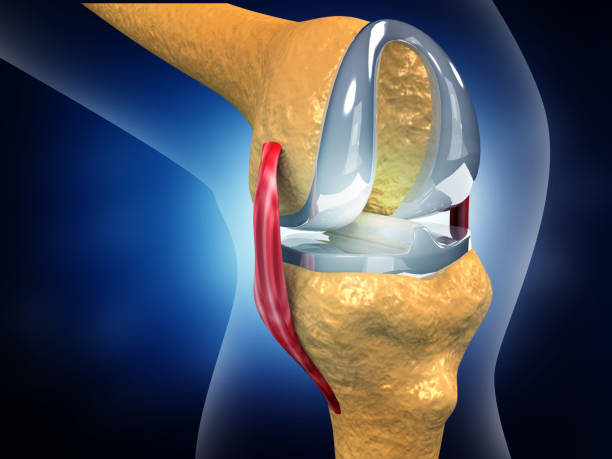
Choosing the right knee implant brand is one of the most important decisions a patient and their care team will make ahead of a total knee replacement. In India — and specifically in Punjab and Mohali — patients have access to an expanding choice of both reputed international manufacturers and strong Indian companies producing modern prostheses. This piece is designed to guide patients, families, and primary care physicians through the practical, medical and financial aspects of selecting a knee implant, with local context for Mohali and surrounding areas.
Knee replacement surgery (total or partial) aims to relieve pain, restore function and improve quality of life. The prosthesis (knee implant) sits at the center of long-term success. While no single brand is perfect for every patient, understanding implant design, materials, evidence for longevity, surgical compatibility, and cost are essential. At Livasa Hospitals, Livasa Mohali, our orthopaedic team routinely helps patients compare options and matches implant choice to the patient's age, activity level, bone quality and expectations.
Globally, over 1 million knee replacements are performed each year; in India the volume has grown substantially as life expectancy and mobility expectations rise. According to recent registries and hospital data, modern implants deliver predictable outcomes with 10–20 year survivorship for many patients. Still, variability exists between brands and implant types. This blog will explain differences such as cemented vs uncemented, high-flex designs, all-poly vs metal-backed components, and how to weigh brand reputation, surgeon experience, and cost — including knee replacement implant cost Mohali. If you are considering surgery, call Livasa Mohali at +91 80788 80788 or book an appointment online.
The choice of knee implant brand influences surgical fit, functional outcome, risk of complications, and long-term implant survival. Brands differ in component geometry (how closely the implant mimics native anatomy), surface coatings (for bone ingrowth in uncemented designs), polyethylene quality (the plastic bearing surface), and modularity (options for sizing and balancing). These technical differences have practical consequences:
National and international registry data show differences in revision rates between implants, though surgeon technique and patient selection are equally important. For example, studies indicate that implant survival at 15 years can range broadly depending on the implant generation and polyethylene processing. For patients in Mohali and Punjab seeking the best knee implant brand India, combining registry evidence, surgeon experience and your personal needs is the most reliable method to choose.
Knee implants vary by fixation method, component materials, and design philosophy. Understanding these categories helps patients ask the right questions. Below are the primary classifications used across India (and at Livasa Mohali).
Fixation method:
Tibial component options:
Polyethylene quality:
Design focus:
Knowing the differences between cemented vs uncemented knee implant India choices, all-poly vs metal-backed tibial implant India pros/cons, and high-flex knee implants India indications will equip you for an informed discussion with your surgeon at Livasa Mohali.
India’s market includes long-established international companies and strong Indian manufacturers. Each brand differs in design philosophy, portfolio breadth, and local support. Below are profiles of widely used brands in India, frequently discussed by orthopaedic surgeons in Mohali.
In Mohali, Livasa Hospitals frequently evaluates brand options based on individual patient needs. Evidence from long-term registries (Australia, UK, Scandinavia) shows subtle differences in revision rates; however, surgical technique, implant sizing and postoperative rehabilitation often have equal or greater influence on outcome than brand alone. For many patients in Punjab, the balance between cost, warranty and manufacturer support in India makes brands like Meril highly competitive compared to imported alternatives.
One of the most common questions in Mohali is whether to choose an imported knee implant or a reliable Indian brand. The right answer depends on evidence, clinical fit, cost, and local service. Below is a structured comparison to help weigh options.
| Aspect | Imported implants (Zimmer, Stryker, DePuy, Smith & Nephew) | Indian implants (Meril, others) |
|---|---|---|
| Clinical evidence | Extensive long-term registry data and global publications. | Growing clinical data; some products have shorter published follow-up. |
| Cost | Higher; imported knee implants India cost includes logistics and taxes. | Generally more affordable; attractive for patients with limited coverage. |
| Local support/service | Often strong via distributors, but may be variable depending on city. | Usually excellent local service and quicker access to replacements/warranty. |
| Technology/features | Cutting-edge features, advanced polyethylene, and robotic compatibility. | Modern designs increasingly offer comparable features; some differences in material processing. |
| Perceived trust | High among many surgeons due to decades-long data. | Trust is growing, particularly where local outcomes are well documented. |
For many patients in Mohali, the decision balances clinical evidence with affordability. At Livasa Hospitals, surgeons are comfortable using both imported and Indian implants depending on individual needs. If budget constraints are primary, a well-documented Indian implant may provide excellent value. If a patient demands specific advanced features and cost is less limiting, imported implants may be chosen.
Below is a practical brand comparison table reflecting features, suitability, typical price range in India (approximate), and surgeon notes. Costs vary by centre, implant model, surgical complexity and city; the ranges shown are indicative and include implant cost only (not hospital or surgeon fees). For local pricing like knee replacement implant cost Mohali or knee replacement cost Mohali, contact Livasa Mohali.
| Brand | Strengths | Suitability | Approx. implant cost India (INR) |
|---|---|---|---|
| Meril | Local manufacture, cost-effective, growing data, good service network | Patients seeking balance of quality and affordability | ₹60,000 - ₹1,50,000 |
| Zimmer Biomet | Extensive registry evidence, advanced polyethylene | Patients prioritizing long-term data and premium features | ₹1,50,000 - ₹3,50,000 |
| Stryker | Modular systems, robotic workflows, high-flex options | Active patients seeking advanced alignment tech | ₹1,50,000 - ₹3,50,000 |
| DePuy | Large global portfolio, proven designs | Patients wanting established international brands | ₹1,40,000 - ₹3,20,000 |
| Smith & Nephew | Innovative coatings, polyethylene tech | Centers using advanced fixation surfaces | ₹1,40,000 - ₹3,00,000 |
These implant cost ranges are indicative. The complete knee replacement cost with implant brand India includes hospital stay, surgeon fees, anaesthesia, implants and post-op rehab. At Livasa Mohali, our coordinators provide detailed cost breakdowns and help discuss insurance coverage for knee implants India. For a personalised estimate, call +91 80788 80788 or book online.
The "best" knee implant is the one tailored to the individual. Surgeons in Mohali and across India consider multiple patient factors before recommending a specific brand or design:
The decision also involves surgeon preference and familiarity. For example, if your surgeon at Livasa Mohali has excellent experience with a particular brand and demonstrable outcomes, that familiarity often improves results. Discuss expected pain relief, expected range of motion, likely lifespan of the implant and realistic recovery timelines. Bring questions like: "Which implant do you recommend for someone of my activity level?" and "What is the documented 10–15 year survival for this implant in published studies?"
Cost is a critical factor for many families. The total cost of knee replacement in India depends on the implant brand, hospital category, length of stay, and rehabilitation needs. In Mohali and Punjab, average total costs (including implant, hospital charges, surgeon fee and rehabilitation) typically range:
These are approximate. For knee replacement implant cost Mohali specifics at Livasa Mohali, our billing team provides a transparent quote after consultation. Insurance coverage for knee implants India varies by policy. Many policies cover primary total knee replacement; however:
At Livasa Mohali, our patient coordinators assist in pre-authorisation and clarify which implant options are likely to be fully covered versus those requiring additional out-of-pocket expense. When discussing costs, ask the hospital for a detailed breakdown: implant cost, consumables, surgeon fees, anaesthesia, physiotherapy and any postoperative imaging or follow-up charges. This will help you compare the real cost of imported vs Indian knee implant Punjab options.
Implant choice interacts with surgical technique and available technology. At Livasa Hospitals, Livasa Mohali, we offer both conventional and robotic-assisted joint replacement approaches. The alignment and balancing achieved at surgery often influence functional outcomes as much as the implant choice.
Key factors to discuss:
When you evaluate implants at Livasa Mohali, consider both the product and the team performing surgery. A premium implant in inexperienced hands may give worse results than a good implant placed precisely by an expert surgeon using best perioperative protocols.
Longevity is a primary concern. Global registry data (Australia, Sweden, UK) show that modern implants frequently achieve 90%+ survivorship at 10 years for many designs. Indian real-world outcomes are improving as registries and academic studies expand. When comparing brands, consider:
For elderly patients with lower demands, older implants with reliable cemented fixation may provide decades of pain relief. Younger, more active patients may benefit from implants that offer modularity and highly cross-linked polyethylene to reduce wear. At Livasa Mohali, our team reviews the evidence and explains expected longevity and warranty details for each implant option, helping patients make informed decisions aligned with their lifestyle and long-term goals.
To be an empowered patient, prepare a checklist to discuss with your orthopaedic surgeon. Below are essential questions tailored to choosing an implant brand in Mohali or anywhere in India:
Keep copies of all implant information and the implant sticker (usually kept in hospital records). Ask for patient education resources and follow-up schedules. At Livasa Mohali, our surgeons provide an informed consent process that includes discussion of implant choice and its rationale.
Choosing between different knee implant brands in India is a collaborative process involving the patient, surgeon and hospital. There is no single "best knee implant for everyone in India." Instead, match the implant’s characteristics to the patient's medical profile, lifestyle goals and budget. For patients in Mohali and Punjab, both high-quality Indian brands (like Meril) and established imported brands (Zimmer, Stryker, DePuy, Smith & Nephew) offer reliable options when paired with excellent surgical technique and postoperative care.
If you are considering knee replacement at Livasa Hospitals, Livasa Mohali, we invite you to schedule a consult. Our multidisciplinary team will review your clinical condition, imaging, and expectations; present implant options with evidence and cost comparisons; and help arrange pre-authorisation and rehabilitation plans. To speak with a specialist or to book an appointment, call +91 80788 80788 or visit https://www.livasahospitals.com/appointment.
Making an informed choice about your knee implant improves outcomes. Contact Livasa Mohali to discuss which implant best fits your needs, get a transparent cost estimate for knee replacement implant cost Mohali, and meet our orthopaedic surgeons. Call +91 80788 80788 or book online.
Q: Which knee implant is best India?
A: There is no universal best. The best implant for you depends on age, activity, bone quality and cost. Discuss evidence and local outcomes with your surgeon at Livasa Mohali.
Q: Are imported knee implants India cost much higher?
A: Generally yes. Imported knee implants India cost include customs and logistics; they can be more expensive than reputable Indian brands. However, insurance coverage and negotiated hospital packages can narrow the gap.
Q: Cemented vs uncemented knee implant India — which should I choose?
A: Cemented implants are the standard for older patients and those with poorer bone quality. Uncemented may suit younger patients with good bone stock. Your surgeon’s assessment will determine the ideal fixation.
Q: Will robotic surgery change implant choice?
A: Robotics improves precision but does not require a specific brand in most cases. Some implants are validated with specific robotic platforms. Discuss compatibility with your surgical team.
Q: How long before I can resume normal activities?
A: Many patients walk with assistance within a day, and routine activities resume over 4–12 weeks. High-impact sports should generally be avoided long-term. Your physiotherapist at Livasa Mohali will provide a customised plan.
If you have questions not covered here, our orthopaedic team at Livasa Hospitals is ready to help. Call +91 80788 80788 or book a consultation.
Obesity and Joint Replacement: Weight and BMI Guidelines in Amritsar
Diabetes, Heart Disease and Joint Replacement: Multispeciality Care in Amritsar
Home Modifications After Joint Replacement: Safety Tips for Amritsar Patients
Livasa Healthcare Group Corporate Office,Phase-8, Industrial Area, Sector 73, Sahibzada Ajit Singh Nagar, Punjab 160071
| Mohali | +91-99888 23456 |
| Amritsar | +91-99887 49494 |
| Hoshiarpur | +91-99883 35353 |
| Nawanshahr | +91-75081 82337 |
| Khanna | +91-98888 05394 |
