03 Aug 2026
Obesity and Joint Replacement: Weight and BMI Guidelines in Amritsar

03 Feb 2026
Call +91 80788 80788 to request an appointment.
If you or a loved one has been diagnosed with gallstones, it's natural to ask: can gallstones be treated without surgery? This comprehensive patient-friendly guide explains the non-surgical treatment options available for gallstones, how they work, who is eligible, likely outcomes, and what to expect in terms of costs and availability in Mohali and the broader Punjab region. It is written for people seeking clear, reliable information before deciding on a treatment plan with their doctor.
Gallstones are a common digestive health issue affecting millions worldwide. Many patients assume surgery (cholecystectomy) is the only option, but in selected situations, non-surgical therapies can be effective or helpful as interim measures. At Livasa Hospitals, Livasa Mohali, our general and laparoscopic surgery team often evaluates each case individually to determine if gallstones treatment without surgery is appropriate. Non-surgical options vary in mechanism, effectiveness, and cost — and require careful patient selection.
This article covers the spectrum of non-invasive and minimally invasive gallstone treatments, including oral bile acid therapy (ursodeoxycholic acid or UDCA), extracorporeal shock wave lithotripsy (ESWL), endoscopic removal techniques such as ERCP, and conservative approaches like watchful waiting and dietary modifications. We will compare procedures, list typical costs you might expect in Mohali and Punjab, and provide guidance on when surgery becomes necessary. Wherever possible, local context such as available services at Livasa Mohali and how to reach a gallstone specialist Mohali is included.
Before proceeding, remember: the best treatment depends on type and size of stones, presence of symptoms or complications (like infection or blockage of the common bile duct), and overall health. If you are experiencing severe pain, fever, jaundice or unexplained vomiting, seek urgent care. For appointments with our specialists, call +91 80788 80788 or book online at Livasa Hospitals appointment.
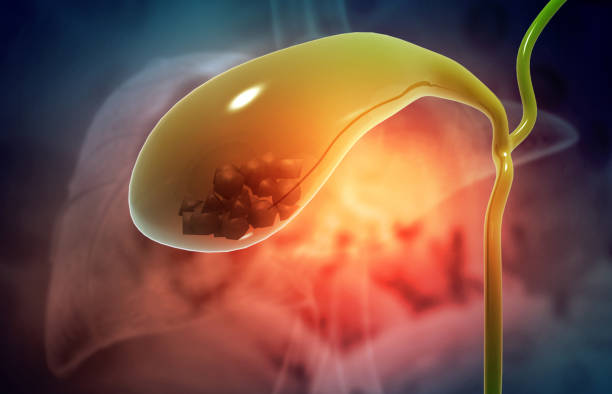
Gallstones are hardened deposits that form in the gallbladder — a small organ under the liver that stores bile, the digestive fluid that helps process fats. There are two main types of gallstones:
How and why stones form depends on a combination of factors:
Globally, estimates suggest around 10–20% of adults may have gallstones detectable on imaging, though many are asymptomatic. In India, population studies report variable prevalence (commonly in the range of 3–15% depending on age, urbanization and method of detection). In Mohali and wider Punjab, prevalence patterns follow national trends with an increasing detection rate due to wider use of ultrasound imaging.
Many people with gallstones never develop symptoms and do not require treatment. The clinical decision—to treat or observe—depends on symptoms, stone location (gallbladder vs common bile duct), and complications such as cholecystitis (gallbladder inflammation), choledocholithiasis (stones in the common bile duct), or pancreatitis.
Recognizing symptoms and obtaining accurate diagnosis are essential first steps. Typical symptoms of symptomatic gallstones include:
Diagnostic steps used by gallstone specialists in Mohali typically include:
In Mohali, most patients will have an ultrasound at a local diagnostic centre and then be referred to a gallstone specialist Mohali or the general surgery team at hospitals like Livasa Mohali for further evaluation. Timely diagnosis helps guide whether non-surgical options can be considered or whether urgent surgery is indicated.
For people and families exploring treatment options, non-surgical approaches can be grouped into conservative management, medical dissolution, lithotripsy-based fragmentation, endoscopic removal of ductal stones, and other minimally invasive interventions. These approaches are most effective in carefully selected patients. Key non-surgical strategies include:
Important considerations when choosing a non-surgical route:
In Mohali, options such as UDCA and ERCP are readily available at tertiary centres including Livasa Mohali. ESWL for gallstones is offered at select centres and may require referral to specialty units. Cost, convenience, and likelihood of success should be discussed with your treating team.
Oral bile acid therapy uses ursodeoxycholic acid (UDCA), also known as ursodiol, to dissolve cholesterol gallstones over time. UDCA changes the composition of bile by reducing the cholesterol saturation of bile and may also improve gallbladder motility. It is one of the few true medical treatments that can dissolve stones without invasive procedures.
Who is a candidate?
Treatment course and outcomes:
Side effects and monitoring:
Cost considerations in Mohali and Punjab:
Cost depends on the duration of therapy and the brand or generic formulation of UDCA. In Punjab, typical monthly drug costs for UDCA might range from modest to moderate — often more affordable than invasive procedures. To help patients in Mohali, Livasa Mohali can provide guidance on generic options and estimated overall treatment costs, usually including regular ultrasound monitoring. Use search terms like ursodeoxycholic acid for gallstones Punjab cost or cost of ursodeoxycholic acid treatment for gallstones Mohali when comparing local pharmacies or hospital pharmacy prices.
ESWL uses externally applied focused shock waves to fragment gallstones so the fragments can either pass into the intestine or be more easily dissolved with UDCA. ESWL is non-invasive (no incision) and is used most effectively for solitary, radiolucent cholesterol stones and in patients with a functioning gallbladder.
How ESWL is performed:
Effectiveness and limitations:
Risks:
Availability and costs in Mohali and Punjab:
ESWL units are available in select tertiary centres; not every hospital in Mohali has ESWL specifically intended for gallstones. Patients may be referred to specialised centres or larger hospitals in Chandigarh or other cities if required. Cost of ESWL for gallstones in Punjab varies by centre and number of sessions — search terms like extracorporeal shock wave lithotripsy gallstones Mohali or cost of ESWL for gallstones Mohali can help you compare. Livasa Mohali can advise whether ESWL is appropriate and refer patients to partner centres when necessary.
Endoscopic retrograde cholangiopancreatography (ERCP) is a key minimally invasive procedure used to remove stones from the common bile duct (CBD). ERCP is performed by gastroenterologists or endoscopic surgeons and is often the first-line treatment when stones have migrated from the gallbladder into the duct and are causing obstruction or cholangitis.
What ERCP involves:
When ERCP is indicated:
Success rates and risks:
Cost and availability in Mohali:
ERCP is widely available in major hospitals in Mohali and Chandigarh. Cost of ERCP in Mohali hospitals varies depending on whether it is an emergency, need for stenting or multiple sessions, and the facility. Use keywords like ERCP for gallstones Punjab hospitals or ERCP gallstone removal cost Mohali when searching for local estimates. Livasa Mohali provides endoscopic services or can coordinate ERCP procedures with partner gastroenterology teams, advising patients on expected costs and pre-procedure preparation.
When weighing options, patients and clinicians compare effectiveness, recovery time, risks, and cost. The table below summarizes typical differences between various approaches to gallstones.
| Procedure type | Benefits | Recovery time | Approximate cost (Mohali/Punjab) |
|---|---|---|---|
| Watchful waiting (no procedure) | No procedural risk; suitable for asymptomatic stones | N/A | Low (monitoring costs: scans, follow-ups) |
| Oral bile acid therapy (UDCA) | Non-invasive; can dissolve small cholesterol stones | Months to years of therapy | Low–moderate (drug cost + monitoring); variable: check local pharmacies in Mohali |
| ESWL (shock wave lithotripsy) | Non-invasive fragmentation; immediate procedure | Outpatient; short recovery (days) | Moderate–high (depends on sessions; variable by centre in Punjab) |
| ERCP (endoscopic duct clearance) | Highly effective for ductal stones; therapeutic and diagnostic | Usually outpatient or 1–2 days observation | Moderate (cost varies with stenting, anesthesia, emergency service) |
| Laparoscopic cholecystectomy (surgery) | Definitive treatment; prevents recurrence | 1–2 weeks for most activities; return to work often within 1 week | Moderate–high (depends on hospital; often covered partially by insurance) |
Interpretation and clinical decision-making:
- Watchful waiting is appropriate for most asymptomatic patients because many never develop complications. Regular monitoring (ultrasound and symptom checks) is required. - UDCA is attractive when surgery is high risk or refused, but requires patience; success is modest and relapse risk exists. - ESWL is less commonly used today but remains an option for certain cholesterol stones, often combined with UDCA. - ERCP is the primary non-surgical therapy when stones obstruct the bile duct; it addresses acute problems effectively but does not prevent new gallbladder stones from forming — a cholecystectomy may still be recommended later. - Laparoscopic cholecystectomy is the definitive solution to prevent recurrence if the gallbladder is the source of recurrent symptoms or complications.
While non-surgical management is attractive, there are clear situations when surgery — most commonly laparoscopic cholecystectomy — is the recommended or required treatment. Indications for surgery include:
Laparoscopic cholecystectomy is the standard surgical approach — it is minimally invasive, typically involves 3–4 small cuts, and allows most patients to return home within 24 hours and resume normal activities within a week or two. Open cholecystectomy is reserved for complex anatomy, severe inflammation, or where laparoscopic approach is unsafe.
When ERCP has cleared the common bile duct of stones, many surgeons still recommend cholecystectomy in the near term to prevent recurrence of duct stones, especially in fit patients. For residents of Mohali, Livasa Mohali’s general and laparoscopic surgery team offers evaluation and timely surgery when indicated.
Cost is an important factor for many patients. Exact prices vary by hospital, whether the procedure is elective or emergency, length of stay, and local pharmacy costs. Below are general pointers and local guidance for people in Mohali and Punjab:
Practical next steps if you suspect gallstones:
Q: Can gallstones dissolve on their own? A: Small cholesterol stones may occasionally dissolve, especially with UDCA. However, spontaneous complete dissolution is uncommon without medical therapy; most stable asymptomatic stones remain unchanged.
Q: Is ERCP considered surgery? A: ERCP is an endoscopic procedure (minimally invasive) rather than traditional surgery. It is performed through the mouth and does not involve incisions into the abdomen. However, it carries its own risks and requires technical expertise.
Q: What is the success rate of UDCA in Mohali? A: Success rates depend on stone type and size; broadly, clinical literature reports 30–60% success for small cholesterol stones. Local success in Mohali will mirror these ranges when patient selection is appropriate; Livasa Mohali clinicians will assess individual suitability.
Q: How long before I know if non-surgical treatment is working? A: For UDCA, expect months of therapy with regular ultrasound checks (often every 3–6 months). For ESWL or ERCP, the results are often immediate or evident soon after the procedure.
Q: Are non-surgical options covered by insurance? A: Coverage varies by policy and insurer. Many insurers cover ERCP and cholecystectomy; coverage for UDCA (as a medication) usually depends on prescription drug benefits. Check with your insurer and the hospital billing office in Mohali.
In summary, gallstones can sometimes be treated without surgery, but success depends on careful selection. Oral dissolution therapy (UDCA) and ESWL are non-surgical options for specific cholesterol stones; ERCP is an effective minimally invasive technique for stones in the common bile duct. Watchful waiting remains the right approach for many asymptomatic patients. Laparoscopic cholecystectomy remains the definitive solution when symptoms recur or complications exist.
If you're in Mohali or nearby areas and want to know whether you are a candidate for non-surgical gallstone treatment, the team at Livasa Hospitals, Livasa Mohali is ready to help. We offer coordinated evaluation with imaging, lab tests, endoscopy and surgical consultation so you can make an informed decision. For an appointment, call +91 80788 80788 or book online. Search for terms like best gallstone doctor Punjab, gallstone clinic Mohali, or gallstone doctor near me Mohali to find patient reviews and further information.
If you have been told you have gallstones or are experiencing abdominal pain, don't delay evaluation. Early assessment can provide more treatment choices, including non-surgical alternatives when appropriate. Contact Livasa Mohali at +91 80788 80788 or book an appointment online to speak with a gallstone specialist and receive personalised advice.
Obesity and Joint Replacement: Weight and BMI Guidelines in Amritsar
Diabetes, Heart Disease and Joint Replacement: Multispeciality Care in Amritsar
Home Modifications After Joint Replacement: Safety Tips for Amritsar Patients
Livasa Healthcare Group Corporate Office,Phase-8, Industrial Area, Sector 73, Sahibzada Ajit Singh Nagar, Punjab 160071
| Mohali | +91-99888 23456 |
| Amritsar | +91-99887 49494 |
| Hoshiarpur | +91-99883 35353 |
| Nawanshahr | +91-75081 82337 |
| Khanna | +91-98888 05394 |
