03 Aug 2026
Obesity and Joint Replacement: Weight and BMI Guidelines in Amritsar

Dr. Priyadarshini Sahu
03 Feb 2026
Call +91 80788 80788 to request an appointment.
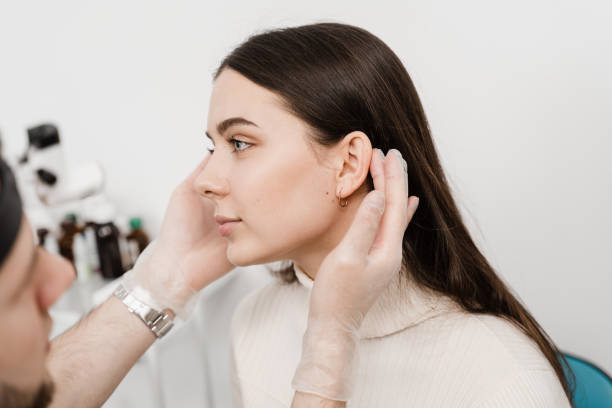
At Livasa Hospitals — Livasa Mohali — we understand how the position and shape of the ears can affect confidence at any age. This detailed guide explains what otoplasty (ear reshaping or ear pinning) is, who benefits from it, the procedural options, expected recovery, risks, and a clear overview of pricing in Punjab and specifically in Mohali. If you are searching for "otoplasty near me Mohali", "ear pinning Mohali" or "best otoplasty surgeon in Mohali", this article will help you prepare for an informed consultation. To book an appointment call +91 80788 80788 or visit Livasa Hospitals appointment.
Otoplasty (commonly called ear reshaping, ear correction or ear pinning) is a surgical procedure designed to improve the shape, position or proportion of the ears. Although often associated with children and teens, many adults choose otoplasty to correct congenital issues, injuries, or results of prior surgery. In Mohali and across Punjab the demand for cosmetic ear surgery has risen as awareness of safe techniques and predictable recovery has increased.
The goals of otoplasty may include reducing prominence (bringing ears closer to the head), correcting asymmetry, resizing overly large ears (macrotia), or reconstructing parts of the ear following trauma. At Livasa Mohali, a patient-centered assessment addresses both cosmetic desires and functional concerns to arrive at a customized plan. The term "otoplasty" encompasses a range of techniques — from minimally invasive suture-only methods to cartilage-sculpting procedures — which we will compare in later sections.
Who reads this guide? Teens and adults considering ear reshaping in Mohali and surrounding areas (Chandigarh, Zirakpur, Kharar), parents exploring options for adolescents, and anyone wanting clear information on otoplasty cost Punjab and otoplasty recovery Mohali. We will also highlight why choosing an experienced otoplasty surgeon in Mohali matters for safety and results.
Understanding why ears appear prominent or misshapen helps explain the surgical approach. The external ear (pinna) is made largely of a thin, flexible cartilage framework covered by skin. The key anatomical features influencing ear prominence include:
The most common reason people seek otoplasty is for ears that stick out more than average. Global estimates suggest that approximately 5% of the population have prominent ears — though rates vary by ethnicity and reporting. In many cases, prominence is purely cosmetic and does not affect hearing. However, psychological distress, bullying in school, and reduced self-esteem are common reasons parents and adults pursue correction.
In Mohali and across Punjab, cultural and social factors influence timing: some families choose early correction before school age, while teens and adults may seek surgery after developing a stronger sense of personal aesthetics. Because cartilage is more pliable in children, otoplasty techniques can differ by age; this topic is covered in the "who is a candidate" section.
Otoplasty is appropriate for individuals with visible ear prominence, asymmetry, size concerns, or structural deformities. Candidates include children (commonly from age 5–6, when ear growth is nearly complete), teenagers, and adults. When considering otoplasty in Mohali, the evaluation at Livasa Mohali focuses on three elements: medical suitability, psychological readiness, and realistic expectations.
Medical suitability:
Psychological readiness:
Many younger patients seek otoplasty due to teasing or reduced self-confidence. Surgeons look for realistic expectations and evidence that the procedure will contribute positively to quality of life. At Livasa Mohali, we involve parents and teens in counseling to ensure understanding of benefits and limitations.
Special indications in adults:
During a consultation for otoplasty in Mohali, your surgeon will measure ear-to-head distance, evaluate skin quality, cartilage thickness, and facial proportions. Photographs are taken for surgical planning and to document "otoplasty before and after Mohali" outcomes. If you are searching "otoplasty consultation Mohali" or "otoplasty surgeon Mohali", prepare to discuss goals, medical history, and expected costs (we will outline pricing ranges in a dedicated section).
Otoplasty techniques vary based on patient age, cartilage characteristics, and cosmetic goals. Broadly, procedures fall into three categories: suture-only (minimal incision), cartilage-sculpting (open surgery), and non-surgical molding (mainly for infants). Choosing the right option affects scarring, recovery and cost — all important when comparing otoplasty cost Punjab or otoplasty cost in Mohali Punjab.
Below is a comparison table summarizing the main procedure types, benefits and expected recovery:
| Procedure type | Benefits | Recovery time |
|---|---|---|
| Suture‑only (minimal incision) | No cartilage cutting, smaller scars, shorter operative time | 1–2 weeks for most activities; 4–6 weeks for sports |
| Open cartilage molding/sculpting | Precise reshaping for complex deformities, reliable long-term results | 2–3 weeks for normal activities; 6–8 weeks for full recovery |
| Non‑surgical ear molding (infants) | Early, non-invasive correction when cartilage still soft | Several weeks of continuous molding |
Many adult and teen cases in Mohali use a combination of sutures and limited cartilage modification to achieve natural contours. Non‑surgical options are effective only in very young infants; beyond that age, surgical approaches provide predictable, long-lasting outcomes.
When comparing otoplasty clinics in Punjab and otoplasty hospitals in Punjab, consider whether the team routinely performs revision cases, their approach to anesthesia, and their aftercare protocol — these factors influence both cost and outcome. At Livasa Mohali we offer detailed procedure explanations, before-and-after galleries, and clear pricing estimates during consultation.
Knowing the surgical workflow reduces anxiety and helps you prepare. The exact steps vary by technique, but a typical otoplasty procedure for teens and adults includes:
Duration: The operation usually takes 1–3 hours depending on bilateral or unilateral correction and the technique chosen. Complexity (e.g., revision otoplasty or major reconstruction) may extend operative time.
Anesthesia safety: For many adults, local anesthesia with sedation is a safe and cost‑effective choice for otoplasty. General anesthesia is recommended for younger patients who cannot tolerate being awake or when extensive cartilage work is required. Livasa Mohali emphasizes standardized monitoring, experienced anesthesiologists, and postoperative protocols that reduce nausea, pain and complications.
Like all surgeries, otoplasty carries potential risks. Most complications are minor and manageable when the surgeon follows meticulous technique and the patient follows aftercare advice. Commonly discussed risks include:
To minimize risk, patients in Mohali and Punjab should:
At Livasa Mohali, we discuss individualized risk based on anatomy, age and prior procedures. If you are concerned about "risks of otoplasty Mohali" during your search, ask the surgeon about their complication rates, experience with revision cases, and strategies for minimizing problems.
Understanding otoplasty recovery helps you plan time off work or school, care needs and activity restrictions. Recovery varies with the procedure and the individual, but here’s a typical timeline frequently seen at Livasa Mohali:
Pain after otoplasty in Mohali is typically mild to moderate and well-managed with standard prescriptions. If you search for "pain after otoplasty Mohali" expect realistic counseling: discomfort is highest in the first 48 hours and improves steadily. Follow-up appointments in Mohali are scheduled at 1 week, 1 month and 3 months, with additional visits as needed.
Practical aftercare tips:
For families in Mohali seeking otoplasty for teens, school scheduling and emotional support are important considerations. Livasa Mohali provides preoperative counseling and a written aftercare plan to ensure a smooth recovery.
Cost is a key concern for many patients. Otoplasty pricing depends on several variables: unilateral or bilateral correction, complexity (primary vs revision), surgeon experience, hospital facility fees, anesthesia type, and postoperative care. In Punjab and Mohali, price ranges are approximate and should be used as a planning guide only. During a personalised "otoplasty consultation Mohali" you will receive a detailed cost estimate.
The table below provides approximate cost ranges commonly seen in the region and at specialty centers like Livasa Mohali:
| Procedure or case type | Approximate cost range (INR) | Notes |
|---|---|---|
| Non‑surgical ear molding (infants) | 10,000 – 30,000 | Depends on duration of molding and device used |
| Unilateral otoplasty (simple) | 20,000 – 50,000 | Local anesthesia with sedation often used |
| Bilateral otoplasty (primary) | 35,000 – 90,000 | Most common scenario for cosmetic correction |
| Revision otoplasty or major reconstruction | 50,000 – 150,000+ | Cost rises with complexity and grafting needs |
Keywords you might search include "otoplasty cost Punjab", "ear reshaping surgery cost Punjab", "price of otoplasty Mohali" and "ear pinning surgery cost Mohali". At Livasa Hospitals otoplasty Mohali, we provide transparent price estimates during consultation. Keep in mind the value of an experienced otoplasty surgeon in Mohali — lower upfront price may not reflect total cost if revision becomes necessary.
Financing and insurance: Cosmetic otoplasty is usually considered elective and not covered by insurance unless performed for functional or reconstructive reasons (e.g., after trauma). Livasa Mohali can guide you about payment options and financing if available.
Selecting the right surgeon and facility is essential for safe otoplasty and satisfying results. When evaluating an "otoplasty surgeon Mohali" or "otoplasty clinic Mohali", consider the following:
At Livasa Mohali, our multidisciplinary approach involves experienced plastic surgeons, an anesthesia team, and dedicated nursing for postop care. During your "otoplasty consultation Mohali" expect:
If you are searching for the "best otoplasty surgeon in Mohali" or "otoplasty hospitals in Punjab", schedule an appointment for a personalized evaluation. You can call +91 80788 80788 or book online at Livasa Hospitals appointment.
Many patients researching "otoplasty before and after Mohali" want to see realistic results. While photographs are helpful, it is crucial to understand the limits of surgery:
Non‑surgical alternatives are limited for older children and adults. Options include:
If you are considering alternatives or are worried about surgery, discuss these with your surgeon. At Livasa Mohali we use evidence-based techniques and transparent counseling to manage expectations. Many patients report improved self‑confidence and quality of life after otoplasty, with published series indicating high satisfaction rates when realistic goals are set preoperatively.
Below are commonly asked questions encountered during consultations at Livasa Mohali:
Next steps for Mohali patients:
Livasa Mohali’s team delivers patient-focused care and individualized surgical planning — from initial "otoplasty consultation Mohali" through recovery and long‑term follow-up.
If you are looking for otoplasty in Mohali or want an accurate otoplasty cost estimate Mohali, schedule a consultation with our plastic surgery team. We will provide a clear plan tailored to adults and teens, discuss alternatives and risks, and give a transparent price estimate.
Book your appointment: Call +91 80788 80788 or book online. Livasa Hospitals — Livasa Mohali is committed to safe, compassionate, and results-oriented care for ear reshaping in Punjab.
Disclaimer: This guide provides general information about otoplasty and approximate pricing. Individual recommendations, risks and costs vary. A formal evaluation at Livasa Mohali is required for a personalized treatment plan and exact quotation. Keywords used for local SEO include: otoplasty cost Punjab, otoplasty in Mohali, ear pinning surgery cost Mohali, best otoplasty surgeon in Mohali and related terms for patient search convenience.
Obesity and Joint Replacement: Weight and BMI Guidelines in Amritsar
Diabetes, Heart Disease and Joint Replacement: Multispeciality Care in Amritsar
Home Modifications After Joint Replacement: Safety Tips for Amritsar Patients
Livasa Healthcare Group Corporate Office,Phase-8, Industrial Area, Sector 73, Sahibzada Ajit Singh Nagar, Punjab 160071
| Mohali | +91-99888 23456 |
| Amritsar | +91-99887 49494 |
| Hoshiarpur | +91-99883 35353 |
| Nawanshahr | +91-75081 82337 |
| Khanna | +91-98888 05394 |
